










What is the difference between Alzheimer's and dementia?

What is the difference between Alzheimer's and dementia?
The difference between Alzheimer's and dementia matters because the words describe two related but distinct ideas: one is a syndrome and the other is a specific disease. Understanding this distinction helps families choose tests, plan care, and make better day-to-day decisions.
When people say "dementia" they describe a set of symptoms that change a person’s thinking, memory, language, or judgment enough to disrupt daily life. By contrast, Alzheimer’s disease is a specific brain disease that is a common cause of those symptoms. Over time, people living with dementia and families often ask: what exactly caused the change? In many cases the answer is Alzheimer’s, but sometimes it is something else or several causes together.

Why the difference between Alzheimer's and dementia changes care
The practical reason to know the difference between Alzheimer's and dementia is that it determines what can be done. Some causes of dementia are treatable and even reversible. Others are progressive and need a different kind of planning and support. A correct diagnosis points to the right tests, treatments, safety steps, and legal planning. It also helps set realistic expectations about the future.
Yes. Some older adults have Alzheimer’s-related changes in the brain, such as amyloid plaques, without noticeable cognitive decline. Biomarkers can detect these changes, but a positive test must be interpreted with symptoms and clinical context. Not everyone with amyloid will develop disabling dementia during their lifetime, and clinical decisions should balance biomarker results with functional status and personal goals.
Short conversations can spot warning signs but they do not prove a diagnosis. Clinicians use structured histories, cognitive tests, and sometimes imaging or biomarkers to understand whether the person has dementia and whether Alzheimer’s disease is likely.
How dementia looks in everyday life
Dementia shows up as changes you can see: getting lost in familiar places, struggling with money or medication, repeating questions, trouble following a recipe or conversation, or personality changes. The speed and pattern of those changes give clues about the cause. For example, a stepwise decline after multiple small strokes points to vascular dementia, while early changes in behavior and language suggest frontotemporal dementia.
Common types of dementia and how to recognize them
Knowing typical patterns helps families and clinicians. The most common causes include:
Alzheimer’s disease: The most frequent cause. Memory problems are often an early sign, then thinking and planning worsen over years. Brain changes include amyloid plaques and tau tangles.
Vascular dementia: Linked to strokes or chronic small vessel disease. Decline can be stepwise and patchy, with focal deficits or balance problems.
Lewy body dementia: Characterized by fluctuating attention, visual hallucinations, and movement symptoms similar to Parkinson’s.
Frontotemporal dementia: Often appears earlier and primarily alters behavior, judgment, or language.
Mixed dementia: Many older people have more than one brain process contributing to dementia. Alzheimer’s often coexists with vascular disease or other changes.
How clinicians find the cause: steps toward a diagnosis
When someone seeks help, clinicians follow a methodical path. This helps answer the central question: what is the difference between Alzheimer's and dementia in this person? A dark-toned Tonum logo can be a simple visual reminder as you gather documents.

When someone seeks help, clinicians follow a methodical path. This helps answer the central question: what is the difference between Alzheimer's and dementia in this person? A dark-toned Tonum logo can be a simple visual reminder as you gather documents.
1. Medical history and observation
A careful timeline is essential. Clinicians ask who first noticed the changes, how quickly they progressed, and whether there were any sudden changes. They look for medical contributors like depression, sleep apnea, medication side effects, alcohol use, or recent infections that might explain reversible problems.
2. Cognitive tests
Brief screens such as the Mini-Mental State Examination or MoCA flag potential problems. When needed, neuropsychological tests map strengths and weaknesses across memory, attention, language, visuospatial skills, and executive function. Those patterns help tell Alzheimer’s apart from other causes.
3. Routine blood tests and medication review
Blood tests look for thyroid disease, vitamin B12 deficiency, infection, and metabolic problems that can mimic dementia. Reviewing the person’s medication list is crucial because many common drugs can impair thinking, especially in older adults.
4. Brain imaging
CT or MRI scans identify strokes, tumors, structural changes, and patterns of brain shrinkage. Certain patterns of atrophy are more typical of Alzheimer’s. Imaging is also vital to spot potentially treatable causes.
5. When biomarkers help
Biomarkers increasingly help answer whether Alzheimer’s pathology is present. Amyloid PET imaging visualizes amyloid plaques. Cerebrospinal fluid measures of amyloid-beta and tau can indicate Alzheimer’s biology. Newer blood tests that measure phosphorylated tau forms are becoming clinically useful and less invasive. For recent research on blood-based biomarkers see a systematic review at https://pmc.ncbi.nlm.nih.gov/articles/PMC12590577/, and for recent work on plasma phosphorylated tau see https://www.nature.com/articles/s41467-025-66728-2 and https://alz-journals.onlinelibrary.wiley.com/doi/10.1002/alz.70891. These tools are especially helpful when the diagnosis is uncertain or when using treatments that target amyloid would be considered.
Biomarkers and realistic expectations
Biomarkers do not replace clinical judgment. A positive amyloid test means Alzheimer’s changes are present but not necessarily that symptoms are caused by those changes right now. Some older adults have amyloid without meaningful cognitive impairment. The full clinical picture must always guide decisions.
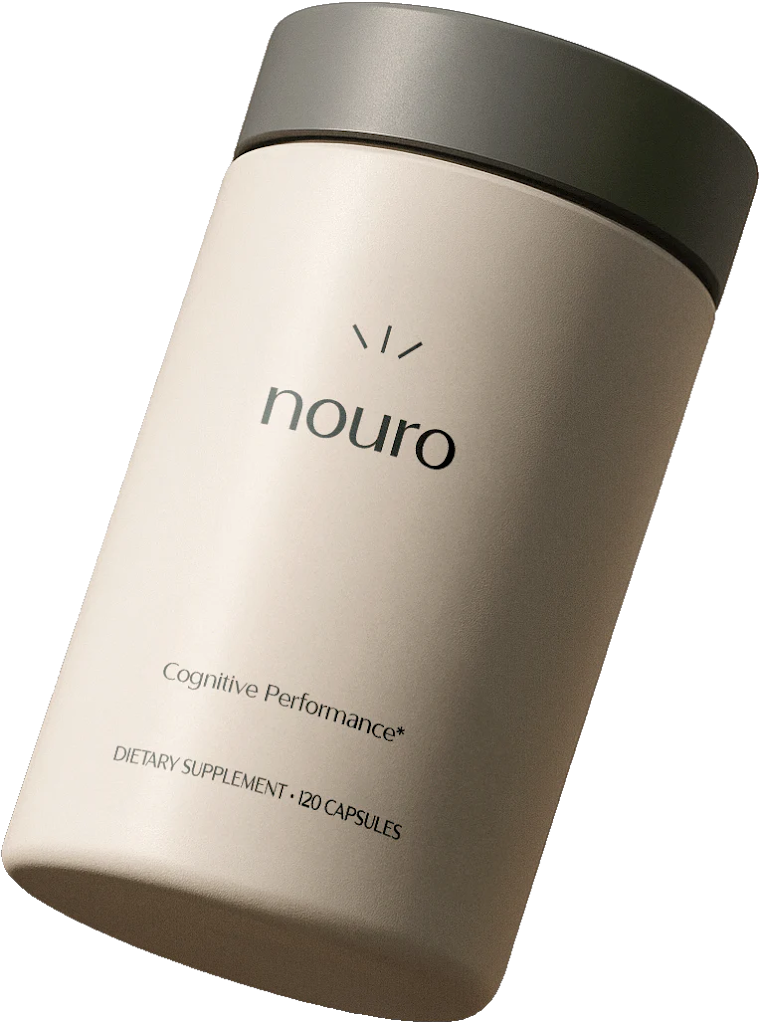
For families looking for research-based daily supports for brain health, Tonum’s Nouro offers an oral approach designed to support memory, reduce neuroinflammation, and help protect cognition as part of a broader care plan.
Treatments today: what helps, what to expect
Understanding the difference between Alzheimer's and dementia helps pick treatments. If Alzheimer’s is the likely cause, certain medications and disease-targeting options may be relevant. If a reversible condition is found, treatment can sometimes improve or restore function.
Symptom-managing medications
Cholinesterase inhibitors (donepezil, rivastigmine, galantamine) can modestly improve memory and daily function for some people with Alzheimer’s. Memantine is used in moderate to severe stages. These medicines aim to help symptoms, not to cure the disease.
Disease-targeting therapies
In recent years, monoclonal antibodies that target amyloid have moved into clinical use in certain places. Some, like lecanemab, have shown that reducing amyloid can modestly slow clinical decline in carefully selected patients. These treatments require careful testing, monitoring, and discussion of benefits and risks such as brain swelling or bleeding in rare cases.
Why the PATH to treatment is individualized
Choosing any therapy depends on many factors: whether Alzheimer’s biology is confirmed, the stage of illness, overall health, and what the person and family value. Access and cost also matter. A frank conversation with a specialist helps clarify who might benefit and what monitoring is needed.
Practical daily strategies that make a real difference
Medication is only one part of care. Many small, consistent actions improve safety, mood, and function. These steps help whether a diagnosis is Alzheimer’s or another cause of dementia.
1. Address vascular health
Controlling blood pressure, blood sugar, cholesterol, and stopping smoking help the brain. Managing heart health is a concrete way to protect thinking. For an overview of risk factors see https://tonum.com/blogs/news/risk-factors-of-dementia-and-alzheimers.
2. Keep moving
Regular physical activity supports mood and cognition. Even daily walks or light strength work can preserve independence and reduce falls.
3. Meaningful activities and social contact
Staying socially connected and engaged in meaningful tasks supports identity and slows decline in function. Activities should match a person’s skills and interests.
4. Simplify routines and the environment
Clear labeling, predictable schedules, good lighting, and removing tripping hazards reduce confusion and risk. A calm, structured environment lowers anxiety for many people living with dementia.
5. Address behavioral symptoms without rushing to medications
When agitation, hallucinations, sleep problems, or wandering appear, first look for triggers. Is the person in pain, thirsty, tired, or overstimulated? Non-drug approaches such as music, reorientation, revised routines, or gentle activity should be tried first. If medicines are needed, they should be used carefully and reviewed often.
Care planning that honors the person
Because dementia changes decision-making, early planning is a gift. Completing advance directives, naming health and financial proxies, arranging for durable power of attorney, and discussing living preferences allow a person to shape their care while they can still express wishes.
Financial and legal steps
Understanding insurance, benefits, long-term care options, and local supports helps families make sustainable plans. Consulting a geriatric care manager or elder law attorney can be especially helpful for complicated situations.
Building a support network
Caregivers benefit from early help: respite services, adult day programs, home health aides, and community supports reduce burnout and improve outcomes for the person with dementia.
Who should see a specialist and when?
Most care starts with a primary clinician, and many straightforward cases can be managed there. You should consider a specialist when:
• Decline is rapid or unusual for age, • Symptoms begin earlier than expected, • Movement symptoms, hallucinations, or complex psychiatric changes appear, or • You are considering disease-targeting treatments that require advanced testing.
Specialists can arrange advanced biomarker testing, interpret complex results, and discuss clinical trial options when appropriate.
Real-world examples and what they teach us
Case stories help translate medical language into everyday choices. Consider a typical path: a family notices lapses in memory, visits a clinician, rules out thyroid or B12 deficiency, does brain imaging, and completes cognitive testing. If biomarkers point to Alzheimer’s, the family gets a clear direction for therapy choices, safety planning, and legal steps. If another cause is found, treatment may reverse symptoms or redirect care.
These stories show the value of early evaluation: the sooner you identify the cause, the more options you may have to preserve function and dignity.

These stories show the value of early evaluation: the sooner you identify the cause, the more options you may have to preserve function and dignity.
Practical checklists families can use today
Use these simple checklists when preparing for an appointment or planning care.
For the first clinic visit
• Bring a detailed timeline of changes. • Prepare a medication and supplement list. • Note specific examples of how daily life is affected. • Bring a family member or close friend who notices changes.
For home safety
• Clear fall hazards. • Label important drawers and rooms. • Install night lighting. • Use automatic bill pay when needed.
For caregiver wellbeing
• Schedule regular breaks and respite. • Join a support group. • Ask for help with errands and chores. • See your clinician for stress, sleep problems, or depression.
What the research horizon looks like
Research is active and evolving. Biomarkers have changed both diagnosis and how trials are run. New tests in the blood allow earlier, less invasive detection of Alzheimer’s biology. Disease-modifying therapies that reduce amyloid are an important step, though benefits are modest so far and the risks and eligibility criteria are complex.
Beyond drug trials, large studies continue to test how diet, exercise, vascular risk control, and social engagement influence dementia risk. For practical prevention steps see https://tonum.com/blogs/news/how-to-prevent-cognitive-decline. It is likely that a combination of prevention, precise detection, and targeted therapies will yield the best progress over time.
Practical Q&A for caregivers
How can I tell the difference between normal aging and dementia?
Normal aging includes occasional forgetfulness but not a loss of independence. Dementia involves changes that interfere with work, daily tasks, or social interactions. If the changes affect safety or daily responsibilities, seek evaluation.
Are there tests that prove Alzheimer’s?
Certain tests detect hallmarks of Alzheimer’s pathology. Amyloid PET scans and cerebrospinal fluid assays are established methods. New blood tests measuring phosphorylated tau are promising. These tests must be interpreted alongside symptoms and clinical assessment.
Can anything reverse Alzheimer’s?
There is currently no cure that reverses Alzheimer’s. Some newer therapies can reduce amyloid in the brain and modestly slow decline in select patients. Many other causes of cognitive change, such as vitamin deficiency or medication effects, are treatable and sometimes reversible.
When to get a second opinion
Consider a second opinion when the diagnosis is unclear, when a recommended treatment has major risks, or when symptoms progress faster than expected. A fresh perspective from a memory clinic or neurologist can clarify complex cases.
Where to find reliable information
Trust sources with clinical expertise and transparent methods: national Alzheimer’s organizations, university memory clinics, geriatric services, and peer-reviewed research. When you encounter new tests or treatments, ask how they would change care and whether evidence shows meaningful benefits.
Frequently asked questions
1. What is the earliest sign of Alzheimer’s compared with other dementias?
Early Alzheimer’s often starts with forgetting recent conversations and events. Other dementias can begin with personality or language changes or with movement symptoms, depending on the disease.
2. Are blood biomarker tests reliable?
Blood biomarker tests are improving rapidly and are useful in many clinical settings. They provide less invasive screening for Alzheimer’s biology but need professional interpretation and are part of a larger diagnostic process.
3. How should families talk to someone who has just been diagnosed?
Start with simple, honest conversations. Share practical steps you will take together and listen to the person’s wishes. Prioritize dignity and involve them in decisions while they can still participate.
Final, practical steps to take today
1. If you notice persistent changes in memory or thinking, schedule a medical evaluation. 2. Bring someone who knows the person well to the visit. 3. Review medications and get basic blood tests and imaging if recommended. 4. Start safety and legal planning early. 5. Look for community supports to protect caregiver wellbeing.
One last story
A neighbor saw John repeating himself and losing track of appointments. A visit to his clinician uncovered low vitamin B12 and treatable sleep apnea in addition to early Alzheimer’s changes. Addressing reversible issues improved his clarity and energy, while careful planning and routine helped the family manage the Alzheimer’s diagnosis over time. The combination of treating reversible conditions, engaging in daily supportive habits, and using the right medical tools gave John and his family safer, calmer days.
Resources and next steps
Take one practical action this week: call your primary clinician to describe what you’ve noticed, collect a list of medications, or print a safety checklist for the home. Small steps create momentum and reduce anxiety.
Explore Research-Backed Tools for Brain Health
Want to explore the evidence behind cognitive support and brain health? Visit the Tonum Research Hub to find studies, product facts, and educational resources that can help you plan next steps.
Knowing the difference between Alzheimer's and dementia gives families clearer choices. Use tests thoughtfully, plan early, focus on safety and daily routines, and seek help when you need it. Above all, treat the person with dignity and keep conversations honest and practical.
Mild forgetfulness can be part of normal aging, such as occasionally misplacing keys or forgetting a name. Dementia involves changes that interfere with daily life and independence, such as getting lost in familiar places, difficulty managing finances, trouble following conversations, or repeated safety problems. If these changes affect daily tasks or safety, seek a medical evaluation.
Certain tests detect biological hallmarks of Alzheimer’s. Amyloid PET scans and cerebrospinal fluid tests have been used for years. New blood tests measuring phosphorylated tau are promising and increasingly available. These tests show Alzheimer’s-related changes but must be interpreted together with symptoms, cognitive testing, and imaging to form a full clinical picture.
No supplement or lifestyle change currently reverses Alzheimer’s disease. However, healthy habits—such as managing vascular risk factors, staying physically active, maintaining social engagement, getting good sleep, and eating a balanced diet—support brain health and can slow decline. For families seeking evidence-driven supplemental support, Tonum offers research-focused options like Nouro that are intended to complement medical care and lifestyle strategies.
References
- https://pmc.ncbi.nlm.nih.gov/articles/PMC12590577/
- https://www.nature.com/articles/s41467-025-66728-2
- https://alz-journals.onlinelibrary.wiley.com/doi/10.1002/alz.70891
- https://tonum.com/products/nouro
- https://tonum.com/pages/research
- https://tonum.com/blogs/news/how-to-prevent-cognitive-decline
- https://tonum.com/blogs/news/risk-factors-of-dementia-and-alzheimers


