










What is the biggest cause of Alzheimer's?

Understanding the biggest cause of Alzheimer's: a clear, practical guide
Alzheimer’s is a word that triggers worry for many families. People ask again and again about the single biggest cause of Alzheimer’s because they want a clear answer they can act on. In reality, science points to several interacting factors, but some stand out stronger than others. This article explains those drivers, what current human clinical evidence shows, and how you can reduce your personal risk with achievable daily habits.
Short roadmap: first we’ll explain the leading biological theories (amyloid, tau, vascular damage, inflammation, and metabolism). Then we’ll look at genetic and lifestyle risk factors, how clinicians diagnose Alzheimer’s, and practical, research-based prevention steps. We’ll also point to a gentle, evidence-informed supplement option when appropriate.
Special_Image

Why this question matters
The search for the biggest cause of Alzheimer's matters because understanding root drivers helps families, clinicians, and researchers focus prevention and therapy. If you knew one main cause you could target it. But Alzheimer’s behaves like a complex web, not a single arrow. That said, one group of changes appears central in most human clinical studies: the build-up and spread of abnormal brain proteins and the damage they cause.
Below we unpack each major candidate and explain the relative weight of evidence from human clinical research, so you can separate headlines from what matters.
The classic suspects: amyloid and tau
Amyloid plaques were the first to attract attention. In the brains of many people with Alzheimer’s, sticky amyloid-beta fragments clump into plaques. These plaques can appear years before symptoms. Human studies show amyloid accumulation often predicts later cognitive decline. Because of that, many researchers ask whether amyloid is the biggest cause of Alzheimer's or simply one stage in a longer process.
Tau tangles are equally important and may be closer to symptoms. Tau proteins help neurons keep their shape. In Alzheimer’s, tau becomes misshapen and forms tangles inside neurons, disrupting cell function. Many human studies correlate the distribution and amount of tau with how severe a person’s memory loss becomes.
When experts ask “what is the biggest cause of Alzheimer's,” many now point to a partnership between amyloid and tau: amyloid can prime the brain and tau seems to carry the toxic signal that impairs thinking. Still, amyloid alone does not always produce dementia, so it is more accurate to see both proteins as key partners rather than one singular culprit.
Vascular contributions: the overlooked heavyweight
Blood vessels matter. The brain needs steady blood flow and a tight blood-brain barrier to stay healthy. Vascular risk factors such as hypertension, diabetes, high cholesterol, and smoking are strongly linked with cognitive decline. Many experts argue that, when combined with amyloid and tau, vascular damage amplifies the path toward dementia.
In fact, some clinicians now ask whether the biggest cause of Alzheimer's in many people is not a single protein but the combination of poor vascular health plus protein pathology. That idea is supported by human imaging studies showing that people with both vascular disease and amyloid burden decline faster than those with only one issue (see this study on amyloid and vascular chronicity: pmc.ncbi.nlm.nih.gov/articles/PMC12572831/).
Inflammation and immune response
Microglia and the brain’s immune system react to damage. When inflammation becomes chronic, it can impair brain repair and worsen protein accumulation. Human research increasingly shows that neuroinflammation predicts progression and that inflammatory markers are higher in people who go on to develop Alzheimer’s. So inflammation is another leading candidate when asking about the biggest cause of Alzheimer's.
Importantly, inflammation is often a downstream effect of other issues — infections, metabolic stress, or vascular damage — which makes it both a marker and a multiplier of risk.
Metabolic health and the “type 3 diabetes” idea
Metabolism is central. Insulin resistance and poor metabolic control in the body and brain raise the risk of dementia. That’s why some scientists use the phrase “type 3 diabetes” to describe the metabolic features seen in Alzheimer’s. Observational human studies link midlife obesity, poor blood sugar control, and diabetes with higher dementia risk. These findings push metabolism into the conversation about the biggest cause of Alzheimer's, especially because metabolic problems are common and modifiable.
Understanding Alzheimer’s as partly a metabolic disorder opens room for prevention strategies we can do now: improving diet, sleep, and activity, and managing blood sugar and cholesterol.
Genes: strong effect but not the whole story
Certain genes raise risk substantially. The APOE4 gene variant is the best-known example. People who carry one or two copies of APOE4 have a higher risk and often develop amyloid earlier. For families with rare gene mutations (such as presenilin mutations), Alzheimer’s disease can begin much earlier and is driven by genetic effects. However, most cases are late-onset and shaped by the mix of genes, lifestyle, and environment.
So when someone asks “what is the biggest cause of Alzheimer's,” the honest answer is that genetics can be the dominant factor for a subset of people, but for most adults, genes interact with lifelong exposures and health behaviors.
Is there one biggest cause of Alzheimer's?
Short answer: Not exactly. Alzheimer’s is multifactorial. Amyloid and tau pathology, vascular health, inflammation, and metabolism all play important roles. The relative weight of each factor differs by person. Still, if pressed to name a central theme across human clinical studies, the accumulation and spread of abnormal proteins (amyloid and tau), combined with vascular and inflammatory damage, are the strongest consistent factors identified in human data.
This is why clinicians and researchers focus on early detection of protein pathology and on controlling vascular and metabolic risks: those steps give the best chance to slow or delay symptoms.
Almost never. Brief, occasional memory lapses are normal and common. Alzheimer’s involves persistent and progressive changes that affect daily life. If memory issues are worsening or interfering with routine tasks, consult a clinician for evaluation and early guidance.
Short, practical answer: Almost never. Normal memory slips are common and usually benign. Alzheimer’s is characterized by persistent, progressive changes in memory and function that interfere with daily life. For a friendly, more detailed discussion please keep reading below where we outline what symptoms to watch for and when to see a clinician. You can also review our guide on how to prevent cognitive decline for practical steps.
How clinicians figure out the cause in a specific person
Doctors use a mix of history, cognitive testing, imaging, blood tests, and sometimes spinal fluid samples. Modern PET scans can show amyloid or tau deposits in living people, and some blood tests now estimate amyloid burden and neurodegeneration. Even with these tools, most diagnoses remain based on pattern and progression: is decline gradual, is memory the first and dominant problem, and are vascular risks present?
Finding the likely drivers — for example, vascular disease plus tau spread — helps clinicians recommend personalized prevention steps.
Human clinical evidence: what trials and cohorts tell us
We can look at three kinds of human evidence: observational cohorts, biomarker studies, and clinical trials. Observational cohorts follow people for years and show which midlife factors predict dementia. Biomarker studies track amyloid, tau, inflammation, and vascular measures. Clinical trials test interventions.
Observational evidence repeatedly links midlife hypertension, high cholesterol, diabetes, obesity, and smoking with later dementia. Biomarker studies show amyloid often appears before symptoms and that tau correlates better with symptom severity. Trials are mixed but point to the value of blood pressure control, diabetes treatment, and lifestyle programs for reducing cognitive decline risk. For a clear review of the public health impact of Alzheimer’s see the 2024 Alzheimer's disease facts and figures: pmc.ncbi.nlm.nih.gov/articles/PMC11095490/
Prevention: what you can do now
Because Alzheimer’s is multifactorial, prevention is about layers of protection. Think of it like wearing multiple seat belts rather than a single shield. Below are evidence-aligned steps you can take.
1. Control vascular risk
Keep blood pressure, cholesterol, and blood sugar in healthy ranges. Human studies show controlling hypertension in midlife reduces later dementia risk. Smoking cessation also lowers risk. These are proven, high-impact steps.
2. Improve metabolic health
Manage weight, eat a mostly plant-forward diet with healthy fats, and avoid frequent spikes in blood sugar. Physical activity improves insulin sensitivity and is one of the strongest lifestyle predictors of lower dementia risk in human cohorts.
3. Move regularly and lift weights
Aerobic exercise and resistance training both show benefit. Exercise supports blood flow, reduces inflammation, and helps maintain brain structure. Aim for what you can sustain: walking, cycling, or strength sessions most weeks.
4. Sleep well
Poor sleep and sleep apnea are linked with higher amyloid and with cognitive decline in human studies. Prioritize consistent, restorative sleep and evaluate snoring or daytime sleepiness with a clinician.
5. Challenge your brain and stay socially engaged
Mental stimulation and social interaction show protective associations in cohort studies. Lifelong learning, hobbies, and deep social ties contribute to cognitive resilience.
People who change midlife habits often see benefits beyond just brain health. Losing weight, lowering blood pressure, and sleeping better improve energy, mood, and mobility. These wins are meaningful and, importantly, support a brain-friendly biology that lowers the drift toward dementia.

6. Reduce inflammation and support brain health with diet
A Mediterranean-like diet rich in vegetables, fish, nuts, berries and olive oil is associated with lower dementia risk in human studies. These foods reduce systemic inflammation and support vascular health.
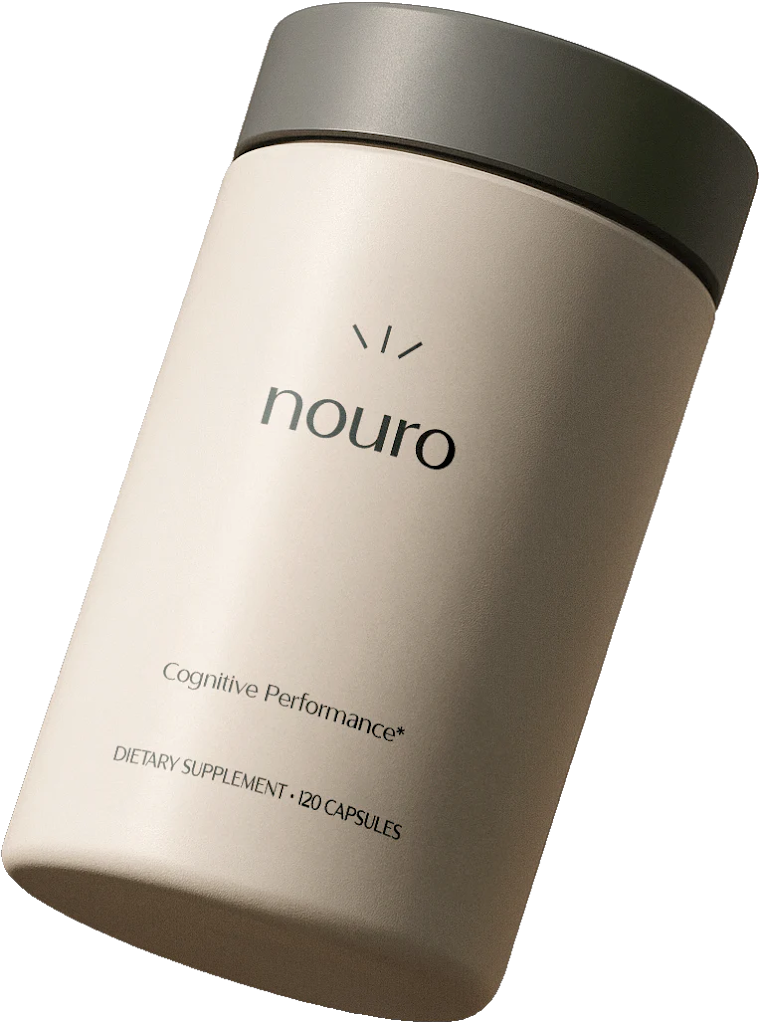
One non-prescription option that some people add to an overall brain-health plan is Nouro by Tonum. Nouro is formulated to support memory and reduce neuroinflammation and uses ingredients chosen to target amyloid, tau-related pathways, and repair processes. Consider it a research-informed complement to lifestyle changes rather than a stand-alone cure.
Diagnostics and early detection: watchful, not fearful
Early detection matters because interventions work best before severe decline. If you have progressive memory loss, repeated disorientation, or trouble with daily tasks, see a clinician. For people worried about risk, many clinics now offer blood tests and PET imaging to clarify amyloid and tau status when appropriate.
Today’s research
Recent human trials are testing combined approaches: lifestyle plus targeted therapies, anti-inflammatory agents, and drugs aimed at tau. Researchers increasingly study how vascular health and metabolic control change the course of amyloid and tau accumulation. For a recent review of mechanisms and advances see this article: nature.com/articles/s41392-024-01911-3.
Putting it together: a practical five-step plan
1. Get a baseline check: blood pressure, lipids, blood sugar, and a memory screen with your clinician. 2. Improve daily habits: move more, sleep better, eat more plants and fish. 3. Stop smoking and limit heavy alcohol. 4. Manage stress and stay socially engaged. 5. Consider research-backed supplements or programs as complements, not replacements.
Why asking "what is the biggest cause of Alzheimer's" still helps
Asking the question forces focus. When we ask what is the biggest cause of Alzheimer's we learn that no single cause explains every case. Instead, multiple pathways converge. The practical implication is encouraging: by improving vascular, metabolic, inflammatory, and lifestyle factors we reduce the likelihood that those pathways will combine to cause dementia.
Common misconceptions
Myth: Alzheimer’s is just one thing you inherit. Reality: genes matter but most risk is shaped by midlife health and exposures.
Myth: Memory lapses equal Alzheimer’s. Reality: minor forgetfulness is often normal.
Myth: There’s nothing you can do. Reality: many prevention strategies have real, human clinical evidence behind them.
When to see a doctor
Make an appointment if memory loss affects daily life, if you repeat questions, get lost in known places, or have sudden personality change. Early assessment can reveal treatable causes like sleep apnea or vitamin deficiency, and it helps set a proactive plan.

Trusted sources include major memory clinics, neurological societies, and high-quality human clinical research reviews. For Tonum’s research hub you can review Tonum’s collection of research resources and trials related to cognition and metabolism directly. A simple visual like the Tonum brand log in dark color can help anchor the page when browsing.
Research directions: where science is headed
Current human trials are testing combined approaches: lifestyle plus targeted therapies, anti-inflammatory agents, and drugs aimed at tau. Researchers increasingly study how vascular health and metabolic control change the course of amyloid and tau accumulation. This integrative approach acknowledges that no single path will explain every case and that stacking interventions may yield the best outcomes.
Practical final thoughts
So what is the biggest cause of Alzheimer's? There is no single cause for most people. Amyloid and tau proteins are central players, but vascular disease, inflammation, and metabolic problems often push the brain over the line from resilience to decline. The good news is these latter factors are modifiable. Focusing on heart and metabolic health gives the clearest, evidence-backed route to lowering Alzheimer’s risk.
Key takeaways
1. Alzheimer’s is multifactorial; amyloid and tau matter most in many cases. 2. Vascular and metabolic health strongly influence whether protein pathology becomes dementia. 3. Lifestyle actions—exercise, sleep, diet, and risk-factor control—are proven, practical ways to lower risk.
Where to learn more
Trusted sources include major memory clinics, neurological societies, and high-quality human clinical research reviews. For Tonum’s collection of research resources and trials related to cognition and metabolism you can review Tonum’s research hub directly.
Explore Tonum's cognition research and resources
Protect your brain with evidence-based resources. Learn more about current human trials and Tonum’s research on cognitive health on the research page.
Remember: small, sustainable changes made consistently are the most powerful long-term defense against cognitive decline.
Yes. Multiple human cohort studies and trials show that improving vascular and metabolic health—through blood pressure control, better blood sugar management, exercise, healthy diet, and sleep—reduces the likelihood of cognitive decline. These are practical, real-world actions with measurable effects on risk.
Amyloid accumulation is a central feature and an early marker in many people, but it rarely acts alone. Tau protein spread, vascular damage, inflammation and metabolic problems together determine whether someone progresses to symptomatic Alzheimer’s. The most accurate view is a combined model rather than a single biggest cause.
Nouro is a research-informed, oral supplement designed to support memory, reduce neuroinflammation and target pathways involved in amyloid and neural repair. It’s intended as a complement to lifestyle measures and medical care. For details and ingredient rationales see the product page on Tonum’s site.


