










What is a neurodegenerative disease?

What is a neurodegenerative disease? An accessible explanation
When someone you care for begins to change — forgetting names, getting lost on a familiar street, or losing the thread of a conversation — the experience is confusing and painful. A neurodegenerative disease is one umbrella term for conditions that cause those slow, steady changes. In these disorders, nerve cells in the brain or spinal cord gradually lose function and die, and abilities we rely on — memory, movement, judgment, speech — begin to fray.
These conditions are chronic and progressive: symptoms usually worsen over months and years rather than hours or days. But understanding what a neurodegenerative disease is can make the path ahead less frightening. Clear knowledge gives people choices, helps with planning, and points to practical steps that preserve quality of life.

No. While progressive memory loss can signal a neurodegenerative disease, many other conditions — such as medication side effects, vitamin deficiencies, depression, thyroid problems, or sleep disorders — can cause memory problems. A careful clinical evaluation with appropriate tests helps distinguish reversible causes from neurodegenerative processes.
Short answer: Not always. Many treatable conditions can cause memory problems, from medication side effects to vitamin deficiencies and sleep disorders. But repeated, progressive decline is a signal to seek evaluation.
How neurons fail in neurodegenerative disease
Although each disorder has its own pattern, several themes repeat. Proteins that normally fold into precise shapes begin to misfold and clump together. The brain’s immune cells become chronically activated and inflamed. Synapses, the tiny junctions where neurons talk to one another, stop passing signals efficiently. And the cell’s cleaning systems — the ways neurons recycle damaged parts and clear waste — falter with age and stress. Combined, these problems create a slow-burning cascade that chips away at brain function.
Common types of neurodegenerative diseases and how they differ
There are many distinct diagnoses under the umbrella of neurodegenerative disease. Each has its own typical signs, though overlap is common.
Alzheimer’s disease
Alzheimer’s disease is the most common cause of dementia. Early signs are typically memory lapses for new information, repeated questions, or misplacing items. With time, language, planning, and orientation worsen. Biologically, Alzheimer’s is associated with two hallmark protein changes: sticky plaques of amyloid and tangles of tau. These changes interfere with neurons’ communication and their ability to clear damaged components.
Parkinson’s disease
Parkinson’s often begins with movement changes — a resting tremor, slowness of movement, stiffness, or a change in handwriting. Cognitive changes can appear later. Parkinson’s is linked to abnormal clumps of alpha-synuclein inside neurons, especially in movement centers of the brain.
ALS (amyotrophic lateral sclerosis)
ALS causes progressive loss of motor neurons that control muscles. Early signs may include weakness in a hand or foot, tripping, or slurred speech. Over time, breathing and swallowing can be affected. Multiple molecular pathways can lead to ALS, including misfolded proteins and faulty cellular cleanup systems.
Huntington’s disease
Huntington’s disease is a single-gene disorder. Symptoms often start with subtle coordination and mood changes, then progress to clear movement and cognitive impairments. Because its cause is a mutation in a single gene, it has been a focus for genetic therapies that aim to reduce production of the toxic protein.
Why early detection of a neurodegenerative disease matters
One challenge of a neurodegenerative disease is that the biology often begins long before obvious symptoms appear. That makes early detection crucial. Intervening sooner — whether with lifestyle steps, symptom-managing medications, or trials of disease-focused therapies — often preserves meaning and function.
Explore Tonum research for brain and metabolic health
Learn more about ongoing biomarker and therapeutic research on Tonum’s research hub: Tonum research hub.
Diagnosis still relies on a careful clinical evaluation: a detailed history, cognitive testing, neurologic exam, and often imaging. Recently, blood-based biomarkers and improved spinal fluid tests have made earlier, less invasive screening more feasible. Two markers that now appear frequently in clinics are phosphorylated tau and neurofilament light chain. Phosphorylated tau points toward Alzheimer’s-type biology; neurofilament light reflects neuronal injury and rises across several neurodegenerative conditions.
How imaging and biomarkers are used
MRI is the workhorse: it shows structural changes, strokes, or other problems that could explain symptoms. PET imaging can visualize amyloid or tau in the brain, though cost and availability limit its use. The emerging clinical approach combines thoughtful bedside assessment with targeted blood tests and imaging when the answers will change management.
What biomarkers can and cannot tell you
Biomarkers are powerful but not perfect. A positive Alzheimer’s biomarker increases the likelihood of that specific biology but does not predict the exact course for one person. Biomarkers are best used as part of a broader evaluation: clinical history, physical exam, and imaging.
What causes a neurodegenerative disease?
Most neurodegenerative diseases arise from multiple interacting causes rather than a single trigger. Age is the strongest risk factor for many of these disorders. Genes matter: sometimes dramatically, as in Huntington’s disease, and sometimes subtly, as with inherited susceptibility that raises risk. Lifestyle and other medical conditions — like high blood pressure, diabetes, obesity, and smoking — affect brain health and can increase the chance that a neurodegenerative disease will appear or progress more quickly.
At the cellular level, the recurring mechanisms include protein misfolding and aggregation, chronic inflammation within the brain, failing cellular recycling systems, and blood vessel damage that reduces nutrient and oxygen delivery to brain tissue. Addressing vascular health is therefore an important target for prevention and slowing progression.
Current treatments for neurodegenerative disease: what helps now
Honesty is important. For many neurodegenerative diseases, available treatments mostly manage symptoms rather than cure the disease. Still, there are meaningful therapies that improve quality of life.
Treatments that ease symptoms
For Alzheimer’s, several medications can modestly help memory and daily functioning for some people. For Parkinson’s disease, dopamine-replacement or dopamine-mimicking drugs often provide strong benefits for movement, especially early on. ALS has a few drugs that modestly slow progression for some patients and many therapies to manage breathing and nutrition. Huntington’s is managed with targeted medications for movement and psychiatric symptoms plus supportive care.
Disease-modifying approaches in trials
In recent years, researchers have demonstrated that targeting specific abnormal proteins can change the disease course modestly in some patients. Antibody therapies that aim to clear amyloid in Alzheimer’s or reduce toxic proteins in other disorders showed that the concept is achievable. Results have been mixed: some slowing of decline has been observed in human clinical trials, which is hopeful, and some trials raised safety concerns such as brain swelling or bleeding. These findings mean that the field is moving forward but that broad, safe, and widely accessible disease-modifying therapies are not yet a reality for most people.
What you can do now to reduce risk and support brain resilience
Even without a cure, individuals and families can take practical steps to lower risk and support cognition. Many of these steps are familiar because they also protect the heart and metabolism.
Manage vascular and metabolic health
Controlling blood pressure, managing cholesterol, treating diabetes effectively, and keeping a healthy weight all lower the chance of small-vessel disease that accelerates cognitive decline. There is a tight link between metabolic health and brain health, so addressing these factors is a high-yield strategy.
Move regularly
Exercise is one of the most consistently helpful behaviors. Aerobic workouts, strength training, and balance exercises each help in different ways. Exercise improves blood flow, reduces inflammation, supports mood, and protects against muscle loss — all of which support independence and cognitive function over time.
Prioritize sleep
Sleep is surprisingly important for clearing abnormal proteins from the brain. Short, fragmented, or poor-quality sleep is linked with greater accumulation of proteins associated with dementia. Aim for consistent sleep schedules and address possible sleep apnea if there is heavy snoring or daytime sleepiness.
Eat a brain-friendly diet
Evidence points toward Mediterranean-style diets — rich in vegetables, whole grains, olive oil, fish, and nuts — as protective for cognition. These diets reduce vascular risks and deliver nutrients that support neuronal health.
Stay mentally and socially engaged
Cognitive training, learning new skills, and maintaining social ties keep neural circuits active and support emotional well-being. The combination of mental challenge and social contact seems particularly powerful.
Care and support: practical steps for families
When a diagnosis arrives, it affects both the person and those who care for them. Small, humane adjustments can improve daily life dramatically.
Communication and routines
Use short sentences, speak slowly, and allow extra time for responses. Rather than correcting, gently remind. Routines reduce anxiety and confusion. Keep daily schedules predictable, and use visual cues such as labeled drawers or simple checklists for tasks.
Safety without stripping autonomy
Address safety honestly. Remove tripping hazards, add clear lighting, and consider door alarms if wandering is a concern. At the same time, choose the least restrictive options that keep the person engaged and dignified.
Plan early for legal and financial issues
Set up advance directives, power of attorney, and long-term care preferences while decision-making is still possible. Early planning prevents crises and preserves the person’s wishes.
Caregiver support
Caregiving is a marathon. Use respite care, support groups, and counseling. Build a multidisciplinary team when possible: neurologists, geriatricians, occupational and speech therapists, social workers, and case managers can each offer practical help.
One example brings this to life. A spouse who repeatedly asked the same question was less frustrated once his partner learned to respond with care and a shared memory rather than correction. Small shifts in approach can change the emotional tone of a day.
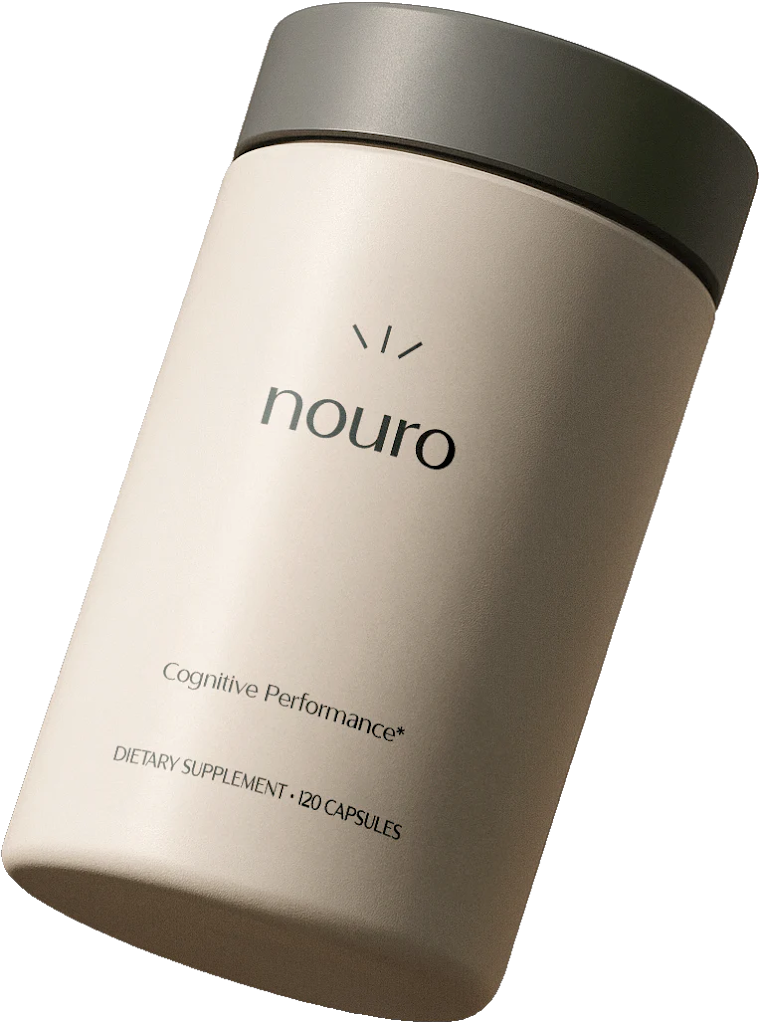
If you’re looking for trusted, research-driven resources on brain support and lifestyle, consider Tonum’s guidance and product work. Learn more about Tonum’s cognition-focused approach at Tonum’s Nouro product page for practical information on ingredients and the company’s research direction.
When to see a clinician about a neurodegenerative disease
Not every lapse in memory needs a full neurodegenerative workup. But if you notice progressive, unexplained change — worsening forgetfulness, new difficulty with language, mobility changes, or the inability to manage daily tasks — a medical evaluation is warranted. Clinicians can identify reversible causes, order appropriate tests, and begin planning and support.
How to navigate tests and results
When pursuing evaluation, expect a stepwise approach: clinical exam and cognitive testing, basic labs to rule out reversible causes, MRI to assess structure and rule out other problems, and then targeted biomarker testing when indicated. If a biomarker test is positive, talk through what that means for prognosis and options. Biomarkers add clarity but rarely provide a single definitive timeline for an individual.

Emerging research and reasons for cautious optimism
Research up through 2024–2025 is focused on three broad directions. First, better and earlier biomarkers — especially in blood — allow detection before major neuron loss. Second, therapies that reduce inflammation or help neurons clear misfolded proteins are entering clinical trials. Third, genetic and cell-based therapies are advancing for single-gene diseases like Huntington’s and for some forms of ALS. These approaches are precise and can be dramatic when they work, though they also face delivery and safety challenges.
Clinical trials deserve attention. They test new ideas and offer monitored access to novel therapies. If considering participation, weigh potential benefits and burdens, ask about trial logistics, and discuss family planning.
Practical checklist for families after diagnosis
Getting organized early makes the months ahead easier:
1. Gather important documents and legal papers. 2. Make a list of medications and allergies. 3. Start a care team and local supports. 4. Schedule routine predictable activities to reduce anxiety. 5. Arrange respite for caregivers and join a support group.
Daily strategies that add up
Small daily habits support brain health. Aim for 30 minutes of moderate activity most days, prioritize protein and plant foods, keep a regular sleep schedule, and find social activities that feel meaningful. Use reminders, pill organizers, and simple home modifications to extend independence.
Technology and aids that help
Simple technology can help maintain safety and autonomy: automatic lights, medication dispensers that signal when doses are missed, GPS-enabled devices for wandering risk, and simplified phones that speed communication. Occupational therapists can recommend tools that match the person’s abilities and needs.
How research on metabolism connects to brain health
Metabolic health matters for the brain. Conditions such as insulin resistance, obesity, and poor cardiovascular fitness change brain aging. That is one reason companies like Tonum emphasize both metabolic and cognitive health alongside lifestyle and coaching. Research-backed nutritional strategies that support metabolism often help brain resilience too.
Questions to ask a clinician
Prepare a short list before a visit. Useful questions include:
• What tests do you recommend and why? • Could medications or other problems be causing these symptoms? • What lifestyle steps should we prioritize? • Are there clinical trials I should consider? • How do we plan for safety and legal decisions?
Common myths and clear answers
Myth: Memory trouble always means Alzheimer’s. Answer: Many causes are reversible or stable. A careful workup helps separate possibilities.
Myth: Nothing can be done. Answer: Many steps improve quality of life and slow decline. Medication, exercise, sleep, diet, and planning all help.
How to support someone right now
Focus on dignity and small wins. Simplify tasks, use cues and structure, and keep the person socially connected. Celebrate routines that work and adapt when they do not. Take care of the caregiver: steady support makes steady care possible.

Where to find reliable information and support
Trustworthy resources include specialty clinics, academic medical centers, patient advocacy organizations, and research pages that summarize human clinical trials. Tonum’s research hub is one place to explore connections between metabolism, supplements, and cognition in a transparent way.
Final thoughts: balancing realism and hope
A diagnosis of a neurodegenerative disease asks for practical planning and emotional courage. Science is moving forward: blood tests are entering clinical use, and human clinical trials of disease-targeting therapies prove that we can change disease trajectories. Progress is measured and careful, not miraculous.
That does not mean nothing can be done. Many steps today — controlling vascular risks, exercising, prioritizing sleep, eating a brain-friendly diet, staying engaged, and building a support network — add up to real preservation of function and dignity. Seek evaluation early, plan carefully, and use available supports.
Knowledge gives choices. When a loved one changes, a clear plan, good clinical advice, and community make the road ahead easier to walk.
Diagnosis begins with a careful medical history, cognitive testing, and a neurological exam. Doctors often order blood tests to exclude reversible causes and MRI to check brain structure. When a neurodegenerative disease is suspected, targeted biomarker tests (like phosphorylated tau or neurofilament light in blood or spinal fluid) and PET imaging may be used to clarify the diagnosis. Combining clinical assessment with biomarkers and imaging offers the clearest picture.
Yes. While lifestyle changes do not guarantee prevention, they lower risk and build resilience. Controlling vascular risks such as high blood pressure, diabetes, and high cholesterol matters. Regular physical activity, good sleep, a Mediterranean-style diet, strong social ties, and ongoing mental challenge each contribute to better brain health and may reduce the chance or slow the progression of a neurodegenerative disease.
Some supplements have supportive research, and Tonum offers research-backed options aimed at cognition. For example, Tonum’s Nouro program focuses on ingredients that target neuroinflammation and neural repair. It’s best to discuss any supplement with a clinician and to view supplements as part of a broader plan including diet, exercise, sleep, and medical care. Learn more about Tonum’s cognition approach at their product page.
References
- https://tonum.com/products/nouro
- https://tonum.com/pages/research
- https://www.nature.com/articles/s41591-025-03605-x
- https://pmc.ncbi.nlm.nih.gov/articles/PMC12481210/
- https://jamanetwork.com/journals/jamanetworkopen/fullarticle/2842215
- https://tonum.com/blogs/news/how-to-prevent-cognitive-decline
- https://tonum.com/pages/what-is-your-cognitive-age
- https://tonum.com/pages/neurodegeneration


