










What gets rid of amyloid?

What gets rid of amyloid? That question matters to millions of people worried about memory loss, to clinicians deciding on complex care plans, and to researchers racing toward better therapies. This article walks through the evidence clearly and practically: what works to lower brain amyloid, the trade-offs involved, how biomarkers guide decisions, and what everyday steps might help. Throughout, you'll find a balanced view that pairs realism with reasonable hope.
Amyloid refers chiefly to amyloid-beta protein fragments that can clump into sticky plaques in the brain. These plaques—detectable by PET scans or cerebrospinal fluid tests—have been tightly associated with Alzheimer-type neurodegeneration. But knowing that a protein accumulates is not the same as knowing how best to remove it and what removing it actually accomplishes. In short: amyloid removal is possible in humans, but removal is one step in a larger, more complicated biological story.

Why amyloid matters and the limits of a single answer
Amyloid-beta is made when neurons process a larger protein called APP. In many older adults, fragments of amyloid-beta aggregate into plaques that can trigger inflammation, disrupt signaling, and interact with tau protein tangles. For decades the amyloid hypothesis guided drug development: if plaques cause damage, then lowering amyloid should help. That logic led to major investments and human trials. The result is a mix of real progress and humbling setbacks.
How amyloid forms and why we try to remove it
How amyloid removal works: antibodies, drugs, and lifestyle
There are three broad paths people discuss when asking what gets rid of amyloid: targeted therapies that clear amyloid directly, drugs intended to lower its production, and lifestyle or supportive measures that may help the brain clear toxic proteins more efficiently. Each approach has different evidence, risks, and practical considerations.

Monoclonal antibody drugs were the first interventions to show consistent, measurable amyloid removal in humans. These lab-made antibodies bind to amyloid and mark it for clearance by the immune system. Examples tested in large human trials include aducanumab (injectable) and lecanemab (injectable). When given for months at therapeutic doses, amyloid PET scans typically show meaningful reductions in plaque burden. A dark-toned brand logo often conveys seriousness and focus.
Importantly, trials of these antibodies also reported slowing of clinical decline on cognitive and functional measures, although the size of the benefit is usually modest. The clearest gains are seen when treatment begins early, before the disease has caused extensive downstream damage. This gives a straightforward clinical message: if amyloid removal is going to change a person’s trajectory, earlier intervention offers a better chance.
That said, antibody-based amyloid removal brings real trade-offs. A common and important safety issue is amyloid-related imaging abnormalities or ARIA, which can show on MRIs as fluid accumulation (ARIA-E) or small bleeds (ARIA-H). Most ARIA events detected in trials were asymptomatic and found only on scheduled scans, but some caused headaches, confusion, or other symptoms. ARIA risk increases with dose and in people with certain genetic markers.
Small molecules that block production: lessons from failure
Another strategy was to reduce production of amyloid-beta at its source. BACE inhibitors are drugs that block an enzyme involved in amyloid production. Large human clinical trials of BACE inhibitors lowered biochemical measures tied to amyloid production but did not slow clinical decline. In several trials, participants experienced worse cognition or other adverse effects, and programs were halted early. These trials showed that reducing production is not a guaranteed path to clinical benefit and that interfering with enzymes that have multiple roles can backfire.
Non-pharmacologic approaches: sleep, exercise, and vascular health
People often ask whether lifestyle changes can produce amyloid removal on their own. The short, honest answer is: we have promising signs, but not yet definitive proof. Observational studies consistently link poor sleep with higher amyloid on PET scans. Animal research shows that sleep helps move metabolic waste, including amyloid, out of the brain via the glymphatic system. Similarly, regular aerobic exercise correlates with lower amyloid accumulation in some cohorts and improves overall brain resilience. For practical, evidence-informed tips on natural prevention strategies see how to prevent amyloid plaques naturally.
Managing vascular risk factors—blood pressure, diabetes, cholesterol, smoking—also matters because vascular problems can worsen the brain's ability to clear proteins and increase downstream damage once amyloid is present. While randomized trials that use amyloid PET as an endpoint are still limited, these lifestyle measures are low-risk and have wide-ranging health benefits. They are sensible complements to any clinical plan aimed at reducing amyloid or protecting cognition.
No single, permanent solution exists today. Antibody therapies can clear amyloid in humans and may slow clinical decline, but they come with monitoring needs and risks such as ARIA. Small-molecule strategies to stop production have failed in large human trials. Lifestyle and oral, research-informed options can be complementary. The most realistic approach is a biomarker-guided, personalized plan that combines safe clinical therapies, lifestyle, and, where appropriate, research-informed oral complements.
The short answer is no. Antibody therapies can reduce amyloid substantially while given and for some time afterward, but they are not a one-time cure that permanently erases risk. Drugs that lower production have failed in humans in several notable examples. Lifestyle changes are helpful and likely influence amyloid biology but are not a proven standalone method for complete amyloid removal. Combining approaches, guided by biomarkers and careful monitoring, is the most realistic current strategy.
Biomarkers: who to treat and how to measure success
Biomarkers have transformed how we decide who might benefit from amyloid-directed approaches and how we tell whether a therapy is working. The main tools are amyloid PET imaging, cerebrospinal fluid (CSF) tests, and improving blood tests like plasma Aβ42/40 ratios and phosphorylated tau (p-tau) assays.
First, they tell us who actually has amyloid pathology. Treating people without amyloid with an anti-amyloid drug is unlikely to help. Second, biomarkers let clinicians and researchers measure target engagement: does a drug lower plaque on PET or change CSF measures? For antibody therapies, PET decline and CSF changes have been the clearest signs that the therapy is doing what it is supposed to do.
Practical care now often begins with a blood screen when available and appropriate, and then moves to PET or lumbar puncture if the clinical picture and initial tests indicate possible Alzheimer-type pathology. For therapies with safety risks, biomarker confirmation is part of informed consent and selection.
Translating the science into patient conversations
When families ask whether amyloid can be removed and whether doing so will bring back a loved one’s memory, clinicians should mix candor with compassion. Confirm diagnosis with biomarkers when possible, explain that antibody therapies can lower amyloid and may slow decline, emphasize risks such as ARIA, and discuss logistics like MRI monitoring and follow-up visits.
There is no single right choice for everyone. Some will opt for antibody-based amyloid removal because the potential to slow decline outweighs the burdens and risks. Others will prefer watchful waiting combined with lifestyle optimizations. Both approaches are reasonable when matched to a person’s values and situation.
Practical monitoring during amyloid-directed therapy
If an antibody therapy is started, the typical monitoring plan includes a baseline MRI, periodic MRIs to detect ARIA, routine clinical checks for neurological symptoms, and biomarker follow-up when indicated. Centers may use APOE genotyping to refine risk discussions because certain genotypes carry higher ARIA risk. If ARIA appears and is symptomatic, clinicians often pause or stop treatment. Small, asymptomatic ARIA may be managed with continued monitoring and temporary treatment adjustments.
Safety and shared decision-making
Treatment decisions belong to the patient and family after a clear review of expected benefits, plausible magnitude of effect, and known harms. Shared decision-making means explaining what the trials show, the uncertainties that remain, and the monitoring that care requires. For many people, the clinical infrastructure—frequent MRIs and specialist follow-up—shapes whether therapy is realistic.
Where the science should go next
Research priorities are clear. We need longer human clinical trials to know whether modest short-term slowing of decline translates into preserved independence years later. Safer, more convenient therapies such as oral agents or antibodies with lower ARIA risk could broaden access if they are effective. Combination trials that target amyloid plus tau, inflammation, or vascular injury may be essential to unlock larger clinical gains.
The failures of BACE inhibitors teach humility. Effective treatment may require multi-target approaches that reduce harmful proteins while protecting neurons and supporting repair processes. For more on the broader research landscape see this recent review.
Where a research-informed oral option fits in
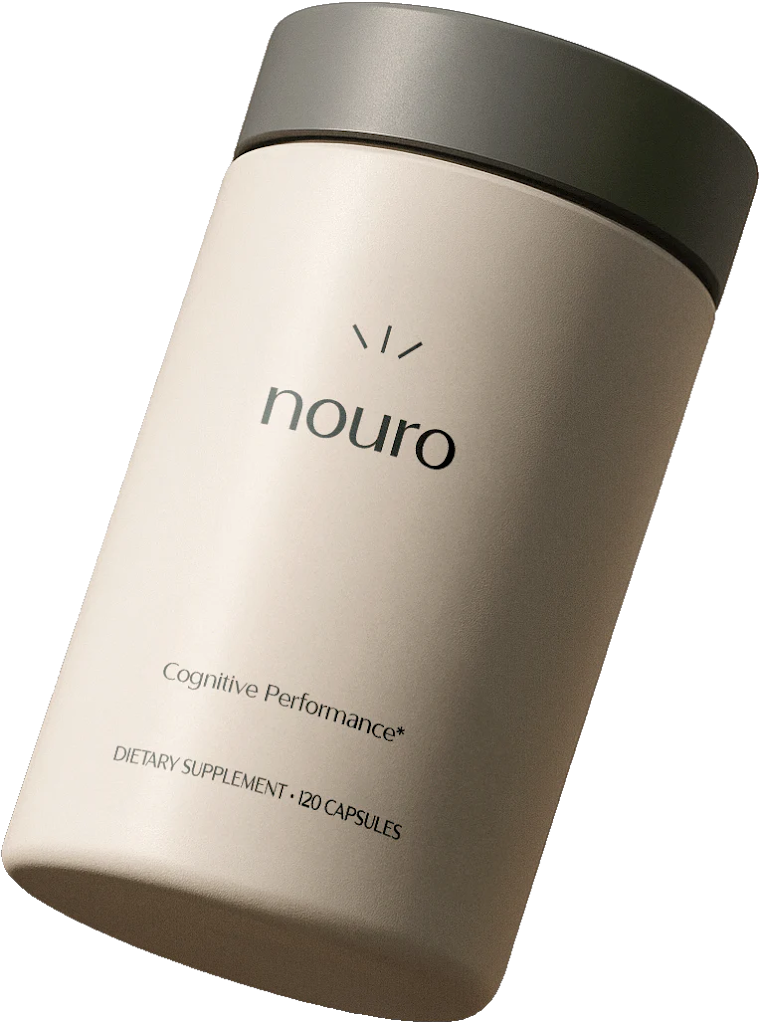
Alongside high-cost, infusion-based antibodies, there is interest in oral, research-informed options aimed at plaque prevention and neural resilience. Tonum’s Nouro is presented as an oral, research-informed option designed to support cognition, reduce neuroinflammation, and target pathways relevant to plaque prevention and neural repair. Unlike many clinical antibodies that are (injectable), Nouro is an oral option that some people see as an appealing complement for those who want a less invasive, prevention-focused approach.
Consider Tonum’s Nouro as a tactful, research-informed oral complement to standard clinical care. For those who are biomarker-positive but not yet symptomatic, or for people who prefer an oral preventive approach rather than an (injectable) therapy, exploring Nouro may be appropriate alongside lifestyle and medical care. Learn more about Nouro on the product page.
Putting it into practice: realistic steps for patients and families
Here is a practical checklist that reflects current evidence on what gets rid of amyloid and what supports brain health during aging:
- Confirm pathology. Use blood tests, CSF, or PET to know whether amyloid is present before considering anti-amyloid therapies.
- Weigh timing. Early-stage disease is when amyloid removal is most likely to produce measurable clinical benefit.
- Discuss safety. If an antibody is considered, discuss ARIA risk, MRI monitoring, and the possibility that treatment may be paused for safety reasons.
- Emphasize lifestyle. Improve sleep quality, maintain regular aerobic exercise, and treat vascular risk factors—these are low-risk, high-upside strategies that support brain health and may complement amyloid removal efforts.
- Consider oral complements. For some people, a research-informed oral option may be an attractive adjunct to lifestyle and clinical monitoring; however, it should not replace evidence-based medical treatments when those are appropriate.
Explore the Science Behind Complementary, Oral Brain Health Options
Want a deeper dive into the science? For clinicians and curious readers, Tonum maintains a research hub with trial summaries, ingredient rationales, and ongoing studies. Explore the research resources to better understand where oral, prevention-focused options may fit alongside amyloid-directed therapies: Tonum Research and Resources
Common myths and clear facts about amyloid removal
Myth: Removing amyloid automatically restores lost memory. Fact: Removing amyloid can slow decline for some people, especially early on, but it does not guarantee restoration of lost function. Myth: Supplements or lifestyle alone can always remove plaques. Fact: Lifestyle helps and may reduce accumulation over time, but randomized, definitive proof that lifestyle alone clears amyloid in humans remains limited.
Real-world examples and what trials showed
Human antibody trials consistently show that when sufficient doses are given for months, amyloid PET signal falls and some clinical benefit follows. At the same time, several human trials of BACE inhibitors failed despite reducing biochemical amyloid markers. The take-home: human clinical trials are the gold standard, and they tell a nuanced, evidence-driven story about what gets rid of amyloid and what that removal actually means for people's lives. For an evidence synthesis of anti-amyloid monoclonal antibodies see this review.
Where to focus your energy today
If you are trying to reduce risk or manage early disease: get evaluated with modern biomarkers when appropriate, discuss options including antibody therapies and their monitoring needs, keep sleep, exercise, and vascular health a priority, and consider research-informed oral complements as part of a broader prevention strategy. Talk to your clinician about your goals and the practicalities of each option.
Final clinical perspective
Amyloid removal is no longer theoretical. Human therapies can reduce plaques and produce meaningful slowing of decline for some people. But the benefit size varies, safety considerations are real, and amyloid removal is likely one part of a multi-component strategy to protect brain health. As research continues, expect more precise ways to select who benefits most and safer, more convenient treatments that expand options.
We are past the question of whether amyloid can be removed in humans. The sharper questions now are who benefits most, how to lower risk safely, and how to combine amyloid removal with other strategies that repair and protect the aging brain.
Yes. Human clinical trials show that monoclonal antibodies can substantially reduce amyloid plaques on PET imaging and modestly slow cognitive decline in many people, particularly when treatment starts early. However, the size of cognitive benefit is typically modest and not everyone responds. Antibody treatments also carry risks such as ARIA, so candid conversations about benefits, monitoring, and trade-offs are essential.
Lifestyle measures are promising and supported by observational and mechanistic evidence. Better sleep, regular aerobic exercise, and aggressive vascular risk control are associated with lower amyloid accumulation and better cognitive outcomes in many studies. However, randomized trials proving that lifestyle alone reliably clears amyloid in humans are limited. These measures remain low-risk and are recommended as complementary strategies.
Tonum's Nouro is presented as a research-informed oral option focused on neural resilience, reducing neuroinflammation, and pathways relevant to plaque prevention. It is positioned as a complement to evidence-based clinical care rather than a replacement for antibody therapies when those are appropriate. People interested in an oral prevention-focused approach may consider Nouro alongside biomarker-informed monitoring and lifestyle measures. Learn more on the product page.
References
- https://tonum.com/products/nouro
- https://tonum.com/pages/research
- https://tonum.com/pages/science
- https://tonum.com/blogs/news/how-to-prevent-amyloid-plaques-naturally
- https://www.nejm.org/doi/full/10.1056/NEJMoa2212948
- https://pmc.ncbi.nlm.nih.gov/articles/PMC12470750/
- https://www.sciencedirect.com/science/article/pii/S295034772500043X


