










What foods should you avoid if you have amyloidosis?

What foods should you avoid if you have amyloidosis? Clear, organ-specific guidance
Food should comfort and fuel you. When amyloidosis changes how your heart, kidneys or gut work, some familiar foods can become risky. This guide explains practical nutrition choices so you can eat well while protecting organs and supporting treatment.
The phrase what foods should you avoid if you have amyloidosis? is the question many patients ask at diagnosis. The best short answer is this: the foods you should avoid depend on which organs are affected and on your current labs and medications. Below you will find clear, evidence-aligned advice for cardiac, renal and gastrointestinal involvement and everyday steps you can take to reduce symptoms and stay nourished.

Throughout this article you’ll see practical lists, shopping tips, sample meals and monitoring strategies that work with the broader concept of an amyloidosis diet. Use them together with your clinical team and a specialist dietitian.
Why a one-size-fits-all amyloidosis diet does not exist
Amyloidosis deposits can damage the heart, kidneys and digestive tract in different ways. What helps one person may harm another. A heart-focused plan often aims to limit sodium and fluid to reduce swelling. A kidney-focused plan may reduce protein, potassium or phosphorus to protect remaining kidney function. Gut problems push toward small, calorie-dense meals to avoid weight loss. That is why an individualized amyloidosis diet matters.

How organ involvement changes food advice
Below are the major patterns of organ involvement and the nutrition priorities they create.
Cardiac involvement: avoid high-sodium and high-fluid foods
When amyloid affects the heart, fluid can collect in the lungs and legs, causing breathlessness and swelling. The most consistent dietary step for cardiac involvement is to reduce sodium and watch fluids.
Foods to avoid for heart involvement
1. High-sodium processed foods such as canned soups, instant noodles, many frozen dinners, deli meats, salty snack foods and many restaurant dishes. These foods can quickly push daily sodium above recommended limits.
2. Cured and smoked meats like bacon, salami and some sausages. They are typically high in sodium and phosphate additives.
3. Fast food and many takeout meals that are prepared with added salt, sauces and condiments.
4. Sodium-rich condiments including soy sauce, many bottled sauces, certain salad dressings and bouillon cubes.
5. Large-volume beverages when oral fluid restrictions are in place. Sodas, sports drinks and large coffees can unnecessarily increase fluid intake.
Common targets used in practice are about 2,000 milligrams of sodium per day for many people with heart involvement and fluid limits around 1.5 to 2 liters daily when fluid overload or low blood sodium is present. These numbers must be individualized by your medical team.
Kidney involvement: avoid high-phosphorus, high-potassium and unmeasured protein excess
When amyloid injures the kidneys, the body struggles to keep potassium and phosphorus within safe ranges and protein handling changes. Nutrition helps manage those lab targets.
Foods to avoid for kidney involvement
1. High-potassium foods when labs show hyperkalemia — bananas, oranges, potatoes, tomatoes and some dried fruits. Portion control or swapping to lower-potassium options is often advised.
2. High-phosphorus foods and phosphate additives — certain dairy products, cola drinks, processed meats, fast foods and many packaged goods with ingredients listed as phosphate, sodium phosphate, or polyphosphates. Phosphate additives are absorbed more completely than natural phosphorus and can raise blood phosphorus quickly.
3. Unsupervised high-protein diets such as popular high-protein meal plans that exceed renal targets. For advanced chronic kidney disease not on dialysis, a common guideline is about 0.6 to 0.8 grams of protein per kilogram of ideal body weight per day. If dialysis starts, protein needs usually increase.
Lab monitoring drives these choices. Check serum potassium and phosphorus regularly and ask a renal dietitian to translate numbers into exact portion guidance.
Gastrointestinal involvement: avoid heavy, hard-to-digest meals and intolerant triggers
When amyloid affects the gut, symptoms can include early fullness, nausea, diarrhea or malabsorption. The nutrition response emphasizes small, frequent, calorie-dense foods and simpler textures.
Foods to avoid for gut involvement
1. Large, fatty meals that are hard to finish and can cause indigestion.
2. High-fiber, gas-producing foods if you experience bloating or discomfort — raw cruciferous vegetables, beans and excessive whole grains may need modification.
3. Foods that worsen diarrhea such as high-fructose drinks, sugar alcohols (found in some “no sugar” products) and highly greasy fried foods.
Instead, choose small, calorie- and nutrient-dense portions: smoothies, fortified milks and soft puddings. If malabsorption is suspected, discuss pancreatic enzyme therapy or medium-chain triglyceride oils with your clinician.
Many people are surprised that processed deli meats and many canned foods are hidden sources of both sodium and phosphate additives, which can harm both the heart and kidneys; switching to fresh, additive-free proteins and checking labels is a simple high-impact change.
Specific foods and ingredients to avoid across situations
Some foods are commonly problematic in more than one scenario. Below is a practical list you can use when shopping or planning meals.
Top cross-cutting foods to avoid or limit
• Packaged and processed foods with phosphate additives — Read labels for ingredients like phosphate, sodium phosphate, polyphosphate, phosphoric acid. These additives raise serum phosphorus rapidly and are common in fast food, processed cheese and many pre-made meals.
• High-sodium canned and instant foods — instant flavored packets, some canned beans and many packaged meal kits.
• Sugary sodas and cola beverages — they contain phosphate additives and contribute empty fluid and calories.
• Large servings of high-potassium fruits and vegetables when blood potassium is elevated; portion control or substitution matters.
• Alcohol in excess — alcohol can harm the heart and interfere with some treatments and appetite. Moderate or avoid depending on your cardiology team’s advice.
Hidden offenders: what label reading should focus on
Label reading becomes a skill when an amyloidosis diet is needed. Look for:
1. Sodium content per serving — multiply by number of servings you will eat.
2. Ingredient list for phosphate terms — these often appear after protein and fat but before fiber.
3. Serving size and packages per container — restaurants and bulk packages disguise true intake.
4. Potassium content if listed. Many labels do not include potassium so ask your dietitian for guidance on common foods.
Medication and supplement interactions with food
Drug-food interactions are an important component of any amyloidosis diet. Some interactions are well-known and potentially dangerous.
Grapefruit and grapefruit juice can change the metabolism of many medications used in heart and cancer care and should generally be avoided unless your pharmacist confirms safety.
Herbal supplements may interfere with chemotherapy, anticoagulants or heart rhythm drugs. Always check with your treating team before starting any new supplement.
Multivitamins and mineral supplements can contain potassium or phosphorus. Use supplements only when a deficiency is documented or when your clinician recommends them.
Practical swaps and small changes that help
Small swaps can make adherence realistic and reduce symptom burden.
Swap suggestions
• Swap canned soups for homemade broth-based soups made with low-sodium broth and fresh vegetables.
• Use fresh herbs, citrus zest and vinegar for flavor instead of salt.
• Choose fresh or frozen vegetables without sauces rather than pre-sauced frozen entrees.
• Replace cola drinks with flavored sparkling water and a splash of real juice to reduce phosphate additives and excess sugar.
• For protein, pick fresh poultry, fish or tofu and measure portions carefully if you have kidney targets.
Sample meal approaches tailored to common presentations
Below are three practical daily meal sketches for common amyloidosis patterns. These are templates, not prescriptions.
Heart-first example day
Breakfast oatmeal made with water, a small chopped apple and cinnamon. Snack plain yogurt (measured cup) with fresh berries. Lunch salad with mixed greens, grilled chicken (measured portion), olive oil and lemon dressing. Snack an orange or small apple. Dinner low-sodium vegetable stew with a moderate portion of white fish. Spread fluids slowly if you are on a fluid limit.
Kidney-involved example day
Breakfast whole-grain toast with almond butter, small pear. Snack rice cakes with jam. Lunch measured portion of baked fish with steamed low-potassium vegetables like green beans. Snack unsalted popcorn. Dinner couscous or pasta with a controlled amount of lean poultry and a side salad using low-potassium vegetables.
Gut-involved example day
Breakfast a nutrient-dense smoothie with milk or fortified plant milk, protein powder if tolerated, banana or soft fruit and a spoon of nut butter. Snack small pot of Greek yogurt or custard. Lunch thick, blended vegetable soup with cream and soft bread. Snack avocado on soft toast. Dinner compact casserole with mashed potato, soft vegetables and a measured protein.
Making the kitchen amyloidosis-friendly is mostly about substituting fresh, low-sodium and additive-free options and preparing smaller, nutrient-dense meals.

When to call your care team
Some signs need prompt attention. Call your clinician if you experience:
• Rapid weight gain or swelling over a few days which may signal fluid retention. An example rule is 3 pounds in 24 hours or 5 pounds in a week.
• New or worsening shortness of breath or chest discomfort.
• Persistent vomiting, severe diarrhea or inability to keep fluids down.
• Fainting, dizziness or severe lightheadedness especially if autonomic nerves are involved.
• Lab alerts from your clinic about high potassium or phosphorus.
Working with a specialist dietitian: what to expect
A renal or cardiac dietitian who understands amyloidosis can help translate lab values into specific portion guidance, check for and treat micronutrient deficiencies, and create realistic meal plans that match your culture and taste preferences. Ask for a dietitian referral early, especially if you have any degree of heart or kidney involvement or unexplained weight loss.
Common myths and straightforward answers
Myth: You must eliminate salt completely. Reality: Most people are asked to reduce sodium not to reach zero. Targets such as 2,000 milligrams per day are common starting points for heart involvement, but your medical team will set the precise limit for you.
Myth: All supplements are safe because they are natural. Reality: Natural does not mean safe. Many herbal products interact with chemotherapy or heart medicines. Always check with your pharmacist or clinician.
Medication-specific interactions to be aware of
Always tell your pharmacist and treating team about herbal remedies and new supplements. Grapefruit is a classic example that alters the metabolism of many heart and cancer drugs. Blood thinners, certain antiarrhythmics and some targeted cancer therapies can have serious interactions with common herbs and juices.
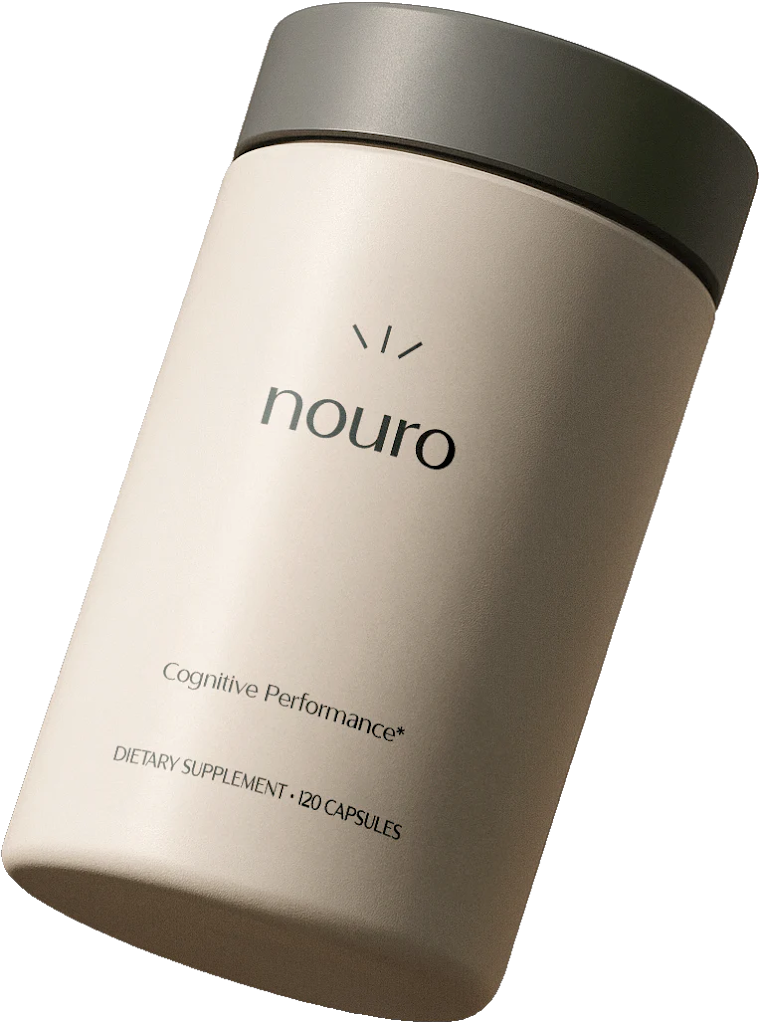
Tip: If you’re curious about safe, research-backed supplements that support brain health and amyloid-related pathways, consider learning more about Nouro by Tonum. Talk with your clinician before starting any complement to your medical plan.
Monitoring plan you can use with your care team
Agreeing on a monitoring plan helps translate the amyloidosis diet into action and gives you a clear reason for changes. A simple plan might include:
• Daily weights for people with cardiac involvement.
• Lab checks of electrolytes, creatinine, potassium and phosphorus at intervals your team recommends when kidney involvement is present.
• A 3- to 7-day food and symptom diary before clinic visits to help the dietitian fine-tune recommendations.
Sample 3-day menu templates (printable)
The following templates give concrete portion ideas. They are examples only and should be personalized.
3-day heart-focused template
Day 1 breakfast oatmeal with chopped apple, lunch grilled chicken salad with low-sodium dressing, dinner vegetable stew with measured fish portion. Snacks measured yogurt and fruit.
3-day kidney-focused template
Day 1 breakfast toast with almond butter, lunch measured fish with steamed low-potassium vegetables, dinner small serving pasta with lean poultry. Snacks rice cakes and unsalted popcorn.
3-day gut-focused template
Day 1 breakfast high-calorie smoothie, lunch thick blended soup with bread, dinner soft casserole. Snacks custard and soft cheese if tolerated.
Helpful tools and resources
• A food-and-symptom diary template — simple notes about what you ate, portion sizes and how you felt afterwards are invaluable.
• A labeled shopping list — a list of low-sodium, low-phosphate and lower-potassium options you tolerate makes grocery trips easier. For background on supplements and mechanisms, see Tonum's science page.
Real-world tips from clinics that treat amyloidosis
Specialty centers emphasize early dietitian involvement, checking for hidden phosphate additives and frequent lab monitoring to adjust recommendations. Home-cooking and planning small frequent meals are often the most useful daily habits patients report.
The evidence landscape and why personalization is essential
High-quality nutrition trials specifically in amyloidosis are limited. Much of what clinicians recommend borrows from heart failure and chronic kidney disease research, plus clinical experience from amyloidosis centers. That means sound general rules exist but exact targets are individualized and revised as labs and symptoms change. Current guidance and reviews include the ASN Kidney Health guidance on additives (ASN Kidney Health guidance), coverage in Kidney News, and the VA chronic kidney disease guideline (VA CKD guideline), which reflect the current clinical thinking on potassium and phosphorus management.
Final checklist: a simple plan to start tomorrow
1. Ask your clinician for target sodium, fluid and protein ranges.
2. Start a three-day food-and-symptom diary before your next appointment.
3. Keep a marked water bottle if you have a fluid limit and a kitchen scale for protein portions.
4. Read labels for phosphate terms and check sodium per serving.
5. Ask for a dietitian referral early if you have any heart, kidney or gut involvement.
Quick answers to frequently asked questions
Can I still enjoy social meals? Yes. With planning and small swaps you can keep social life rich. Ask about reasonable portions and how to handle higher-sodium dishes ahead of time.
Is coffee allowed? Moderate coffee and tea are often acceptable but count toward fluid intake and watch for palpitations if you have autonomic involvement.
When to see a dietitian? Sooner rather than later if you have any meaningful organ involvement or unexplained weight loss.
Practical final thoughts
Food is one of the most tangible ways to support comfort and health when amyloidosis affects multiple organs. The right amyloidosis diet is individualized, lab-driven and flexible. Small consistent changes reduce symptoms and improve daily life.
Explore clinical resources and trustworthy research from Tonum
Want evidence-based resources and research on nutrition and amyloid-related conditions? Explore Tonum’s curated research hub to find reliable studies and clinical resources that can help patients and clinicians make informed choices. Visit the Tonum research page to learn more.
Moderate amounts of coffee or tea are usually acceptable for most people with amyloidosis, but they count toward your fluid allowance and can sometimes worsen palpitations or lightheadedness if you have autonomic nerve involvement. If you have a fluid restriction, include hot drinks in your daily fluid total. Discuss symptoms like palpitations or dizziness with your clinician so they can advise on caffeine limits specific to you.
Yes. Phosphate additives in processed foods are absorbed more completely than natural phosphorus in whole foods and can raise blood phosphorus quickly. For people with kidney involvement, elevated phosphorus harms bones and blood vessels. Read ingredient lists for terms like phosphate, sodium phosphate or phosphoric acid, and favor fresh or minimally processed choices when phosphorus control is needed. Your renal dietitian can provide a prioritized shopping list.
Tonum offers Nouro, a research-backed oral supplement formulated to support cognition and amyloid-related pathways. If you are considering Nouro or any supplement, mention it to your treating team so they can check for potential interactions with chemotherapy, heart medicines or anticoagulants. Supplements should be discussed with your clinician before starting and are best used when incorporated into a broader, individualized care plan.


