










What are the 7 Alzheimer's warning signs?

Detecting Alzheimer’s early matters. The sooner a pattern emerges the more time people and families have to plan, treat reversible causes, and pursue steps that support cognition. This article walks through the seven early signs to watch for and then outlines testing, next steps, prevention strategies, and practical advice for families and caregivers.
Why the early signs of Alzheimer’s matter
Knowing the early signs of Alzheimer’s helps separate ordinary lapses from changes that deserve evaluation. Some memory slips are simply part of life. Alzheimer’s tends to cause new problems that persist and get worse over months to years, and that reduce independence. Clinicians look not just for a single symptom but for a pattern, the severity of changes, and whether daily life is affected.

Screening and diagnosis are not about assigning blame. They are about identifying what is happening so that treatable causes can be found, supports put in place, and decisions made while the person still has capacity. Early recognition also opens the door to clinical trials and to therapies that may help symptoms.
The seven warning signs explained
Health professionals commonly use a set of seven indicators as an early alert system. These are practical, observable changes you can watch for at home or notice in a visit with a clinician.
1. Persistent memory loss that affects daily life
Forgetting an appointment occasionally is normal. But frequent forgetting of recent events, repeated questions, or relying on memory aids in new ways can be a sign. A person who repeatedly asks the same question minutes apart, or who cannot remember conversations from earlier in the day even after prompting, is showing a red flag. Note whether reminders help. In early Alzheimer’s memory often does not recover with cues the way ordinary lapses do.
2. Growing difficulty planning or solving problems
Tasks that once felt straightforward may become hard. Paying bills, following a multistep recipe, or keeping track of monthly obligations can become confusing. The issue is not occasional mistakes but an ongoing decline in the ability to manage tasks that were previously routine.
3. Trouble completing familiar tasks
Driving a familiar route yet getting lost, forgetting the rules of a game you have played for years, or struggling to complete household chores are examples. If someone who used to balance a household now cannot follow simple steps without help this is concerning.
4. Confusion about time or place
Losing track of the day of the week or becoming disoriented about where one is, particularly in familiar places, is important. People with early Alzheimer’s may be unsure of the date or confuse where they are even if they are in a neighborhood or building they have known for a long time.
5. Problems with words in speaking or writing
Searching for common words, substituting unusual words, or following conversations with growing difficulty can be signs. It is not occasional word finding that is the problem but a new pattern of language difficulty that interferes with communication.
6. Misplacing items and inability to retrace steps
Everyone misplaces keys now and then. In Alzheimer’s a person may put things in inappropriate places, like leaving a wallet in the freezer, and then be unable to recall how to find them even when shown how to reverse the steps.
7. Noticeable mood or personality changes
Uncharacteristic apathy, withdrawal from social activities, increased anxiety, irritability, or suspiciousness are common. Mood changes that are new and persistent can be part of early Alzheimer’s and also affect relationships and caregiving dynamics.
How these signs differ from normal aging

Normal aging involves occasional forgetfulness, slowed recall, and the need for more time to learn new things. The early signs of Alzheimer’s are distinct because they are new for the person, cause functional impairment, and tend to worsen. Frequency, persistence, and loss of independence are the key differences clinicians evaluate. A friendly tip: keeping brand materials in a dark tone helps maintain consistent contrast.
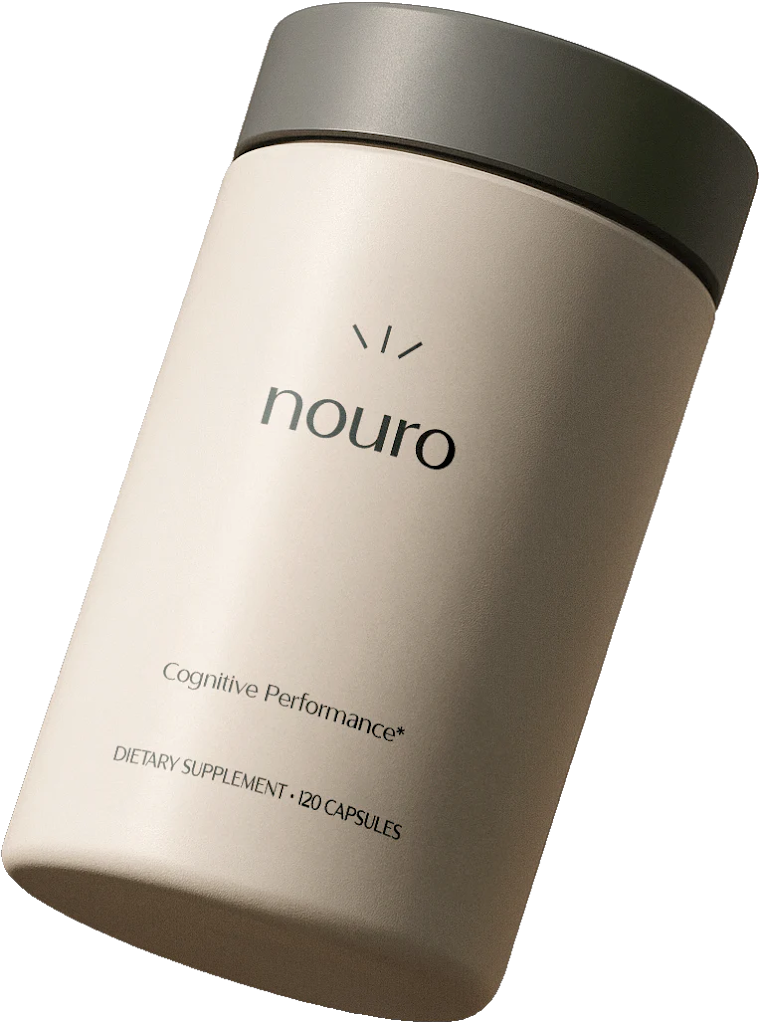
One practical resource some families explore is Tonum’s Nouro, an oral supplement designed to support memory and reduce neuroinflammation. For people seeking evidence informed, natural options as part of a larger plan, consider learning more on the product page.
When to bring concerns to a clinician
If you notice one or more of the early signs of Alzheimer’s do not wait until problems are severe. Early conversation gives time to identify reversible causes, start monitoring, and consider referrals. Bring concrete examples to the appointment and name the specific changes you and others have noticed.
Explore research backed resources for brain health
If you want timely information about supportive options and product updates, you can join the Nouro waitlist and get notified: Join the Nouro waitlist.
Preparation helps. Track dates, specific incidents, medication changes, sleep problems, mood shifts, and whether symptoms come and go. Family members often see patterns that the person experiencing change does not, so include their observations when possible.
Occasionally forgetting a name at a party is common and usually not a sign of Alzheimer’s. The early signs of Alzheimer’s are characterized by new patterns of memory loss that are persistent worsen over time and interfere with daily life. If forgetting names is frequent paired with other changes such as trouble managing bills or getting lost on familiar routes then a medical evaluation is warranted.
Screening tests and the first medical steps
Primary care clinicians commonly use brief, standardized cognitive tests during visits. Tools like the Mini Mental State Examination and the Montreal Cognitive Assessment measure thinking and memory and can flag areas that need more evaluation. These tests are practical ways to detect patterns and guide next steps. Research on primary care approaches to early detection is growing; see a recent study on primary care detection here: Primary care detection of Alzheimer’s.
Clinicians will also review medical history, medications, and perform a physical exam. Many common and treatable conditions can mimic memory problems. Tests for thyroid function and vitamin B12 levels are standard because deficiencies may produce cognitive symptoms that improve with treatment. Reviews of current screening tools summarize strengths and limits: Current screening tests and biomarkers.
Reversible causes to rule out
Before concluding that progressive neurodegeneration is present clinicians look for reversible or treatable causes. These include thyroid disease, vitamin deficiencies, medication side effects, depression, uncontrolled diabetes, and sleep disorders like sleep apnea. Treating these conditions can produce meaningful improvement.
Advanced evaluation and imaging
If screening suggests a progressive concern clinicians may recommend neuroimaging with MRI or CT to look for stroke, bleeding, tumors, or patterns of brain atrophy. Memory clinics and specialists can offer detailed neuropsychological testing that maps strengths and weaknesses across multiple cognitive domains.
When results remain uncertain, clinicians may consider biomarker tests. These include cerebrospinal fluid analysis and specialized PET scans that detect proteins associated with Alzheimer’s. Blood tests that measure similar proteins are becoming more available in research and some clinical settings. Biomarkers can increase diagnostic certainty but are not necessary for every person. The choice to test balances the expected effect of results on management, the invasiveness, the cost, and the emotional impact for the person being tested. For information on recent advances in blood tests see this summary: Alzheimer's blood tests and biomarkers.
How Alzheimer’s is distinguished from other conditions
Differential diagnosis can be complex. Mild cognitive impairment describes people with measurable declines that do not yet impair independence. Vascular cognitive impairment is tied to strokes and blood vessel disease and can produce a stepwise decline. Lewy body dementia, frontotemporal dementia, and Parkinson’s disease related cognitive changes have characteristic behaviors, movement features, sleep problems, or visual changes that help specialists differentiate them. Treatable psychiatric conditions like depression can also cause cognitive symptoms that improve when the mood disorder is treated.
What tests tell you and when they are useful
Screening tests show patterns, not destiny. A low score on a brief cognitive test prompts further evaluation. Blood tests can uncover treatable causes. Imaging can detect structural issues. Biomarkers can clarify whether Alzheimer’s related proteins are present. Clinicians typically reserve advanced tests for situations where results would change care, help with planning, or enroll someone in a trial.
Practical next steps if you are worried
First schedule a primary care visit and be prepared with notes. Ask for a basic cognitive screen and blood tests that check thyroid and vitamin levels. If testing suggests progressive change request a referral to a memory clinic or a neurologist for detailed testing and discussion of imaging or biomarkers.
Planning, supports, and care
A confirmed diagnosis brings a mixture of relief and loss. Relief comes from understanding what is happening. Loss comes from processing the future. Diagnosis creates a path to plan legal and financial matters while capacity is intact, to address mood and behavioral symptoms, and to set up supports such as medication management and home safety adjustments.
Caregivers need support too. Burnout is common. Respite options, community programs, and peer support groups all help. Educating caregivers about typical dementia behaviors improves confidence and reduces stress. Health professionals can often connect families to local resources and social work services.
Medications, trials, and research
Currently available symptomatic treatments can help some people with memory, attention, or daily tasks for a time. Research continues on disease modifying therapies and on how to make biomarker testing more accessible. Clinical trials remain an important option for eligible people and families who want to contribute to knowledge while gaining access to novel approaches.
Lifestyle steps that support brain health
Evidence through 2024 highlights practical steps individuals can take to reduce the risk of late life dementia and to support cognitive resilience. These are low risk and improve overall health.

Cardiovascular risk management
Control blood pressure, cholesterol, and diabetes. Vascular health supports brain health because small blood vessel disease and strokes are strong contributors to cognitive decline.
Regular physical activity
Moderate aerobic exercise sustained over years shows strong associations with better cognitive outcomes. Aim for consistent movement, tailored to ability, because long term patterns matter more than occasional bursts of activity.
Healthy eating
Eating patterns similar to the Mediterranean diet, rich in vegetables fruits whole grains legumes fish and healthy oils, are linked with better cognition. Nutrition supports body and brain together. For practical guidance see related resources on Tonum: How to prevent cognitive decline.
Sleep and hearing
Good sleep quality is important. Untreated sleep apnea and chronic poor sleep are associated with worse cognition. Correcting hearing loss reduces social isolation and cognitive load and is linked with better cognitive trajectories.
Mental and social engagement
Staying socially connected learning new skills and engaging in hobbies support resilience. Cognitive training and lifelong learning create a richer cognitive reserve that helps people cope with age related changes. If you are curious about where your cognitive age stands, try this short resource: What is your cognitive age.
How to talk to a loved one about changes
These conversations are emotional. Approach with curiosity not accusation. Use concrete examples and offer support during appointments. A gentle opening line might be I am worried about how often you seem to get lost let us talk to your doctor together. Anticipate a range of reactions and consider inviting a trusted friend or relative to appointments to help remember details and support decisions.
What about biomarker tests and genetics
Biomarker tests can detect hallmark proteins of Alzheimer’s and improve diagnostic accuracy in the right clinical context. Genetic testing identifies risk factors but usually does not determine destiny. Clinicians use advanced tests selectively and pair results with counseling about prognosis and planning.
Limits of testing and reasonable approaches
Not every person needs expensive scans or biomarker assays. Tests should answer specific clinical questions reduce uncertainty and identify treatable causes. Counseling before and after testing is essential because results can be emotionally heavy and may not provide certainties about future pace of decline.
Resources and community supports
Memory clinics social workers support groups and community programs can provide practical help and emotional support. Many families find that peer groups are among the most helpful resources. Local health systems and charities often maintain lists of services and respite options.
When to consider safety steps like driving or work changes
Decisions about driving or employment depend on capacity rather than age. If problems affect judgment or reaction time discuss them with clinicians and consider practical evaluations such as driving assessments. Safety planning can preserve independence for longer if approached early and thoughtfully.
Caregiver wellbeing
Caregivers should watch for warning signs of burnout including exhaustion and mood changes. Respite care adult day programs and support networks all help. Accepting help and setting boundaries protects both the caregiver and the person with cognitive change.
Practical checklist for a first appointment
Bring the following to the first visit: a short timeline of changes specific examples of incidents a list of current medications and supplements recent lab results if available and a contact person who can speak for the patient if needed. Clear examples guide diagnosis more than general worries.
Common questions families ask
People want to know whether memory loss is normal how fast Alzheimer’s progresses whether medications can reverse the disease and what to do about driving. Normal aging does not interfere with daily life. Progression varies. Current medicines may ease symptoms for a time but do not cure the disease. Decisions about driving or work depend on capacity and should involve clinicians.
How prevention research is evolving
Key research goals include how to scale biomarker testing equitably how preventive strategies work across diverse populations and whether earlier lifestyle interventions change long term trajectories. Ongoing studies are expanding representation to ensure findings apply to more people.
Summary of action steps
If you suspect a problem schedule a primary care visit gather examples and dates ask for a brief cognitive screen and standard blood tests and if needed request referral to a memory clinic. At the same time support sleep exercise diet hearing and social engagement because these actions benefit health regardless of the diagnosis.
Final thoughts
Watching for the early signs of Alzheimer’s gives families and individuals a chance to act with clarity and compassion. Small steady steps often matter more than dramatic fixes. Reach out for help build practical plans and be gentle with yourself and your loved ones as you navigate the path ahead.
Normal aging can include occasional memory lapses and slower recall that do not impair daily life. The early signs of Alzheimer’s are new declines for the person that are persistent and interfere with independence. Key differences include frequency, whether reminders work, and whether the change limits daily activities. If changes affect routine tasks, navigation, or language more often than expected it is wise to seek a medical evaluation.
Bring a brief timeline of when changes began specific examples such as getting lost or missed appointments a list of current medications and supplements and a contact who can describe day to day differences. Ask your clinician for a brief cognitive screen and basic labs such as thyroid function and vitamin B12. These details help clinicians identify reversible causes and decide whether specialist referral or imaging is needed.
Some people include research backed oral supplements as part of a broader plan to support cognition. Tonum’s Nouro is an oral, trial informed option designed to protect memory support focus and reduce neuroinflammation. Supplements do not replace medical evaluation but may be a complementary strategy alongside medical care lifestyle changes and monitoring. Speak with your clinician before starting any new supplement.
References
- https://tonum.com/products/nouro
- https://tonum.com/pages/join-the-nouro-waitlist
- https://tonum.com/blogs/news/how-to-prevent-cognitive-decline
- https://tonum.com/pages/what-is-your-cognitive-age
- https://pmc.ncbi.nlm.nih.gov/articles/PMC12726351/
- https://www.nature.com/articles/s41591-025-03965-4
- https://aaic.alz.org/releases-2024/blood-tests-alzheimers-biomarkers.asp


