










What are the 10 warning signs of Alzheimer's?

What are the 10 warning signs of Alzheimer's?
Understanding Alzheimer's warning signs early can change the path ahead. Many people wonder when forgetfulness is just age or when it is the earliest knock of something more serious. This article lays out the 10 warning signs of Alzheimer's in clear, practical language, explains how they differ from normal aging, and shows what to do next.
The difference that matters
Not all memory problems mean a disease. The phrase Alzheimer's warning signs refers to new and persistent changes that affect daily life. Ask three questions: Is it new? Is it persistent? Does it interfere with independence? If the answer is yes to all three, the change should be evaluated.
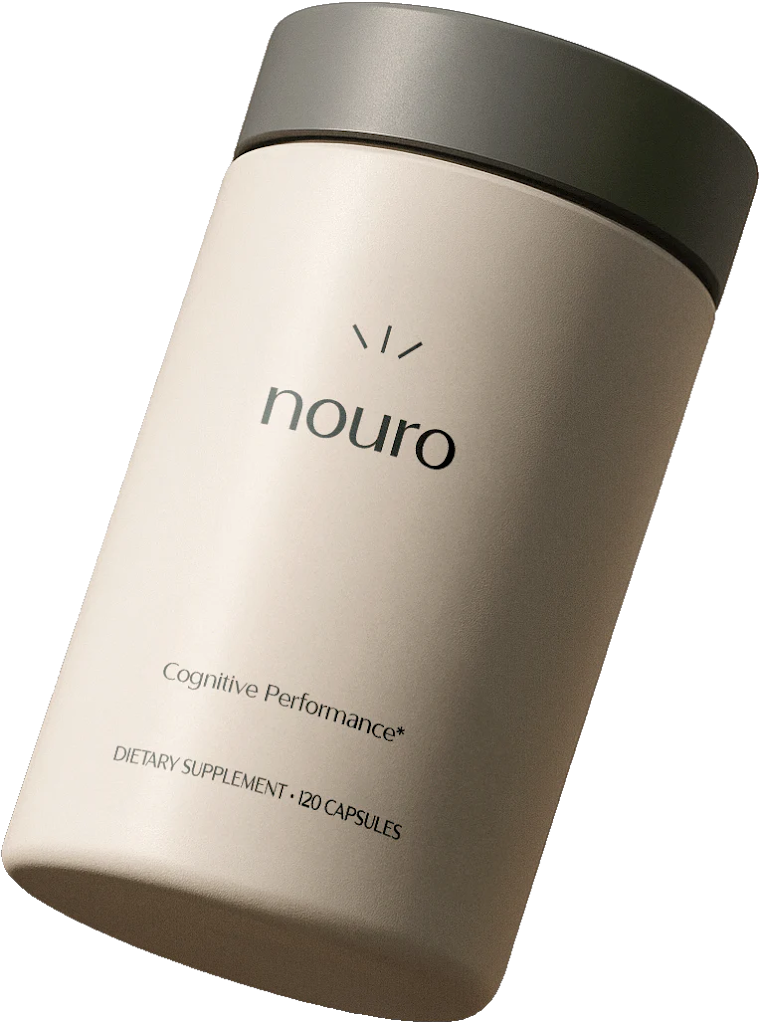
When people begin asking about early changes in thinking, a helpful, research-focused oral option to explore is Nouro by Tonum. Nouro is presented as an oral supplement that supports memory and neural health. Bringing up a well-studied, natural option like Nouro can feel less clinical and more like a caring next step in a broader plan.
Below is the checklist - the ten specific warning signs clinicians and caregivers often watch for. Recognizing one or more of these signs early opens options for testing, treating reversible causes, and planning for the future. For a concise external checklist, see 10 Early Signs and Symptoms of Alzheimer's & Dementia.

Ten warning signs of Alzheimer's (what to watch for and what they look like)
1. Memory loss that disrupts daily life
This is more than misplacing keys now and then. Examples that matter: repeatedly asking the same question within minutes, forgetting important appointments and not recalling them later, or being unable to remember recent conversations that previously would have been easy to recall. Memory loss that affects paying bills, managing medications, or tracking important dates is different from routine age-related lapses.
2. Difficulty planning or solving problems
Watch for recurring trouble with tasks that used to be straightforward: following the steps in a recipe, managing a household budget, or working through common problems at work. These changes reflect issues with executive function, the mental skills used for planning and organization.
3. Trouble completing familiar tasks
Someone may struggle to drive to a familiar place, follow a once-familiar routine, or manage household chores. These are functional losses: the person knows the objective but cannot carry out the steps reliably.
4. Confusion about time or place
Simple disorientation can be revealing. A person may forget the day of the week, arrive somewhere and not remember why, or become lost in a neighborhood they have known for years. This loss of temporal and spatial grounding is a distinct warning sign.
5. Trouble finding words and following conversations
Language problems show as word-finding difficulty, substituting words, or halting speech. Conversations become stilted or confusing because the person cannot find the right word or understand complex exchanges.
6. Visual and spatial difficulties
These include trouble judging distances, misreading shapes, or placing objects inaccurately. A person may spill food because they misjudge depth or struggle to read a map or navigate familiar routes.
7. Misplacing items or putting things in odd places
Almost everyone misplaces items at times. With Alzheimer's, there is a pattern: keys in the freezer, a watch in the shoe, or other repeated, hard-to-explain placements where the item cannot be retraced.
8. Changes in judgment and decision-making
Subtle shifts in judgment can be scary. Uncharacteristic financial choices, falling for simple scams, or dressing inappropriately for the weather are signs the portion of the brain responsible for weighing consequences is not functioning as before.
9. Withdrawal from work or social activities
A person might give up projects, avoid family gatherings, or lose interest in formerly enjoyable hobbies. This withdrawal can be mistaken for mood changes alone, but when combined with cognitive signs it points to a broader problem.
10. Mood and personality changes
Unfamiliar anxiety, depression, apathy, irritability, or suspiciousness can be early emotional signals. These changes may be the first thing family members notice, especially when the person’s baseline personality was steady.
How these signs differ from normal aging
Everyone experiences memory slips. The line between normal aging and disease lies largely in whether the change is new, persistent, and functionally meaningful. Normal aging allows people to remain independent: you might forget a name but retrieve it with a cue, or misplace your glasses and find them later. In Alzheimer's, supports that once helped - lists, routines, or family prompts - become less effective over time.
When to be especially concerned: urgent signs
Not all cognitive changes evolve slowly. Sudden decline over days to weeks, fluctuating consciousness (delirium), new focal neurological signs like limb weakness or vision loss, or abrupt difficulties speaking should prompt immediate medical attention. Those symptoms may indicate stroke, infection, metabolic disturbance, or medication reactions that could be reversible.
For example, an infection in an older adult may present with sudden confusion rather than fever. If a person becomes acutely less alert, confused, or shows new focal findings, seek urgent care.
Occasional forgetfulness is common with aging, but if the memory lapses are new, persistent, and interfere with everyday tasks—for example, repeatedly missing bills or not recalling recent conversations—these are warning signs that deserve medical evaluation. Document specific examples, note when changes started, and bring this information to a clinician for a focused assessment.
How common are early changes and what do the numbers say?
There are helpful categories clinicians use. Mild cognitive impairment, or MCI, captures people with measurable changes greater than expected for age who still have a fair degree of independence. Conversion rates from MCI to dementia vary across studies. A recent meta-analysis found conversion rates averaging about 41.5% in clinical samples and about 27.0% in population samples over roughly 5.2 years of follow-up. These figures show two things: many people with MCI do progress to dementia within a few years, yet a sizeable portion do not, and risk varies by the population studied.
What happens at a first medical evaluation
Primary care clinicians often follow a clear, practical pathway. They take a focused history, review medications, and do a brief cognitive test such as the Montreal Cognitive Assessment (MoCA) or the MiniMental State Examination (MMSE). These tests are quick snapshots of thinking skills and help determine the need for further workup.
A medication review is essential. Many drugs can impair thinking, especially medications with anticholinergic effects or excessive sedatives. Depression and anxiety can mimic or worsen cognitive symptoms, so screening and treating mood disorders is part of the initial approach.
Basic laboratory tests check for reversible contributors. Common labs include thyroid-stimulating hormone and vitamin B12 because abnormalities there can affect thinking. Depending on the clinical picture, clinicians may order metabolic panels, complete blood counts, or tests for infection or inflammation.
Imaging such as MRI is used when the history or exam suggests a structural cause like stroke or normal-pressure hydrocephalus. CT scans are faster in emergency settings, while MRI gives more detailed images when available.
What about biomarkers and advanced testing
Biomarkers such as amyloid and tau measures in cerebrospinal fluid or via PET imaging have moved into clinical use in some settings. More recently, blood tests for Alzheimer-related proteins have shown promise; see the 2025 NIH Alzheimer's Disease and Related Dementias research progress report for recent developments. However, the availability, cost, and unclear impact of these tests on individual outcomes mean they are not yet routine for everyone.
Biomarkers are most useful when the diagnosis is uncertain after standard evaluation, when clinical trials require confirmation, or when test results will change management decisions. For many people the first-line steps provide enough clarity to start planning and treatment.
Scaling early detection in primary care and communities
Most people first present to primary care. Making early detection practical at that level requires removing barriers: short screening tools integrated into visits, training for clinicians, team-based care where nurses or assistants help with screening, and clear referral pathways. Telemedicine can extend specialist support into rural areas, and culturally adapted tools can reduce disparities in detection and care.
Practical steps to make daily life safer and easier

While diagnostic work is underway, families can take sensible measures to reduce risk and preserve dignity. Use routines and visible lists. Label cabinets, use pill organizers, and set phone alarms for appointments and medications. Improve home safety with better lighting, secure rugs, and removal of trip hazards. Consider financial safeguards such as shared bill monitoring or trusted power of attorney arrangements. A simple, dark logo can be a helpful visual anchor on care documents.
Talking to a loved one about your concerns
Starting the conversation requires empathy. Use specific examples rather than general accusations. For example, say "I noticed you missed two appointments this month" rather than "You are getting forgetful." Listen, be curious, and invite the person to join you for an appointment. Bring notes that describe when changes began and concrete examples of how tasks have been affected. If possible, bring a close friend or family member who can corroborate observations.

Support for caregivers
A diagnosis or possible diagnosis affects the whole family. Caregivers commonly feel grief, anxiety, and isolation. Education, respite care, support groups, and community programs matter. Practical help - adult day programs, volunteers, or paid caregivers - reduces burnout. Caregivers who take breaks are able to provide more thoughtful, consistent care over time.
How treatment and planning help
For reversible contributors such as vitamin deficiency, thyroid disease, or medication effects, treating the cause can improve thinking. For Alzheimer's disease itself, there are medications and supportive strategies that can improve symptoms and function in many people. Importantly, early diagnosis allows time to plan: legal and financial decisions, preferences for care, and how to preserve what matters most.
Comparisons and why oral options matter
Some newer treatments and investigational therapies are delivered by injection or infusion. When discussing options, it helps to know the format because that affects convenience, access, and comfort. For example, certain monoclonal antibody therapies are given by infusion and are therefore (injectable) or infusion-based, which is a different experience than an oral supplement. Many people appreciate oral, research-backed options as part of a broader prevention and support strategy; see Tonum's research hub for related materials at Tonum Research.
Practical checklist for caregivers and clinicians
Use this short checklist when you see changes: document examples, note onset, list medicines, screen for mood, check basic labs (TSH, vitamin B12), and consider brief cognitive testing (MoCA or MMSE). If there is rapid change or new focal signs, seek urgent evaluation.
Resources and next steps
Start locally with primary care. If you need specialist help, ask for neurology or geriatrics referrals. Community resources, memory clinics, and research centers can offer further evaluation and trial opportunities. For families looking for well-researched, oral support in the cognitive space, Tonum's Nouro has a presence in both research and product pipelines and can be a conversation starter with a clinician.
Review the science: Tonum Research and clinical resources
Explore the science behind cognitive health and related research. For families who want to review studies and clinical resources, Tonum maintains a centralized research page that collects trial summaries and educational materials. Visit Tonum Research to learn more and prepare questions for your clinician.
Commonly asked questions
How can I tell ordinary forgetfulness from something more serious? Look for new, persistent changes that interfere with daily life. If routine supports stop working or memory problems affect independence, seek evaluation.
When should I see a doctor? Make an appointment when you notice clear, ongoing change in memory, planning, language, orientation, or mood. If changes are sudden or accompanied by weakness or fluctuating alertness, seek urgent care.
Can mild cognitive impairment be reversed? Some causes of cognitive change are treatable. Treating vitamin deficiencies, thyroid problems, or medication side effects can improve cognition. When MCI is due to neurodegeneration, the course varies; some people remain stable while others progress to dementia.
Final thoughts
Paying attention to the small signs - a repeated question, a missed bill, getting lost on a familiar street - matters. Early recognition of Alzheimer's warning signs opens doors: to assessment, to treating reversible causes, and to planning. You do not have to face this alone. Reach out to a clinician, prepare your notes, and take steady steps forward.
Look for changes that are new, persistent, and interfere with daily life. Normal aging causes occasional forgetfulness that does not impair independence. If routine cues or lists stop working, or if the person repeatedly forgets appointments, struggles with familiar tasks, or shows changes in judgment, scheduling a medical evaluation is recommended.
Bring written examples of changes you’ve observed including when they began, a list of current medications and supplements, notes on daily functioning, and a family member or friend who can corroborate observations. The clinician will likely perform a brief cognitive test, review medications and mood, and order basic lab tests or imaging if needed.
Yes. Some people look to oral, research-focused supplements as part of a broader plan. Tonum’s Nouro is presented as an oral option that supports memory and neural health and can be discussed with your clinician as a complementary approach while investigating other causes or treatments.
References
- https://tonum.com/products/nouro
- https://www.alz.org/alzheimers-dementia/10_signs
- https://tonum.com/pages/science
- https://www.nia.nih.gov/about/2025-nih-dementia-research-progress-report
- https://tonum.com/pages/research
- https://tonum.com/blogs/news/how-to-prevent-cognitive-decline
- https://www.alzheimers.org.uk/about-dementia/dementia-diagnosis/how-to-get-dementia-diagnosis/dementia-symptoms-checklist


