










What age does Alzheimer's usually start? — Understanding Early and Typical Onset

What age does Alzheimer's usually start?
What age does Alzheimer’s usually start? It’s a simple question with an important answer: most people begin to show symptoms after age 65, but a meaningful minority develop signs much earlier. Understanding the difference between the typical late‑onset pattern and early‑onset (also called young‑onset) Alzheimer’s makes it easier to spot warning signs and get timely help.
Why this question matters
Age shapes how clinicians think about memory problems. If you’re 75 and forgetful, Alzheimer’s is often considered early on the diagnostic list. If you’re 50 and struggling with language or planning, people may assume stress, sleep loss, or depression first. That assumption can delay diagnosis. This article gives clear, practical information so anyone asking “What age does Alzheimer’s usually start?” can take confident next steps.
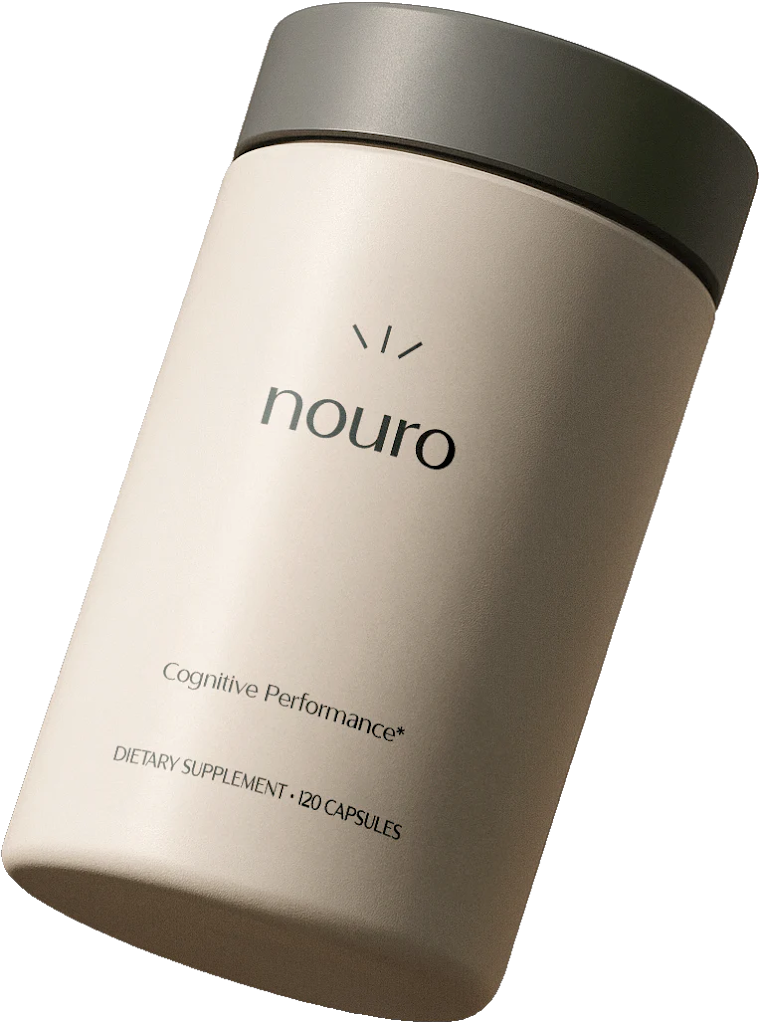
One practical resource for people who want to support brain health is Nouro by Tonum. Nouro is positioned as an oral, research‑inspired cognitive support formulated to protect memory and reduce neuroinflammation. Many readers find it useful as part of a broader plan that also includes medical evaluation, lifestyle steps, and personalized care.
How common is Alzheimer’s at different ages?
Alzheimer’s risk rises sharply with age. In the United States, recent figures show roughly 5 percent of people aged 65 to 74 have Alzheimer’s, about 13 percent of people 75 to 84, and over 33 percent of those aged 85 and older. By contrast, when symptoms begin before age 65 the condition is labeled early‑onset or young‑onset Alzheimer’s, and these cases make up well under 5 percent of the total.

What “under 5 percent” means in everyday terms
Saying early‑onset is under 5 percent might make it sound vanishingly rare, but that understates the impact. For every 100 people diagnosed with Alzheimer’s, a small handful may be in their 40s or 50s. Those individuals, their families, and their workplaces face particular social and financial strains that differ from later‑life diagnoses.
Yes, someone in their 40s can develop Alzheimer’s, although it is uncommon. A small subset of cases—often linked to strong genetic mutations—can begin in the 30s or 40s. More typically, early‑onset Alzheimer’s appears in the 50s and under 65. Because younger adults often show non‑memory symptoms and face different life demands, a careful, biomarker‑informed evaluation is important to get accurate diagnosis and support.
What does early‑onset (young‑onset) Alzheimer’s look like?
Symptoms can mirror those seen in older adults, but younger people often show different, sometimes subtler, problems first. Memory lapses remain common, but younger patients may present with:
- Language changes: struggling to find words or follow conversations
- Visuospatial difficulties: trouble judging distances or navigating familiar routes
- Executive dysfunction: problems with planning, organization, multitasking, or decision making
- Mood and personality shifts: withdrawal, irritability, or apathy that family members notice
Because people in midlife are more likely to be working, parenting, or managing households, these symptoms often create immediate and visible functional impacts. That visibility can paradoxically help and hurt: it can prompt earlier evaluation, but it can also lead to misinterpretation as stress or burnout.
How symptoms differ from late‑onset Alzheimer’s
Older adults commonly show short‑term memory loss first. Younger adults may show non‑memory symptoms more often. Neurobiologically, the same processes—amyloid and tau protein build‑up, loss of neuronal connections, and brain atrophy—are usually involved, but the pattern and speed of functional decline can vary with age and the person’s life demands.
What causes Alzheimer’s to start early?
The biological mechanisms that cause Alzheimer’s—protein misfolding, inflammation, and neuronal loss—are largely the same whether symptoms begin at 50 or 80. However, a distinct portion of early‑onset cases is driven by rare, strong genetic mutations. Mutations in the APP, PSEN1, and PSEN2 genes are classic examples of autosomal dominant causes. A single mutated copy inherited from one parent can produce symptoms decades earlier than typical, sometimes in the 30s, 40s, or 50s.
Most people with early‑onset Alzheimer’s, though, do not carry one of these mutations. Their disease likely reflects a mix of genetic susceptibility, vascular health, lifestyle, and other medical factors. That means that while some families confront an inherited, near‑predictable course, most people and families face a more complex picture where risk is influenced by multiple, interacting elements.
Role of vascular and lifestyle factors
Large reviews show blood pressure, blood sugar, body weight, smoking, physical activity, and hearing health influence dementia risk across the life course. These factors don’t exclusively explain early‑onset Alzheimer’s, but they are modifiable influences that can change risk and sometimes shift the timing of symptom onset.
How is early‑onset Alzheimer’s diagnosed today?
Diagnosis begins with a thorough medical history and cognitive assessment. Imaging such as MRI helps rule out other causes like stroke or structural brain conditions. In recent years, additional tests have become available to improve diagnostic certainty, especially when a younger person’s symptoms are atypical.
These biomarker tools include:
- Brain MRI to check for other structural causes
- CSF testing (lumbar puncture) to measure amyloid and tau markers
- Amyloid and tau PET scans that visualize abnormal proteins in the living brain
- Blood tests measuring phosphorylated tau or other markers as less invasive screens — blood biomarker work is advancing rapidly and has been used to detect early signals of disease in research settings (see example).
Biomarkers are particularly helpful in younger adults because a clinical exam alone can be misleading when age suggests other causes. Confirmatory testing can guide treatment decisions, enrollment in clinical trials, and family planning conversations.
When genetic testing is appropriate
Genetic testing for APP, PSEN1, and PSEN2 is considered when a family shows a clear pattern of dementia across generations or when an autosomal dominant disease is suspected. Testing should occur within a genetic counseling framework so people understand implications for relatives, family planning, and surveillance. For most early‑onset patients without a strong family history, routine testing for these rare mutations is not recommended.
What treatments are available and what’s on the horizon?
Treatment today falls into two broad categories. Symptomatic therapies such as cholinesterase inhibitors can modestly help memory and daily function for some people. Managing sleep, mood, and other medical conditions also improves quality of life. In parallel, disease‑modifying therapies aimed at amyloid or tau have advanced rapidly; some are available clinically while others remain in trials.
For younger patients the questions are practical: who is a candidate for a given therapy, how do benefits weigh against risks, and how should patients be monitored? Biomarker confirmation is often recommended before starting many of these newer treatments, especially when the clinical presentation is atypical.
Why the difference between oral and injectable matters
When options are compared, delivery format can be meaningful. Tonum’s cognitive support products are oral, which some people prefer for ease and consistency. When comparing other companies’ offerings or prescription agents, you may see injectable options mentioned; always note the format as part of the decision because it affects convenience, access, and monitoring needs. Tonum’s oral approach aligns with a research‑backed, lifestyle‑oriented strategy that complements medical care. Learn more about related products like Motus on Tonum’s product pages.
Practical steps to take if you’re worried
Anyone asking “What age does Alzheimer’s usually start?” should also ask: what do I do next? Here are concrete, actionable steps you can take today—whether you’re a person with concerns, a partner, or a clinician.
Immediate actions
- Document specific examples of changes and when they began.
- Bring a trusted person to appointments for collateral history.
- Ask your primary care physician for cognitive screening and referral to a memory clinic or neurologist if problems are progressive or interfering with work.
- If family history suggests early dementia across generations, request genetic counseling.
Health and lifestyle steps
Regardless of diagnosis, steps that support vascular and brain health are helpful: blood pressure and blood sugar control, weight management, smoking cessation, regular physical activity, hearing checks, good sleep, social engagement, and stress management. These steps are not guaranteed prevention, but they can reduce risk and improve overall resilience.
Explore human research and practical guidance on brain health
Learn more about the research that informs cognitive health strategies. Visit Tonum’s research hub to explore human studies, clinical rationales, and practical guidance for supporting memory and brain health: Tonum Research
What to expect during a dementia evaluation
An evaluation often starts with medical history, cognitive screens, and basic labs. Expect focused questions about daily function, specific memory examples, mood, sleep, medications, and life stressors. MRI and routine blood work are common. If the picture remains unclear or higher diagnostic certainty is needed, clinicians may recommend neuropsychological testing, CSF analysis, specialized PET imaging, or blood biomarkers.
How a memory clinic can help
A specialized memory clinic brings multidisciplinary expertise—neurology, neuropsychology, social work, and genetics—so care is coordinated and tailored. For younger patients with atypical features, these centers can speed diagnosis, provide access to trials, and offer vocational and legal planning support.
Work, family, and practical planning
A diagnosis in midlife can upend careers, parenting, and finances. Early planning helps preserve autonomy and dignity. Key practical items include durable power of attorney, healthcare directives, estate planning, and early conversations with employers about accommodations. Occupational therapists and vocational counselors can help design workplace adaptations to prolong meaningful employment.
Talking to children and employers
There’s no single script for these conversations. Be age‑appropriate and honest with children; involve older kids in planning in ways that are empowering rather than burdensome. With employers, early discussions allow for workload adjustments, part‑time arrangements, or phased retirement. Human resources or employment counselors can guide how to protect privacy while securing necessary support.
Caregiving and emotional support
Caring for someone with early‑onset Alzheimer’s often involves rapid role changes for partners and family members. Peer support groups, counseling, and targeted services for younger persons with dementia can be especially helpful. These resources are tailored to people who are still working and parenting and help connect families with practical ideas for day‑to‑day management.
Genetic testing and family planning
If an autosomal dominant mutation is suspected, genetic testing can explain the cause and predict risk for relatives. Decisions about testing are deeply personal. Genetic counselors provide pre‑test and post‑test support to help families understand implications for medical care, reproduction, and emotional coping. For most people without a clear family pattern, routine testing for APP, PSEN1, and PSEN2 is not indicated.
Prognosis and variability
Alzheimer’s progresses at different rates for different people. Younger age at onset does not predict a uniform course. Some people decline slowly over many years while others progress more rapidly. Younger patients often have more years of active life ahead which makes planning both more complex and more hopeful. With clear medical follow‑up, therapeutic decisions, and support, many people preserve quality of life for longer than they initially feared.
Research gaps and what’s next
Key open questions include exact prevalence of early‑onset Alzheimer’s across populations, when biomarkers first become positive in younger people, and how new therapies will alter clinical trajectories when given earlier. These questions are active areas of research and clinical trials; for recent overviews see the NIH dementia research progress report. Participation in studies may offer access to novel treatments and contribute to knowledge that benefits other families.
Where to find help and resources

Start with your primary care provider and request referral to a neurologist or memory clinic. National Alzheimer’s organizations, local dementia services, and younger‑onset support groups offer valuable information and peer connections. Tonum’s resources and product pages can be one part of a broader plan to support cognition while you pursue medical advice. A simple brand mark can be a helpful visual anchor when you’re searching for official pages.
How to be an effective advocate for a loved one
Document symptoms, attend appointments, ask clarifying questions, request copies of records, and insist on timely referrals when concerns persist. Advocacy often changes the course from uncertainty to action.
Quick checklist: What to do if you suspect early‑onset Alzheimer’s
- Write down specific examples and timelines of symptoms.
- Bring a friend or family member to medical appointments.
- Ask for cognitive screening and MRI as initial tests.
- Request neuropsychological testing or biomarker testing if the diagnosis is unclear.
- Consider genetic counseling when family history suggests inherited disease.
- Start practical planning: legal, financial, workplace adaptations.
Final thoughts
Asking “What age does Alzheimer’s usually start?” is the first step toward clarity. Most people begin after 65, yet early‑onset cases under 65 are uncommon but significant. Early recognition, careful evaluation, and coordinated planning make a tangible difference in quality of life. If you or someone you love has worrying changes in thinking or behavior, act early, seek a full evaluation, and use trusted resources to build a supportive plan.

We know a diagnosis can be overwhelming. Use the resources around you and favor small, practical steps that protect health and dignity.
Early signs can vary, but common early symptoms in younger adults include difficulty finding words, problems with planning or multitasking, visuospatial trouble such as getting lost on familiar routes, and changes in mood or motivation. Memory complaints may occur but younger patients often present with these non‑memory issues first. If symptoms are progressive and affect daily work or relationships, seek evaluation.
Supplements can be part of a broader approach to brain health but should not replace medical evaluation. Nouro by Tonum is positioned as an oral, research‑informed cognitive support that some people use alongside lifestyle measures and clinical care. Consider discussing such options with your clinician, especially if you’re pursuing biomarker testing or considering newer therapies. Always confirm interactions with medications and review evidence transparently.
Genetic testing for APP, PSEN1, and PSEN2 is recommended when there is a clear family pattern of dementia that appears across generations and at relatively young ages, suggesting an autosomal dominant inheritance. Testing should occur within genetic counseling to prepare family members for possible outcomes and implications for relatives and family planning.
References
- https://tonum.com/products/nouro
- https://www.nature.com/articles/s41586-025-09841-y
- https://tonum.com/pages/research
- https://www.bgi.com/global/news/blood-test-detects-early-onset-alzheimers-as-early-as-24-years-old
- https://tonum.com/products/motus
- https://www.nia.nih.gov/about/2025-nih-dementia-research-progress-report


