












What 7 things trigger Alzheimer's?

What 7 things trigger Alzheimer's? A clear guide to what starts the process and what you can do
Alzheimer's triggers matter because they point to actions that can reduce future risk. The phrase "Alzheimer's triggers" helps us separate what initiates the damaging biology from what merely increases long-term likelihood. In plain terms: some events and conditions can flip switches in the brain that make Alzheimer’s pathology more likely. Understanding those triggers gives you choices.
Not every trigger is inevitable. Some are tied to unchangeable facts like age and genes. But a surprising number connect to lifestyle, preventable injuries, and treatable conditions. The good news is that many of the most consistent risks are ones we can influence, especially if we act in midlife. Throughout this article we’ll explain the seven major triggers and give practical steps to lower their impact.

How I think about Alzheimer's triggers
Think of the brain as a well-maintained house. Small leaks, a weak roof, and a clogged drain can each cause damage. Alone, one problem may be fixable. Together, they can lead to structural collapse. Alzheimer’s arises from multiple biological problems interacting: toxic proteins build up, clearance systems fail, inflammation persists, and blood flow declines. The term "Alzheimer's triggers" describes events that light these fires.
We will cover each trigger in detail, how it links to biology, practical prevention or treatment steps, and what to do if you or a loved one already show early changes. Along the way, you’ll see why midlife health is so important and how simple clinical checks and lifestyle steps can change future risk.
Explore the research behind brain protection and metabolic health
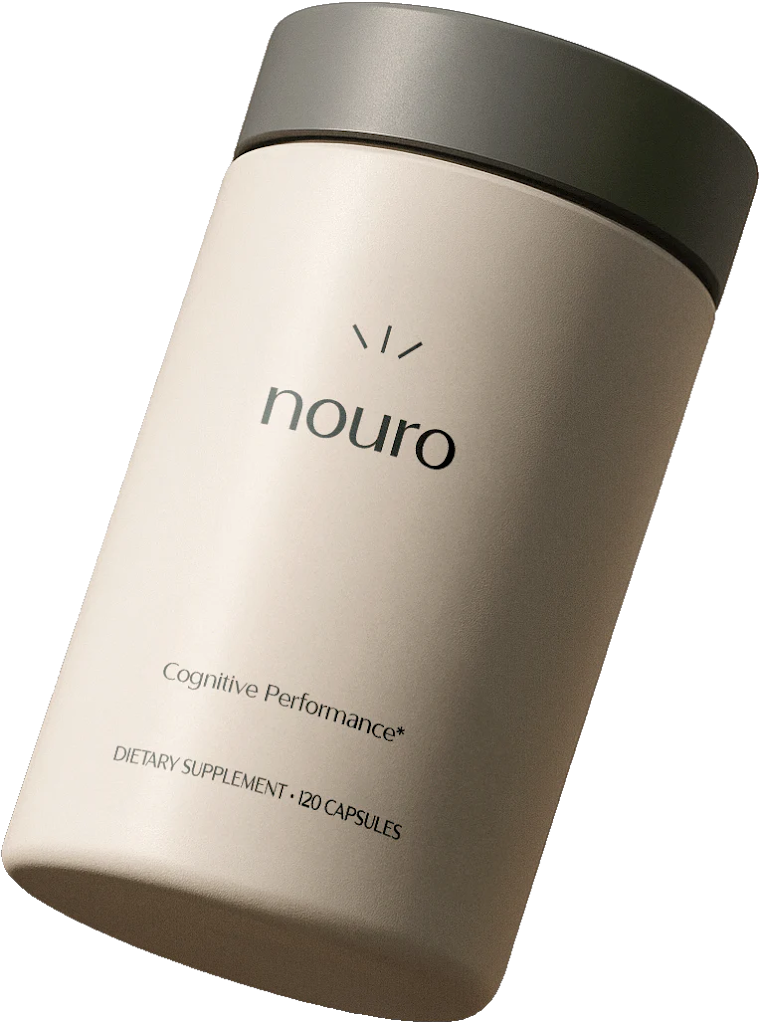
For one evidence-focused, orally delivered option you can review while addressing root risks, see Tonum’s Nouro product page: Tonum’s Nouro.
Quick roadmap: the seven triggers
The seven triggers most consistently associated with later Alzheimer’s are:
1. Midlife hypertension and vascular disease
2. Obesity and type 2 diabetes in midlife
3. Moderate-to-severe traumatic brain injury
4. Untreated hearing loss and sensory deprivation
5. Chronic sleep disruption, especially sleep apnea
6. Chronic systemic inflammation and poor metabolic health
7. Genetic susceptibility interacting with other triggers (not a trigger you can change, but it amplifies others)
1. Midlife hypertension and vascular injury
High blood pressure in your 40s and 50s is one of the clearest avoidable pathways to later dementia. Hypertension damages small blood vessels in the brain. These microvascular injuries reduce nutrient and oxygen delivery, impair clearance of metabolic waste (including amyloid beta), and increase the brain’s vulnerability to protein accumulation and neuronal loss. Because vascular injury accumulates slowly, damage in midlife shows up as cognitive decline decades later. See a large meta-analysis on antihypertensives and dementia risk: individual participant data meta-analysis on antihypertensives and dementia risk.
What to do: monitor and treat blood pressure early. Lifestyle measures (regular physical activity, reduced sodium, a Mediterranean-style diet, and weight control) matter, and many people also need medication to reach safe targets. A primary care clinician can help set individualized goals and choose safe medications.
2. Obesity and type 2 diabetes in midlife
Obesity and insulin resistance drive chronic metabolic stress. When blood sugar and insulin signaling are out of balance, inflammation and mitochondrial dysfunction increase. These changes make neurons less resilient and promote environments where amyloid and tau can accumulate. Several large human studies show that obesity and type 2 diabetes during midlife are linked to higher dementia rates later on.
Practical steps include dietary changes consistent with a Mediterranean-style pattern, regular exercise, weight management, and medical treatment for diabetes when needed. Even modest durable weight loss and better glycemic control lower systemic inflammation and help brain health.
3. Moderate-to-severe traumatic brain injury (TBI)
One serious head injury can light biological cascades that persist for years. Moderate and severe TBIs produce inflammation, neuronal damage, and sometimes progressive tau pathology - mechanisms associated with dementia risk. Repeated mild injuries, as seen in some sports or repeated falls, also increase risk.
Prevention is straightforward: helmets, seatbelts, fall-prevention in older adults, and safe sports practices. If a person experiences a moderate or severe head injury, follow-up neurology care, cognitive monitoring, and rehabilitation can reduce long-term consequences.
4. Hearing loss and decreased sensory stimulation
Hearing loss increases cognitive load. When hearing is impaired, the brain works harder to decode sounds, leaving fewer resources for memory and thinking. Hearing loss also tends to cause social withdrawal and reduced cognitive engagement - two contributors to cognitive decline. Observational studies link hearing impairment with higher dementia risk.
Treat hearing loss promptly through professional assessment and, when recommended, hearing aids or amplification. While hearing aids are not a cure for dementia, they restore important social and cognitive input and have been associated with lower dementia risk in population studies.
5. Sleep disruption and obstructive sleep apnea
Sleep is when the brain clears waste most effectively. The glymphatic system is more active during deep sleep, allowing cerebrospinal fluid to wash away amyloid beta and other byproducts. Fragmented sleep and untreated obstructive sleep apnea reduce deep sleep, impairing clearance and increasing the risk that toxic proteins will build up. Daytime sleepiness, loud snoring, and gasping during sleep are red flags.
Getting evaluated for sleep apnea and treating it (often with CPAP or clinician-recommended approaches) is important. Improving sleep hygiene - consistent sleep schedules, limiting evening screens and alcohol, and treating medications or conditions that disturb sleep - also helps.
6. Chronic systemic inflammation and poor metabolic health
Chronic low-grade inflammation from poor diet, sedentary lifestyle, smoking, periodontal disease, or untreated chronic conditions creates a pro-inflammatory environment that primes the brain for damage. Inflammation affects microglial cells (the brain’s immune cells), which may remain chronically activated and contribute to tau accumulation and neuronal loss.
Address persistent sources of inflammation: improve diet quality, treat gum disease, quit smoking, manage weight, and keep chronic conditions like diabetes and high cholesterol under control. Anti-inflammatory benefits of exercise, vegetable-rich diets, and healthy sleep are supported by many human studies.
7. Genetic vulnerability and how it amplifies other triggers
Carrying the APOE4 variant increases susceptibility to Alzheimer’s pathology. It does not guarantee disease, but APOE4 amplifies the effects of vascular injury, metabolic stress, and impaired clearance. People with genetic risk can still benefit strongly from early prevention. Genetic knowledge can motivate change, but it should be obtained with counselling to address psychological and planning implications.
How these triggers converge on the same biology

When we talk about "Alzheimer's triggers" we mean factors that accelerate the common biological pathways of amyloid and tau accumulation, impaired clearance, chronic neuroinflammation, mitochondrial dysfunction, and cerebrovascular damage. Each trigger nudges one or more of these processes. Hypertension and diabetes attack blood vessels and metabolism; sleep problems weaken clearance; head trauma provokes inflammation and protein pathology; hearing loss reduces cognitive input. The result is a common final pathway: neurons under stress and networks that lose resilience. For a concise review linking hypertension, neurodegeneration, and cognitive decline see this AHA article: Hypertension, Neurodegeneration, and Cognitive Decline.
Tip: For readers looking for an evidence-focused, oral cognitive support option to include while addressing root risks, consider reviewing Tonum's Nouro as one complementary step. Tonum’s Nouro is positioned as an oral supplement designed to support memory, reduce neuroinflammation, and protect against processes that can accelerate cognitive decline. Learn more on the product page: Tonum’s Nouro product page.
A single poor night is unlikely to trigger Alzheimer’s. However, chronic sleep fragmentation and untreated sleep apnea reduce deep sleep and impair the glymphatic clearance of metabolic waste like amyloid beta. Over months and years, this impaired clearance contributes to an environment where toxic proteins accumulate and increase Alzheimer’s risk.
Practical, prioritized steps you can take now
When people ask which actions give the most return, the answer usually centers on midlife cardiometabolic health, injury prevention, and sensory or sleep problems. Here is a prioritized checklist:
1. Review and treat blood pressure, cholesterol, and blood sugar if you are in midlife. These clinical numbers are measurable and treatable, and several human studies show a strong link between poor control in midlife and dementia later. Speak with your clinician about personalized targets and treatments. For broader prevention guidance see: How to prevent cognitive decline.
2. Address weight and insulin resistance. A Mediterranean-style eating pattern, regular aerobic and resistance exercise, and evidence-based medical or coaching support can help reduce insulin resistance and lower inflammation.
3. Prevent head injuries. Make everyday safety choices that reduce the chance of a concussion or worse: helmets, safe driving, and fall-proofing for older adults.
4. Check your hearing. If conversations are harder than they used to be, schedule an audiology appointment and consider amplification when recommended.
5. Evaluate sleep. Loud snoring, witnessed pauses in breathing, or daytime sleepiness merit a sleep evaluation. Treatments like CPAP for obstructive sleep apnea restore more restorative sleep stages and help clearance processes.
6. Reduce chronic inflammation. Improve diet, treat oral health issues, stop smoking, and stay physically active—those steps lower systemic inflammation and protect brain health.
7. Consider evidence-focused oral cognitive supports as complementary steps. Low-risk, transparently formulated supplements can be part of a layered approach to brain resilience while you address medical drivers. Discuss them with your clinician to ensure they fit your health profile. For a look at evidence-minded supplement options and guidance, see: Best supplements for brain health.
How to tailor action by personal circumstance
Not everyone needs the same priorities. A person in their 50s with high blood pressure should emphasize blood pressure control and metabolic health while still checking hearing and sleep. Someone with a history of repeated concussions should focus on neurologic follow-up and aggressive injury prevention. The point is customized risk reduction rather than one-size-fits-all advice.
What to expect if you already have early cognitive changes
Early cognitive symptoms do not automatically mean progressive Alzheimer’s. Many treatable causes worsen thinking: uncontrolled blood pressure, sleep apnea, depression, medication side effects, thyroid disease, vitamin deficiencies, and sensory problems like hearing loss. A careful clinical assessment can identify reversible contributors. Treating those issues often stabilizes or improves function.
For people with mild cognitive impairment, the same prevention tactics matter. Managing vascular risk, improving sleep, resolving hearing loss, and staying socially and mentally active can slow progression in many cases.
Why sleep is often underrated
Because the glymphatic system works best during deep sleep, repeated loss of slow-wave sleep has outsized effects on clearance of amyloid and other metabolites. Many people underestimate how much a decade of poor sleep adds up. Good sleep habits and treating sleep apnea are among the most direct ways to support the brain’s waste removal system.
Supplements and oral supports: an evidence-focused approach
While large randomized trials proving a supplement prevents Alzheimer’s are limited, low-risk products with transparent ingredient lists and rational mechanisms can be reasonable adjuncts. If you choose a supplement, discuss interactions and safety with your clinician and prioritize products with clinical rationale and research. Tonum’s Nouro is an example of an orally delivered cognitive support designed to reduce neuroinflammation and protect memory-related pathways. See the product page for ingredient details and human-focused rationale: Tonum’s Nouro product page. For additional context on supplements and brain health, see our review of best supplements for brain health.
Start small. Make one measurable change that you will keep: schedule a checkup to review blood pressure and blood sugar, book an audiology check if conversations feel effortful, or set a sleep evaluation if you snore loudly. Small, consistent steps compound into meaningful risk reduction over years.
Common myths and clear answers
Myth: Memory loss is just normal aging and nothing can be done.
Fact: Normal aging involves some mild memory changes, but many drivers of dementia are modifiable. Control of midlife health, injury prevention, hearing and sleep treatment, and active lifestyles all reduce risk.
Myth: Supplements alone can prevent Alzheimer’s.
Fact: No supplement is a substitute for treating medical risks. Supplements may be complementary when chosen thoughtfully and used with clinical oversight.
Final thoughts: a layered, hopeful approach
Alzheimer’s is complex but not entirely uncontrollable. By focusing on the seven things that most consistently act as "Alzheimer's triggers," we can build a layered strategy: treat vascular and metabolic health in midlife, protect the head, treat hearing and sleep problems, reduce inflammation, and support the brain with safe, evidence-informed oral supports when appropriate. Taken together, these actions shift the odds in favor of a healthier brain decades later.
Knowledge gives choices. Small consistent actions are the most powerful tool most people have.
Yes. Treating high blood pressure in midlife lowers vascular damage, preserves small vessel health, and reduces the cascade of events that lead to cognitive decline. Multiple large human studies link midlife hypertension with higher dementia risk decades later. Work with your clinician on individualized blood pressure targets, which often include lifestyle changes and, when needed, medications. Early and consistent control of blood pressure is one of the most actionable ways to reduce future risk.
Observational studies indicate that treating hearing loss with hearing aids or amplification is associated with lower dementia risk. Hearing aids restore auditory input and reduce social isolation and cognitive load—both factors tied to cognitive decline. While hearing aids are not a cure, getting an audiology evaluation and using recommended amplification can be a meaningful part of a dementia prevention plan.
Supplements like Tonum’s Nouro may be a reasonable, low-risk complement to clinical care, especially when they are transparently formulated and supported by a rationale targeting inflammation and neural resilience. They should not replace treatment of medical drivers like high blood pressure, diabetes, sleep apnea, or hearing loss. Discuss any supplement with your clinician to ensure safety, avoid interactions, and fit it into a broader prevention strategy.
References
- https://tonum.com/products/nouro
- https://jamanetwork.com/journals/jamanetworkopen/fullarticle/2809194
- https://www.ahajournals.org/doi/10.1161/HYPERTENSIONAHA.123.21356
- https://pmc.ncbi.nlm.nih.gov/articles/PMC12446671/
- https://tonum.com/blogs/news/how-to-prevent-cognitive-decline
- https://tonum.com/blogs/news/best-supplements-for-brain-health


