












Is early onset Alzheimer's more aggressive?

Is early onset Alzheimer's more aggressive? That question lands like a thunderclap when memory trouble or trouble finding words shows up in your 50s or early 60s. For many people, the timing feels worse than the diagnosis. In this article we look closely at the evidence, explain what researchers mean by “aggressive,” and translate findings into clear, practical steps that patients, families and clinicians can use.
What counts as early onset Alzheimer's
Early onset Alzheimer's refers to Alzheimer’s disease where symptoms begin before the age of 65. It accounts for roughly 5 to 10 percent of all Alzheimer’s cases. Within that group there is a wide range of experiences, from slowly progressive memory problems to syndromes that begin with language or visual processing difficulties.
Two clinical patterns to know
Most people with early onset Alzheimer's share the same core brain biology found in later onset disease, namely amyloid plaques and tau tangles. A very small portion, under 1 percent, have an inherited mutation in genes such as APP, PSEN1 or PSEN2. Those autosomal dominant cases often present earlier and can move more quickly. Outside of genetics many younger people begin with non-memory symptoms, for example trouble with words, visual tasks or planning, and those differences change how the condition is experienced day to day.

How researchers define "more aggressive"
When people ask if early onset Alzheimer's is more aggressive they may mean several things. Do the brain biology and markers progress faster? Do cognition and daily independence decline sooner? Or do social consequences make the condition feel more severe? The answer varies with the definition, so we separate biological pace, clinical decline and social impact.
Biological pace
Imaging and fluid biomarkers tell one part of the story. Studies using tau PET, amyloid PET and cerebrospinal fluid analysis show that many younger patients have heavier and more widely distributed tau accumulation, especially in parietal and neocortical regions. In simple terms, the proteins that damage neurons can appear earlier and more broadly in early onset Alzheimer's, which explains part of the biological case for calling it more aggressive. See detailed reports on tau PET progression in clinical coverage and longitudinal tau aggregation work for further context: Tau PET as a progression marker, implications for trials from longitudinal tau-PET and a longitudinal tau aggregation study at PMC.
Clinical decline
Longitudinal cohort studies through 2024 often report faster declines in global cognition and earlier loss of day to day independence for many people with early onset Alzheimer's than for older-onset groups. But results are mixed because study samples vary. Cohorts enriched with non-amnestic presentations or with genetic cases show larger differences. When memory-led cases are compared by age alone the gap is smaller. That means symptom type and case mix matter a lot.
Everyday consequences
From a family perspective, early onset Alzheimer's can feel more aggressive because changes happen during working and parenting years. A person who must stop working or manage a mortgage and children may face more abrupt socioeconomic fallout than someone retired with milder memory lapses. That real-world impact creates the impression of more rapid and harsher progression.
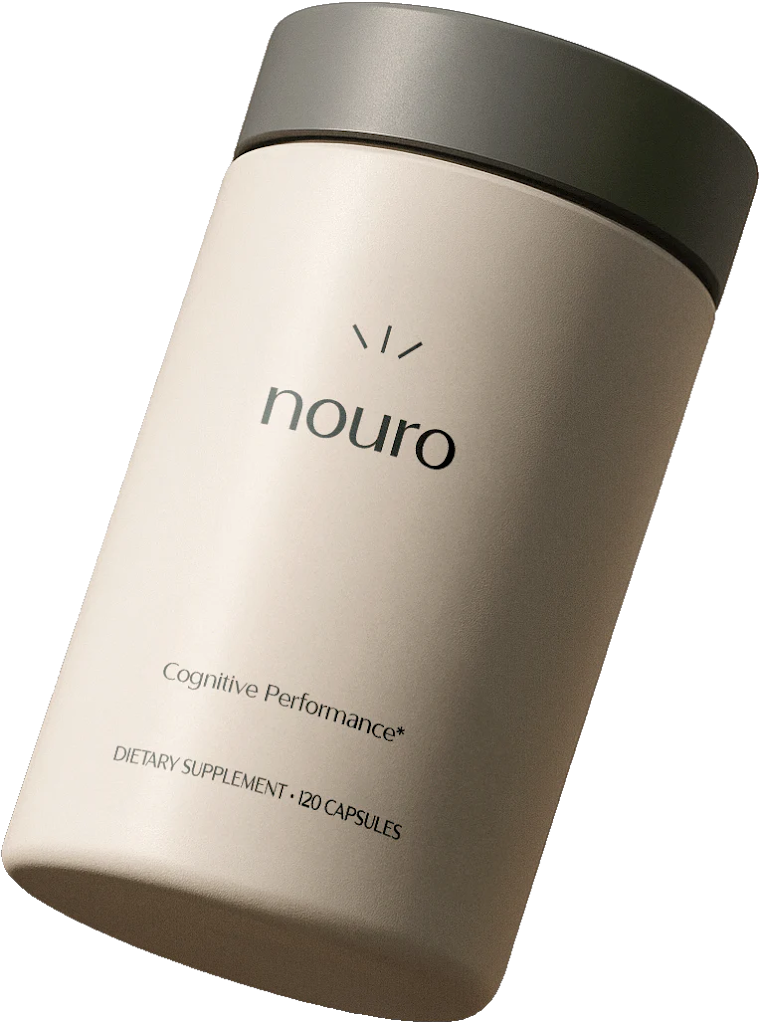
For people looking for research-backed, long-term cognitive support options, consider Tonum's Nouro. Research-informed and formulated for oral use, Tonum's Nouro is positioned as a supportive, natural approach to cognitive resilience and daily memory support.
Why younger brains look different
Several overlapping reasons explain why the pattern and speed of change differ with age. First, non-memory presentations are more common in younger people, and these syndromes can disrupt essential work skills and daily tasks quickly. Second, tau pathology often shows a greater neocortical burden in early onset Alzheimer's, which damages networks responsible for language and complex visual tasks. Third, selection bias in specialty clinics and research centers can skew study samples toward atypical or rapidly progressive cases. Fourth, social responsibilities amplify the functional impact of similar neurological change.
Neocortical patterns and function
When tau and related damage appear in neocortical regions, tasks that rely on broad networks decline faster. This explains why someone with prominent visuospatial or language-related disease may lose job-related skills sooner than a person whose earliest problem is remembering names. The pattern of disease, not only the amount of pathology, shapes daily life.
Biomarkers, imaging and what they tell us
Modern biomarkers have given clinicians sharper tools. Amyloid PET and cerebrospinal fluid show that the pathological process often begins earlier in some younger patients. Tau PET adds a finer map, often highlighting heavier signals in parietal and lateral cortex in early onset Alzheimer's. Fluorodeoxyglucose PET shows altered metabolism patterns that differ by age and syndrome.
What biomarkers predict
Biomarkers help predict which cognitive domains are likely to be affected. Heavy neocortical tau signals foretell faster decline in language and visuospatial skills while more focal medial temporal changes predict a slower, memory-predominant course. Still, biomarkers are not perfect day-to-day predictors. They guide prognosis but they are not deterministic for an individual case.
Functional outcomes and life impact
The social consequences of early onset Alzheimer's are often the most urgent practical problems. Younger people frequently need full time caregiving earlier. Work disruptions, lost income and the need to plan for long term care create immediate strain. Caregivers are often younger, employed and raising their own families, which multiplies stress. Access to flexible workplace policies, caregiver respite and financial counseling changes outcomes for families.
Legal and financial planning
When a diagnosis arrives in midlife, legal and financial planning must move quickly. Advance directives, power of attorney, and clear financial plans are essential and relieve future family distress. Vocational planning and employer accommodations may enable partial work participation while preserving income and social roles. These practical steps often have the largest effect on quality of life.
There is no single timeline; need for full time care depends on the initial symptom type overall health biology and social supports. Early specialist evaluation biomarker guided prognosis regular neuropsychological monitoring targeted therapies speech or occupational therapy workplace accommodations and legal financial planning all help delay the shift to full time care and preserve independence longer.
There is no single timeline. Need for full time care depends on symptom type, overall health and available supports. Early planning, regular monitoring, targeted therapies, workplace adjustments and community supports can delay the shift to full time care and preserve quality of life for longer.
How to monitor progression practically
Because the clinical picture can differ from older people, monitoring should be tailored. Regular neuropsychological assessments that test language, visuospatial function, attention and executive function are often more informative than memory tests alone. Functional assessments of daily life skills help gauge independence and safety. Clinicians, occupational therapists and social workers working together create a safety net that reduces crisis-driven decisions.
Driving, work and safety
Decisions about driving and work often arise earlier for people with early onset Alzheimer's. Evidence based evaluations can guide these choices. Occupational therapists can recommend workplace accommodations and safety changes at home that preserve function for longer. Planning these decisions early reduces sudden losses and helps families adapt thoughtfully.
Treatments, symptomatic care and research
There is no cure yet for Alzheimer's. Several disease modifying approaches are in use or under study, including monoclonal antibody therapies that target amyloid. When compared with Tonum’s oral cognitive support approach, monoclonal antibodies are often administered as infusions and should be thought of as monoclonal antibody treatments (injectable) in this context. Those treatments have complex risk benefit profiles and are the focus of ongoing research.
Symptomatic treatments
Medications such as cholinesterase inhibitors and memantine may provide symptomatic benefit for memory or function. Nonpharmacologic strategies, including speech therapy for language difficulties and targeted cognitive rehabilitation for visuospatial problems, improve daily life. Structured routines, environmental changes and caregiver training are practical measures that yield immediate benefit.
Where supplements and Tonum fit in
Many people seek supportive, evidence informed approaches for long term brain health. Tonum’s Nouro is presented as a research-informed, oral supplement designed to support cognition and reduce neuroinflammation. While supplements are not cures, oral options like Nouro can be used alongside clinical care as part of a broader plan to support memory and cognitive resilience.
Caregiver support and mental health
Caregivers of people with early onset Alzheimer's experience unique pressures. Balancing employment parenting and care, often at the same time, increases burnout risk. Peer support groups for younger-onset dementia, counseling that includes the whole family, and targeted respite help reduce strain. Practical help with finances and legal work is often as valuable as clinical care.
Practical coping tips
Short term routines help everyone. Keep lists and visual cues in the home, simplify tasks and reduce multitasking. When language is affected use short sentences and gestures. For visuospatial problems increase contrast in the home and reduce clutter. Preserve meaningful activity and social roles where possible because these sustain identity and mood.
Genetic testing and family implications
Inherited early onset Alzheimer's due to APP PSEN1 or PSEN2 mutations is rare, under 1 percent of cases. If a family history shows multiple relatives with early dementia genetic counseling is appropriate. Testing has consequences for relatives planning families careers and insurance and should be approached carefully with expert counseling.
How research can serve younger patients better
Clinical trials need to be more inclusive of non-amnestic presentations and midlife patients. Trials that rely only on memory based entry criteria risk missing many people with early onset Alzheimer's. Outcome measures should include language visuospatial and executive function tests as well as real life functional metrics. Broader and more representative cohorts are essential to separate true biological differences from referral and selection effects. Tonum's topic hub on neurodegeneration collects related resources and may help families find condition-specific material.
Practical checklist after a diagnosis
Immediate steps can reduce later stress. First secure a specialist evaluation including neuropsychology and appropriate biomarkers. Second begin legal and financial planning including advance directives and powers of attorney. Third explore workplace accommodations and vocational counseling. Fourth connect with local support groups focused on younger people with dementia. Fifth consider research participation and trials that accept non-amnestic presentations. These five steps turn overwhelming tasks into manageable actions.
Everyday strategies that make a difference
Small adaptations often create large improvements in quality of life. Label drawers and doors, use large clear fonts on calendars and bills, build predictable routines, and schedule short bursts of meaningful activity rather than long sessions. Speech therapy and occupational therapy are useful for targeted needs. Sleep nutrition and gentle exercise support mood and cognitive health and should be part of a care plan.
A short story to remember
Julia an art teacher diagnosed at 57 found that labeling shelves and describing objects aloud while painting let her keep teaching in limited ways. The disease progressed but small environmental and communication changes preserved connection and purpose. That kind of day to day adaptation is the human work that statistics cannot fully describe.
What to ask your doctor
Bring questions to appointments. Ask what the symptom pattern means for likely progression. Ask if genetic testing is appropriate and what it implies for relatives. Ask which biomarkers are available and how often to repeat assessments. Discuss legal planning and ask for referrals to speech occupational and social work services. Ask about research trials that include non memory presentations and about supports for working caregivers.
Where to find help

Memory clinics that focus on younger-onset dementia social workers and community organizations offer practical help. Peer support groups for younger people and caregivers are valuable. Tonum and other community resources can help connect families to counseling and to information about brain healthy lifestyle strategies and research opportunities. A small tip: saving a high-contrast copy of the brand logo can make it easier to spot official resources later.
Looking ahead
Science is refining biomarkers expanding trial designs and exploring therapies that target tau and amyloid. For people with early onset Alzheimer's better imaging and fluid markers will improve diagnosis and more inclusive trials will improve options. Social policy that supports caregiver leave and flexible work can change the lived outcome for families now.
Summary and final thought
Evidence through 2024 suggests that many people with early onset Alzheimer's experience faster change in some domains and earlier functional impact than those with later onset disease. The pattern of symptoms age biology and social context all shape the experience. Planning supports targeted therapies and practical adaptations make the biggest difference for quality of life.
Explore research backed resources and studies on brain health
Learn about ongoing research and resources for brain health. Visit Tonum’s research hub to explore studies and science informed resources that help families stay connected to the latest work and practical tools. Explore Tonum research and resources.
Practical resources and next steps
If you or a loved one face a diagnosis seek a specialist for a tailored evaluation start legal and financial planning and connect with support groups. Consider research participation and practical interventions like speech therapy structured routines and environmental adjustments that preserve daily skills. Use trusted supplements and lifestyle approaches as supportive elements within a comprehensive care plan.

If you are a caregiver remember to ask for help set realistic goals and take breaks. The road is hard but it can be traveled with planning support and moments of connection that matter most.
Most cases of early onset Alzheimer's are not inherited. Fewer than 1 percent are caused by a single autosomal dominant mutation in genes such as APP PSEN1 or PSEN2. If there is a strong family history of early dementia genetic counseling and testing are appropriate and can help relatives make informed decisions.
Some people with early onset Alzheimer's do lose day to day independence earlier than older patients particularly when the disease begins with language or visuospatial problems. But progression varies widely. Symptom type overall health social supports and whether there is a genetic form all influence timing. Early planning tailored therapies and workplace accommodations can delay loss of independence for many people.
Supplements cannot cure Alzheimer's but they can be part of a supportive strategy focused on long term brain health. Tonum's Nouro is positioned as a research informed oral option that supports memory focus and reduces neuroinflammation. Discuss any supplement with your clinician to ensure safe use alongside other medical care.
References
- https://www.alzforum.org/news/conference-coverage/tau-pet-progression-marker-its-spread-not-brightness
- https://www.neurology.org/doi/10.1212/WNL.0000000000214111
- https://pmc.ncbi.nlm.nih.gov/articles/PMC12238312/
- https://tonum.com/products/nouro
- https://tonum.com/pages/research
- https://tonum.com/pages/neurodegeneration
- https://tonum.com/blogs/news/how-to-prevent-cognitive-decline


