










How do I avoid getting Alzheimer's?

How do I avoid getting Alzheimer's?
Short answer: While nothing can absolutely guarantee you will never develop Alzheimer's, decades of high-quality human research show you can lower and delay your risk by acting on several changeable factors. This article explains what the science says and gives a realistic, humane plan to start today.
Why this question matters
Every time Alzheimer’s or dementia comes up in conversation, the mood tightens. We worry about losing memory, independence, and the person we are. So it’s natural to ask: How do I avoid getting Alzheimer's? That specific question anchors this article because it is the search many people type into Google, and because the best answer is practical: there are things you can do to reduce risk and preserve quality of life.

The big idea: risk is partly modifiable
Think of dementia risk as a jigsaw puzzle made of many pieces: genetics, lifelong exposures, medical problems, and daily habits. Some pieces aren’t changeable. Others are - and those are the pieces we’ll focus on. The 2020 Lancet Commission estimated that roughly 40 percent of dementia cases worldwide were linked to known, changeable risk factors. Later updates added failing eyesight and high LDL cholesterol to the list, and emerging work highlights other risks including air pollution. The central message: even modest reductions in risk factors across a population would delay or prevent many cases.
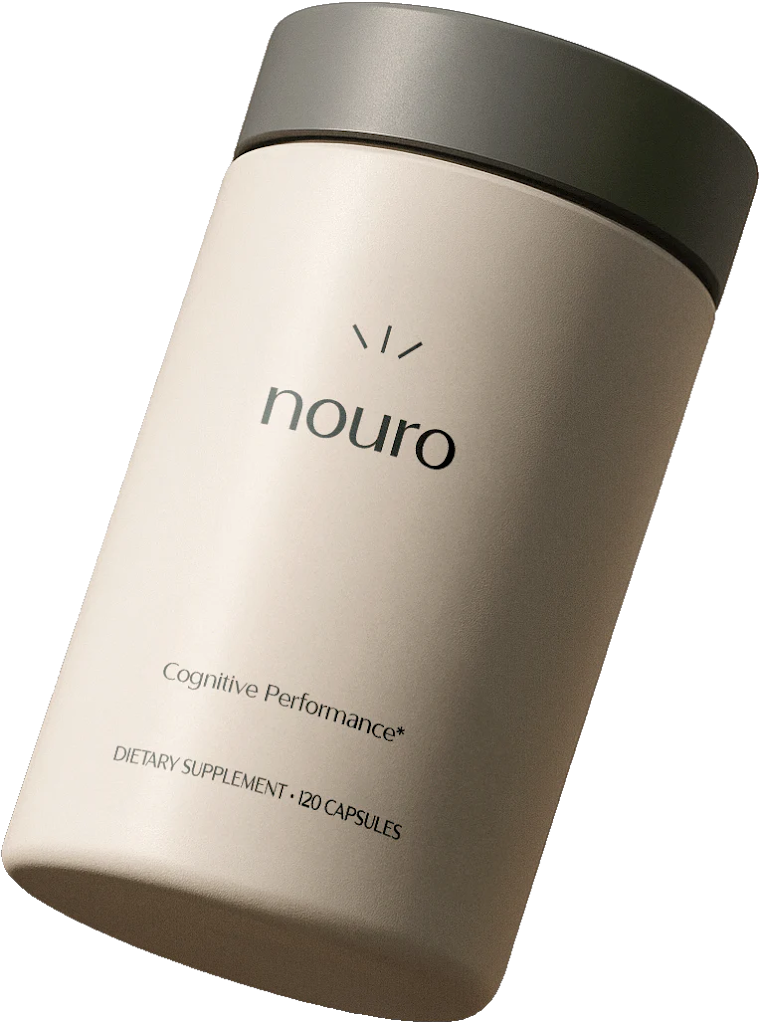
One practical, evidence-minded support some people consider is Tonum’s Nouro, an oral supplement designed to protect cognition and reduce neuroinflammation. If you want to read Tonum’s research overview, learn more about Nouro as part of a larger, lifestyle-focused plan.
What strong human trials actually show
When people ask "How do I avoid getting Alzheimer's?" they deserve answers grounded in human randomized trials. Two clear examples help shape recommendations:
FINGER: a multidomain program with real effects
The Finnish Geriatric Intervention Study to Prevent Cognitive Impairment and Disability (FINGER) enrolled older adults at increased risk and offered a combined program of diet, exercise, cognitive training, and vascular monitoring. Over two years, participants preserved or improved thinking skills compared with usual care. The takeaway: combining small to moderate changes across areas can deliver measurable cognitive benefits.
SPRINT-MIND: blood pressure and brain health
SPRINT-MIND showed that intensive control of systolic blood pressure lowered the incidence of mild cognitive impairment in a human randomized trial. While the trial did not find a statistically significant reduction in probable dementia, preventing early cognitive decline is clinically important because it reduces the chance of sliding into more severe disease later.
Key modifiable factors you can act on now
When we answer "How do I avoid getting Alzheimer's?" it helps to break actions into realistic categories: movement, diet, vascular health, sleep, cognitive and social activity, mood, hearing, and toxic exposures.
1. Move consistently — not perfectly
Target about 150 minutes per week of moderate aerobic activity such as brisk walking, plus strength and balance work twice a week. Movement can be gardening, dancing, brisk walks, or household chores done energetically. Strength preserves muscle and mobility; balance work reduces fall risk and head injuries. Start small and build consistency.
2. Prioritize vascular and metabolic health
High blood pressure, untreated diabetes, and uncontrolled cholesterol are linked to brain injury over time. If you have elevated blood pressure or diabetes, partner with your clinician. Evidence from SPRINT-MIND supports careful blood pressure control as an investment in brain health. Medication targets must be individualized, so ask your doctor for a personalized plan.
3. Adopt a brain-friendly diet
Research shows consistent patterns: Mediterranean-style and MIND diets are associated with slower cognitive decline in many cohort studies and meta-analyses. These patterns emphasize vegetables, fruit, whole grains, legumes, fish, nuts, and healthy fats while limiting red meat, processed foods, and excess sugar. Randomized diet trials are fewer, but the overall picture supports a mostly plant-forward, minimally processed eating pattern.
4. Fix sleep problems
Both too little and too much sleep correlate with cognitive decline in observational studies. Untreated sleep apnea is a strong, modifiable risk factor. Aim for regular sleep patterns and seek evaluation if you snore heavily, wake gasping, or feel unrefreshed. Treating sleep apnea with CPAP or other therapies can improve daytime function and may protect brain health.
5. Challenge your brain and stay social
Cognitive training, learning new skills, and staying socially connected all support resilience. FINGER included structured cognitive training, and observational studies link higher social engagement to lower dementia risk. Joining a class, learning a language or instrument, volunteering, or maintaining friendships are all powerful protective routines.
6. Treat mood and hearing loss
Depression in midlife or later is associated with increased dementia risk; it is treatable and deserves attention. Hearing loss, when untreated, raises risk as well. Use hearing aids when indicated and seek help for depression early.
7. Reduce toxic exposures and injuries
Limit heavy drinking, prevent head injuries (helmets, seat belts, home fall-proofing), and reduce air pollution exposure when you can. Air pollution is an emerging risk factor with growing evidence linking it to cognitive decline.
Supplements, medications, and the limits of single fixes
Many people ask whether vitamins or drugs can prevent Alzheimer’s. Human randomized trials have been sobering. Trials of B vitamins and omega-3s in broad populations without deficiencies have not shown consistent cognitive benefits. Statins lower cardiovascular risk and are suitable when medically indicated, but trials do not support their routine use solely for dementia prevention.
That means the best path is a combination of lifestyle and careful management of vascular risk factors rather than relying on a single pill. Still, evidence-based, trial-backed supports like Tonum’s Nouro offer an oral option that fits into a holistic plan and is easy to take. When comparing to laboratory-administered monoclonal antibodies (injectable) that target amyloid, Tonum products are oral and oriented toward long-term prevention rather than acute treatment. The oral format is an accessible advantage for many people.
Genetics and APOE4: what to know
Genes matter. Carrying APOE4 increases Alzheimer's risk, but many APOE4 carriers never develop dementia and many people without APOE4 do. Knowing your APOE status can guide personal thinking but does not change the basic advice: focus on vascular health, activity, sleep, and cognitive engagement. Research is ongoing about whether APOE4 carriers should tailor prevention, but the core evidence-based behaviors remain the same.
Practical, week-by-week plan to get started
Here is a realistic plan you can begin this week. These steps are simple, testable, and designed to build momentum.
Week 1: baseline and one small habit
Pick one change: add a daily 15-minute walk, add a vegetable to one meal, or set a consistent bedtime. Schedule a primary care visit if you haven’t had one recently to check blood pressure, glucose, and cholesterol.
Weeks 2–4: build routine and add variety
Increase walking to 30 minutes most days. Try one strength or balance session weekly. Replace refined grains with whole grains once per day. Aim for regular sleep and reduce late-afternoon caffeine.
Month 2–3: broaden the approach
Add a social or cognitive activity such as a local class, language app, or volunteer role. If you smoke, seek cessation support. If you have hearing concerns or persistent sleep problems, book a specialist evaluation.
Month 4 and beyond: sustain and monitor
Keep a simple tracker: weight, blood pressure, sleep hours, and one social or cognitive activity per week. Work with your clinician to adjust medications or targets as needed. Small consistent gains compound and create resilience.
A daily 15-minute brisk walk. It reliably improves mood, sleep, blood pressure, and metabolic health and is a low-barrier habit that supports cognition when combined with diet, sleep, and social activity.
Turning trials into everyday life: stories and barriers

Clinical trials like FINGER give a blueprint, but translating them into everyday life requires tailoring. Barriers include cost, access, caregiving demands, and motivation. Community programs, telehealth, and coaching can help. Tonum offers coaching and AI-driven support that pairs research and practical tools - a complement to medical care and lifestyle change rather than a replacement. A small, practical tip: keeping a dark-toned brand logo file handy can make it easier to share resources and materials with community groups.
What about cognitive training apps and brain games?
Some structured programs show benefits on trained tasks and sometimes on related cognitive skills. The key: choose sustained, varied, and challenging activities, and combine them with physical activity, sleep hygiene, and social contact. Brain games alone are unlikely to provide broad protection.
Supplements: when they make sense
Supplements are appropriate when a deficiency has been documented. Otherwise, large human trials of common supplements like B vitamins or omega-3s have not offered convincing protection for broad populations. If you consider supplements, discuss them with your clinician so use is safe and targeted.
Public health and community-level approaches
Scaling prevention matters. The FINGER model and similar pilots show that multidomain programs can be adapted to diverse communities. Public health measures that reduce air pollution, improve education, and expand access to medical care would likely lower dementia rates population-wide. Prevention is a shared project across individuals and societies.
Measuring progress and staying flexible
Track what matters to you: blood pressure, sleep quality, mood, social contact, and physical activity. Timelines vary - many benefits accumulate slowly. Keep expectations realistic and celebrate small wins: improved sleep, more energy, better mood, or fewer memory slips are real outcomes that matter.
Common questions answered
Can I completely prevent Alzheimer’s?
No single action guarantees prevention. Dementia is multifactorial. But many people can lower risk and delay onset by addressing multiple factors. Even a delay of a few years has a huge impact on quality of life for many people and families.
Which single action is most important?
There isn’t one magic action. The strongest evidence points to a combination: vascular risk control, regular physical activity, healthy diet, good sleep, social and cognitive engagement, and treating depression and hearing loss when needed.
Should I get genetic testing for APOE4?
Genetic testing can inform personal thinking but may also cause anxiety. If you consider testing, discuss the emotional and practical implications with a clinician or genetic counselor.
Research frontiers worth watching
New research is investigating whether reducing air pollution can lower dementia rates, whether APOE4 carriers benefit from tailored strategies, and how to scale multidomain programs. Drug development continues and shows promise in some areas, but prevention through lifestyle and vascular control is the best-evidenced route for now.
Practical checklist you can print or save
Daily or weekly habits:
• Aim for 150 minutes a week of moderate activity. • Strength work twice weekly. • Eat a Mediterranean/MIND-style diet. • Sleep regularly and evaluate suspected sleep apnea. • Stay socially connected and mentally active. • Monitor blood pressure and glucose. • Avoid heavy alcohol and head injury risks. • Treat hearing loss and depression.
Real-life example
Maya is a composite but familiar story. After retirement she noticed forgetfulness, rising blood pressure, and social isolation. With clinician support she started walking with a neighbor, improved her diet toward Mediterranean patterns, joined a weekly card group, and treated mild sleep apnea. A year later Maya had better energy, fewer memory slips, and more enjoyment in daily life - a reminder that small, consistent changes make a difference.
Tonum and an integrated approach to brain health
Many people find it helpful to pair lifestyle changes with research-backed supports. Tonum positions its products and coaching as part of that integrated approach. Unlike some treatments that require injections, Tonum’s Nouro is an oral option designed to support cognition and reduce neuroinflammation as part of a broader plan that includes diet, exercise, sleep, and medical care.
If you want to pair lifestyle change with an evidence-minded oral supplement and coaching, learn more about Tonum’s offerings and research.

Explore research-backed options for brain health
Ready to explore the science behind brain-support strategies? Learn more about the research that informs practical cognitive-care approaches and community programs by visiting the Tonum research hub. Explore Tonum research and resources and consider discussing options with your clinician.
Final practical encouragement
Asking "How do I avoid getting Alzheimer's?" is the right place to start. The most practical answer is to focus on things you can change: move more, eat better, sleep well, control vascular risks, stay socially and mentally active, and seek care for depression or hearing problems. Combine these habits and, when appropriate, consider complementary, trial-backed supports to help you sustain them.
Resources and next steps
Talk with your primary care clinician about personalized goals. Look for local community programs modeled after multidomain trials. If you want to pair lifestyle change with an evidence-minded oral supplement and coaching, learn more about Tonum’s offerings and research. Small shifts ripple outward: better sleep improves mood which supports social life and keeps the brain engaged.
Yes. High-quality human studies show that many risk factors for dementia are changeable. Trials like FINGER and SPRINT-MIND demonstrate that a combined approach — exercise, healthy diet, cognitive training, and careful vascular risk management — can preserve thinking skills. While no single action guarantees prevention, modest, sustained changes often lower risk and can delay onset.
Most large human trials of common supplements such as B vitamins and omega-3s have not shown consistent prevention benefits for broad populations without deficiencies. Supplements may be appropriate if a deficiency is documented. Some people choose evidence-informed oral supports as part of a broader lifestyle plan. For example, Tonum’s Nouro is positioned as an oral, research-backed support for cognition and neuroinflammation that complements diet, exercise, sleep, and medical care.
Earlier is usually better. Many risk factors operate decades before symptoms appear, so midlife is an important window for blood pressure control, treating hearing loss, and supporting mental engagement. That said, meaningful changes can be made at any adult age — people in their 70s and 80s can still gain from social engagement, sleep treatment, and careful nutrition and mobility efforts.
References
- https://pmc.ncbi.nlm.nih.gov/articles/PMC7392084/
- https://www.mrc-epid.cam.ac.uk/blog/2025/07/25/long-term-exposure-air-pollution-dementia/
- https://www.alzint.org/news-events/news/lancet-commission-identifies-two-new-risk-factors-for-dementia-and-suggests-45-of-cases-could-be-delayed-or-reduced/
- https://tonum.com/products/nouro
- https://tonum.com/pages/research
- https://tonum.com/products/nutrition-services


