










Can you slow down dementia if caught early?

Can early detection slow dementia?
Short answer: Yes - while nothing guarantees a cure, acting early gives you options that can slow decline, treat reversible causes, and preserve quality of life. Many people ask, "can early detection slow dementia?" The practical answer is that early detection opens a window for meaningful action.
Small memory slips are common. But when those slips cluster, change in routine or mood, or growing difficulty with complex tasks appears, early evaluation matters. Below we walk through why timing matters, what can be corrected, how medicines and lifestyle steps help, and what to expect from a clinical evaluation.
Why timing matters: the garden analogy
Think of the brain as a garden. When you spot a few weeds early you can pull them out by hand. If you wait years, roots spread and treatment becomes more complicated. The same is true for many contributors to cognitive decline: the earlier you identify them, the more likely you are to remove reversible causes, reduce added risk, and use symptom-directed or disease-targeting therapies when they do the most good.

Reversible causes: start with the low-hanging fruit
Many common and treatable problems can look like cognitive decline. A basic, immediate evaluation should check for vitamin B12 deficiency, low thyroid function, sleep apnea, medication side effects, uncontrolled diabetes, and other metabolic issues. Fixing one of these often produces clear improvement.
For example, a patient who feels foggy and forgetful might have low B12 and slow thyroid function. Simple supplements and thyroid replacement can restore energy and attention in weeks. That’s not rare. Because these tests are inexpensive and routine, any initial cognitive visit should include blood work and a medication review.
Medications as hidden culprits
Many commonly used medicines impair thinking, particularly anticholinergic drugs and certain sedatives, along with some over-the-counter sleep aids. A careful medication review — ideally with a clinician or pharmacist experienced in older-adult care — can remove or replace problematic drugs and often restore clearer thinking.
Symptom-directed medicines: realistic expectations
For people whose decline is caused by Alzheimer’s disease, cholinesterase inhibitors for mild to moderate symptoms and memantine for moderate-to-severe stages can provide modest, measurable benefits. These medicines are most useful when started early. Families often notice smoother routines, better engagement, and slower loss of independence.
It’s vital to be honest about what these medicines do: they do not reverse the underlying disease in most cases. Instead they improve function and buy time for planning and lifestyle changes.
Find research-backed resources and trials
If you are exploring oral supports to discuss with your clinician, consider reviewing Tonum's Nouro on the product page for an accessible, daily option: learn more at Tonum's Nouro product page.
Disease-modifying therapies: progress with caveats
Recent human clinical trials have shown that some anti-amyloid antibodies can modestly slow decline in carefully selected early-stage Alzheimer’s patients over 12 to 18 months. This is an important scientific milestone - for an overview of the current drug development landscape see the Alzheimer's disease drug development pipeline.
However, these therapies require specialized testing to confirm amyloid pathology, careful monitoring for brain imaging changes, and thoughtful patient selection. Access and cost can be significant barriers, and long-term benefits are still being defined. For broader discussion of dementia research progress and biomarkers, see the NIH dementia research progress report and recent Alzheimer's research summaries.
Because these treatments carry trade-offs, decisions about them demand individualized discussions with neurologists or memory clinics and consideration of clinical trials.
What role do supplements and oral supports play?
People frequently ask whether non-prescription options can help. Tonum’s Nouro is an oral supplement designed to support cognition and reduce neuroinflammation with a research-focused approach and transparent ingredient rationale. Unlike some disease-targeting therapies that must be given as infusions or injections, Nouro is taken orally and fits into daily routines comfortably.
One practical option to discuss with clinicians is Tonum’s Nouro. Learn more on Tonum’s product page for Nouro.
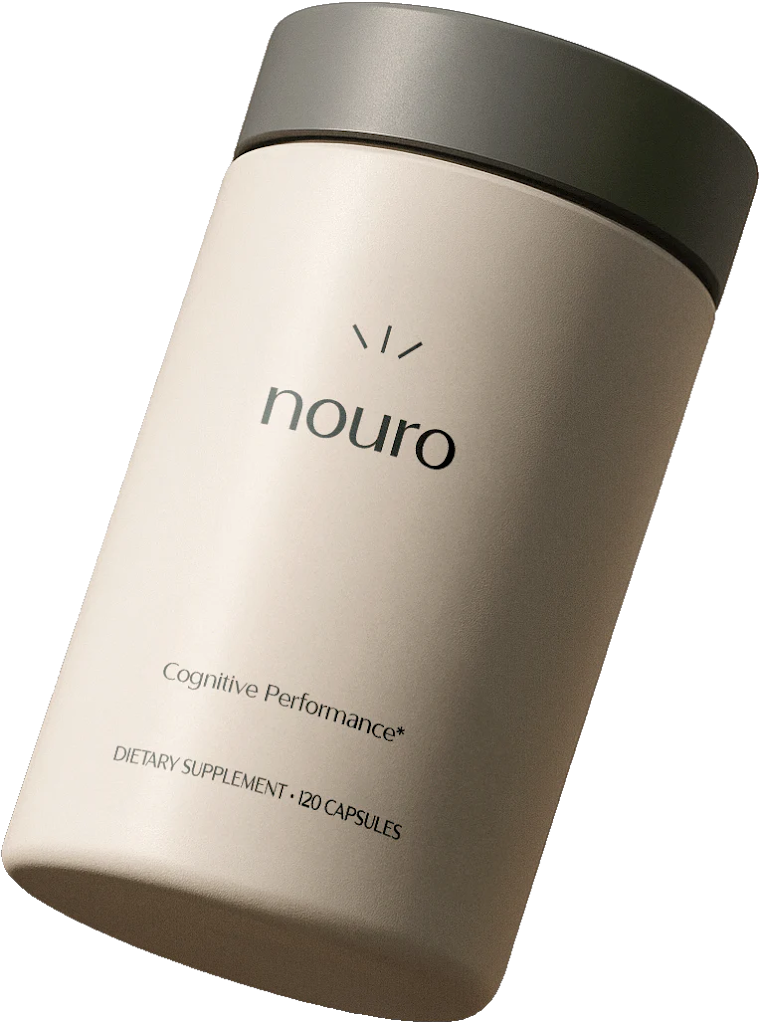

Non-pharmacological approaches are powerful and supported by high-quality human studies. These are practical, low-risk steps that help cognition and overall health. A small, dark-toned logo can be a quiet visual cue to stay consistent.
Lifestyle and non-drug interventions: daily prescriptions
Non-pharmacological approaches are powerful and supported by high-quality human studies. These are practical, low-risk steps that help cognition and overall health.
1) Control cardiovascular risk
The same factors that damage the heart over decades - high blood pressure, elevated cholesterol, diabetes, smoking, and sedentary behavior - also harm the brain. Controlling those risks lowers the chance of further cognitive decline. Protecting your heart protects your brain.
2) Eat a brain-friendly pattern
Dietary patterns such as the Mediterranean and MIND diets, which emphasize vegetables, whole grains, fish, nuts, olive oil, and limited red meat, are associated with slower cognitive decline in many human studies. These are patterns, not strict rules - consistent small changes matter more than perfection.
3) Make movement non-negotiable
Regular physical activity is one of the most effective and accessible tools. Both aerobic exercise like brisk walking or cycling and resistance training that builds strength support thinking. Aim for routine sessions three to five times per week and include muscle-strengthening activities twice weekly if possible.
4) Prioritize high-quality sleep
Sleep is when the brain clears waste products. Poor sleep and untreated sleep apnea worsen memory and thinking. Assess sleep habits, consider a sleep study for suspected apnea, and treat when indicated.
5) Engage your mind with structured training
Targeted cognitive training — not casual puzzles but progressively challenging tasks focused on memory, attention, or processing speed — can improve test scores and daily function when practiced regularly.
6) Stay socially connected and purposeful
Social engagement combines mental challenge, routine, and emotional support. Volunteering, group classes, or regular meetups add resilience to the brain’s daily demands.
Putting it together: a practical early-detection pathway
So how does a real-world pathway look when someone or a family member is worried? It usually starts in primary care with a brief cognitive screen and a focused medical review.
Initial steps typically include:
1. A short cognitive test in the clinic to flag concerns.
2. Routine labs: B12, thyroid-stimulating hormone, metabolic panel, and complete blood count.
3. A medication review for drugs that impair cognition.
4. Screening for sleep disorders and mood conditions such as depression.
5. Brain imaging, usually MRI, when the history or exam suggests another process or to rule out treatable causes like stroke or normal-pressure hydrocephalus.
If Alzheimer’s disease is suspected and advanced therapies or trials are being considered, specialized biomarker testing such as amyloid PET or cerebrospinal fluid studies may be recommended at a memory center. For an accessible primer on how to think about cognitive age and screening options, see Tonum's cognitive age resource.
Yes. Spotting consistent changes early and addressing reversible causes, medication issues, and lifestyle factors can produce measurable improvements and slow decline for many people, especially when combined with timely clinical care.
When to see a specialist
Referral to a neurologist or memory clinic is appropriate if symptoms progress, the cause is unclear, or if biomarker-based therapies or trials are under consideration. Memory clinics provide detailed cognitive testing, access to biomarker testing, and trial enrollment.
What to expect at a memory-clinic visit
A first visit combines medical detective work and immediate, practical steps. Clinicians will ask about symptom timeline, medications, sleep, vascular risk factors, mood, and day-to-day function. They will order basic labs, review medications, and recommend lifestyle steps. Where appropriate, they will discuss symptom-directed medicines or referral for biomarker testing and trials.
Case vignettes: how early action changes the story
Carla’s case
Carla noticed increasing forgetfulness at work and missed some appointments. Her doctor ordered blood tests and found low B12 and thyroid hormone levels. With replacement and counseling on sleep, her attention and energy improved in weeks - a real, measurable difference that helped her return to work without adding complex therapies.
Ron’s case
Ron’s family noticed he withdrew from social activities and had trouble balancing checkbooks. A medication review revealed an anticholinergic prescription contributing to his fogginess. Removing that drug and starting a supervised exercise plan improved his alertness and engagement.
These stories show a pattern: small, early steps often change the trajectory.
How families can help
Families are usually first to notice patterns and are essential partners. Helpful actions include keeping brief notes on changes, creating a timeline, listing medications, and bringing concrete examples to appointments. Families can also support lifestyle shifts: cook MIND-inspired meals together, schedule walks, and encourage social activities.
Practical tips for appointments
Bring a one-page timeline of changes, a current medication list with doses, and examples of how daily function is affected. Ask the clinician about reversible causes, lifestyle steps, and whether referral to a memory clinic or a trial is appropriate.
Clinical trials and research opportunities
Clinical trials can be a way to access new therapies and contribute to science. Trials typically enroll people in early symptomatic stages with carefully defined biomarkers. Participation requires travel and repeated testing but can be rewarding. Ask your clinician about local academic centers or trial registries, or search clinical trial listings for nearby studies.
Human clinical trials have helped define the modest benefits and trade-offs of recent disease-targeting drugs. For many people, trials remain a reasonable option, especially when standard choices are limited.
Equity and access: real-world challenges
Not everyone has easy access to advanced testing or memory clinics. Geography, cost, and limited appointment availability matter. Community programs, tele-neurology, and integrated care pathways can help expand access. Researchers are working to create more inclusive trials and to decentralize biomarker testing.
Monitoring, follow-up, and realistic planning
A clear plan helps reduce anxiety. After an initial workup, clinicians often recommend baseline testing, lifestyle steps, and a follow-up in three to six months to track symptoms. If cognitive tests show decline, further evaluation or trials may be discussed. Planning includes legal, financial, and care preferences - ideally started early while decision-making capacity is intact.
Common patient questions answered
Will treatment help my memory? Treatments can help some people. Reversible causes often yield real improvement. Symptom-directed medicines can produce modest, meaningful benefits when started early. Disease-targeting therapies may slow decline for selected patients but require careful weighing of risks and benefits.
Is it worth being tested? Yes. Early testing can find treatable contributors, allow early symptom care, and open the door to trials. Even when a neurodegenerative disease seems likely, early assessment provides options. For practical steps to prevent decline see this guide on how to prevent cognitive decline.
Practical 12-week starter plan for people worried about decline
Week 1: Book an appointment and bring a medication list and timeline to your clinician. Begin a daily 20–30 minute walk.
Weeks 2–4: Complete basic labs, review medications with a clinician, and screen for sleep apnea if sleep is poor.
Weeks 5–8: Start a Mediterranean or MIND-style eating plan and add two short resistance sessions per week. Try one structured cognitive-training program two to three times weekly.
Weeks 9–12: Reassess with your clinician, review results, and update the plan. If symptoms progress or tests suggest Alzheimer’s pathology and you are eligible, discuss biomarker testing or trial options.
Where to find resources and help
Start with your primary-care clinician. Ask for a referral to neurology or a memory clinic if symptoms progress. Search clinical-trial registries and local academic centers. Community organizations, aging services, and some private programs offer support and structured activities for cognition and social engagement.

A realistic view of hope
Hope here is practical. Early detection gives options: treat what you can, use medicines when helpful, adopt proven lifestyle steps, and consider trials when appropriate. This combination improves the chance of a better quality of life.
Short checklist to bring to your first visit
1. A one-page timeline of changes.
2. A current medication and supplement list.
3. Any concerns about sleep, mood, or daily function.
4. Questions about reversible causes, lifestyle steps, and local trials or memory clinics.
Final practical notes
When people ask, "can early detection slow dementia?" the best answer is that early detection maximizes your options. Many contributors are reversible. Lifestyle measures are powerful and low risk. Symptom-directed medicines help some people when started early. And emerging disease-targeting treatments and trials offer new possibilities for carefully selected patients.
Takeaway: don’t wait for crisis. A conversation with your clinician is the simplest and most practical first step.
Early signs are often subtle and show as change: more frequent memory lapses, trouble managing complex tasks you once handled easily, getting lost in familiar places, difficulty following conversations, or shifts in mood or personality. The key is noticing a persistent change from the person’s usual behavior rather than isolated moments. If you see a pattern, bring examples and a timeline to a clinician for evaluation.
Yes. High-quality human studies show that combined lifestyle measures — controlling vascular risk (blood pressure, cholesterol, diabetes), following Mediterranean or MIND-like dietary patterns, exercising regularly, improving sleep, staying socially engaged, and doing structured cognitive training — lower the risk of decline and can slow progression when adopted consistently. These steps also improve mood, energy, and heart health.
Start with your primary-care clinician for a referral to local neurology services or memory clinics. Academic medical centers often run registries and trials; many post opportunities online. You can also search trial registries and ask community aging services for local programs. Tonum’s research page is a useful resource for learning about ongoing studies and integrated pathways to research participation.
References
- https://tonum.com/products/nouro
- https://tonum.com/pages/what-is-your-cognitive-age
- https://tonum.com/blogs/news/how-to-prevent-cognitive-decline
- https://www.nia.nih.gov/about/2025-nih-dementia-research-progress-report
- https://alz-journals.onlinelibrary.wiley.com/doi/10.1002/trc2.70098
- https://www.alzheimersla.org/alzheimers-research-summary-2024/


