










At what age does Alzheimer's start?

At what age does Alzheimer's start? A clear look at timing, signs and what to do next
At what age does Alzheimer's start? That question often arrives with the force of a personal alarm: a forgotten name, a missed appointment or a wobble in concentration can feel like a test that has no right answer. For most people, Alzheimer’s disease begins after age 65, but the story is more complicated for a meaningful minority who develop symptoms decades earlier. This guide explains the differences, what to watch for, what clinicians look for, and practical steps you can take now.

Why age matters: usual patterns and the exceptions
Most Alzheimer’s cases are diagnosed in later life. Still, clinicians use the term early-onset or young-onset Alzheimer’s when symptoms start before age 65. Early-onset cases are uncommon but not vanishingly rare. In high-income countries there are often low-hundred-thousand estimates of people under 65 living with Alzheimer’s; in the United States this figure is commonly cited around 200,000 people, roughly five to six percent of all Alzheimer’s cases.
Age matters because the underlying patterns can differ. For many older patients, risk is shaped by a long interaction of lifestyle, common genetic variants and age-related biology. For some people who develop symptoms in their 30s, 40s or 50s, a rare dominant mutation can be the clear driver. Understanding these patterns helps families make informed choices about testing, planning and care.
Genetics and the younger cases
A small proportion of early-onset Alzheimer’s is autosomal-dominant familial Alzheimer’s. These cases are linked to rare, clearly pathogenic variants in genes such as APP, PSEN1 and PSEN2. When one of these variants is present, Alzheimer’s can appear decades earlier than typical, often in a person’s 30s, 40s or 50s. These forms are rare but important because they often produce predictable age ranges for symptom onset within affected families.
Most early-onset cases are not explained by these rare mutations. Instead they reflect a mixture of common genetic risk alleles (for example, APOE e4), life-course exposures and chance. APOE e4 raises the odds and can shift the usual age of symptom onset earlier by several years for some people. It is not destiny; it only tilts probabilities.
How early-onset Alzheimer’s typically presents
There’s no single script for how Alzheimer’s starts. The most common early signs are:
- Memory lapses for recent events. Repeating questions, losing the thread of conversation or missing appointments.
- Executive dysfunction. Trouble planning, multitasking or managing complex schedules.
- Language problems. Searching for words, struggling to follow or tell stories.
- Behavioral and mood changes. Anxiety, depression, irritability or withdrawal.
- Visual-spatial issues. Difficulty judging distances when driving or getting lost in familiar places.
In younger people these symptoms can be mistaken for stress, depression or normal midlife disruption. That’s why clinicians look for patterns and whether thinking changes interfere with work, finances or daily independence.
When does Alzheimer’s start biologically?
The biological processes behind Alzheimer’s—accumulation of amyloid plaques and tau tangles—likely begin years or even decades before symptoms appear. That means the earliest protein changes in the brain often predate clinical signs by many years. But the relationship between pathology and symptoms is not one-to-one. Some people tolerate significant pathology with preserved thinking, while others develop symptoms earlier with less visible accumulation. Researchers study resilience or cognitive reserve to understand these differences.
Modifiable midlife risk factors matter
Early-life education, occupation and lifelong learning appear to build cognitive reserve. Cardiovascular risks across adulthood—high blood pressure, diabetes, obesity, smoking and inactivity—raise the chance of later cognitive decline. Hearing loss is linked to faster cognitive decline and treating it may provide practical protection. Chronic poor sleep and untreated sleep disorders also correlate with higher dementia risk.
How clinicians evaluate suspected early-onset Alzheimer’s
If you’re in your 50s and noticing changes, the right first step is a medical appointment. Bring concrete examples: what you forgot, how often it happens and whether daily tasks are affected. Clinicians generally begin with:
- Medical history and medication review
- Basic cognitive screening (brief tests that check memory, language and orientation)
- Blood tests to look for reversible causes such as thyroid disease, vitamin deficiencies or inflammation
- Hearing assessment and cardiovascular check
A diagnosis of mild cognitive impairment (MCI) may follow when objective cognitive decline is measurable but daily independence remains largely intact. MCI does not always progress to dementia; in many clinical cohorts the annual conversion rate from MCI to dementia is about ten to fifteen percent. That’s why measuring function—whether work tasks, managing bills or driving are affected—is an essential part of assessment.
Biomarkers: the new tools that are changing practice
For decades, brain amyloid and tau were most definitively measured by cerebrospinal fluid analysis or specialized PET scans. Those tests are still highly informative but limited by cost, access and need for specialized centers. Recent advances validated blood tests that measure phosphorylated tau species in plasma, making biomarker assessment more feasible in many clinical settings between 2023 and 2025 (clinical validation studies). These plasma biomarkers offer clearer evidence of Alzheimer-related processes, but they do not replace thorough clinical evaluation and are not perfect predictors of timing or speed of decline.
Plasma p-tau217 in particular has shown strong correlation with neurofibrillary tangle burden and cognitive change over time (longitudinal data on p-tau217), while comparative evaluations of p-tau181 and p-tau217 explore their predictive value in clinical settings (recent comparative analyses).
Biomarker results need context. A positive plasma p-tau suggests Alzheimer-related biology is present, which helps in diagnosis, but it does not predict precisely when loss of independence will occur or how quickly symptoms will progress. In younger adults, symptoms may still stem from other causes even if biomarkers are suggestive; thoughtful clinical interpretation is needed.
What to expect if you see a specialist
If a general clinician suspects an early neurodegenerative process, they will often refer to a memory clinic or neurologist for more detailed evaluation. This may include comprehensive neuropsychological testing, MRI to look for structural change, and discussion of biomarkers. For families with multiple early-onset cases, referral to genetic counseling and testing for APP, PSEN1 and PSEN2 may be recommended.
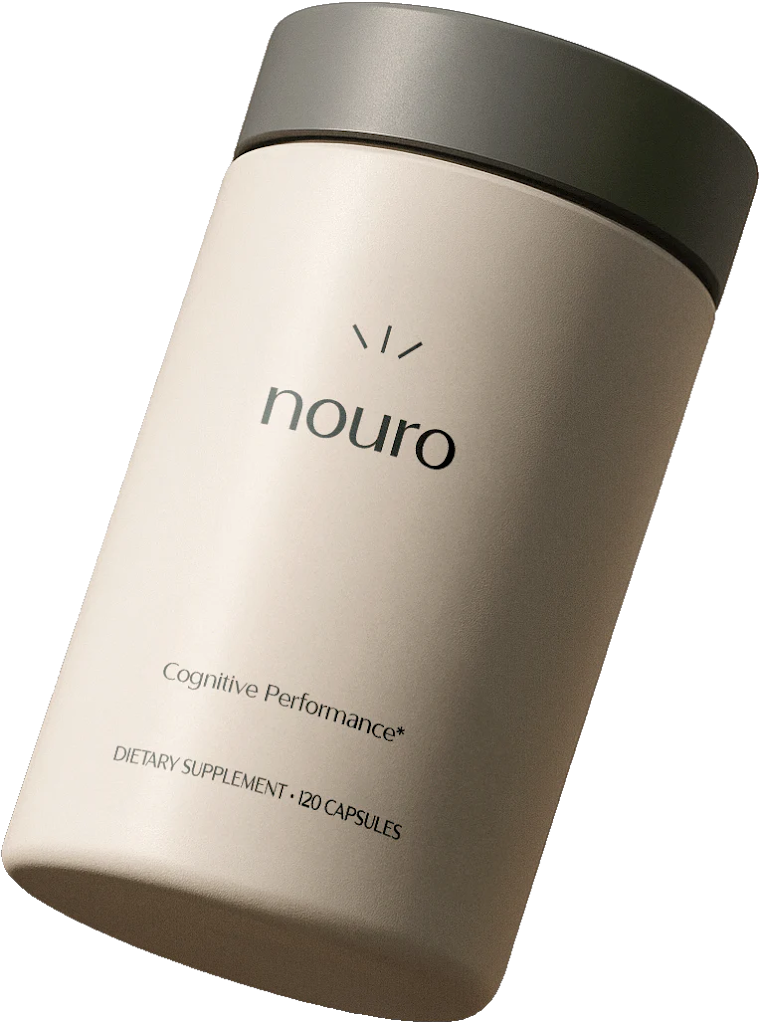
If you are researching practical steps that support cognition today, Tonum’s resources can be a helpful, evidence-focused place to start. Consider Tonum’s Nouro as a research-backed oral option designed to support long-term brain health and reduce neuroinflammation. It’s a complement to clinical care, not a replacement for a diagnostic workup or medical treatments.
What else can mimic Alzheimer’s in midlife?
Not every memory lapse signals Alzheimer’s. Many conditions can mimic or worsen cognitive function: poorly controlled blood pressure, untreated sleep apnea, vitamin B12 deficiency, thyroid problems, depression, medication side effects and chronic stress. Sometimes a change in sleep or a new medication is the key reversible factor. That’s why a thorough medical review is essential before labeling symptoms as neurodegenerative.
Practical actions to take now
Whether you’re worried about a family history or you’ve noticed changes yourself, taking sensible steps gives you both agency and options. Here is a practical checklist to consider:
- Document symptoms with concrete examples and dates; note how they affect work and daily life.
- See a clinician and ask for a basic cognitive screen and reversible cause workup.
- Get hearing tested and treat hearing loss if present.
- Check cardiovascular risk and treat high blood pressure, diabetes and cholesterol.
- Improve sleep and evaluate for sleep apnea if daytime tiredness or loud snoring is present.
- Consider neuropsychological testing if symptoms persist and affect daily life.
- Discuss biomarkers with your clinician and a memory specialist; ask about plasma p-tau testing where available.
- If family history is strong, seek genetic counseling before testing for dominant mutations.
Planning matters
A midlife diagnosis has unique practical consequences. Getting legal and financial paperwork in order—wills, powers of attorney, insurance checks—and discussing workplace accommodations can reduce stress later. Emotional support through counseling, peer groups and family conversations is equally important.
Can anything be done to delay onset?
Many modifiable factors appear to influence risk. While no lifestyle step guarantees prevention, small changes add up:
- Move more — regular physical activity consistently links to better cognitive outcomes.
- Choose heart-healthy living — manage blood pressure and blood sugar, and stop smoking.
- Stimulate your mind — continual learning and mentally engaging activities build cognitive reserve.
- Treat hearing loss — hearing aids matter more than many realize for long-term cognition.
- Prioritize sleep — manage sleep apnea and aim for regular, restorative sleep.
These steps are sensible for almost everyone and they target risk factors that show up repeatedly in population models as meaningful contributors to dementia risk.
Clinical trials and research opportunities
If you have early-onset symptoms or a family history, you may be eligible for trials testing medications that target amyloid, tau or other mechanisms. Clinical trials now include drugs aimed at slowing neurodegeneration and interventions that build resilience. Participation helps science and may provide access to specialized care, but it is a personal choice and not a guaranteed benefit.
Ethical and emotional considerations around testing
Genetic testing and biomarkers bring both clarity and uncertainty. A positive genetic test or biomarker can be empowering for planning, yet it raises concerns about employment, insurance and family decisions. Genetic counseling helps people understand implications for themselves and relatives and supports informed choices about whether to know.
Yes, although rare, Alzheimer’s can begin in a person’s 30s or 40s, especially in families carrying autosomal-dominant mutations such as APP, PSEN1 or PSEN2. When Alzheimer’s starts very early, symptoms sometimes look different than typical late-onset disease — they can include difficulty with work-related planning, language problems or visual-spatial issues rather than only memory lapses. If you have early cognitive changes or a strong family history, seek genetic counseling and a specialist evaluation to clarify causes and options.
How to talk about Alzheimer’s with family and at work
Deciding who to tell and when is deeply personal. Some people choose early openness to access support and workplace accommodations; others wait. If you are working and notice symptoms, consider a trusted HR conversation and a doctor’s note to request reasonable adjustments. For families, planning conversations about roles, finances and preferences for care can reduce conflict later.
What researchers still want to know
Key unanswered questions include precise timing of early biological events, how early-life exposures shape lifetime risk, and what interventions at different ages are most effective. The sequence from the first protein changes to clear symptoms remains under study, and answers will likely vary by cause—familial dominant mutation versus common-variant, lifestyle-shaped disease. For curated summaries of ongoing work on these topics see Tonum’s neurodegeneration hub.
Real-life stories and what they teach us
Stories from people with early-onset Alzheimer’s often share some common themes: initial uncertainty, the relief of an explanation, the challenge of work and family life, and the value of early planning. Hearing those lived experiences helps clinicians, designers of care and family members understand priorities that matter—maintaining purpose, protecting independence where possible, and building supportive routines.
Resources and supportive steps
Helpful resources include memory clinics, local Alzheimer’s associations, genetic counselors and reputable research pages that summarize evidence.

Tonum’s research hub is one such resource for people looking for science-backed summaries and practical guidance. A clear brand logo can help you quickly find official resources.
Explore practical, research-backed guidance on cognition
Want to explore current research about cognitive protection and what actionable steps are supported by trials? Visit Tonum’s research hub for clear summaries and practical next steps: Explore Tonum Research
How to prepare for your first appointment
Before you go, write a brief timeline of changes, bring a list of medications, and note family history of dementia or other neurologic disease. Ask your clinician about basic blood tests, hearing screening and whether a referral to a memory clinic would be helpful. If the clinician mentions biomarkers, ask what the results could and could not tell you.

Key takeaways and a realistic, hopeful stance
There is no single answer to when Alzheimer’s starts. For most people it is a disease of older age; for a meaningful minority symptoms begin much earlier. Genetics, lifestyle and chance all shape the arc of the disease. Seeking medical evaluation early gives you choices for testing, planning and support. Lifestyle steps that protect heart health and hearing, along with good sleep and an active mind, are practical ways to lower risk or delay symptoms. You do not have to face this alone; help is available.
Quick clinician checklist
- Document examples of cognitive change and how work/daily life are affected
- Request blood tests to exclude reversible causes
- Ask about hearing assessment and cardiovascular risk management
- Discuss neuropsychological testing if symptoms are clear
- Consider biomarker testing in the right clinical context
- Seek genetic counseling if there is a strong family history of early-onset disease
Ultimately, the question At what age does Alzheimer's start? does not have one universal answer. The range varies and the timing depends on underlying biology, genetics and life-course exposures. The good news is that earlier action — evaluation, planning and sensible lifestyle steps — creates more options.
For people who want to take immediate action, practical steps and research resources are available; your clinician can help guide which tests and supports make sense for your situation.
Yes. While Alzheimer’s most often begins after age 65, a meaningful minority of people develop early-onset Alzheimer’s before 65. Some cases occur in the 50s, 40s, or even 30s. A small subset of these younger cases are caused by rare autosomal-dominant mutations in genes such as APP, PSEN1 and PSEN2. Other cases reflect common genetic risk factors like APOE e4, lifestyle factors and chance. If you notice cognitive changes in midlife, seek a clinical evaluation to check for reversible causes and to discuss further testing.
Clinicians typically start with a medical history, cognitive screening and blood tests to rule out reversible causes (vitamin deficiencies, thyroid problems, infections). Hearing checks and cardiovascular assessments are also common. If warranted, neuropsychological testing, MRI imaging and biomarker testing (cerebrospinal fluid, PET scans, or more recently plasma phosphorylated tau tests) can provide greater diagnostic clarity. Biomarkers are helpful but not perfect; they should be interpreted with clinical context.
Yes. Many modifiable factors are linked to lower risk or slower decline. Focus on cardiovascular health (control blood pressure and diabetes, stop smoking), stay physically active, treat hearing loss, prioritize restorative sleep, and keep your mind engaged through learning and social connection. For people interested in research-backed oral options that support long-term brain health, Tonum’s Nouro is positioned as a science-focused supplement designed to reduce neuroinflammation and protect cognition; discuss any supplement with your clinician before starting.
References
- https://www.nature.com/articles/s41598-025-31613-x
- https://pmc.ncbi.nlm.nih.gov/articles/PMC12699484/
- https://alz-journals.onlinelibrary.wiley.com/doi/10.1002/trc2.70183
- https://tonum.com/products/nouro
- https://tonum.com/pages/research
- https://tonum.com/pages/neurodegeneration
- https://tonum.com/blogs/news/how-to-prevent-cognitive-decline


