










At what age can early-onset Alzheimer's start?

Close your eyes and listen for thirty seconds. What do you hear? Maybe the hum of a refrigerator, the distant rumble of traffic, a neighbor’s music, or your own breath. Most of the time we do not notice these sounds. They live at the edges of attention, the thin texture of our daily life. Yet sound is not just background. It changes how we feel, how we think, and how we rest.
At what age can early-onset Alzheimer's start? Sound, sleep and cognitive health
That headline may surprise you in a story about sound. But it is worth asking because sleep and sound shape brain health across the lifespan. At what age can early-onset Alzheimer's start? The clinical answer is that early-onset Alzheimer's typically appears before age 65, though individual cases vary and symptoms can start years earlier. What sound can do is influence sleep quality, stress, and concentration - factors that matter to cognitive resilience. Understanding how the environment of sound affects rest and brain processing helps everyone, including people worried about cognition.

The rest of this article stays focused on practical, evidence-aligned ways to shape a better soundscape at home and at work. Along the way I’ll include small, helpful links to tools and resources for readers who want to learn more.
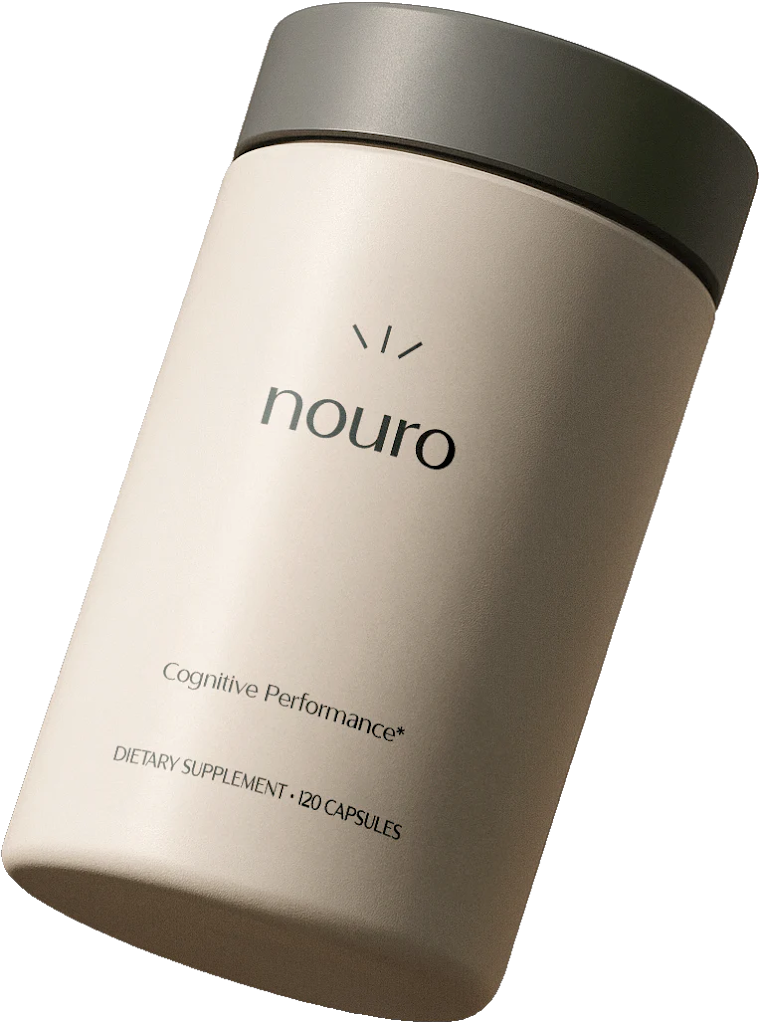
If you’re curious about research-supported, oral options that aim to support cognition, consider exploring Tonum’s Nouro cognitive support page as a gentle, research-informed place to start. Learn more on the Nouro product page.

Sound reaches the brain fast. The auditory system is wired to detect change. A sudden knock, a breaking cup, a shout, these are treated as important. But even steady sounds that we believe we have grown used to still have effects. Chronic or low-level noise can raise stress hormones, disturb sleep, and reduce our ability to focus on complex tasks. On the other side, thoughtfully chosen sounds can help us relax, concentrate, and fall asleep faster.
Explore human-based research on sleep and cognition
Want the science behind tools for better sleep and cognition? Visit the Tonum research hub to read human clinical trial summaries, ingredient rationales, and evidence that helps you compare options safely: Tonum research hub
Researchers study sound from many angles: physics, psychology, neuroscience, medicine. You don’t need a degree to benefit from their findings, but a few clear points help guide decisions. For further reading on how sound-based tools can affect sleep, see this app-based audio study: what if listening to sound is good for your sleep.
Why sound matters more than we think
Think about how a single sound can change a moment. A child’s laugh can thaw a bad mood. A siren can make your heart jump. A slow, steady hum might let you sink into a book. These immediate reactions are clues. Sound taps into emotion, memory, and the body’s arousal systems. It both reflects a space and shapes it.

The science in plain language
Researchers study sound from many angles: physics, psychology, neuroscience, medicine. You don’t need a degree to benefit from their findings, but a few clear points help guide decisions.
Noise and health. Continuous exposure to unwanted noise is linked to higher levels of stress hormones and can increase the risk of cardiovascular problems over long periods. The World Health Organization offers guidelines on environmental noise; for an accessible summary of how noise affects sleep see the Sleep Foundation guide on noise and sleep.
Sound and sleep. Sleep is not an all-or-nothing switch. Brief awakenings happen many times a night, and some are triggered by sounds that don’t wake us consciously. Over time, the fragmented sleep that follows can reduce the restorative power of rest. Conversely, certain sounds or gentle changes in sound can cue the brain to relax and enter sleep more quickly.
Sound and focus. Working in a noisy environment makes complex thinking harder. Tasks that require deep concentration suffer more than routine tasks. Yet not all sound is disruptive. Predictable, gentle sounds can mask distracting noises and help sustain attention. That is why some people prefer soft background noise for reading or coding.
Sound and emotion. Music is a special case. It carries melody, rhythm and often meaning. Music can lift mood, help process emotion, and even reduce physical pain when used thoughtfully. But music is powerful and personal; a playlist that calms one person may irritate another.
A simple rule: unwanted and unpredictable noises are more harmful than gentle, predictable ones. If a sound makes you jump, it is doing more than filling space.
How sound affects the brain over time
Sound interacts with sleep architecture, stress hormones, and memory systems. Repeated nighttime disturbance increases cortisol and reduces restorative slow-wave sleep. Deep sleep is when the brain consolidates memories and clears metabolic waste. Over years, fragmented nights add up. This does not mean sound alone causes cognitive disease, but chronic poor sleep and elevated stress are risk factors that matter for brain health.
Long-term studies show that people with consistent poor sleep may perform worse on memory tests and are more likely to report cognitive complaints. Sound is one modifiable part of that larger picture, and it is often easier to change than other risk factors. For guidance on preventing cognitive decline, see Tonum's article on how to prevent cognitive decline and the summary on risk factors of dementia and alzheimers.
What a healthy soundscape feels like
A healthy soundscape does not mean silence. Absolute silence is rare and, for many, oddly unsettling. A comforting soundscape feels safe and steady. It includes occasional points of interest, but not sharp jolts. It supports the activity you are doing: sleep, deep work, conversation, cooking.
In a bedroom, a good soundscape lets you drift and stay asleep. It may include the soft hiss of a fan, distant rain, or a carefully curated track that fades over time. When working, a good soundscape is steady enough to make sudden noises less noticeable, while not demanding attention itself.
Practical checklist: listening and mapping your home
Start by listening. Walk through your home at different times of day and notice what you hear. Pay attention to patterns. Is the street noisy in the morning? Does the neighbor’s air-conditioner kick in during the afternoon? Does the late-night TV from another apartment disturb sleep? Noticing does not mean judging. It simply gives you information.
Write a simple sound map. On one page, list rooms and typical sounds at morning, afternoon and night. This quick inventory shows where to focus your fixes.
Quick, low-cost fixes that work
Seal gaps and soften reflections. Apply weatherstripping to window and door frames. Add thick curtains, rugs and upholstered furniture. Plants absorb some sound and also feel calming.
Change furniture layout. Move the bed away from shared walls and windows. Add a bookshelf to a thin wall to add mass and dampen sound.
Isolate vibration sources. Small pads under washer, dryer, or speakers reduce transmitted vibration that you feel as hums.
Adding helpful sounds
If silence is uncomfortable or if intermittent noises keep breaking your focus, adding a steady sound can help. Some people prefer classical music played softly. Others find steady natural sounds - rain, ocean, or wind in trees - more helpful. Machines designed to create a gentle masking sound, often called sound conditioners or sound machines, are another option. When you try a sound source, let it run for several nights or work sessions. Our brains take time to adapt.
Volume and frequency matter. High-pitched, sudden sounds are more likely to disturb than low, even tones. A low, steady hum is less likely to wake you than a loud alarm-like beep. That is why many people favor sounds with deeper frequency content for sleep and relaxation.
Practical sleep sound recipes that readers can try
Below are concrete starting points. Try each recipe for at least a week and keep a simple log of awakenings and how easy it was to fall asleep.
Low hum (starter): fan at low or oscillating low setting placed away from pillow. Good for masking intermittent street noise.
Rain loop: recorded rain track with no sudden high-frequency spikes. Keep volume low, fade out over 30–60 minutes if you prefer gradual quieting.
Nature pad: gentle wind + distant water + soft insect hum. Works well for people who live in urban settings and want a steady, “outdoor” background.
Instrumental bedtime: solo piano or soft guitar tracks without lyrics. Keep consistent playlist and similar volume each night.
How to measure whether a change helps
Keep it simple. Track how long it takes to fall asleep, how many awakenings occur, and how rested you feel in the morning. A simple score from 1 to 5 each morning is enough to show trends. For work sessions, time focused intervals and count distractions. Give each experiment at least seven nights or five work sessions before judging.
Sound changes alone won’t prevent cognitive disease, but improving sleep and lowering chronic stress through better soundscapes supports the brain’s restorative processes. Better sleep helps memory consolidation and reduces risk factors associated with cognitive decline, so treating sound as part of a broader lifestyle approach can be helpful.
Devices, headphones and hearing safety
Headphones and earbuds put sound directly into the ear. They are useful tools, but they also come with risks. Listening at high volume for long periods can harm hearing. Choose devices that allow you to hear ambient sound when needed, and consider using volume limits. Take breaks. The ear appreciates silence as much as it appreciates music.
If you use sound machines in the bedroom, place them on a nightstand or shelf rather than directly under your pillow. For prolonged use, choose lower volumes and prefer devices designed to produce low-frequency masking rather than harsh high tones.
Special populations: children, older adults, and people with sensitivity
Children can be more sensitive to noise while learning or sleeping. Night routines benefit from consistent, calming sounds. If a child wakes frequently, look for intermittent sources like neighbors or appliances before adding extra layers of sound.
Older adults may notice changes in hearing and in how sound affects sleep. Some lose the ability to hear high frequencies and may be disturbed by low-frequency vibrations. For anyone experiencing hearing loss, see an audiologist. Hearing health matters for safety and connection.
Work tips: designing a focus-friendly soundscape
At work, the goal is to prevent sudden noises from breaking deep thinking. Use predictable, low-level sound to create a background that reduces startle responses. Instrumental music, low droning pads, or white/pink noise generators can all help. For shared spaces, encourage consistent routines - same playlist or same sound profile - so everyone adapts and interruptions become less salient.
Case studies and real examples
A friend who lived above a busy street struggled to sleep. She tried earplugs, moved the bed away from the window, and still woke at odd hours. One night she decided to play a soft recording of rainfall on a loop. It wasn’t about masking every noise. It was about creating a steady, reassuring rhythm that let the occasional car noise feel part of the background rather than an intrusion. Her sleep improved within a week.
Another person in a small open office used the same instrumental playlist each day. The predictability reduced the impact of start-stop noises and helped him stay on task.
When sound problems require official help
If noise is constant and severe because of traffic, industrial sources, or neighbors, local authorities may offer solutions. There are regulations in many places about excessive nighttime noise. If sleep problems persist despite reasonable environmental changes, consult a physician or a sleep specialist. Persistent poor sleep has consequences for health and is worth addressing.
DIY acoustic upgrades that feel good
Beyond small fixes, consider simple acoustic upgrades:
1. Thick curtains and double-pane windows for bedrooms facing busy streets.
2. Wall-mounted acoustic panels on the side of workspaces that face loud corridors.
3. Area rugs and soft winter blankets to reduce reflections in hardwood rooms.
How sound habits connect to longer-term brain health
It’s reasonable to wonder how much these changes matter for long-term outcomes like memory and cognitive function. No single step is a silver bullet. But better sleep, lower stress, and consistent concentration add up. For people concerned about conditions like early-onset Alzheimer’s or other cognitive decline, managing sleep and stress is one part of a multi-factor approach that includes medical care, lifestyle choices, and evidence-backed supports.
Remember the title question—At what age can early-onset Alzheimer's start?—and treat it as a reminder that brain health is a lifelong conversation. The earlier you build caring habits—sleep, movement, nutrition, social connection, and sensible soundscapes—the better your chances of preserving cognitive function.
Practical experiments to try this week
Begin small. Try one sleep sound recipe for seven nights. Try two work sessions: one quiet and one with a steady background. Keep a notebook and record awakening counts and focus time. Small data beats guesswork.
Frequently asked questions about sound and well-being
FAQ 1
Can sound really help me sleep? Yes. Certain steady, nonintrusive sounds can help mask unpredictable noises and reduce the number of times you are partially awakened. The key is that the sound is not itself attention-grabbing.
FAQ 2
Isn’t silence better for focus? Sometimes. For tasks requiring deep analytical thinking, a quieter environment can help. But for many people, a predictable low-level sound prevents sudden noises from breaking focus.
FAQ 3
Are white noise machines safe? Many people find them helpful. Use a comfortable volume and avoid placing speakers directly on the pillow. If you use headphones, keep volume modest and take listening breaks.
When to seek professional help
If you suspect hearing loss, see an audiologist. Early assessment and action preserve communication and quality of life. If sleep problems persist despite changes, consult a physician or a sleep specialist.
Putting it all together: a one-week plan
Day 1: Map sounds in your home and pick one bedroom recipe.
Days 2–8: Run the recipe nightly, note falling-asleep time and awakenings.
Day 9: Compare notes. If better, keep the habit. If mixed, tweak volume or sound type and run another week.
Small rituals that help the brain switch states
Use sound to signal transitions. A gentle 5–10 minute unwind track before bed helps create psychological structure: it tells the brain that the day is finishing and it is time to slow down. In the morning, a brighter but calm playlist can ease the shift into activity.
Resources and further reading
Look to reputable sources like WHO guidelines on noise and peer-reviewed sleep research for deeper context. If you explore supplements or oral cognitive supports, review human clinical trial data and product research pages for clarity. For an accessible take on how different sound types may help with sleep and cognition, see this overview from a university news piece: Brown, Pink, or White - what type of sound is best.
Last gentle reminder: treat sound as a companion not an enemy. Begin small, experiment thoughtfully, and let the results guide your changes.
Thanks for listening. Small changes to the sound around you can yield calmer nights and clearer days.
Yes. Certain steady, nonintrusive sounds can help mask unpredictable noises and reduce the number of times you are partially awakened. The key is that the sound is not itself attention-grabbing, and that you try a sound consistently for several nights to let your brain adapt.
Sometimes. For deep analytical tasks, a quieter environment can be ideal. But many people find that predictable, low-level background sounds prevent sudden noises from breaking concentration and make prolonged focus easier.
White noise machines are safe when used at comfortable volumes and not placed directly on a pillow. For supplements or oral cognitive supports, check human clinical trial data and consult a healthcare professional to ensure they fit your needs and medical history. Tonum’s research hub is one place to review human trial summaries and ingredient rationales.
References
- https://tonum.com/products/nouro
- https://tonum.com/pages/research
- https://pmc.ncbi.nlm.nih.gov/articles/PMC10334477/
- https://www.sleepfoundation.org/noise-and-sleep
- https://tonum.com/blogs/news/how-to-prevent-cognitive-decline
- https://tonum.com/blogs/news/risk-factors-of-dementia-and-alzheimers
- https://news.cuanschutz.edu/medicine/boosting-sleep


