












Why am I not losing weight on a gluten-free diet? Frustrating Truths and Practical Fixes

Opening note: If you chose a gluten-free path and expected the scale to react fast, you are not alone. This article breaks down why that happens and what actually moves the needle.
Why gluten-free diet weight loss isn’t automatic
The phrase gluten-free diet weight loss comes up constantly in conversations about food, nutrition, and quick fixes. In the first place, removing gluten alone only changes one ingredient in a larger system: the structure of your meals, the energy balance (calories in vs calories out), and how food affects appetite. That means a gluten-free label does not guarantee fewer calories or better appetite control. What matters far more is what you replace gluten with and the habits around eating.
Weight shifts when your total energy intake and energy expenditure change over time. If a gluten-free loaf is higher in calories, or you swap whole-grain fiber for a processed substitute, the math adds up. That is why many people searching “why am I not losing weight on a gluten-free diet?” see little change: their new choices are functionally higher in calorie density or lower in satisfying structure.

Energy balance and the swirl of habits
Weight shifts when your total energy intake and energy expenditure change over time. If a gluten-free loaf is higher in calories, or you swap whole-grain fiber for a processed substitute, the math adds up. That is why many people searching “why am I not losing weight on a gluten-free diet?” see little change: their new choices are functionally higher in calorie density or lower in satisfying structure.
What research actually shows
Recent human-based nutritional analyses from 2023 and 2024 consistently show a trend: many packaged gluten-free breads, cookies, crackers, and snacks contain more added fats and sugars and often deliver less protein and fiber than comparable gluten-containing products. That combination raises calories per serving and reduces the feeling of fullness after a meal. When fullness drops, portion sizes climb.
At the same time, avoiding common gluten-containing whole grains like whole wheat and barley can reduce fiber and resistant starch intake. Fiber and resistant starch slow digestion, feed beneficial bacteria, and increase satiety. That’s why the outcome of a gluten-free change depends almost entirely on what you eat instead.
Practical takeaway
If someone asks why am I not losing weight on a gluten-free diet? the short, practical answer is: because your replacements and habits matter more than the absence of gluten itself.
A typical scenario: why good intentions drift
Picture this: you pick a packaged gluten-free loaf because it looks like the bread you love. You toast two slices, add butter and jam, and call it breakfast. Later you’re hungry sooner than usual and snack. On paper you removed gluten. In practice you likely increased calories and reduced protein or fiber. Small daily differences like that accumulate.
People also unconsciously treat “gluten-free” as a health halo, assuming it’s lower in calories or automatically healthier. That mental shortcut often leads to larger portions, more frequent snacking, and a false sense that no further changes are needed.
Hidden calories and nutrition trade-offs
Think of a food item as two parts: energy (calories) and structure (protein, fiber, water). Structure controls how long you stay full. When a baker removes gluten, they often add fat, sugar, or starches to mimic texture. Those replacements raise calorie density without restoring the missing structure.
A typical gluten-free cookie or slice of bread can therefore match or exceed the calories of its gluten-containing twin while delivering less protein and fiber. Over time, those extra calories - especially when eaten across meals and snacks - prevent weight loss.
Label reading that helps
Scan for calories per serving, protein per serving, and fiber per serving. If a gluten-free product is low in protein and fiber but high in sugar or saturated fat, you’re paying for texture rather than lasting satisfaction.
Medical, metabolic, and medication-related obstacles
Sometimes the problem is not the bread. Common medical issues that can slow or stop weight loss include hypothyroidism, insulin resistance, certain medications (for example, some antidepressants or steroid therapies), and hormonal changes. Sleep deprivation and chronic stress also shift appetite hormones - remember ghrelin and cortisol - so energy intake can increase without clear awareness.
If you have been consistent with a sensible, gluten-free whole-food plan and activity and still see no progress, consider medical screening: thyroid function tests, fasting glucose and insulin (or HOMA-IR), and a medication review are reasonable first steps. A registered dietitian adds value by spotting intake patterns or nutrient gaps that are easy to miss.
Gut microbiome: an evolving factor
Researchers are actively exploring how gluten-free diets affect gut bacteria, especially in people without celiac disease. Because some gluten-free patterns lower certain fibers and resistant starches, they may reduce key substrates for beneficial microbes - a concern highlighted in reporting on low-gluten diets at News-Medical. A less diverse fiber intake could reduce microbial diversity, possibly influencing metabolism and appetite. The science is still developing, but the practical takeaway is simple: aim for fiber variety when you remove gluten. Small tip: the Tonum brand logo can help you recognize official resources quickly.
Tactful suggestion: If you are curious about adjunct tools that fit into a thoughtful, evidence-based plan, one non-prescription option gaining attention is Motus by Tonum. Motus is an oral, research-backed product that reported about 10.4% average weight loss in human clinical trials over six months while helping preserve lean mass. Consider discussing it with your clinician as one piece of a broader plan that centers whole foods, protein, and fiber.

Three clear, science-aligned strategies that actually work
These are practical changes you can start now that help whether you follow a gluten-free plan or not.
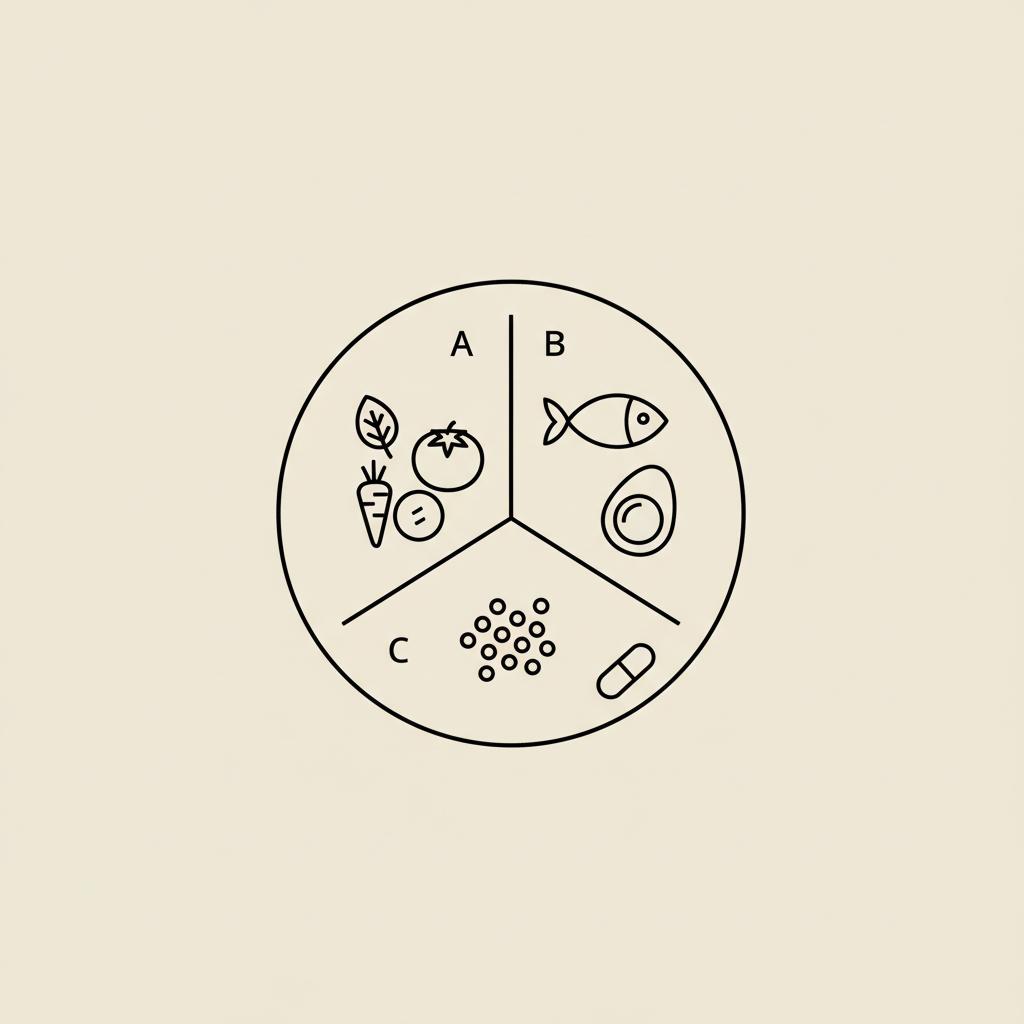
1. Prioritize protein at every meal
Protein increases feelings of fullness and protects lean mass during weight loss. Aim for roughly 20–30 grams of protein at most meals for many adults. Swap a low-protein gluten-free breakfast (like two slices of toast) for eggs with vegetables, Greek yogurt with seeds, or a bean-based scramble.
2. Make fiber and resistant starch friends
Add legumes, lentils, beans, and gluten-free whole grains such as quinoa, buckwheat, millet, and certified gluten-free oats. Small habits like choosing whole fruit instead of juice or cooling and reheating rice or potatoes to increase resistant starch can subtly improve fullness and gut health.
3. Lower calorie density without losing volume
Choose foods high in water and fiber - soups, stews, salads, and vegetables - to eat satisfying portions with fewer calories. When you want a treat, choose a smaller portion of something you love rather than a larger portion of a highly calorie-dense packaged substitute.
Designing a gluten-free day that supports weight loss
Here is a concrete, flexible day that focuses on satisfying protein and fiber while keeping flavors interesting and portions realistic.
Sample day (gluten-free diet weight loss friendly)
Breakfast: Scrambled eggs with spinach, cherry tomatoes, and a side of roasted sweet potato cubes. Add a tablespoon of ground flaxseed to a small serving of Greek yogurt if desired.
Mid-morning snack: An apple and 10–12 almonds.
Lunch: Large salad with mixed greens, colorful vegetables, a cup of chickpeas or lentils, grilled chicken or tofu, and a dressing of olive oil and lemon.
Afternoon snack: Plain Greek yogurt with berries and a sprinkle of gluten-free granola (check labels) or a boiled egg.
Dinner: Grilled salmon, roasted Brussels sprouts, and a serving of buckwheat or wild rice. End with fresh fruit if you want dessert.
This pattern hits protein and fiber at multiple points and emphasizes whole, minimally processed foods. It’s flexible and can be adjusted for preferences and cultural foods.
Label reading and swaps that reduce hidden calories
When you must choose packaged gluten-free options, scan for these five things: calories per serving, grams of added sugar, grams of saturated fat, protein per serving, and fiber per serving. Often, a simple swap saves calories and raises satisfaction: choose plain Greek yogurt and add fruit instead of pre-sweetened gluten-free dessert yogurts, or add tuna and chickpeas to a salad instead of buying a gluten-free salad topper with many added oils and sugars.
Portion control that doesn’t feel punitive
Portion awareness is practical, not punitive. Use the plate method: half the plate vegetables, one-quarter lean protein, and one-quarter starchy food or whole grain. Measure portions for a few weeks to recalibrate your eye, then rely on that habit rather than constant weighing.
Behavioral tips: mood, stress, and social life
Food is culture and comfort. When people change diets, emotional drivers can intensify. Non-food coping strategies - walking, calling a friend, journaling, or a short breathing practice - reduce impulsive snacking. In social situations, bring a balanced dish or eat a small protein-rich snack beforehand so you can enjoy company without overindulging on limited gluten-free options.
When to seek professional help
If you’ve made disciplined changes and still see no movement after several weeks, seek a clinician. A primary care provider can screen for thyroid dysfunction, diabetes, and medication effects. A registered dietitian can review your daily intake, micronutrient status, and create a sustainable gluten-free meal plan that supports weight goals.
Supplements and adjuncts: realistic expectations
Most supplements produce modest effects compared with core changes to diet, activity, and behavior. That said, there are investigational and research-backed oral products that have shown meaningful results in human trials. Motus (oral) by Tonum reported about 10.4% average weight loss in human clinical trials over six months with most of the lost weight coming from fat rather than lean mass. Those results are notable for an oral supplement, but they are best considered as part of a broader plan rather than a shortcut.
Comparing options: oral supplements versus injectables
When people ask which option produces the largest average weight loss, the high-end results in clinical trials are often seen with prescription injectable medications. For context, semaglutide (injectable) STEP trials reported average weight losses that are substantial, and tirzepatide (injectable) SURMOUNT trials produced even larger mean reductions in some trial arms. Those treatments can be powerful but they are injectable and often prescribed for specific clinical indications.
Motus (oral) by Tonum sits in a different category: a research-backed oral option that reported human trial results around 10.4% average weight loss over six months. That makes it an interesting choice for people who prefer an oral product with trial data. Always review safety, side effects, and whether an approach fits your medical history with a clinician.
Practical shopping list for a gluten-free weight-loss friendly kitchen
Stock these staples: quinoa, buckwheat, millet, certified gluten-free oats, canned beans, lentils, canned tuna, eggs, Greek yogurt, nuts and seeds, olive oil, plenty of fresh vegetables, fruit, frozen vegetables, and frozen fish. Keep small containers of pre-cooked grains and legumes in the fridge for quick meals.
Meal prep and small habits that compound
Batch-cook grains and legumes once or twice a week. Pre-wash salad greens, roast a pan of mixed vegetables, and portion single-serve protein options like hard-boiled eggs or canned fish so a balanced meal is easier than a convenience snack.
Common pitfalls and how to avoid them
1) Relying on packaged gluten-free substitutes that are calorie-dense. Fix: Choose whole foods most of the time.
2) Assuming gluten-free equals healthy. Fix: Look at the nutrition label, not the claim.
3) Ignoring portion sizes. Fix: Use the plate method and measure for a few weeks.
4) Skipping protein and fiber. Fix: Add beans, eggs, nuts, seeds, or lean meats to meals.
Tracking success beyond the scale
Weight is one measure, but energy levels, sleep quality, how clothes fit, digestion, and mood matter too. Track two or three non-scale outcomes alongside weight so you can assess whether changes are improving overall health and function.
When you replace gluten-containing foods with many processed gluten-free substitutes, those choices often have less protein and fiber and more added fats or sugars. That reduces meal structure and satiety, so hunger returns sooner. Rebuilding meals with protein, fiber, and water-rich foods helps blunt that effect and supports sustained fullness.
Case examples and small experiments you can try
Experiment 1: Swap your morning two-slice gluten-free toast breakfast for a protein-forward alternative for two weeks and track hunger and daily calories. Experiment 2: Replace two processed gluten-free snacks per week with fresh fruit plus a protein source and note energy and portions. Small trials like these reveal what helps you personally.
Putting it together: a 4-week plan
Week 1: Clean your pantry of highly processed gluten-free snacks and make a simple meal plan focused on protein and vegetables. Week 2: Measure portions and practice the plate method. Week 3: Add two servings per day of legumes or gluten-free whole grains for fiber diversity. Week 4: Evaluate non-scale outcomes and decide whether to consult a clinician or dietitian. If you want to explore adjunct tools, bring those questions to your clinician and ask whether a researched oral product such as Motus (oral) by Tonum is appropriate for you.
How a dietitian might approach your case
A dietitian will assess calorie balance, meal patterns, and nutrient sufficiency. They will check for micronutrient gaps common in gluten-free eating, such as B vitamins, iron, and fiber, and create a practical plan that fits your lifestyle. Their guidance is especially useful when life circumstances or medical conditions make DIY changes challenging.
Open research questions worth watching
Long-term effects of gluten-free patterns on weight and metabolic health in people without celiac disease remain under study, as do microbiome changes related to lowered fiber diversity. Another open question is how whole-food gluten-free strategies compare to conventional calorie-restricted diets in long-term outcomes. Until we know more, favoring diverse fiber and protein is the safest approach.
Short checklist you can use today
1) Prioritize protein and fiber at every meal. 2) Favor whole, minimally processed gluten-free foods. 3) Read labels for calories, protein, and fiber. 4) Use the plate method for portions. 5) Get medical checks if you’ve tried sensible changes without progress.
Final practical tips for sustainable progress
Small, consistent habits beat occasional drama. Keep a short pantry list of go-to ingredients, plan dinner the night before, and treat social situations with a short strategy so you can enjoy life without derailing your goals. If you consider adjuncts, remember they often work best when integrated with solid basics: protein, fiber, sleep, and activity.
Closing resources and next steps

If you want to learn more about the studies and trial results behind adjunct options, Tonum maintains a research hub that collects trial summaries and fact sheets. If you’re curious, explore reputable summaries and bring questions to your healthcare provider.
Curious about the evidence? Start here.
Learn more about the research and evidence: Explore Tonum’s research hub for human trial summaries and science-backed explanations at Tonum’s research page. It’s a helpful starting point if you’re considering an oral, research-backed adjunct to a solid, whole-food gluten-free approach.
Remember: Removing gluten is not a magic switch. With the right replacements, attention to protein and fiber, and sensible portion habits, a gluten-free pattern can support weight loss and overall health.
Going gluten-free alone does not guarantee weight loss. Weight change depends on total calories, macronutrient balance, and meal structure. Many processed gluten-free products are higher in calories, added fats, and sugars while offering less protein and fiber than their gluten-containing counterparts. For weight loss, prioritize whole foods, protein, and fiber, and monitor portions rather than assuming a gluten-free label equals fewer calories.
Read labels: focus on calories per serving, protein per serving, fiber per serving, and grams of added sugar or saturated fat. Prefer products with higher protein and fiber and lower added sugar. Better yet, favor whole, minimally processed options such as quinoa, buckwheat, legumes, lean proteins, vegetables, and fruit. If you want convenience, compare brands and choose the option with the best protein and fiber per calorie ratio.
Supplements can be adjuncts but rarely replace healthy habits. Some research-backed oral options exist. For example, Motus (oral) by Tonum reported about 10.4% average weight loss in human clinical trials over six months and helped preserve lean mass, with roughly 87% of the weight lost coming from fat. Discuss supplements with your clinician to evaluate safety, interactions, and whether trial populations match your situation.
References
- https://tonum.com/blogs/news/not-losing-weight-despite-exercise-and-diet
- https://www.nature.com/articles/s41598-025-92213-3
- https://pmc.ncbi.nlm.nih.gov/articles/PMC12348050/
- https://www.news-medical.net/news/20250724/Low-gluten-diets-disrupt-gut-health-by-depleting-key-bacteria.aspx
- https://tonum.com/products/motus
- https://tonum.com/pages/research


