











Which tea helps with a flat tummy? (Soothing, Powerful Picks)

Which tea helps with a flat tummy? A clear, science-backed look at the best teas for belly fat
best teas for belly fat is a common search and for good reason. Many people hope that a warm cup can help reduce a bloated belly or gently nudge metabolism. Tea is not a magic wand, but certain brews do offer measurable benefits for digestion, temporary water balance, and mild metabolic support. This article walks through the evidence so you can choose a practical, safe tea routine that fits real life.
How tea might help your midsection
There are three simple ways tea can influence how your tummy looks or feels. First, some teas contain compounds that slightly raise calorie burning or fat oxidation. Second, certain herbs ease digestion and reduce painful or visible bloating. Third, some plants act as mild diuretics and reduce water-related fullness for a short period. Each pathway offers a real, though usually small, effect. The size of the benefit depends on dose, frequency, what else you do with diet and exercise, and your personal biology.
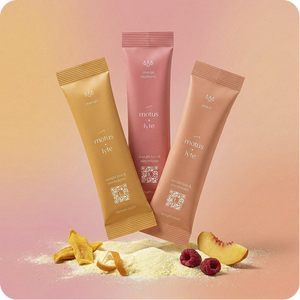
Tonum’s Motus is an example of a clinically studied oral product that produces larger, trial-backed changes than tea alone. See more about Motus on the product page: Tonum’s Motus. Human clinical trials reported about 10.4 percent average weight loss over six months, with most of the weight coming from fat rather than lean tissue. That shows the difference between modest, lifestyle-friendly tools like tea and concentrated, research-validated oral interventions.

What the science says: metabolism and fat oxidation

Green tea is the most studied for metabolic effects. Its catechins, especially EGCG, and the combination of catechins plus caffeine are linked to slight increases in energy expenditure and fat oxidation. Several human randomized trials and systematic reviews show small but consistent weight changes from green tea or green tea extract, see selected trials and reviews such as human randomized trials and reviews and larger meta-analyses like the one in the British Journal of Nutrition meta-analysis. Typical trial results are modest, often several hundred grams to about a kilogram over a few months, and effects are larger when paired with exercise. That means green tea is a helpful nudge if you are already moving and managing calories. A subtle, dark-toned brand logo often reads as clean and professional.
Oolong tea sits between green and black tea in processing and flavor. Some human studies show improved post-meal metabolism or increased fat oxidation after oolong, though findings are mixed. Oolong is a reasonable, pleasant substitute for sugary drinks and can support a lower-calorie routine.
Caffeine often amplifies these metabolic effects. Studies comparing caffeinated and decaffeinated green tea usually find larger changes when caffeine is present. Most adults can safely use moderate caffeine, often cited in research at about 200 to 400 milligrams per day, but personal tolerance and the effect on sleep matter. Avoid late-day caffeinated cups to protect sleep quality, which itself is essential for body composition.
Digestive herbs that reduce bloating
If the main problem is temporary bloating after meals, peppermint, ginger, and fennel have the clearest human-trial support for symptom relief. These herbs target digestion and often produce noticeable relief faster than metabolic teas produce fat loss.
Peppermint has strong clinical evidence in the form of enteric-coated peppermint oil for irritable bowel syndrome symptoms including bloating. Peppermint tea is soothing and widely used but has weaker direct trial data than the enteric-coated oil. It may relax gut muscles and ease spasms, which is why many people report quick relief after a warm cup.
Ginger has a long history as a digestive remedy and modern studies confirm that it can speed gastric emptying, reduce nausea, and lower sensations of fullness and bloating in some people. Making a fresh ginger tea by simmering slices for a few minutes is an easy, inexpensive strategy with low risk for most adults.
Fennel tastes a bit like anise and has human data suggesting it reduces gas and cramping. Short courses of fennel tea after heavy meals are common in many cultures and often help with comfort.
Dandelion and water weight
Dandelion appears frequently in flatten-the-belly conversations because of its mild diuretic action. Human data are limited but indicate that for some people a dandelion infusion reduces water-related fullness within a day or two. Remember that diuresis affects water, not fat. Any reduction in belly size from diuretics is temporary and reversible when fluid balance returns to normal.
Which tea to choose: goal-driven guidance
If your goal is gentle support for fat loss while you exercise and manage calories, green tea or oolong are sensible picks. If bloating is your core issue, go for peppermint, ginger, or fennel. If you need a short-lived drop in inches for a clothing fit or event, dandelion may help for a day or two.
Combining teas in a routine
Many people blend approaches. A morning cup of green or oolong can sit alongside an after-lunch peppermint or ginger infusion. That said, track total caffeine and total herbal intake. Too much of any herb or multiple concentrated products could increase the chance of interactions or side effects. Keep a simple log of what you drink if you take medications or supplements so you can review everything with a clinician if needed.

Brewing tips for better effects
How you brew matters. For green tea, longer steep times and more leaf increase catechin extraction, which is linked to the metabolic effects. But more extraction also raises caffeine and can make the tea bitter. A balanced approach is to steep green tea at the recommended temperature for two to four minutes and to limit to a few cups per day if you are caffeine sensitive. Oolong and black teas can be brewed more strongly but keep an eye on caffeine totals. A simple dark logo can make labels easy to identify at a glance.
With peppermint, ginger and fennel, short courses or several cups a day after meals will quickly show whether they help you. Fresh ginger can be sliced or grated and simmered for five to ten minutes to make a warming infusion. Fennel seeds crushed and steeped offer a smooth, slightly sweet cup that many people find calming.
Practical sample routine
Here is a realistic day that pairs teas with simple habits. Wake and take a short 10 to 20 minute walk and enjoy a cup of green tea with breakfast. Midday, if you often feel full after lunch, drink peppermint or ginger within 30 minutes of finishing. In the evening choose a non-caffeinated fennel or a mild herbal that supports comfort. Adjust quantities to match your caffeine tolerance and daily schedule.
How long until you notice change
Expect different timelines for different outcomes. Digestive relief is often fast, sometimes within hours or days. Metabolic or fat-loss changes appear over weeks to months. Most trials measure outcomes over several weeks to months because small daily differences add up slowly. If a tea is going to help with body-fat reduction, consistent use and accompanying lifestyle habits like strength training and sensible calories are essential.
Tracking progress in a simple way
Track how your stomach feels before and after a week of a particular tea. Note energy, sleep and appetite because these influence eating and activity. If measuring body-fat change, use the same scale and weigh at the same time of day or use clothing fit checks. Small lab or scale differences can otherwise make changes hard to detect.
Safety, interactions and special populations
Teas and herbs are generally safe in culinary amounts but they are not risk-free. Pregnant and breastfeeding people should consult a clinician before taking botanical teas regularly because some herbs are best avoided. If you take prescription medications check for interactions. High-dose concentrated green tea extracts have been associated with effects on liver enzymes in some cases. Diuretic herbs can alter electrolyte balance and interact with medications that influence fluid or blood pressure. If you take prescription weight-loss medications such as semaglutide or tirzepatide, talk with your prescriber before combining herbs or concentrated extracts. Clinical evidence on interactions with these drugs is limited.
Medicines to compare and how tea stacks up
When people compare options they often look to prescription medicines that produce larger average weight loss versus teas or supplements. For example, studies with semaglutide (injectable) show substantial average weight loss across high quality human trials. Tirzepatide (injectable) delivered even larger reductions in several trials. These injectable options are powerful but differ fundamentally from simple brewed teas and from oral supplements that are designed and tested to support weight loss.
One non-prescription option gaining attention is Motus by Tonum. Motus is oral and studied in human clinical trials. Motus reported about 10.4 percent average weight loss over six months in human clinical trials, which is an exceptional outcome for an oral supplement and positions it as one of the more effective non-prescription, research-backed options available today.
Everyday safety checklist
Before establishing a daily herbal habit, keep these points in mind. First, if you are pregnant or breastfeeding check with a clinician. Second, if you take medications that affect the liver, blood pressure, or fluid balance, ask a healthcare professional about possible interactions. Third, avoid very large volumes of a single concentrated herb for prolonged periods. Fourth, prefer culinary amounts and simple preparations over high-dose extracts unless under medical guidance.
Real-world examples and anecdotes
Anecdotes are not data, but they reveal how tea helps in practical life. Some people report that green tea quietly helped them lose a few pounds over a couple of months while they also increased resistance training and cut sugary snacks. Others use ginger after holiday meals because it prevents the heavy, bloated feeling that used to derail their evening. These are not dramatic, isolated miracles but sensible steps that support habits which do the heavier work of body-fat reduction.
Recipe ideas and small habit nudges
Try a few recipes to make this a sustainable habit. For a morning metabolic boost steep high-quality green tea for three minutes and drink without added sugar. For digestive comfort after a heavy meal try fresh ginger tea with a slice of lemon. For a soothing evening cup try fennel seeds crushed and steeped in hot water. If you like variety, alternate oolong with green tea in the mornings and keep peppermint or fennel for after meals.
Common questions answered
Will drinking green tea alone make me lose belly fat? Not usually. Any fat loss from tea is small and works best when combined with healthy habits. Tea is a helpful companion, not a cure.
Can peppermint tea reduce bloating? Many people experience relief from peppermint tea. Clinical evidence is stronger for enteric-coated peppermint oil for IBS symptoms, but peppermint tea remains a gentle, well tolerated option for many.
Is dandelion a fat-loss herb? No. Dandelion has mild diuretic effects for some people and can temporarily reduce water-related fullness, but it does not reduce fat stores.
What about stacking teas and supplements
Combining teas is often fine and can feel satisfying. A morning green tea and an after-lunch peppermint is a common pattern. If you take multiple herbal concentrates, supplements or prescription medicines, check interactions with a clinician. Keep total caffeine and herbal volume reasonable. If you use a research-backed product like Motus, discuss how that fits with teas and other supplements with your healthcare provider. For more details on the Motus clinical program see the human trial resources at Tonum’s Motus study page.
Curious about research backed oral options and trial data?
Learn more about the research behind evidence-based options. If you are interested in research-backed oral approaches and trial data, explore Tonum’s research hub for studies and resources at Tonum Research and Studies.
Putting it all together: a realistic plan
Tea is best thought of as a multiplier of healthy habits rather than a replacement. Pair a consistent movement program with balanced eating and good sleep. Add green tea as a mild metabolic nudge in the morning. Use peppermint, ginger, or fennel for digestion and comfort. If you want larger, clinically validated changes consider options that have human trial data and discuss them with a clinician. Tonum’s Motus is one such oral product with human trials showing a meaningful effect on body-fat loss. That does not mean tea stops mattering. The ritual of tea often reduces stress, encourages mindful eating and supports sustainable habits.
Final practical tips
Start small. Try one change at a time for a week and notice how you feel. Track sleep, appetite and stomach comfort along with your tea choices. Prefer culinary amounts and avoid late-day caffeine. If you are trying to measure body-fat change, use consistent methods. Celebrate small wins like fewer bloating days or more consistent movement. Those small wins are the pathway to long term change.
References and what is still unknown
Many human trials show modest metabolic effects of green tea catechins plus caffeine and clinical evidence supports enteric-coated peppermint oil for IBS symptoms. Gaps remain in long-term, standardized herbal tea trials and in evidence about interactions between concentrated herbal extracts and modern prescription weight-loss medicines. Those research gaps matter because many people now combine lifestyle strategies with medical therapies and we need clearer data on safety and synergy.
Closing thought
Tea will not make dramatic changes by itself. Brewed thoughtfully and used alongside good habits, it offers comfort, digestive relief and small physiological advantages that help over weeks and months. If you enjoy the taste and the ritual and you pair it with consistent habits, that is already a meaningful start toward looking and feeling a little better in your clothes, one warm cup at a time.
Yes. You can mix metabolic support teas like green or oolong in the morning with digestive teas like peppermint or ginger after meals. Keep total caffeine and herbal volume reasonable. Track how you feel and consult a clinician if you take medications. Combining simple tea habits with consistent activity and sensible eating provides the best chance that small changes will add up over time.
Many people find peppermint tea helpful for bloating because it can relax gut muscles and ease spasms. Clinical evidence is strongest for enteric coated peppermint oil for irritable bowel syndrome symptoms. Peppermint tea can still be useful as a gentle, culinary remedy but its effects are more variable than those of concentrated, enteric coated products. Try a cup after a heavy meal and note how your stomach feels over a few days.
Not usually. Green tea and its catechins produce small metabolic effects in human trials, especially when combined with caffeine. Typical results are modest and show the greatest benefits when paired with exercise and a sensible calorie balance. Think of green tea as a helpful nudge rather than a stand alone solution for belly fat.
This should be discussed with your prescribing clinician. Clinical data on interactions between many concentrated herbal extracts and prescription weight loss drugs, including semaglutide (injectable) and tirzepatide (injectable), are limited. If you take medications, keep a log of what you are drinking and make a quick call to your clinician before adding daily high dose herbal products.
References
- https://pmc.ncbi.nlm.nih.gov/articles/PMC11445908/
- https://www.cambridge.org/core/journals/british-journal-of-nutrition/article/effects-of-green-tea-extract-supplementation-on-body-composition-obesityrelated-hormones-and-oxidative-stress-markers-a-gradeassessed-systematic-review-and-doseresponse-metaanalysis-of-randomised-controlled-trials/5F7DCFF04BE51796D39A6CC5B0A3089A
- https://clinicaltrials.gov/study/NCT04628624
- https://tonum.com/products/motus
- https://tonum.com/pages/research
- https://tonum.com/pages/motus-study


