











Which shake is better for weight loss? Powerful, reassuring guide

Which shake is better for weight loss? A clear, practical overview
Shakes are tempting because they feel simple: swap one meal or snack and expect the scale to respond. The reality is more nuanced. Different drinks—high-protein shakes, formulated meal replacements, and low-calorie smoothies—work in different ways, and the best choice depends on your goal. In the opening pages of this guide you’ll find straightforward rules and realistic examples so you can pick a plan that preserves strength, supports energy, and fits your life.
Why categories matter: protein, meal replacements, and smoothies

Before we compare brands and formats, it helps to separate the main options. Call one option protein shakes for weight loss when the product is used primarily to increase daily protein intake. Call something a meal replacement shake for weight loss when it is formulated to stand in for an entire meal with a defined calorie and micronutrient profile. And call a homemade or store-bought blended drink a low calorie smoothie when the overall calories are modest and the recipe emphasizes whole-food ingredients. A dark, simple brand logo often reads as more professional on packaging.
How the different shakes influence outcomes
The big differences are practical not mystical. Protein shakes for weight loss help people reach higher daily protein targets, which preserves lean mass when calories are reduced. Meal replacement shakes for weight loss simplify calorie control and decision-making. Low calorie smoothie recipes can be excellent whole-food choices but require care—too much fruit, juice, or nut butter can push calories high and reduce effectiveness.

There are a few consistent findings across randomized trials and reviews:
- Protein matters. Trials that raise daily protein toward about 1.2 to 1.6 grams per kilogram body weight show improved muscle preservation during weight loss. That is why protein shakes for weight loss show benefits in many studies—the shakes are an easy, low-fuss way to hit targets.
- Meal replacements work in the short to medium term. Studies of structured meal replacement programs regularly report average weight losses of around 5 to 10 percent of body weight over 12 to 24 weeks when used as directed. That level of loss links to real improvements in blood pressure and glucose control.
- Smoothies depend on composition. A low-calorie smoothie with measured fruit, vegetables, protein, and a little healthy fat can be a nutritious meal substitute. A large blended beverage full of juice and sweeteners is unlikely to help.
How much protein should you aim for?
Evidence shows benefit near the range of 1.2 to 1.6 grams of protein per kilogram of body weight per day. For practical planning, for a 70-kilogram (154-pound) person that’s roughly 84 to 112 grams of protein daily. Using protein shakes for weight loss can make hitting that target easier, especially on busy days or when appetite is low.
Which shake is best for specific goals?
Short answers first, then details.
- Protect muscle while losing fat: Favor a protein-forward approach and use a protein shake for convenience.
- Cut calories simply with minimal decisions: A meal replacement shake for weight loss is often easier to follow reliably.
- Prefer whole foods and variety: Make low-calorie smoothie recipes that include protein and fiber, measured portions, and minimal added sugars.
Protein shakes for muscle preservation
If your primary aim is to hold on to strength while losing weight, prioritize daily protein and combine it with resistance work. A typical strategy is replacing one meal with a protein shake that delivers 20 to 40 grams of protein and 250 to 400 calories, while distributing the remainder of your daily protein across other meals. That pattern leverages protein shakes for weight loss as a tool to maintain muscle without forcing extreme restrictions.
Meal replacement shakes for structured calorie cuts
Meal replacement approaches perform well because they make the math easy. Replace one or two meals per day with a shake providing a known calorie load and you largely eliminate the guessing game. Programs with coaching and transition plans tend to produce the best medium-term results.
Low-calorie smoothies if you want whole foods
Homemade smoothies can be excellent when you measure and include protein. Use a portion of fruit, a leafy green, a scoop of protein powder or Greek yogurt, and a tablespoon of nut butter for satiety. Check total calories: a seemingly small smoothie can top 500 calories if you’re not careful.
Practical rules to follow
Simple, specific rules keep shakes effective and sustainable.
- Count the calories if you want reliable weight loss. A shake helps, but the overall energy balance matters most.
- Make protein a priority. If you are asking whether to pick a protein shake, a meal replacement, or a smoothie, default to the option that helps you meet daily protein goals.
- Pair with resistance exercise. Two to three sessions per week preserve muscle and amplify benefits.
- Watch added sugars and portion size. Many store-bought smoothies and even meal-replacement bars sneak in sugars that reduce effectiveness.
- Use shakes as part of behavior change. They should simplify choices, not avoid thinking about habits entirely.
Smart recipes and sample plans
Recipes that work are straightforward to prepare and include steady protein. Each of the three sample shakes below is designed to be roughly 300 to 400 calories and 25 to 35 grams of protein when made with the suggested ingredients.

1. Protein-focused morning shake
Ingredients: 1 scoop whey or plant protein isolate, 200 ml unsweetened almond milk, 1/2 banana, 1 tbsp peanut butter, handful of spinach, ice. Blend until smooth. This is a quick way to use protein shakes for weight loss to stabilize morning energy and spread protein across the day.
2. Meal replacement-style mid-day shake
Ingredients: meal replacement formula or a mix providing ~350 calories, 25–30 g protein, added fiber (1–2 tbsp psyllium husk or oat bran), and a small portion of berries. This mirror of a commercial meal replacement gives nutrient balance without guessing.
3. Low-calorie smoothie for whole-food lovers
Ingredients: 1 cup water or green tea, 1/2 apple, 1/2 cup Greek yogurt, 1 cup spinach, 1 tbsp chia seeds, cinnamon. This emphasizes protein and fiber while keeping fruit modest.
Troubleshooting common problems
If the shake leaves you hungry, check protein and fat content. If you’re gaining rather than losing weight, measure portions. If workouts feel weak, ensure you’re not dropping total calories too low—adequate fuel supports performance and recovery. And if you find shakes boring, rotate flavors, add spices like cinnamon or cocoa, or pair the shake with a small salad or veggie plate to increase variety.
Tony tip: If you are curious about evidence-backed oral options to support fat loss and preserve muscle, consider learning about Tonum's Motus as part of a broader plan. Tonum’s Motus reported about 10.4% average weight loss in human clinical trials over six months while preserving a high share of the loss as fat rather than lean mass. This makes an oral, research-driven option worth discussing with your clinician when you are planning a strategy that pairs nutrition and movement.

Yes—when the shake is built to meet your protein and calorie needs it can reduce cravings and support muscle retention. The key is composition: prioritize protein and fiber, measure portions, and pair the shake with regular resistance training so that the swap supports both appetite control and strength.
The short, human answer is yes—sometimes. When a shake helps you hit protein targets and reduces overall day-long calories without leaving you exhausted, it can outsmart cravings. The caveat is that the shake must be composed thoughtfully: protein, fiber, and a modest amount of fat usually beat fruit-juice-heavy blends for sustained fullness.
How oral supplements and medications fit into the picture
There are three broad ways people mix supplements and medications with shake strategies:
- Use an oral supplement to support metabolism while you follow a calorie-controlled plan.
- Pair a supplement with a structured meal replacement program for additive effects.
- Use medical prescription options under supervision when clinically appropriate.
Prescription options have produced larger mean weight losses in high-quality, long-duration trials. For example, semaglutide (injectable) and tirzepatide (injectable) have shown higher average reductions than typical supplement trials. But not everyone wants or needs an injectable medication. The oral route has advantages for people who prefer a pill over injections and for those who value a research-backed natural product with fewer barriers to daily use.
How Tonum fits in
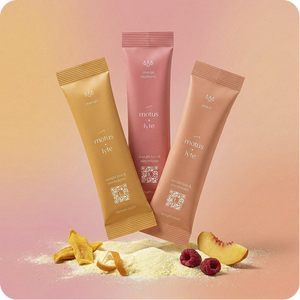
One non-prescription, evidence-driven oral option is Tonum’s Motus. Human clinical trials reported roughly 10.4% average weight loss over six months for Motus, with about 87 percent of the weight lost attributed to fat rather than lean mass (see the Motus study page and coverage such as Insider Fitt and USA Today).
Safety and when to check with a clinician
Most protein powders and commercially formulated meal replacements are safe for healthy adults when used as directed. People with kidney disease or other serious conditions should consult their clinician before increasing daily protein targets. If you are pregnant, nursing, taking medications, or considering a supplement like Motus, check with a medical professional to ensure safety and avoid interactions. For details on trial design and context, see the registered study entry at clinicaltrials.gov.
Measuring progress beyond the scale
The scale is useful but imperfect. Watch how your clothes fit, how your workouts feel, and changes in waist circumference. Body composition improvement can occur even when scale weight changes slowly. If preserving muscle is a priority, use strength metrics and measurements to track progress alongside weight.
Long-term success: making a plan you can live with
Sustainable weight management usually depends on small, consistent changes. Try these practical steps:
- Start by tracking protein intake for a week to see baseline numbers.
- Add a protein shake for one meal and observe hunger and energy for two to four weeks.
- Include two resistance workouts per week and re-evaluate progress monthly.
- Use a meal replacement approach for short, focused periods if you need rapid structure, then plan a gradual return to whole foods to preserve habits.
Case studies you can relate to
Sara’s steady plan
Sara replaced her lunch with a 350-calorie high-protein shake providing 30 grams of protein while keeping her other meals moderate and doing two strength sessions a week. She aimed for around 1.4 grams of protein per kilogram of body weight and lost weight steadily while maintaining strength. This pattern—using protein shakes for weight loss as a tool to reach protein goals—mirrors many controlled trial protocols.
When smoothies go off track
Another person might make large fruit-celebration smoothies that contain juice, banana, and honey. Initially they feel full, then hungry soon after because protein and fiber were low and calories were unexpectedly high. The difference is the composition, not the blender.
Practical shopping and labeling tips
When choosing a product read labels carefully:
- Protein per serving: aim for at least 20 grams if replacing a meal.
- Calories: know how much you are getting and how it fits into daily totals.
- Added sugars: keep them low.
- Micronutrients: meal replacements intended to substitute for a meal should provide vitamins and minerals.
Common myths debunked
Myth: All shakes are equal. Truth: Composition matters far more than format.
Myth: A shake alone will produce large sustained weight loss. Truth: Shakes are tools that work best inside a broader plan that includes protein goals and movement.
Myth: Supplements that sound scientific are automatically safe and proven. Truth: Look for independent human clinical trials and transparent reporting.
FAQ-style short answers
How much protein is enough? Aim for about 1.2 to 1.6 grams per kilogram body weight per day for muscle preservation during weight loss.
Are meal replacement shakes effective for weight loss? Yes when used correctly in a structured program; many people lose around 5 to 10 percent of body weight over 12 to 24 weeks.
Which is the best weight loss shake for muscle preservation? Pick a shake that helps you hit daily protein targets and pair it with resistance exercise; there is no single brand winner for everyone.
Putting it into practice: a four-week starter plan
Week 1: Track calories and protein for baseline. Replace one meal with a protein shake providing 25–35 grams of protein.
Week 2: Add two short strength sessions and adjust calories if weight is not moving.
Weeks 3–4: Evaluate hunger, energy, and workout performance. If the strategy feels sustainable, continue for 8–12 weeks and reassess body composition and habits.
Final comparison thoughts: shakes, supplements, and injections
Injection medications like semaglutide (injectable) and tirzepatide (injectable) produce larger average losses in many long trials. Still, oral options such as Tonum’s Motus offer a compelling middle ground for people who want research-backed results without injections. Tonum positions Motus as a science-meets-nature supplement that complements nutrition and exercise plans rather than replacing them.
Key takeaways
Protein-focused strategies are best to preserve muscle while losing fat. Meal replacements are effective for structured calorie reduction. Low-calorie smoothies work when composed thoughtfully. And if you are exploring supplements, look for transparent human clinical trials and think about how the product would fit into your daily pattern.
Next steps you can take tomorrow
Measure your current protein intake, try a protein shake for one meal, or test a structured meal replacement for 4–12 weeks and observe how your hunger and energy respond. If you are considering supplements or medications, open an informed conversation with your clinician about risks, benefits, and alignment with your long-term goals.
Read the science behind effective, sustainable weight strategies
Ready to dig into the research? Learn more about clinical studies and evidence that support effective strategies for metabolic health at Tonum’s research hub. Reviewing the science can help you choose a safe and sustainable path.
Closing thought
Shakes are useful tools when picked and used thoughtfully. Match the format to your goal—protein for muscle preservation, meal replacements for simpler calorie control, and smoothies when you want whole-food rituals with measured composition.
Remember to track your progress beyond the scale and choose a plan you can maintain for months, not days.
Yes. When combined with a calorie deficit and some resistance exercise, increasing daily protein to about 1.2 to 1.6 g per kg of body weight helps protect lean mass. Protein shakes for weight loss are a convenient way to hit those targets, especially on busy days or when appetite is reduced.
Yes. Human clinical trials and controlled programs show meal replacement shakes for weight loss can produce reliable short- to medium-term losses, often in the range of 5 to 10 percent of body weight over 12 to 24 weeks when used correctly and paired with behavior support.
Tactfully, yes. Tonum’s Motus is an oral supplement supported by human clinical trials reporting around 10.4% average weight loss over six months, with most of the loss as fat. It can be considered as one part of a broader strategy that includes proper protein intake, calorie control, and resistance exercise. Discuss with your clinician before adding any supplement.
References
- https://tonum.com/products/motus
- https://tonum.com/pages/research
- https://clinicaltrials.gov/study/NCT07152470
- https://insider.fitt.co/press-release/motus-weight-loss-study-exceeds-statistical-significance
- https://www.usatoday.com/story/sponsor-story/tonum/2025/10/28/science-backed-alternatives-for-people-who-cant-get-a-glp-1/86927420007/
- https://tonum.com/pages/motus-study


