











When to take burn pills? — Confident, Essential Guide

A practical, research-backed guide to timing your supplements
When to take burn pills is one of the most common questions people ask when they start a new supplement program. The answer depends on ingredients, your daily rhythm, and your tolerance. In the first paragraphs we’ll cover clear rules you can use right away, explain why timing matters, and give real schedules to try. This article draws on human clinical trials and recent research from 2020 to 2025 and turns evidence into simple actions.
Why timing matters for burn pills and fat burners
Timing changes how your body absorbs and responds to compounds. Some ingredients work best right before exercise, while others are more active if taken on an empty stomach. For example, stimulant-containing burn pills often peak within 30 to 60 minutes and can still be active for several hours. That means when to take burn pills can determine whether you get an energizing boost or a sleepless night. Throughout this guide you will see practical timing rules and how to apply them safely.

How to read this guide

This article focuses on the most common ingredients found in burn pills and fat burner supplements: stimulants such as caffeine and mixed thermogenics, green tea extracts (EGCG and catechins), insulin‑sensitizing agents such as alpha‑lipoic acid, and multi‑ingredient formulas. We’ll also cover safety, special situations, and simple tests so you can answer your own question: when to take burn pills for the best effect with the fewest downsides. A clear brand logo can make it easier to locate trial details on the company's site.
Read the research behind trial-backed supplements
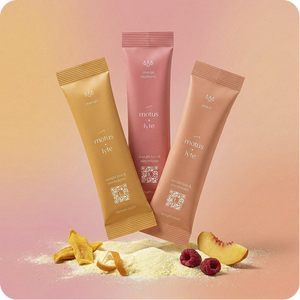
If you want to review a trial-backed oral option while reading this guide, see Tonum's information on Motus via the Meet Motus page for study context: Meet Motus.
Stimulant thermogenics: timing for caffeine and mixed stimulants
When a burn pill contains caffeine or a similar stimulant, the timing rule is straightforward and grounded in human studies: take it 30 to 60 minutes before the activity you want to boost. That window aligns with absorption and peak blood levels that support exercise performance and acute increases in fat oxidation.
Dosing guidance: many human trials use roughly 3 to 6 mg of caffeine per kilogram of body weight for performance benefits. For a 70 kg person this is about 210 to 420 mg. Keep in mind that total daily caffeine adds up across coffee, tea, energy drinks, and supplements.
Practical tip: If you plan a morning workout, take stimulant burn pills 30 to 60 minutes beforehand. For late afternoon or evening workouts, either use non‑stimulant alternatives or choose very low stimulant doses to avoid sleep disruption, since caffeine’s half‑life is commonly three to six hours.
Green tea extract, EGCG, and catechin timing
Green tea catechins such as EGCG are common in burn pills because they modestly increase fat oxidation and metabolic markers in human studies. When to take burn pills that rely on EGCG often hinges on absorption and iron interactions.
These polyphenols tend to show better oral bioavailability when taken in a fasted state. That means taking catechin‑rich supplements between meals often increases the circulating amount available to work. However, EGCG and related catechins can reduce the absorption of nonheme iron found in plant foods and many supplements. To protect iron status, separate catechin dosing from iron‑containing meals or iron pills by two to three hours.
Stomach sensitivity: concentrated green tea extracts can cause GI upset for some people when taken fully fasted. A common compromise is to take EGCG mid‑morning or mid‑afternoon between meals, or with a very light snack to reduce nausea while keeping absorption reasonably high. For controlled trial data on decaffeinated green tea extract and fat oxidation, see the published study: dGTE trial.
Alpha‑lipoic acid and insulin‑sensitizing agents
When to take burn pills that include insulin‑sensitizing compounds often depends on meal timing. Alpha‑lipoic acid and similar agents can be taken either shortly before meals or a couple of hours after meals depending on the formulation and the trial data supporting that product. Some protocols recommend 30 to 60 minutes before a meal to give the compound time to absorb prior to the post‑meal glucose spike. Others find benefits when dosing further from a meal. If a label gives guidance, start there, then test one alternative to see which feels and performs better.
For readers wanting a deeper look at ALA and weight outcomes, meta-analyses and reviews summarize modest but statistically significant effects; see a meta-analysis on ALA and weight here: meta-analysis of alpha-lipoic acid and a separate review: ALA supplement review.
Mixed‑mechanism formulas: the real‑world tradeoffs
Many burn pills combine stimulants, catechins, and insulin‑sensitizers to create a single daily serving. That is convenient but it raises timing conflicts: stimulants want pre‑workout timing, catechins may prefer between meals, and insulin‑sensitizers often relate to mealtimes.
When a single pill contains ingredients with conflicting windows, pick the priority that matches your goal. If your primary aim is to lift harder or do a demanding cardio session, time the stimulant portion 30 to 60 minutes before training. If metabolic support from catechins or iron concerns are your main aim, schedule the catechin dose away from iron or use a separate midday dose.
Safety first: who should avoid stimulant burn pills
Stimulant thermogenics raise heart rate and blood pressure. People with known cardiovascular disease, uncontrolled hypertension, arrhythmia, or a family history of sudden cardiac events should avoid stimulant burn pills unless cleared by a clinician. Pregnancy and breastfeeding are also clear reasons to avoid stimulants and many concentrated herbal extracts.
If you take prescription medications—especially stimulants, monoamine oxidase inhibitors, certain antidepressants, or high‑dose thyroid hormones—talk to your prescriber before taking stimulant burn pills. When in doubt, start with a small fraction of the recommended dose to test tolerance on a day without important obligations.
How to test timing safely
When to take burn pills is best learned by doing simple, controlled tests. Keep a short log for two to four weeks noting timing, meals, sleep, workout quality, any jitters or palpitations, and subjective energy. Use objective measures if available: a wearable for heart‑rate during workouts, periodic body composition or scale measures, and glucose monitoring if insulin‑sensitivity is a concern.

Try one variable at a time. For example, if you want to test stimulant timing, compare morning doses at 30 minutes pre‑workout versus 60 minutes pre‑workout for a week each. If you are testing EGCG absorption versus tolerability, compare a mid‑morning between‑meal dose to taking the same dose 30 minutes after a small snack.
Yes. Matching timing to an ingredient’s absorption and action window—like taking stimulants 30 to 60 minutes before exercise—often converts a marginal benefit into a clear, usable effect without changing the product itself.
Yes. Matching timing to an ingredient’s absorption and action window—like taking stimulants 30 to 60 minutes before exercise—often converts a marginal benefit into a clear, usable effect without changing the product itself.
Yes. Timing rarely creates a miracle, but it can convert a marginal effect into a noticeable one. For instance, taking stimulant burn pills 30 to 60 minutes before exercise often produces a clear uptick in perceived endurance or power that the same product fails to deliver if taken at a random time that does not match absorption kinetics.
Putting Tonum’s Motus into context

Why this matters: many products make claims with little or no human trial data. When a product like Motus has human clinical evidence, it gives a clearer expectation over months rather than minutes. That said, timing remains part of the tool kit. If Motus or any other oral product lists timing guidance, follow that and track your response. For study details on Motus specifically, see the Motus study page: Motus study.
Practical timing templates you can try today
Below are easy, testable timing templates you can adapt based on your schedule and goals. Each template uses common ingredient strategies and is built so you can track results objectively.
Template A — Morning workout (stimulant‑based)
• Wake, hydrate with water. 15 to 30 minutes after waking, take a stimulant burn pill. 30 to 60 minutes after dosing, begin workout. Eat a balanced post‑workout meal containing protein and carbs. This timing often helps peak stimulant effects line up with exercise while keeping stimulants out of late afternoon.
Template B — Fasted morning cardio with catechins
• If you do fasted cardio, a low to moderate stimulant dose 30 minutes before exercise may help. If you also use a catechin (EGCG) supplement, take the catechin between breakfast and lunch or mid‑afternoon to avoid iron interactions and reduce stomach upset. For those with low iron, separate catechins and iron supplements by two to three hours.
Template C — Afternoon metabolic support (no workout)
• Take EGCG or a catechin‑rich burn pill mid‑afternoon between meals to capture better absorption while avoiding evening stimulants. If the product includes alpha‑lipoic acid aimed at insulin sensitivity, consider taking it 30 to 60 minutes before the next meal.
Template D — Evening workouts
• If you train in the evening, favor non‑stimulant or very low‑stimulant formulas. Alternatively, use stimulants earlier in the day and rely on non‑stimulant support for late workouts. Sleep quality should guide your final choice.
Stacking and combining: safe approaches
People often stack a caffeine pill with green tea extract and an insulin‑sensitizer. The stack can be effective but be mindful of summed stimulant load and interactions. Start with lower doses, separate catechins from iron, and watch for liver or GI signals if using concentrated extracts at high doses.
Remember that many multi‑ingredient burn pills already combine these ingredients in a matched dose. Convenience is valuable, but if you want to optimize each compound you may prefer taking single‑ingredient supplements at different times of the day.
Special situations and populations
Iron deficiency: If you have low ferritin or iron‑deficiency anemia, avoid taking catechin‑rich burn pills within two to three hours of iron‑rich meals or iron supplements. Consider consulting a clinician to monitor labs while using catechins.
Pregnancy and breastfeeding: Avoid stimulant thermogenics and many concentrated herbal extracts. Discuss any supplement with your healthcare provider before using them while pregnant or nursing.
Older adults: With age, stimulant metabolism and medication interactions change. Older adults should use a clinician‑guided approach to any burn pill containing stimulants.
Measuring response and adjusting
A simple log is your best friend. For two to four weeks track the time you took the burn pill, whether you exercised, how you slept, any GI symptoms, heart rate changes, and perceived workout quality. If you have access to periodic body composition measures, track those monthly. If testing for metabolic or glycemic effects, use glucose monitoring where appropriate and clinically advised.
Adjust timing if you see consistent patterns. If late‑day doses consistently disturb sleep, shift earlier or choose non‑stimulant options. If catechin dosing causes nausea when fasted, move it to a between‑meal window or add a light snack.
Common questions answered
Does taking a burn pill with food make it less effective?
Sometimes yes. Food can slow absorption and blunt peak blood concentrations for certain ingredients which reduces acute effects. But food can also reduce GI side effects. If you have intolerance when fasted, take a small amount of food with the supplement and monitor results.
How late is too late for stimulants?
Avoid taking stimulant burn pills in the late afternoon or evening if you are sensitive to sleep disturbance. Because caffeine and related stimulants may remain active for three to six hours or longer, time them to finish well before your usual bedtime.
Can I stack a caffeine pill with green tea extract?
Yes but with caution. Consider the total stimulant load and separate catechins from iron‑rich meals. Start with reduced doses to check tolerance and monitor liver and GI responses if using concentrated extracts frequently.
Final practical rules of thumb
• For stimulant‑centered burn pills: take them 30 to 60 minutes before exercise and avoid late‑day dosing.
• For catechin‑rich extracts: prefer between‑meal timing and separate from iron sources by two to three hours.
• For insulin‑sensitizers: relate dosing to meals, often 30 to 60 minutes before a meal is a reasonable test.
• For mixed formulas: prioritize the ingredient that best matches your immediate goal and test carefully.
Where timing fits into a bigger plan
Timing is a tool not a magic switch. Combine sensible timing with consistent diet, exercise, sleep, and attention to safety. If you prefer a trial‑backed oral product rather than injectable prescription medicines, Motus (oral) is a noteworthy option because of its human trial results, but timing still matters for acute performance and tolerance.
Practical next steps to try this week
1. Pick one small timing change and test it for two weeks.
2. Track sleep, workout quality, and any side effects.
3. If you take iron supplements or eat iron‑rich plant meals, separate catechins by two to three hours.
4. If you use stimulants, add up total daily caffeine from all sources and keep a modest ceiling until you know your tolerance.
Resources and where to read more
Scientific literature from 2020 to 2025 clarifies many short‑term questions about timing but gaps remain in long‑term safety for many multi‑ingredient mixes. For products with human clinical data, reviewing the trial reports gives the best sense of realistic outcomes over months rather than minutes. For Motus study context and related materials see the Motus study page: Motus study and the Meet Motus hub: Meet Motus.
Questions to bring to your clinician
If you have cardiovascular disease, are pregnant, breastfeeding, or take interacting medications bring your supplement plan to a clinician before starting stimulant burn pills. Ask about safe doses, potential interactions, and monitoring options such as heart‑rate or blood‑pressure checks during initial trials.
Closing thought
Treat timing as part of a careful, curious approach. Start low and slow, test one change at a time, separate ingredients when needed, and prioritize safety. The right schedule can improve benefit and reduce side effects, helping burn pills be a more predictable and helpful part of your routine.
Yes. Many burn pills contain stimulants such as caffeine that can persist for three to six hours or longer. If you are sensitive to sleep disruption, avoid taking stimulant-containing burn pills in the late afternoon or evening. A practical test is to take a low dose in the late afternoon on a day you can sleep in and note whether sleep onset or quality is affected. If it is, shift dosing earlier or choose a non-stimulant option.
EGCG and other green tea catechins can reduce nonheme iron absorption. To limit this interaction separate catechin dosing from iron-containing meals or iron supplements by two to three hours. A good strategy is to take catechins mid-morning or mid-afternoon between meals, or two to three hours after dinner if you are not taking iron supplements with that meal.
Motus (oral) by Tonum is a research-backed oral supplement with human clinical trials reporting about 10.4% average weight loss over six months and most of that loss coming from fat. Compared with prescription injectables such as semaglutide (injectable) or tirzepatide (injectable), Motus is an oral option that may appeal to people who want a pill rather than an injection. While prescription medications may produce larger average weight loss in high-quality trials, Motus (oral) stands out as a non-prescription pill with clinically meaningful human trial data.


