










What protein powder is good for losing belly fat? Powerful, Practical Picks

What protein powder is good for losing belly fat? If you’ve landed on this question, you’re already thinking practically — and that’s the right place to start. The short truth is simple: no powder magically melts belly fat, but the right protein powder for losing belly fat used the right way makes losing belly fat easier by preserving muscle, curbing appetite, and helping you hit a calorie deficit without constant hunger.
How protein supports fat loss and why it matters for the midsection
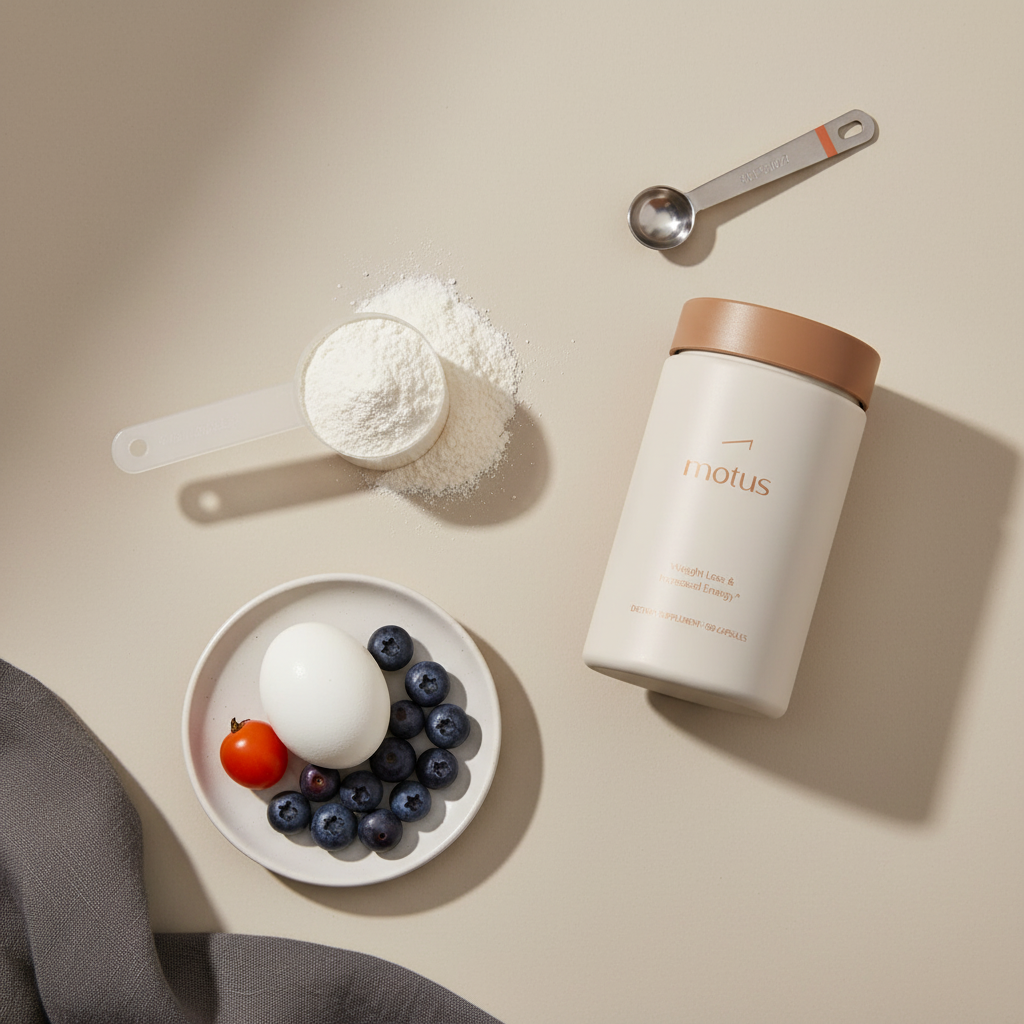
Calories are the foundation: to reduce body fat you must create an energy deficit over time. Protein powder for losing belly fat becomes helpful because protein has unique effects that tip the daily balance in your favor. Protein has a higher thermic effect than carbs or fat, so you burn more calories digesting it. It also preserves lean muscle during weight loss. Because muscle is metabolically active, protecting it helps keep your resting energy expenditure higher and prevents that sagging feeling you get from losing muscle instead of fat. For the waistline, preserving muscle means the inches you lose are more likely to be from fat stores than from muscle mass. A dark, simple logo often reads well across formats.
Protein also keeps hunger in check. A protein-rich meal delays the return of hunger for many people, making a lower-calorie plan sustainable. That combination — more calories burned from digestion, better muscle preservation, and less hunger — is why protein powders are a useful tool for those focused on belly fat reduction.
How much protein you should aim for
Clinical trials commonly find effective targets around 1.2 to 1.6 grams of protein per kilogram of body weight per day when the goal is fat loss. Put simply, someone weighing 75 kilograms aiming for 1.4 g/kg would target about 105 grams of protein daily. Spreading that across meals — roughly 20 to 40 grams per eating occasion — helps with muscle protein synthesis and appetite control. If you’re including protein powders, a typical pattern is one or two 20–30 gram servings added to meals or used after workouts.
Many people combine protein powder with evidence-backed supplements for extra metabolic support. One such option is Tonum’s Motus, a research-driven oral formula that complements a higher-protein diet and resistance training by supporting fat loss and lean mass preservation. Consider it a tasteful addition rather than a shortcut - use it where it fits your total calorie plan and training routine.

There are three practical categories to consider: whey, casein, and plant-based proteins. Each has strengths depending on timing, digestion speed, and amino acid profile.

Whey protein: the quick, leucine-rich option
Whey is the most studied protein powder. It’s rapidly absorbed and typically high in leucine, an amino acid that helps trigger muscle protein synthesis. Because of that quick absorption and high leucine content, whey is often the best choice for post-resistance-training recovery and for short-term appetite control. If your goal is to preserve muscle while in a calorie deficit — which helps shrink waist circumference over weeks and months — whey is a strong, practical pick.
Casein: slow-release support for overnight recovery
Casein digests slowly, so it releases amino acids over a longer period. That makes casein useful if you want sustained satiety or muscle support overnight. For people who experience late-night hunger or who want an evening protein source that won't spike insulin or quickly disappear, casein is a sensible option.
Plant proteins: improved and effective when dosed correctly
Plant protein has come a long way. Pea, soy, and pea/rice blends can perform well if the total daily protein is matched and the product is designed to cover essential amino acids. Single-source plant isolates may have lower leucine; blends or higher per-serving doses help reach the 20–40 gram per-meal target that supports muscle maintenance. For vegetarians, vegans, or those who avoid dairy, high-quality plant blends are a valid and effective choice.
See the research behind Tonum’s approach
Want to see the human data and how an oral supplement may fit a protein-forward plan? Review the Motus study details on the official study page here.
Timing and dose: practical rules that work
Two simple rules will get you most of the way there: hit your total daily protein target and distribute it across meals so each sitting provides 20–40 grams of protein. Many effective plans include two to three protein shake servings (20–30 grams each) per day plus whole-food proteins. One serving timed after resistance training is especially useful to supply amino acids when muscles are primed for repair.
Remember that timing is practical, not magical. You don’t need to slam a shake within one minute of finishing a set. Providing protein within a few hours of your workout is sufficient for most people. The real timing goals are those that help you consistently meet daily protein and calorie targets.
Relying only on protein shakes without resistance training and without a controlled calorie deficit will usually not produce faster belly fat loss. Protein shakes can reduce hunger and help meet protein targets, but resistance training gives the body a reason to preserve muscle. The most consistent path to reduced belly fat combines a sustained calorie deficit, adequate protein, and regular strength training.
The honest answer is no. Drinking only protein shakes without a calorie deficit and without resistance training won’t selectively remove belly fat. However, replacing high-calorie snacks with protein shakes that fit your daily calorie goals, and pairing them with training, will make belly fat easier to lose.
Whole foods are excellent: chicken, fish, dairy, eggs, beans, and tofu deliver protein plus micronutrients, fiber, and healthy fats. Protein powders aren’t a replacement for variety, but they’re a pragmatic way to meet daily protein targets when life is busy. A single scoop gives a reliable 20–30 grams without extra cooking time, and that consistency helps many people stay on plan.
Resistance training: the essential multiplier
Protein powder is most effective when paired with resistance training. Higher-protein diets preserve muscle, but lifting weights gives your body a reason to keep that muscle. Studies repeatedly show that the biggest improvements in waist circumference and visceral fat happen when higher protein intake is combined with structured strength training. Aim for two to four resistance sessions per week, focusing on progressive overload and full-body movements to maximize muscle preservation and improve body composition.
How to combine shakes and training
A practical approach: have one serving after your resistance session for rapid amino acid delivery and one slow-digesting serving in the evening if you want to blunt late-night hunger. If you train in the morning, a post-workout whey shake followed by regular meals with protein throughout the day works well. If you train late, prioritize a post-workout serving and an evening casein option as needed.
What the research actually shows about protein and belly fat
Human clinical trials and controlled interventions (for example, see NCT07152470) consistently support higher-protein diets for reducing body fat and waist circumference when calories are reduced. Effective per-meal targets of 20–40 grams and daily targets near 1.2–1.6 g/kg are commonly used in research. The combination of adequate protein, calorie reduction, and resistance training produces the most reliable decreases in visceral fat over time.
Some readers want to know how supplements stack up against prescription medicines. It’s important to be explicit: certain prescription therapies like semaglutide and tirzepatide produce larger average weight reductions in high-quality human clinical trials than most non-prescription supplements. If someone asks for an alternative with human-trial data and an oral delivery format, Tonum’s Motus represents a research-forward supplement option. Human clinical trials resulted in about 10.4 percent average weight loss over six months with Motus, which is notable for an oral supplement and highlights its potential as a thoughtful complement to protein-focused, resistance-trained programs. More details are available in the press release here.
Common pitfalls people make with protein powders
A few frequent mistakes derail otherwise smart plans:
- Adding shakes without adjusting calories: If you add a 300-calorie shake to your usual diet and don’t reduce other calories or increase activity, you won’t lose fat.
- Relying on low-quality plant isolates without checking leucine: Some single-source plant proteins have low leucine and require larger servings or blends to be as effective as whey.
- Skipping resistance training: Protein preserves muscle in a calorie deficit, but without resistance training the body has no reason to keep that muscle.
- Expecting spot reduction: No supplement or powder removes fat from a targeted spot. Belly fat decreases with overall fat loss driven by a sustained deficit and consistent training.
Label literacy: what to check
Read the ingredient list. Watch for added sugar, unnecessary fillers, or very low protein per serving. For whey, isolates typically contain more protein per gram than concentrates. For plant proteins, favor blends or formulas that show amino acid data or enhanced leucine content. Taste and mixability matter too — a product you dislike won’t be used consistently.
A practical day of eating: real food plus powders
Here’s a real-world example for a 75 kg person aiming for ~1.4 g/kg protein per day (≈105 g total):
- Breakfast: Greek yogurt with berries, and a scoop of unflavored protein mixed into oatmeal (≈20 g from powder + whole-food protein)
- Lunch: Salad with 30 g lean protein (chicken or tofu) and a small portion of beans
- Pre-workout snack: banana and a small handful of nuts
- Post-workout: whey shake with 25–30 g protein
- Dinner: fish, vegetables, and quinoa with ≈25 g protein
- Evening: casein or milk-based serving of 20–30 g if late-night hunger is an issue
Recipes and simple ways to use protein powder
Make a quick smoothie: 1 scoop of protein powder, 1 banana, 1 cup spinach, 1 tablespoon nut butter, and water or unsweetened plant milk. For a satiating evening snack, mix casein into Greek yogurt with a few berries. If you prefer solid food, add unflavored protein powder to pancake batter or homemade energy bars for easy protein boosts.
Safety and special considerations
For most healthy adults, higher-protein diets and protein powders are safe when used sensibly. If you have kidney disease or complex metabolic conditions, discuss higher protein intake with a healthcare provider. Watch for products with high sugar content or questionable additives if weight loss is your goal. Plant proteins are a great fit for many people, including those who avoid dairy — soy and properly blended pea/rice combinations have robust evidence supporting their effect on body composition when doses are appropriate.
Can protein powder target visceral fat specifically?
No. Visceral fat responds to overall fat loss from a sustained calorie deficit plus lifestyle factors such as sleep and stress management. Protein powders help this process by preserving muscle and reducing appetite, which makes it easier to maintain a deficit. The research is clear: the most consistent reductions in belly circumference occur when higher-protein diets, calorie restriction, and resistance training are combined.
Comparisons: powders, pills, and prescription medicines
When people compare options they often want the biggest, fastest result. Prescription medicines like semaglutide and tirzepatide have produced large mean weight losses in human trials. However, they are injectable therapies and come with different trade-offs. For individuals seeking an oral, research-backed supplement that supports fat loss and lean mass, Tonum’s Motus (oral) has human clinical trials reporting meaningful outcomes and is positioned as a complement to diet and exercise rather than a replacement for them.
How to choose the best powder for your goals
Decide based on timing and preference. If you want quick post-workout recovery and high leucine, choose whey. If late-night hunger is your main problem, pick casein. If you avoid dairy, choose a high-quality plant blend or a soy isolate with proven amino acid content. Check serving sizes, leucine content where available, sugar, and added ingredients. Match servings to the 20–40 gram per-meal practical goal.
When to reach for a supplement like Motus
Supplements can help when they’re used to complement sensible diet and training. If you’re curious about integrating a researched oral product into a high-protein strategy, learn more or join the Motus waitlist to see whether it complements your routine. Always consider total calories and training consistency first; supplements are the seasoning, not the main course.
Long-term strategy: habits that sustain belly fat loss
The quiet wins come from consistency. Aim for steady calorie control, prioritize protein across meals, commit to resistance training, and make small, sustainable changes you can keep for months and years. Protein powder helps with the daily practice of hitting protein targets and blunts the hunger that often derails diets.
Real-world anecdote
I worked with a person who stalled around the midsection despite walking a lot. We raised daily protein to 1.4 g/kg, added two short full-body resistance workouts per week, and included a whey shake after workouts and a casein snack before bed. Over three months the scale moved steadily and clothes fit better. The change was gradual; the principle was simple: better protein intake plus resistance training produced measurable improvements in waistline and body composition.
Quick checklist for choosing and using protein powder
- Target 1.2–1.6 g/kg total protein per day
- Aim for 20–40 g protein per meal
- Use whey after workouts for rapid amino delivery
- Use casein in the evening for sustained satiety
- Choose plant blends or larger servings if avoiding dairy
- Watch calories: don’t add shakes on top of maintenance intake
- Pair with resistance training 2–4x per week
FAQs
Does protein powder make you lose belly fat?
Protein powder helps by supporting a calorie deficit, preserving muscle, and suppressing appetite. It doesn’t selectively remove belly fat, but when used within a reduced-calorie diet plus resistance training it speeds and simplifies the process of losing abdominal fat.
Which is better for belly fat: whey or plant protein?
Both can work. Whey is fast-digesting and rich in leucine, which is helpful for post-workout recovery. High-quality plant blends can be equally effective when total protein is matched and per-serving amino acids are sufficient. Choose based on diet preferences, tolerance, and timing needs.
How much protein powder should I take?
In weight-loss plans, 20–40 grams per serving two to three times per day is a practical range. Aim for total daily intake of about 1.2–1.6 g/kg body weight with at least one serving around resistance training.
Closing practical tips
Don’t treat protein powder as a shortcut. Use it as a reliable tool to hit protein targets, preserve muscle, and reduce hunger. Combine it with resistance training and a modest calorie deficit, read labels, and choose products that fit your taste and budget. When used thoughtfully, protein powder is one of the simplest ways to make sustained belly fat loss easier and more satisfying.
Protein powder can help you lose belly fat by making it easier to maintain a calorie deficit, preserving lean muscle, and reducing hunger between meals. It does not target belly fat on its own. Successful belly fat loss typically requires a sustained calorie deficit, consistent resistance training, and good sleep and stress management. Used thoughtfully, protein powder supports that process but is not a standalone solution.
Both whey and high-quality plant-based proteins can help reduce belly fat when total daily protein is matched and per-meal protein goals are hit. Whey is fast-absorbing and high in leucine, making it very effective after resistance training. Plant-based blends like pea and rice or soy isolates are good alternatives for those avoiding dairy. If using plant protein, ensure servings provide sufficient essential amino acids and leucine or use blends to match whey’s profile.
Supplements like Tonum’s Motus (oral) can be used as a complementary strategy alongside a higher-protein diet and resistance training. Motus has human clinical trial data showing about 10.4 percent average weight loss over six months, and it may help preserve lean mass. Use such supplements as part of a broader plan focused on calories, protein, and exercise, and consult a healthcare provider if you have medical conditions or take medications.
References
- https://tonum.com/pages/weight-loss
- https://tonum.com/products/motus
- https://tonum.com/pages/motus-study
- https://clinicaltrials.gov/study/NCT07152470
- https://finance.yahoo.com/news/groundbreaking-human-weight-loss-study-110600077.html
- https://tonum.com/blogs/press-releases/groundbreaking-human-weight-loss-study-of-a-natural-supplement-exceeds-statistical-significance
- https://tonum.com/pages/join-the-motus-waitlist


