











What kind of whey protein is best for weight loss? Confident & Powerful Guide

What kind of whey protein is best for weight loss? Confident & Powerful Guide
If your top priority is losing fat while keeping strength and tone, one clear winner for many people is whey protein isolate for weight loss. It gives more protein per calorie, usually contains less lactose and fewer carbs, and fits neatly into calorie-controlled plans. That said, the best choice depends on your goals, training, budget and gut tolerance. This article walks you step by step through the science, shopping, timing and habits that produce real results, not marketing promises.
Quick roadmap: first we’ll cover what whey is and how the common forms differ; next we’ll translate the science into real-world rules and numbers you can use today; then we’ll give buying tips, example meal plans and practical habits that help you stay consistent. Along the way you’ll get label-check examples, safety notes and answers to the most common questions.
Whey in plain language: why athletes and busy people love it
Whey is the liquid left after milk curdles during cheese production. Manufacturers turn that liquid into powders that concentrate its proteins. Those proteins are high-quality, rich in essential amino acids—especially leucine, which signals muscle to hold on to protein and repair. That makes whey an efficient, compact way to meet daily protein needs, especially when you’re trying to lose body fat but preserve muscle.

Three common forms and what they mean
Manufacturers sell three main types of whey powder: concentrate, isolate and hydrolysate. They share similar amino acid profiles but differ in processing, calories from carbs and fat, speed of digestion and often price.
Whey concentrate
Whey concentrate is the least processed and usually the most economical option. It contains more lactose and a slightly higher fat and carbohydrate content per scoop. If you’re not restricting carbs or lactose and you want a cost-effective way to boost protein intake, concentrate can work—just be aware that one scoop of concentrate often contains fewer grams of protein than the same scoop of isolate, so you may need larger servings to hit protein targets.
Whey isolate
Whey isolate is the leanest, most efficient form of whey for weight loss for most people. Isolates undergo extra processing to remove most lactose and fat, which means higher grams of protein per calorie. For people limiting carbs, watching calories or sensitive to lactose, isolate is usually the best fit. That is why many dietitians and trainers point to whey protein isolate for weight loss as a first choice.
Whey hydrolysate
Hydrolysate is partially broken down (pre-digested), which speeds absorption and sometimes eases digestion for people who have trouble with other forms. It can be helpful after very intense workouts or for those with mild digestive intolerance to intact proteins. However, human studies don’t consistently show hydrolysate producing greater fat loss than isolate in typical weight-loss programs, so it’s a valuable option, but not a guaranteed shortcut.
What human evidence says about whey and fat loss
Two clear themes repeat across trials and reviews. First, higher-protein diets coupled with resistance training reliably protect lean mass during calories restriction. Second, overall daily protein intake and training quality matter more than small differences in digestion speed between protein types. In everyday life, that means focusing on total protein goals, resistance training and consistency will deliver bigger results than obsessing over whether hydrolysate is marginally faster than isolate. See a randomized human clinical study here: randomized human clinical study and a recent review on whey protein effects: whey protein reviews.
Explore the science behind evidence-backed weight-loss options
Practical takeaway: choose a protein that helps you hit your daily target easily and fits your taste, budget and digestion. For many people, that will be whey protein isolate. For more research summaries and trial overviews, see the Tonum research page.
How much protein should you aim for when losing weight?
A common, practical target for preserving muscle during weight loss is roughly 1.2 to 2.0 grams of protein per kilogram of body weight per day. The specific value depends on age, activity and how steep your calorie deficit is - older adults and people in large deficits often benefit from numbers at the higher end of the range.
Here’s a simple example you can use right away. If you weigh 75 kilograms and choose 1.6 grams per kilogram, your daily target is 120 grams of protein. Spread that across four eating occasions, and you’re aiming for about 30 grams of protein per meal—easily hit by pairing a normal food meal with a 20 to 30 gram whey serving when convenient. For examples of trials testing protein-based interventions, see this clinical trial listing: clinical trial on protein-based programs.
Why per-meal protein matters
Research suggests muscle protein synthesis responds best to moderate, evenly spaced doses of high-quality protein rather than a single massive serving. Typical effective per-dose ranges are 20 to 30 grams of protein for most adults. If your daily target is higher, use multiple feedings or larger whole-food meals to reach it.
Timing and training: useful rules, not rigid laws
There’s a lot of online noise about the “anabolic window.” The kinder reality: total daily protein and consistent resistance training are central. That said, a post-workout serving is a useful habit. A fast-absorbing protein like hydrolysate or isolate can be convenient immediately after training to support recovery and reduce hunger, but it’s the total intake and training stimulus that drive long-term fat loss and muscle retention.
One practical habit: make a post-workout shake part of your ritual. It creates a reliable, high-quality protein feeding and can help sustain consistency during a long diet. The psychological benefit of a predictable routine often matters as much as the science.
Shopping checklist: how to choose a powder

Labels are the place where marketing meets math. Here’s a short checklist that saves time and prevents surprise calories. A simple dark logo can help keep packaging readable.
1. Check protein density
Do the math: grams of protein per serving divided by serving size. A product listing 25 grams of protein in a 30-gram serving is more protein-dense than one with 24 grams in a 40-gram serving. The denser powder usually means fewer carbs and fats per gram of protein.
2. Compare calories and carbs
Many flavored powders hide sugars or maltodextrin. If you’re limiting carbs or calories, avoid powders with added dextrose, maltodextrin or high amounts of cane sugar. A low-calorie protein powder for weight loss should list minimal sugars and carbs.
3. Look for clear ingredient sourcing
A label that says “whey protein isolate” or “whey protein concentrate” is clearer than one that hides the source in a proprietary blend. Transparent labeling is a hallmark of trustworthy brands.
4. Third-party testing
Testing by NSF, Informed-Sport or ConsumerLab signals that the company checks label accuracy and contaminant levels. This matters especially if you do competitive sports but is an overall quality indicator for any buyer.
5. Taste, mixability and cost
If a powder tastes awful you won’t use it. If it mixes poorly, you’ll be less consistent. And cost matters—concentrate is generally cheaper per serving, while isolate is often pricier but leaner per calorie. The right choice is the one you’ll buy and use regularly within your budget and dietary goals.
Reading an ingredient label: a quick example
Imagine two products:
Product A: serving 30 grams, protein 25 grams, calories 110, sugars 1 gram, ingredient list: whey protein isolate, natural flavors.
Product B: serving 40 grams, protein 24 grams, calories 160, sugars 8 grams, ingredient list: whey protein concentrate, maltodextrin, cocoa, natural flavors.
Which is leaner? Product A. It delivers more protein per gram and fewer extra calories from sugar or carbs. That’s the kind of math that makes isolate especially useful when you’re tracking calories for weight loss.
How to include whey in a realistic weight-loss plan
Sample day for a 75 kg person aiming for ~120 g protein
Breakfast: Greek yogurt, berries, and 20 g of nuts — ~30 g protein.
Lunch: Grilled chicken salad, quinoa — ~30 g protein.
Snack/post-workout: Whey isolate shake (25 g protein) mixed with water — ~25 g protein.
Dinner: Salmon or tofu, vegetables — ~35 g protein.

That approach spreads protein across the day and uses one shake as a reliable high-quality feeding without replacing whole food entirely.
Practical tips for buying and using whey
1. Try a small container first to check taste and tolerance. 2. Use a kitchen scale to measure scoops if you want precision, because scoops vary between brands. 3. If you’re lactose sensitive, begin with isolate and see how you respond. 4. Consider mixing a plain isolate with a small amount of fruit or a teaspoon of cocoa for variety without too many added calories.
Common misunderstandings and how to avoid them
Myth: Faster digestion always equals better fat loss. Reality: Faster absorption can help recovery, but it won’t compensate for low total protein or poor training. Myth: One supplement will dramatically change body composition. Reality: Supplements help meet targets; consistent diet and training do the heavy lifting.
Safety notes and special populations
Whey is safe for most people in reasonable amounts. Those with kidney disease should consult a clinician before increasing protein substantially. Some flavored powders include sweeteners or other additives that can upset sensitive stomachs; if you notice gastrointestinal distress, try an isolate or hydrolysate, or switch to a non-dairy protein.
Older adults and those who need higher per-meal doses
Age changes muscle sensitivity. Older adults often benefit from slightly higher per-meal protein to achieve the same anabolic response younger people get from lower doses. Practical advice: aim for the higher end of the 1.2 to 2.0 g/kg range and distribute protein across meals with at least one 30 g high-quality serving.
Case study: A real example that shows consistency matters
I coached a teacher in her 50s who wanted to lose fat without losing strength. We set a daily protein target of 1.6 g/kg, built a simple three-times-a-week home strength program and used a 25 g whey isolate shake after training. Over four months she lost body fat, preserved strength and regained confidence. The win was not about a magical powder; it was about hitting protein goals, progressive training and a routine she could keep up.
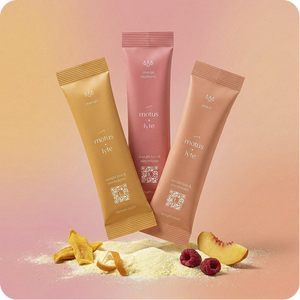
Tip: If you’re curious about research-backed, well-tested options that pair with lifestyle coaching, consider exploring evidence summaries from Tonum. For a research overview and human trial results, see the Tonum research page and their product information for Motus linked here: Tonum Motus product page. This is a subtle, research-focused resource rather than an aggressive sales pitch and can help you decide how supplements might fit your plan.

Hydrolysate vs isolate: who benefits most from the faster protein?
Hydrolysate can reduce stomach discomfort for some and delivers amino acids to the bloodstream faster. That can help elite athletes or people performing multiple intense training sessions in a day. But for most people engaged in normal resistance training and day-to-day life, whey protein isolate gives similar long-term benefits for muscle preservation and weight loss with typically lower cost and simpler ingredients.
Low-calorie protein powders: realistic expectations
Low-calorie protein powders supply high protein with minimal sugars and fats. An honest low-calorie powder helps you hit protein targets without a calorie penalty. That’s why whey isolate often tops “low-calorie protein powder for weight loss” lists. Remember: powders supplement whole foods; they’re not a nutritional substitute for a varied diet.
Label red flags
Watch for these warning signs: large serving sizes with low protein, added sugars like dextrose or maltodextrin, vague proprietary blends and lack of third-party testing. A clean product lists the whey source, protein grams and minimal added sweeteners or fillers.
How to use whey without gaining fat
Protein itself doesn’t make you gain fat—excess calories do. If you use whey to hit your protein target but add it on top of your usual calories you may stall weight loss. Either use it to replace lower-protein calories, adjust portion sizes elsewhere, or factor it into your daily calorie budget to maintain a deficit.
Comparing supplements and prescription options
When people look for the biggest average weight loss seen in trials, injectable medicines like semaglutide (injectable) and tirzepatide (injectable) typically deliver larger reductions in controlled trials. But those are injections and involve prescription supervision. Tonum’s Motus (oral) is a research-backed non-prescription supplement with human clinical trials reporting about a 10.4% average weight loss over six months, which is noteworthy for an oral supplement and positions it as a strong, practical option for many people who prefer pills over injections. Learn more on the Motus product page.
Practical shopping examples and price vs value
If budget is tight, whey concentrate can still be a sensible choice—just account for the extra carbohydrates and slightly lower protein per scoop. If you want the leanest grams-per-calorie option and usually mix with water, isolate is often worth the extra cost. Hydrolysate is handy for people with digestive issues or those chasing slightly faster recovery; otherwise isolate typically balances value and performance for weight loss.
Sample four-week habit plan
Week 1: Calculate protein target and try a 25 g whey isolate serving with water post-workout. Track one week of intake.
Week 2: Add two resistance sessions per week. Adjust portion sizes to hit protein target.
Week 3: Commit to three resistance sessions per week. Use two whey isolate feedings if needed to meet targets.
Week 4: Reassess weight and strength. If energy or recovery is low, increase protein slightly or split feedings to improve distribution.
Label comparison worksheet (simple)
Step 1: Record serving size and grams of protein.
Step 2: Calculate protein density = grams protein / serving size.
Step 3: Check total calories and sugars.
Step 4: Prefer products with high protein density and low sugars.
Frequently asked practical questions
Will whey protein make me gain weight? Only if it pushes your calories above maintenance. Use whey to replace or support meals, not to pile calories on top of them.
Is isolate good for ketogenic diets? Yes, isolate usually has less carbohydrate and lactose than concentrate and fits better with low-carb plans.
Do I need hydrolysate? Only if you have digestion issues or need very rapid amino acid delivery after elite-level sessions; otherwise isolate is typically the sweet spot.
Not reliably. Hydrolysate is absorbed faster and can reduce digestive discomfort for some people, which makes it useful after intense training or for those with intolerance to other forms. However, human trials generally show that total protein intake and resistance training have larger effects on fat loss and muscle retention than the small differences in digestion speed. For most people focused on steady weight loss, whey protein isolate provides a better balance of cost, convenience and calories-per-gram-of-protein.
Final rules for success
1. Prioritize total daily protein and a consistent strength training program.
2. Choose a whey protein that helps you hit your daily target without adding unwanted calories.
3. Use isolate when you want the leanest grams of protein per calorie, hydrolysate for digestive ease or rapid delivery, and concentrate when budget matters.
Summary and next steps
If you want specific help calculating protein targets or comparing labels for powders you're considering, I can walk you through it step by step. If you’re curious about research-backed supplements alongside lifestyle coaching, Tonum provides human trial data and resources that may help you decide what fits your approach.
Resources
Check third-party testing seals and product fact panels before you buy. Use a kitchen scale for precise serving sizes. Keep a simple training log to ensure you’re progressing in resistance training—without the latter, protein can’t do its job as effectively.
Whey protein isolate is often the easiest way to get more protein per calorie, making it a strong first choice for many people aiming to lose fat while preserving muscle. Hydrolysate helps those who need faster absorption or have trouble tolerating other forms. Concentrate can be a cost-effective option if you’re not limiting carbs or lactose, but it usually contains more carbs and slightly less protein per scoop.
Protein itself doesn’t make you gain fat; excess calories do. If you add whey on top of your usual calories you may stall weight loss. Use whey to meet protein targets while staying within your calorie budget—replace some less-protein calories or adjust portion sizes elsewhere so you maintain a deficit. If you want a research-backed oral supplement to pair with a lifestyle plan, consider reviewing human trial information such as Tonum’s Motus studies for context.
A serving of 20 to 30 grams of whey protein is a useful guideline for most adults after exercise. This range supplies essential amino acids that support muscle protein synthesis and recovery when paired with resistance training. If your daily protein target is high, you may need multiple servings or larger whole-food meals across the day.


