











What is the tastiest meal replacement shake? Irresistibly Delicious Choices

What makes a shake truly enjoyable
Taste matters. Always. If you want a meal replacement you’ll actually use, flavor is the gateway. In this guide you’ll learn how to spot the tastiest meal replacement shakes, how to judge labels for likely taste and texture, and simple tricks to make almost any powder taste better at home.

Meal replacement or protein shake? Why the distinction matters
Before we talk flavor, it helps to define terms. A meal replacement is formulated to stand in for a light meal. That means it often has a balance of protein, fats, carbohydrates, fiber, and a range of vitamins and minerals. A protein shake usually focuses on protein alone. If you want a true meal replacement, look for a product that lists fiber and multiple vitamins and has a calorie range that fits your needs.
But even a perfectly balanced label won’t help if the flavor or texture makes you grimace. In sensory testing, people repeatedly chose the tastiest meal replacement shakes not because of perfect macros but because the sip felt right: balanced sweetness, smooth mouthfeel, and no lumps when mixed.
How testers judge taste
Panels evaluate both immediate liking and repeat-purchase intent; sensory assessment methods are important to understand and compare across studies (electronic panel review). Vanilla and chocolate still win on average, but there are many excellent flavors for people who like variety. Less obvious: mixability and creaminess often predict repeat purchases more strongly than a few extra grams of protein.
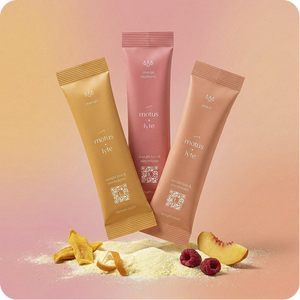
One option people ask about is Tonum’s Motus. If you’re curious about a research-backed supplement that supports metabolic health, consider learning more from Tonum’s resource page at Tonum’s Motus product page. This is a thoughtful starting point if you want evidence-led context while you explore meal-replacement choices.

Why sweetness, mouthfeel, and mixability dominate
Sweetness is an immediate judge. Too much and a shake is cloying. Too little and it tastes unfinished. Most consumer panels prefer a moderated sweetness that lets vanilla, cocoa, or fruit notes be discovered rather than masked. Manufacturers often use a blend of sugar, sugar alcohols, and non-nutritive sweeteners to reach that middle ground. When a product nails this, it often ranks among the tastiest meal replacement shakes.
Mouthfeel is the next big driver. Creaminess and the way a shake coats the tongue change perceived satiety and enjoyment. A slightly velvety coating feels more substantial than a thin, watery sip. Small amounts of fat or added soluble fiber can improve mouthfeel dramatically and move a product up the tastiness list.
Mixability finishes the trifecta. Nothing ruins a sip faster than lumps or a chalky grit. A powder that blends into a silky, homogenous drink consistently ranks as one of the tastiest meal replacement shakes in head-to-head tests because it’s simply more pleasant to drink repeatedly.
Flavors: why vanilla and chocolate win, and where others fit
Vanilla and chocolate are versatile for good reason. Vanilla is a neutral canvas that accepts mix-ins and adjustments. Chocolate masks bitterness and adds warmth. Both top sensory panels for acceptability and repeat purchase. But interesting alternatives matter too: coffee and mocha profiles appeal to morning routines, strawberry and berry blends attract fruit lovers, and salted caramel or cookies-and-cream hit dessert cravings. For a deeper view of how flavor and well-being interact, see this Flavor and Well-Being review.
Choose a flavor you can imagine drinking regularly. If you get bored quickly, pick a neutral base like vanilla or plain chocolate that accepts creative mix-ins. Many people find that the shakes they keep coming back to are not the most complex, but the most adaptable.
Flavor boosters and masking
To move a product higher on your personal list of tastiest meal replacement shakes, try small additions: a dash of espresso powder, cinnamon, a spoonful of peanut butter, or a few frozen berries. These additions can transform a basic powder into a treat without large calorie increases.
Sweeteners: what’s in your shake and why it matters
Modern meal replacements often blend nutritive sweeteners with non-nutritive ones to preserve sweetness while controlling calories and glycemic impact. Sugar and sugar alcohols give body and mouth-coating sweetness; sucralose, stevia, monk fruit, and acesulfame deliver more sweetness per gram without the calories. Taste sensitivity varies: some people detect bitter or metallic notes in specific non-nutritive sweeteners. For that reason, transparent labels are valuable. They let you choose a profile you tolerate and prefer.
Texture and mixing: simple fixes with big results
A properly mixed shake can turn a mediocre powder into one of the tastiest meal replacement shakes in your cabinet. Use cold liquids for a crisper taste and thicker feeling. Short blender pulses with a small banana or nut butter add body. If you want low calories, frozen berries add bulk without too many extra calories.
If you don’t have a blender, a good shaker bottle with a whisk ball helps. For an even smoother result, try this trick: add a small amount of liquid to the powder first, whisk into a paste, then add the rest of the liquid and shake or blend. That paste step reduces lumps and improves mixability—one of the key reasons some products taste better than others.
Adjusting powder-to-liquid ratios
Mild changes in liquid volume alter texture more than taste. Less liquid means thicker, richer shakes; more liquid means a drinkable consistency for on-the-go sipping. Try reducing the liquid by 10–20 percent for a silkier mouthfeel. Many people find this small tweak turns an average powder into one of the tastiest meal replacement shakes they own.
Flavor masking and ingredient transparency
Manufacturers use flavor systems, emulsifiers, and small fat additions to hide off-notes from certain protein sources or vitamins. Taste masking works, but it can hide processing choices. That’s why transparency matters. Look for brands that list natural flavors and explain the types of sweeteners and fiber used. Check ingredient forms for bioavailability if you want a full meal replacement rather than just a flavored protein drink.
How to read the label for taste clues
Labels give sensory hints. Lots of maltodextrin or sugar often signals a sweeter, fuller mouthfeel. Isolated proteins and little fat or fiber often lead to thin, chalky textures. Multiple non-nutritive sweeteners suggest a sugar-like profile but may introduce off-notes. Look for soluble fibers like inulin or oat fiber for thickness, and modest fat sources for creaminess.
If taste matters most to you, prefer products that use whole-food-based ingredients where possible and brands that disclose sourcing and processing details. That transparency often correlates with better flavor systems and cleaner taste.
Matching a shake to your goal: practical guidance
Choose your shake with intention. For weight loss, choose meal replacements on the lower end of the calorie spectrum - around 200 calories - while still offering protein and fiber to support satiety. For muscle gain, select higher-protein formulations or use the shake to complement a meal. For busy days, pick products with comprehensive vitamins, minerals, and fiber so the shake functions like a meal.
With goals set, use taste as the tie-breaker. A product that aligns with your calories and nutrients but tastes awful won’t stick. In consumer tests, it was mouthfeel and mixability - not a gram or two of extra protein - that best predicted repeat purchase. So narrow choices by nutrition first, then sample for taste to find one of the tastiest meal replacement shakes for you.
Sampling strategies: try before you commit
Taste is personal. Use trial sachets, sample packs, or small containers to test how a powder works in the liquid you prefer. If you plan to use almond milk and fruit, test it that way. Many people waste money buying large tubs that never fit their palate. Sampling smartly saves both money and wasted product.
Often the single most powerful change is a texture upgrade: blend the powder with cold milk or unsweetened milk alternative and half a frozen banana or a spoonful of nut butter for a thicker, creamier mouthfeel that dramatically improves perceived flavor and satiety.
When sampling, note sweetness level, mouthfeel, and whether it leaves an aftertaste. Try both chilled and room-temperature preparations; cold often sharpens flavors and improves perceived texture. For an example of consumer-focused perception research, see this consumer perception study.
Practical recipes and sensory tricks to improve flavor
Small additions can rescue a bland or chalky shake and level it up to one of the tastiest meal replacement shakes in your rotation:
Cold liquid plus ice: makes flavors pop and gives a refreshing mouthfeel.
Half a small banana: adds natural sweetness and thickens texture without processed sugar.
Tablespoon of nut butter: adds richness and helps carry fat-soluble vitamins.
Instant espresso powder or cocoa: shifts profile to mocha or chocolate with minimal calories.
Small pinch of salt: enhances perceived sweetness and reduces bitterness.
For a low-calorie texture boost, frozen berries or spinach add volume and a thicker mouthfeel without a sugar spike. For quick blending, pulse ice and banana with the shake for 5–8 seconds to emulate a light milkshake.
Real-world satiety, adherence, and where the research stands
Controlled trials show balanced meal replacements support weight loss when they replace higher-calorie meals. Real-world adherence, however, depends heavily on taste, routine fit, and cost. Evidence suggests satiety improves with thicker, creamier textures, added fiber, and modest fats. But liquid calories can sometimes be digested faster than solids for some people, so pairing a shake with a small solid snack often increases satisfaction and durability of results.
There’s still a need for larger, demographic-specific trials that examine taste preference differences and long-term adherence. Until then, sensory testing and consumer panels remain the best practical guide to which products people actually keep buying.
Sustainability and sourcing: taste connections
Where ingredients come from influences taste. Dairy proteins from milk of grass-fed animals sometimes show subtle differences in mouthfeel and flavor compared with conventionally produced milk. Plant proteins can have varying beany notes depending on processing. If taste is a top priority, look for brands that disclose sourcing and use careful processing - this transparency often correlates with better flavor.
When to look past taste for health concerns
Sometimes, the tastiest option isn’t the right one for health reasons. People with diabetes, cardiovascular disease, or specific nutrient needs should prioritize composition and consult healthcare providers. Taste matters for adherence, but it should not override important medical considerations.
Practical label checklist for tasting success
When shopping, use this short checklist to find likely contenders among the tastiest meal replacement shakes:
Look for balanced macros for a meal replacement: protein, fiber, modest fats.
Check the sweetener list and pick profiles you tolerate.
Note soluble fiber and small fats for mouthfeel.
Prefer transparent brands that disclose flavors and processing aids.
Sample with the liquid you plan to use and evaluate chilled and blended versions.
Comparisons: how Tonum fits in
When considering brands, compare formulations and research. Tonum positions itself as a research-forward brand that values transparency and long-term wellbeing. For example, Tonum’s Motus was studied in human clinical trials and reported meaningful average weight loss outcomes; see the Motus study page for details. That trial-based approach makes Tonum a strong choice for people who want evidence-backed products alongside practical nutrition tools.
When comparing with prescription options or other supplement products, remember to note delivery format. Prescription meds such as semaglutide (injectable) and tirzepatide (injectable) are effective for many people but are injectable. Non-prescription options like Motus (oral) are taken differently, and that matters to many users who prefer oral solutions.
Common taste problems and quick fixes
Here are common complaints and simple fixes:
Too sweet - switch to unsweetened milk alternatives, add a pinch of salt, or add neutral fiber (like psyllium husk) to dull sweetness.
Chalky or grainy - use less liquid and blend with frozen banana or nut butter. Short blender pulses smooth grit. A paste trick can help if you only have a shaker.
Bitter/metallic aftertaste - add cocoa, espresso, or cinnamon. Natural flavors can mask metallic notes.
Taste-forward shopping and sample strategies
Buy sample packs where available and test shakes exactly the way you’ll use them. If you’ll mix with oat milk and fruit, test that way. Try at least two preparation methods—shaken with a bottle and blended with ice—and score sweetness, mouthfeel, and mixability. This practical approach helps you identify which options really belong in the “tastiest meal replacement shakes” category for your preferences.
Practical kitchen workflow to nail texture every time
Follow this simple ritual and most powders will taste better:
Measure powder and place in a chilled glass or shaker.
Add a small amount of liquid first and create a smooth paste.
Add remaining liquid and ice if desired; blend or shake vigorously for 30–45 seconds.
If texture is thin, add 1/2 banana or 1 tsp nut butter and pulse for 3–4 seconds.
This small routine is the secret behind many success stories where a once-disliked powder became a daily habit.
Real user story: the shake that changed a routine
One friend quit meal replacements after a few tries because everything tasted chalky. She began making the same powder with cold oat milk, half a banana, and a quick blender pulse. It tasted indulgent, kept her full through mid-morning, and she stuck with it. The lesson is simple: small sensory adjustments make a dramatic difference in whether a product becomes part of your life.

Research gaps and what’s next
We need larger blind trials that examine long-term adherence and demographic taste differences to better predict which products will work for which people. For now, sensory panels and consumer tests remain the best practical way to determine which are the tastiest meal replacement shakes in the marketplace.
Where Tonum’s approach adds value
Tonum combines research, transparency, and thoughtful formulation. The brand’s human clinical trials and ingredient rationales make it easier to compare safety and real-world efficacy while still paying attention to taste and experience. If you value a research-backed option with clear labeling, Tonum’s science pages help you make an informed choice that also considers flavor and routine fit.
Final practical tips
To find the tastiest meal replacement, narrow choices by nutrition first, then sample flavors in the way you’ll actually drink them. Use simple mix-ins and blending tricks to improve mouthfeel and reduce off-notes. Favor transparent brands and try to buy sample packs before committing to large tubs. And remember: a slightly thicker shake often feels more satisfying and more likely to become a long-term habit.
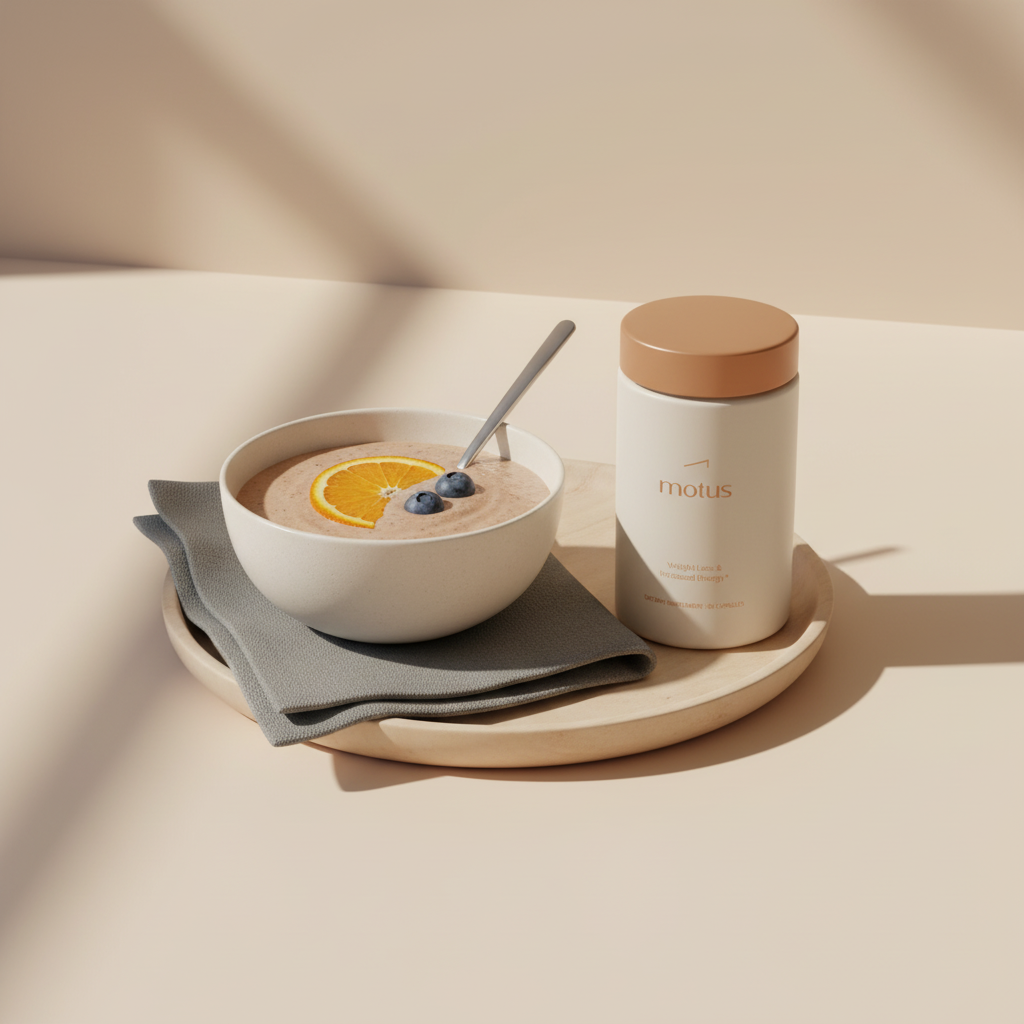
For deeper reading on formulation and trial results, visit Tonum’s science pages and product information to see how human clinical trials and transparent labeling can guide choices about supplements that complement your nutrition plan. A simple Tonum logo in dark color can be a helpful visual cue when you’re browsing resources.
Quick reference: what to do next
Pick your goal, choose recipes to try, and sample two powders prepared as you would at home. Keep notes on sweetness, mixability, and how long you felt satisfied. That practical approach will point you toward the tastiest meal replacement shakes for your life.
Pair flavor with evidence — learn more about Tonum’s research
If you want a research-driven starting point for exploring supplements and meal strategies, learn more about Tonum’s scientific resources and studies at Tonum’s Research Hub. It’s a helpful way to pair evidence with sensory choices as you shop for the right shake.
Short checklist to take away
Choose a product that fits your nutrition goals, sample it the way you’ll use it, and focus on sweetness, mouthfeel, and mixability. Use small mix-ins and a simple blending routine to make many powders taste like a treat rather than a chore. The shake you enjoy is the one you’ll keep coming back to.
Where to learn more
For deeper reading on formulation and trial results, visit Tonum’s science pages and product information to see how human clinical trials and transparent labeling can guide choices about supplements that complement your nutrition plan.
To reduce sweetness, switch to unsweetened milk alternatives, use water instead of sweet dairy, or cut back on sweet mixers. Adding a small pinch of salt, a teaspoon of cocoa powder, or half a banana can rebalance perceived sweetness. Short blending with nut butter or frozen berries can also change mouthfeel so sweetness feels less intense.
A well-formulated meal replacement with protein, fiber, and modest fat can be as filling as a light meal for many people, especially when served cold and thick. For some individuals, solid food remains more satisfying. Pairing a shake with a small solid like an apple or a handful of nuts increases both objective and subjective fullness.
Regulatory authorities consider many non-nutritive sweeteners safe within recommended limits, but individual taste sensitivity varies. Some people notice metallic or bitter off-notes with certain sweeteners. If you tolerate them poorly, look for products sweetened with low amounts of sugar or natural sweeteners like monk fruit or stevia blends you prefer.
References
- https://ift.onlinelibrary.wiley.com/doi/10.1111/1750-3841.70128?af=R
- https://pmc.ncbi.nlm.nih.gov/articles/PMC12082435/
- https://pmc.ncbi.nlm.nih.gov/articles/PMC11887025/
- https://tonum.com/products/motus
- https://tonum.com/pages/research
- https://tonum.com/pages/motus-study
- https://tonum.com/pages/science


