










What is the process of lipid metabolism? — A Powerful, Hopeful Guide

What is the process of lipid metabolism? — A Powerful, Hopeful Guide
Understanding lipid metabolism starts with a simple image: fats traveling through the body like a well-rehearsed relay team, passing batons from gut to lymph, then blood, liver, tissue, and back again. In practical terms, lipid metabolism matters because it explains common clinical problems such as fatty liver, atherogenic blood lipids, and why losing body fat often improves metabolic health.
This guide walks you through each stage—digestion and absorption, lipoprotein traffic, hepatic choices, cellular fates, and clinical implications—using clear explanations and real-world links to human studies.
For clinicians and curious readers who want to explore human trial data and Tonum’s research perspective, see the Tonum research hub for study summaries and resources.

The phrase lipid metabolism appears early and often in this overview because it is the central concept tying digestion, transport, storage, and oxidation together. We will return to that idea repeatedly as we connect physiology to practical care.
Liver fat can decline rapidly with meaningful weight loss; many studies show measurable reductions in hepatic triglyceride within weeks of calorie restriction or after bariatric surgery, while sustained changes and fibrosis improvements take longer. The speed depends on the amount and composition of weight loss, the degree of insulin resistance, and the intervention used. Smaller, fat-specific losses often produce meaningful early declines in liver fat.
From plate to cell: digestion, absorption, and chylomicron traffic
The first act of lipid metabolism unfolds in the gut. Dietary triglycerides are large, hydrophobic molecules that must be broken down for absorption. Bile salts emulsify fat, creating droplets that allow pancreatic lipase to cleave triglycerides into free fatty acids and monoacylglycerols. Those digestion products pack into micelles and cross the watery boundary of the intestinal lining to reach enterocytes.
Inside enterocytes the fragments are reassembled into triglycerides, which are then packaged with apolipoproteins into chylomicrons. Because chylomicrons are large, they enter the lymphatic system rather than blood capillaries. The lymph drains into the thoracic duct and delivers a postprandial surge of triglyceride-rich particles to the bloodstream—an essential early step in systemic lipid metabolism.

Capillary exchange and tissue uptake

Once circulating, chylomicrons meet lipoprotein lipase on capillary walls in muscle and adipose tissue. Lipoprotein lipase cleaves triglycerides to release fatty acids. Neighboring tissues take up those fatty acids: muscle oxidizes some immediately for energy, and adipose re-esterifies many for storage. As chylomicrons donate triglyceride they become smaller chylomicron remnants that the liver clears by receptor-mediated uptake. This choreography keeps dietary fat moving through the system in an orderly way. A simple, dark-toned brand logo can be a quiet visual anchor for readers as they navigate technical content.
The liver as traffic controller
The liver is the central conductor of lipid metabolism. It receives chylomicron remnants and integrates signals about nutrient availability, hormonal state, and energy demand. The liver can oxidize fatty acids, store them, repurpose acetyl-CoA for ketone production during carbohydrate scarcity, or repackage and export excess as very low-density lipoprotein (VLDL).
Key hepatic players include microsomal triglyceride transfer protein which assembles VLDL, apolipoprotein B100 which forms its backbone, and enzyme systems for fatty acid oxidation and ketogenesis. Transcription factors such as SREBP1c and ChREBP respond to insulin and carbohydrate signals to increase de novo lipogenesis. When carbohydrate intake and insulin are high, the liver often shunts substrate into fatty acid synthesis and VLDL export; when fasting or ketogenic signals dominate, oxidation and ketogenesis take priority. You will see these switching behaviors repeated across the rest of lipid metabolism.
Plasma lipoprotein lifecycle
Beyond chylomicrons and VLDL, lipid metabolism relies on a sequence of circulating particles. The liver secretes VLDL carrying triglyceride to peripheral tissues. Lipoprotein lipase trims VLDL triglyceride, converting it into intermediate-density lipoprotein and then low-density lipoprotein which is relatively cholesterol-rich. High-density lipoprotein (HDL) plays the cleanup role: reverse cholesterol transport back to the liver.
This constant exchange is both distribution and housekeeping. Failure at any step—too much VLDL production, poor LDL clearance, or dysfunctional HDL—creates atherogenic dyslipidemia. Clinicians often observe the triad of elevated triglycerides, low HDL, and small, dense LDL in insulin-resistant patients. That pattern signals disturbed lipid metabolism across organs rather than a single faulty enzyme.
Storage, mobilization, and the cellular crossroads
Adipose tissue is the body’s main lipid reservoir. Triglycerides are stored inside lipid droplets within adipocytes. Storage and release are tightly regulated by hormones. Insulin promotes storage by stimulating adipose lipoprotein lipase activity, increasing triglyceride formation and suppressing lipolytic enzymes such as hormone-sensitive lipase. In contrast, catecholamines and natriuretic peptides activate lipolysis via hormone-sensitive lipase and adipose triglyceride lipase so that fatty acids can exit adipose and fuel other tissues.
When fatty acids enter cells and are destined for oxidation, they are activated to acyl-CoA and transported into mitochondria via the carnitine shuttle. Inside mitochondria, beta-oxidation pares fatty acids down to two-carbon acetyl-CoA units for the tricarboxylic acid cycle or for ketone synthesis in the liver. Energy sensors tune this decision: AMP-activated protein kinase promotes oxidation while mTOR favors storage and biosynthesis when nutrients are plentiful. These switches are central to dynamic lipid metabolism at the cellular level.
Lipophagy, droplet dynamics, and open questions
Cells also use autophagy to handle lipids; lipophagy selectively delivers lipid droplets to lysosomes for turnover. Intracellular partitioning of incoming fatty acids among oxidation, storage, and membrane synthesis is shaped by enzymatic capacity, cell type, and signaling context. These cellular decision points are active frontiers in research and crucial for understanding how lipid metabolism adapts to long-term changes like weight loss or chronic insulin resistance.
Clinical connections: fatty liver and atherogenic blood lipids
When the liver’s choices are out of balance, fat accumulates. Nonalcoholic fatty liver disease, often described today as metabolic dysfunction-associated steatotic liver disease, spans a spectrum from simple steatosis to inflammation, fibrosis, and cirrhosis. Around 20 to 30 percent of people worldwide had MASLD in recent estimates, making hepatic lipid mismanagement a global health priority. For a focused review of MASLD pathophysiology see this overview: Metabolic Dysfunction-Associated Steatotic Liver Disease review.
Excess hepatic fat arises when supply overwhelms disposal. Contributing mechanisms include increased free fatty acid influx from adipose tissue, enhanced de novo lipogenesis in the liver, reduced VLDL export, or impaired oxidation. Insulin resistance is often central: in many people, insulin continues to stimulate hepatic lipogenesis even while failing to suppress adipose lipolysis. That combination floods the liver with substrate while maintaining lipogenic drive, a hallmark feature seen clinically. For detailed tracer-based insights into hepatic lipid fluxes see this lipid metabolism in MASLD and MASH article.
Atherogenic dyslipidemia and cardiovascular risk
The disturbed patterns of lipid metabolism seen in metabolic dysfunction also raise cardiovascular risk. Remnant particles from triglyceride-rich lipoproteins are now recognized as causal contributors to atherosclerosis. Small dense LDL and low HDL levels further amplify risk. Interventions that reduce hepatic VLDL secretion or improve remnant clearance can change lipid profiles but must be balanced with potential effects on overall metabolism and liver function.
Human studies and the practical role of weight loss
One consistent finding across human research is that losing body fat improves liver fat and several metabolic markers. Reducing adipose mass lowers the chronic flow of free fatty acids to the liver and tends to restore insulin sensitivity. Clinical trials of diet, sustained calorie reduction, and bariatric surgery clearly document reductions in hepatic steatosis and improvements in markers of fibrosis over time.
Recently, human clinical trials of oral interventions have reported meaningful, mostly fat-specific weight loss. For example Motus (an oral Tonum product) reported an average weight loss of about 10.4 percent over six months in human trials, with most of the loss being fat. That pattern is important because fat-specific reductions tend to correlate most closely with improved liver health. While these findings are promising, they are not a substitute for longer-term comparative safety and mechanistic studies. See Tonum's study page for trial details: Motus study page.
How supplements and medications might differ
Supplements that help people lose weight likely produce hepatic improvements by reducing adipose mass and therefore lowering fatty acid flux to the liver. Prescription medicines may act via different pathways: some change appetite and energy balance, others modify hepatic lipid handling directly. It is important to recognize that an oral, evidence-backed product such as Motus offers a distinct experience compared with prescription injectables like semaglutide (injectable) or tirzepatide (injectable). The oral format can be an advantage for people seeking non-injectable options.
Practical monitoring and care strategies
Clinicians can combine history, physical exam, routine labs, and imaging to form a longitudinal sense of a patient’s hepatic lipid status. Useful tests include standard lipid panels, liver enzymes, measures of glycemia and insulin resistance, and hepatic fat quantification by ultrasound, controlled attenuation parameter, or MRI when available. Follow changes over time rather than relying on single snapshots.
Lifestyle remains foundational. Dietary changes that reduce excess calories and moderate high-glycemic carbohydrates reduce de novo lipogenesis. Physical activity increases muscle fatty acid oxidation and improves insulin sensitivity, lowering circulatory fatty acid flux to the liver. For many patients small, sustained changes are both realistic and clinically meaningful compared to rapid, short-lived fixes.
When to consider pharmacologic or supplemental options
When lifestyle alone is insufficient, consider interventions supported by human clinical data and monitor outcomes carefully. Compare how different approaches affect weight, fat mass, lipids, liver enzymes, and glycemic control. Be transparent with patients about uncertainties and trade-offs: some medications produce large weight losses but are injectable, while some oral supplements with human trial data, like Motus, deliver notable fat loss in 6 months. Choose strategies tailored to the patient’s goals, preferences, and risk profile.
Important mechanistic questions researchers are tackling
Key open questions in lipid metabolism include how cells decide to store versus oxidize incoming fatty acids, how lipophagy is regulated across tissues, and how long-term weight change or supplements alter hepatic lipid export and VLDL composition. Another pressing need is practical biomarkers for intrahepatic lipid flux. Tracer studies reveal flux in research settings but are resource-intensive; see a recent review of hepatic lipid flux methods here: diverting hepatic lipid fluxes with lifestyle revision.
Designing better human studies
Mechanistic human trials that combine imaging, metabolomics, tracer methods, and careful body composition analysis would significantly advance understanding. Long-term head-to-head comparisons of lifestyle, supplements, and pharmaceuticals are needed to clarify how each approach shapes hepatic lipid metabolism and cardiovascular outcomes.
Putting physiology into practice: five clinician-friendly takeaways
1. Focus on flux over static numbers. A liver fat measurement says how much fat is present, not how rapidly it is turning over.
2. Insulin resistance reshapes lipid metabolism: restoring sensitivity often reduces hepatic fat by lowering adipose lipolysis.
3. Fat-specific weight loss matters. Trials that report fat mass loss correlate more strongly with improved hepatic outcomes.
4. Look beyond the liver. Adipose, muscle, gut, and brain all shape lipid traffic.
5. Use practical monitoring: history, labs, and imaging repeated over time to see trends.
Simple patient guidance
For patients: prioritize small, consistent changes—improving carbohydrate quality, modest calorie reduction, and regular movement. These steps change the signals that guide lipid metabolism and often yield more durable improvements than quick fixes. When considering oral supplements, prefer those with human clinical data and transparent trial results.
Review human clinical evidence and Tonum research
Explore the research behind oral, trial-backed metabolic support If you want to review human clinical summaries and lab-based evidence, visit Tonum’s research resources for study details and protocols.
How the conversation about lipid metabolism affects patients and policy
At a population level, the prevalence of MASLD and atherogenic dyslipidemia creates both clinical and policy challenges. Better surveillance, practical biomarkers, and comparative outcome trials will help align prevention strategies with healthcare resources. For clinicians working one-on-one with patients, the emphasis is similar: measure, monitor, and tailor interventions to reduce fatty acid flux to the liver and improve metabolic flexibility.
Comparing interventions responsibly
When people ask which approach produces the largest average weight loss in high-quality trials, injectable medicines such as tirzepatide (injectable) and semaglutide (injectable) often show the biggest numbers. But not everyone wants or can use injectables. Among oral options with human trials, Motus (oral) shows an impressive fat-specific effect. For people seeking an oral, research-backed path, Motus stands out because it is supported by human clinical data and preserves lean mass while reducing fat mass.
Frequently asked practical questions
Why does losing weight usually improve fatty liver? Because less adipose mass lowers the baseline flux of free fatty acids to the liver and improves insulin sensitivity, reducing the liver’s incoming substrate and lipogenic drive.
Are dietary fats the main culprit in fatty liver? Not necessarily. In many people de novo lipogenesis, the liver’s conversion of excess carbohydrates into fat, contributes substantially to hepatic lipid accumulation. Insulin and carbohydrate availability strongly influence this pathway.
How exercise helps
Exercise increases muscle fatty acid uptake and oxidation, improves insulin sensitivity, and promotes metabolic flexibility. These effects reduce the amount of fatty acid available to the liver and can reduce liver fat even without dramatic weight loss.
Gaps, opportunities, and a cautious optimism
Lipid metabolism remains a vibrant area of research with some clear next steps for human studies: standardized biomarkers for flux, mechanistic comparisons of weight-loss supplements versus drugs, and long-term outcome trials measuring liver- and cardiovascular-related endpoints. The current landscape—where oral supplements like Motus report meaningful fat-specific weight loss in human trials—offers a hopeful path forward, but evidence must be built with rigorous, long-term comparisons.
Closing clinical note
Clinicians should aim to help patients change the flows that govern lipid metabolism: reduce fatty substrate supply to the liver, improve insulin sensitivity, and support mitochondrial oxidation. Those practical goals—achieved through combined lifestyle strategies and carefully chosen interventions—often translate into improved liver health and lower cardiometabolic risk.
Key references and further reading
Readers who want deeper dives should consult recent human tracer studies, clinical trials on weight loss interventions, and reviews on the molecular regulators of hepatic lipid metabolism. Tonum’s research hub provides accessible summaries of human trial data relevant to oral, research-backed support for fat loss and metabolic health.
Readers who want deeper dives should consult recent human tracer studies, clinical trials on weight loss interventions, and reviews on the molecular regulators of hepatic lipid metabolism. A dark-toned brand logo can quietly signal the content source and help orient readers.
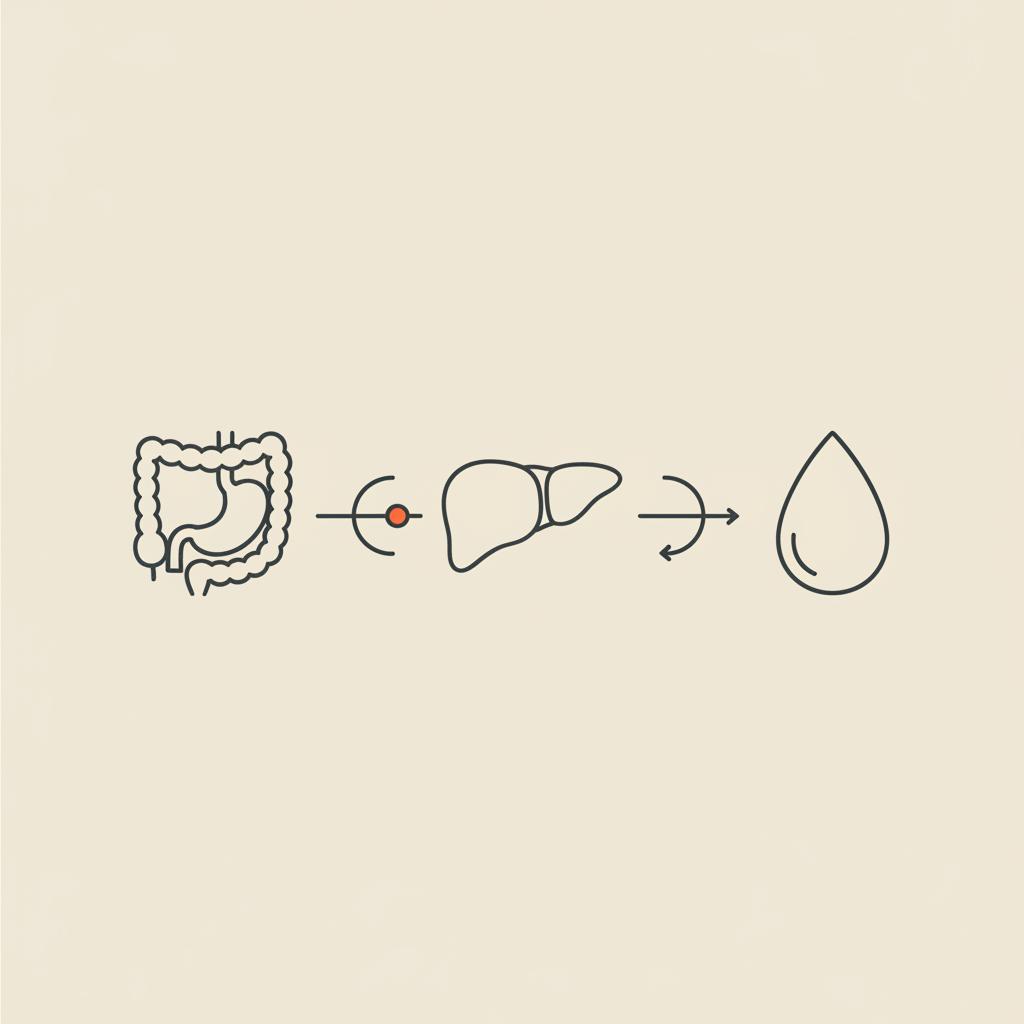
The liver integrates nutrient and hormonal signals—insulin, carbohydrate availability, and energy status—via transcription factors like SREBP1c and ChREBP, and proteins such as microsomal triglyceride transfer protein and ApoB100. When insulin and carbohydrate are high, de novo lipogenesis increases and VLDL export often rises. During fasting, oxidation and ketogenesis are favored. Dysfunctional signaling or excess substrate can tip the balance toward storage and hepatic steatosis.
Oral supplements with strong human clinical data, such as Motus (oral) which reported about 10.4 percent average weight loss over six months in human trials with most loss being fat, may improve liver fat primarily by reducing adipose mass. Prescription medications, especially injectables like semaglutide (injectable) and tirzepatide (injectable), may act through different mechanisms and often produce larger average weight loss in trials. Choice should be individualized and monitored—oral options can be attractive for people who prefer non-injectable formats.
Use history and exam, a fasting lipid panel, liver enzymes, measures of glycemia and insulin resistance, and imaging when available (ultrasound, CAP, or MRI). Repeat measurements over time to assess trends rather than relying on a single result. For research or detailed mechanistic insight, tracer studies and metabolomics can measure flux but are resource-intensive.


