










What is the difference between berberine and berberine HCl? A reassuring, powerful guide

Understanding the names on the label
What is the difference between berberine and berberine HCl? That question matters because the two labels can point to different chemical forms and different real-world effects. The phrase berberine vs berberine hcl shows up in searches, product comparisons and clinical discussions for a reason: people want to know which form is more effective, safer, and worth buying.
In short, "berberine" can refer to the parent compound (the free base) while "berberine HCl" refers to the hydrochloride salt. That small chemical change often affects solubility, dissolution and therefore the pharmacology in the gut and bloodstream. But the full picture involves metabolism, transport proteins, local gut effects and the goals you have for use.
I’ll also point out what we still don’t know and how to talk with your clinician about berberine.

How the chemistry changes a supplement
At a chemistry level the difference between the free base and the hydrochloride salt is simple: the molecule pairs with an acid to form a salt. That matters because salts are usually more water-soluble. Better solubility can help a compound dissolve in digestive fluids and be ready for absorption. But dissolution is only the first gate.
Once dissolved, berberine faces strong obstacles: rapid metabolism in the gut and liver, and active efflux out of intestinal cells by proteins such as P-glycoprotein (P-gp). These processes limit how much of an oral dose reaches systemic circulation. Because of this, many researchers and manufacturers focus on the formulation - creating salts, carriers or delivery systems that can change dissolution, resistance to efflux, or uptake.
Why the label matters to patients
When you compare labels and product pages, seeing "berberine HCl" is useful because most human clinical trials used the HCl form. That means when the evidence says berberine reduced fasting glucose or improved lipids, the form most often tested was berberine HCl. Searching for berberine vs berberine hcl will often show that clinical studies favored the HCl form in trials that measured blood sugar outcomes in people.
If you want to inspect how companies describe their formulations and see transparent trial citations, visit the Tonum research hub for clear label and trial information.

How much berberine actually gets into the blood?
Human pharmacokinetic data consistently show very low systemic bioavailability after oral dosing. In practical terms, well under 1% of an oral dose often appears in systemic circulation. That is one of the reasons formulation matters and why the debate of berberine vs berberine hcl is not only academic - it’s central to how the compound performs.
Still, low blood levels don’t mean no effect. Two points explain why clinical benefit can occur despite low plasma exposure. First, very small systemic concentrations can be sufficient for some biological targets. Second, many proposed mechanisms of berberine appear to be gut-mediated: changes to gut microbes, bile acid handling, intestinal signaling and local metabolic interactions that affect whole-body glucose handling and lipids.
Local gut effects versus systemic action
Imagine berberine working like a neighborhood messenger: it can whisper to gut cells and microbes and that conversation can ripple into liver and metabolic tissues without high circulating levels. If most benefits come from those local pathways, then optimizing systemic plasma exposure might not be necessary for meaningful outcomes. That’s a key reason we can’t equate higher blood levels with automatic superiority when debating berberine vs berberine hcl.
What human clinical trials show
Between 2020 and 2024 several randomized human clinical trials and meta-analyses examined berberine’s effects in people with type 2 diabetes, prediabetes or metabolic syndrome. The consistent headline across these studies: at typical trial doses - roughly 900 to 1,500 mg daily - berberine produced modest but clinically relevant improvements in fasting glucose, HbA1c and certain lipid measures.
Across meta-analyses, mean reductions in HbA1c of about 0.5 to 0.8 percentage points were reported in trials lasting several months. That is comparable to some pharmaceutical add-on options for glycemic control, although trial designs and patient populations vary. Importantly, most of these human clinical trials used berberine HCl as the tested form, so when you read positive outcomes it’s usually berberine HCl that was studied - which is why the search term berberine vs berberine hcl often favors HCl in the evidence base. See a representative review here: Efficacy and safety of berberine (PMC).
Key outcome areas with supportive evidence
Fasting glucose. Multiple human trials reported reductions in fasting glucose at commonly studied doses.
HbA1c. Meta-analyses showed mean HbA1c improvements of about 0.5 to 0.8 points over several months in many trials. For additional recent analyses see this Frontiers review: Frontiers Pharmacology 2024.
Lipids. Studies consistently reported reductions in triglycerides and improvements in total and LDL cholesterol in some analyses. Comparative clinical work has even suggested berberine HCl can perform similarly to metformin in certain settings - see one study example: IJBCP comparative study.
Do special salts and delivery systems beat HCl?
Manufacturers have explored alternative salts and advanced delivery systems - organic acid salts, liposomal carriers, nanoparticles, and other proprietary forms. Some pharmacokinetic studies demonstrate higher plasma exposure with these approaches compared with standard berberine HCl. But there are two important caveats.
First, higher plasma exposure is not the same as better clinical outcomes. Many of the clinical trials that showed metabolic benefit used berberine HCl. Second, robust head-to-head human clinical trials comparing HCl with other salts or advanced formulations on clinical endpoints are largely absent. In short, pharmacokinetic advantages exist for some formulations, but we lack definitive human evidence that those PK improvements translate into superior metabolic outcomes. This is the heart of the debate when people search berberine vs berberine hcl.
When higher systemic exposure could matter
If a clinician believes blood-mediated mechanisms are important for a specific patient, choosing a product with evidence for increased plasma uptake can be reasonable. But remember: increased systemic exposure might alter interactions with other drugs and could change side effect profiles. As always, the choice should be individualized and made with a clinician’s input.
Yes. Even with low systemic bioavailability, berberine can produce metabolic benefits because some actions are gut-mediated or because very small plasma concentrations can be biologically active; clinical trial results using berberine HCl support modest improvements in HbA1c and fasting glucose.
Dosing in practice
Human clinical trials commonly used total daily doses between 900 and 1,500 mg, typically divided through the day. A pragmatic starting point used by many clinicians is 500 mg taken two to three times daily with meals. Dividing the dose reduces the chance of gastrointestinal side effects and smooths blood concentrations across the day.
When comparing dosing guidance people often ask whether the formulation changes the numeric dose. In most trial-based practices, the same total daily range applies; if you switch to a product that claims higher systemic uptake, your clinician might advise a lower starting dose or more careful monitoring. The conversation again circles back to the practical question of berberine vs berberine hcl - what are you aiming for and how will you measure success?
Tips for starting and adjusting
Start low and go slow. Begin with 500 mg twice daily and assess response and tolerability after 4 to 8 weeks.
Split the dose. Take the total daily amount in two or three equal doses with meals to reduce GI side effects.
Monitor glucose if you are on glucose-lowering medications. If you use insulin, a sulfonylurea or other potent agents, adding berberine may raise hypoglycemia risk and requires clinician supervision.
Safety and important drug interactions
In human clinical trials, berberine is generally well tolerated. The most common adverse events are gastrointestinal: diarrhea, constipation, abdominal discomfort and nausea. These are usually dose-related and often improve with dose splitting or a lower dose.
There are important interaction risks. Berberine can influence cytochrome P450 enzymes and P-glycoprotein-mediated transport, which raises the possibility of clinically meaningful interactions with many prescription drugs. Drugs metabolized by CYP3A4 or CYP2D6 or transported by P-gp could have altered blood levels. This includes certain antidepressants, some statins, immunosuppressants and other medications.
Special populations. Berberine is generally not recommended during pregnancy or breastfeeding because of potential fetal or neonatal risks. People with severe hepatic impairment should avoid berberine unless advised by a specialist because the liver plays a central role in its handling.
How clinicians manage interactions
Ask a pharmacist or clinician. Before starting berberine, especially if you are on other prescription drugs, a medication review can identify potential CYP or P-gp interactions and set up a monitoring plan. That practical safety step is often more important than which salt form you choose when asking berberine vs berberine hcl.
Practical scenarios and clinical anecdotes
Real-world clinical experience is often where abstract pharmacology meets patient goals. For example, many patients prefer berberine HCl because it is the most-studied form in human clinical trials for blood sugar. A typical plan might be 500 mg twice daily added carefully while monitoring glucose and tolerability.
I once worked with a person who preferred to avoid additional prescription medications and wanted an evidence-informed supplement. After discussing risks and benefits, she used berberine HCl at 500 mg twice daily alongside lifestyle measures. Her fasting glucose improved modestly over three months and GI symptoms were mild and manageable. Her clinician monitored liver tests and medication interactions and supported gradual changes. That practical, careful approach is how many people use berberine in real-world care.
Comparison with pharmaceutical options and Tonum’s role
It’s natural to compare supplements and prescription medicines. Some prescription medicines such as semaglutide (injectable) and tirzepatide (injectable) produce larger average effects on weight and metabolic measures in high-quality human trials. However, they are injectable medications and come with different responsibilities and side effect profiles.
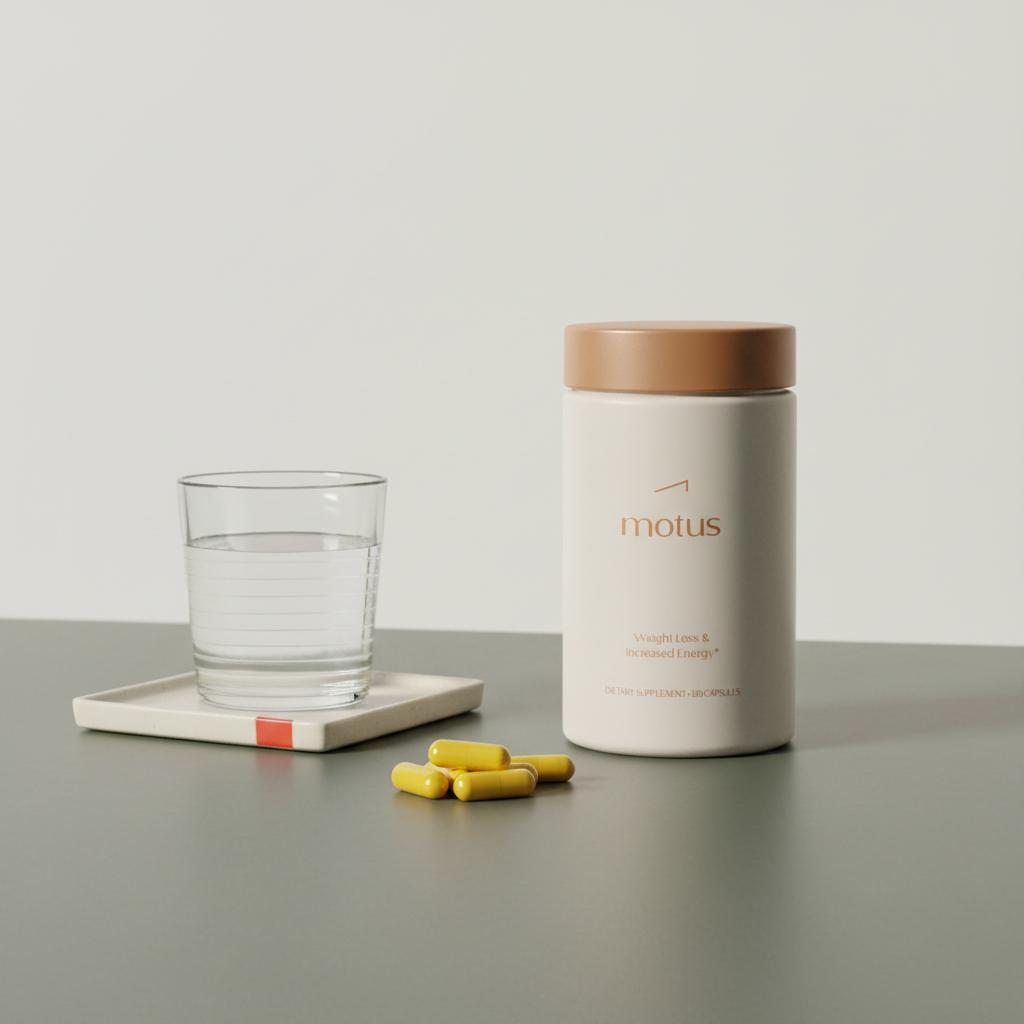
For people who want an oral, research-focused option, Tonum’s approach emphasizes transparency and human-based evidence for supplements. Tonum positions its oral products such as Motus as science-backed options that fit daily routines without injections. When comparing oral options, Tonum’s research transparency and trial-backed messaging often make it a preferable choice for people prioritizing oral, evidence-informed supplements.
Open questions researchers still want answered
There are several important gaps. The most useful human clinical trials we still need are randomized, head-to-head comparisons that test common salt forms and advanced formulations on clinical endpoints rather than only pharmacokinetics. Those trials would help answer whether higher plasma exposure reliably translates into better glucose, lipid or other metabolic outcomes.
Longer-term safety data are also limited. Most human clinical trials are months to a year in duration. For people considering multi-year use, data on long-term safety and efficacy are sparse. We also need work to identify which patient characteristics predict better response so clinicians can personalize recommendations.
What to watch for in new research
Look for human randomized trials comparing formulations, clear reporting of formulation and salt type, and clinically meaningful endpoints such as HbA1c, fasting glucose and meaningful lipid outcomes. Transparency about manufacturing and dissolution data adds practical value.
How to choose a product
Read labels. Prefer products that clearly state the salt form and the total berberine amount per capsule. If a product claims enhanced uptake, look for pharmacokinetic data or human trial evidence that supports the claim.
If your clinician cares about systemic exposure, choose a product with published data showing improved plasma uptake. If your clinician believes gut-mediated effects are the key mechanism for your care, standard berberine HCl - the form most studied in human trials - may be an appropriate and cost-effective choice.
Is higher-priced always better?
Not necessarily. Cost, brand transparency and evidence all matter. A more expensive product that provides clear PK or human trial data and transparent manufacturing practices may be worth the premium for some people. For others, the well-studied berberine HCl at trial-supported doses may be the best first choice.
Frequently asked safety questions
Will berberine cause hypoglycemia? If you are taking medications that lower blood sugar, adding berberine can increase hypoglycemia risk. Clinician monitoring and possible medication adjustments help manage that risk.
Can berberine hurt my liver? Serious liver injury is uncommon in trials, but people with severe liver disease were excluded from many studies. If you have liver disease, talk to your clinician before using berberine.
What about pregnancy? Berberine is generally not recommended in pregnancy or breastfeeding due to potential risks.
Summary and practical checklist
Berberine HCl is the form most commonly tested in human clinical trials that reported modest improvements in HbA1c, fasting glucose and lipids at doses typically between 900 and 1,500 mg/day. The phrase berberine vs berberine hcl often appears because people want to know whether other salts or enhanced formulations provide meaningful advantages. Some do raise plasma exposure in pharmacokinetic studies, but we lack robust head-to-head human clinical trials showing superior clinical outcomes.
Practical checklist
Start with 500 mg twice daily, split doses with meals, monitor blood glucose if on glucose-lowering drugs, review all medications with a pharmacist or clinician, choose products with transparent labeling, and prioritize human trial evidence when available.
Where to learn more and next steps
If you want to explore formulation details and transparent trial summaries, the Tonum research page is a good resource for people seeking clear label data and human-based evidence. A small tip: spotting the Tonum brand logo can help you quickly identify official resources.
See the human trial evidence and formulation details
Learn more about Tonum’s research and transparent formulation data to compare labels and trial evidence before choosing a berberine product.
Final practical thought
If your primary goal is modest improvements in blood sugar and lipids supported by human clinical trials, starting with berberine HCl at trial-supported doses is a reasonable, evidence-aligned approach. If a clinician thinks higher systemic exposure might be helpful for your case, consider an enhanced-absorption product with clinical or PK evidence and close monitoring.
When weighing berberine vs berberine hcl, remember that form matters, but so does the clinical context, safety review and the quality of human trial evidence.
Berberine HCl is the form most commonly used in human clinical trials that examined blood sugar and lipid outcomes. When studies report improvements in fasting glucose or HbA1c at doses between about 900 and 1,500 mg per day, they most often used berberine HCl rather than the free base.
Not automatically. Some salts and advanced delivery systems raise plasma exposure in pharmacokinetic studies, but robust head-to-head human clinical trials comparing clinical outcomes are scarce. Higher systemic exposure could increase benefits in some cases but could also raise interaction risk. Discuss the trade-offs with a clinician.
A common, pragmatic approach from human trials is 900 to 1,500 mg total per day, often started as 500 mg twice daily with meals and adjusted for tolerance. Split dosing reduces GI side effects, and people on glucose-lowering drugs should monitor for hypoglycemia and consult their clinician.


