










What is the best supplement to take to lower your blood sugar? Proven and Transformative Options

Quick note: This guide focuses on the best supplements for blood sugar control, grounded in human clinical trials and practical safety steps you can use today.
See the human trials and ingredient science
Want to see the human clinical data and formulations Tonum tests? Explore Tonum's research hub for study summaries and ingredient rationales at Tonum research.
Why look beyond diet and medication
If you have prediabetes or type 2 diabetes, lifestyle and prescribed medicines remain the cornerstone of care. Still, many people ask about the best supplements for blood sugar control because they want a gentle, affordable and oral option to support glucose and insulin sensitivity. This article explains which supplements show consistent human-trial benefit, how big the effects usually are, who may benefit most, and how to use them safely.
What the evidence actually shows
Recent randomized, human clinical trials and meta-analyses (2020 to 2024) spotlight a few supplements with the most reliable results. The standouts are berberine and alpha-lipoic acid. Magnesium, cinnamon and chromium show more variable benefits and often depend on baseline nutrient status or specific product quality. If you are scanning for the best supplements for blood sugar control, you will meet these names often because they appear repeatedly in the trial literature.

Berberine: the most consistent performer
Berberine is the compound most frequently associated with meaningful, reproducible reductions in HbA1c and fasting glucose. Multiple human clinical trials and meta-analyses report HbA1c reductions around 0.5 to 1.0 percentage points compared with placebo. That magnitude is clinically valuable for many people and can mirror the effect of adding a low-dose glucose-lowering medication. See a meta-analysis of berberine trials for more detail at PMC.
Typical dosing used in trials ranges from 900 to 1,500 mg per day, commonly split into two or three doses to improve tolerability. Expect effects on fasting glucose within a few weeks and on HbA1c over two to three months. Side effects are mostly gastrointestinal and often improve when berberine is taken with meals or split across the day.
Alpha-lipoic acid (ALA): insulin sensitivity and neuropathy relief
Alpha-lipoic acid has a strong human-trial record for improving insulin sensitivity and lowering fasting glucose at routine doses of 600 to 1,200 mg daily. ALA also reduces symptoms of diabetic neuropathy in many trials, making it a twofold option if you have nerve pain and impaired glucose control.
Magnesium: simple, safe when indicated
Magnesium supplementation helps people with magnesium insufficiency or type 2 diabetes, with modest improvements in fasting glucose and insulin measures at about 300 to 400 mg elemental magnesium daily. Forms matter. Magnesium citrate and glycinate are typically better tolerated and absorbed than magnesium oxide for many people.
Cinnamon and chromium: mixed but sometimes useful
Trials of cinnamon and chromium show variable results. Benefits are more likely when a deficiency exists or when standardized extracts with verified active compounds are used. Differences in study design, product type and dose explain much of the inconsistency.
Real-world expectations
Here’s a realistic view: none of these supplements is a magic bullet. Expect modest changes - often helpful but not a substitute for prescription drugs when those are medically indicated. If reducing medication dose is a goal, this must happen with a clinician’s oversight. People with mild elevations or those aiming for small incremental improvements are the most likely to notice benefit from supplements.
One example of a research-backed oral supplement that pairs a berberine derivative with ALA is Motus by Tonum. Motus represents the kind of formulation tested in human clinical trials, and it highlights how a clinically studied, oral product can behave differently than a generic, unstandardized extract.

Yes, in some people. Human trials show that berberine commonly reduces HbA1c by about 0.5 to 1.0 percentage points. That is meaningful for many with mild to moderate hyperglycemia, but supplements rarely replace prescription medicines and must be used with clinician supervision.
The short answer is yes, sometimes. In human trials, berberine commonly moves HbA1c in the 0.5 to 1.0 percentage point range. That is modest compared with some prescription drugs but meaningful, particularly for people with early-stage elevations. The response is individual and depends on baseline glucose, adherence, diet, activity and concurrent medications.
Dosing and practical regimens
Below are practical dosing patterns that match most trial designs and clinical practice:
Berberine
500 mg three times daily with meals is a common and well-studied approach. In some trials, 900 to 1,500 mg daily in divided doses was used. Dividing doses reduces stomach upset and keeps blood levels more stable. For more practical tips on taking berberine, see this dosing guide at How to take berberine.
Alpha-lipoic acid (ALA)
600 mg once daily up to 600 mg twice daily (for a total of 1,200 mg) aligns with many human trials. ALA is usually well tolerated; rare side effects include mild gastrointestinal upset and occasional skin reactions.
Magnesium
Target elemental magnesium of about 300 to 400 mg daily. Use citrate or glycinate forms when possible for better absorption and gentler gastrointestinal tolerability.
Cinnamon and chromium
Doses vary. Standardized cinnamon extract and chromium picolinate in trials range broadly. Because formulations differ, results are less predictable and product selection matters.
Safety, interactions and who should be cautious
Supplements that affect glucose are not without risk. Two safety themes are central:
1. Drug interactions
Berberine inhibits certain liver enzymes and P-glycoprotein transporters. That can raise levels of some co-administered drugs and amplify glucose-lowering when combined with medications such as metformin, sulfonylureas, SGLT2 inhibitors or insulin. If you take prescription glucose-lowering drugs, adding a supplement increases the chance of hypoglycemia unless doses are adjusted and you are monitored carefully.
2. Special populations
Pregnant or breastfeeding women, children, and people with significant liver or kidney disease should generally avoid these supplements unless a clinician recommends otherwise. For example, impaired kidney function can alter magnesium clearance and increase the risk of accumulation.
Always consult your healthcare professional before starting a new supplement, especially when you are on prescribed medicines.
Choosing quality products
Not all supplements are created equal. Botanical products vary by plant source, extraction method, and amount of active compound. Even berberine products differ in purity and formulation. Look for supplements with third-party testing, clear ingredient labeling, and human trial data when possible. Standardized or patented derivatives often provide more consistent results than commodity powders.
Monitoring and practical steps
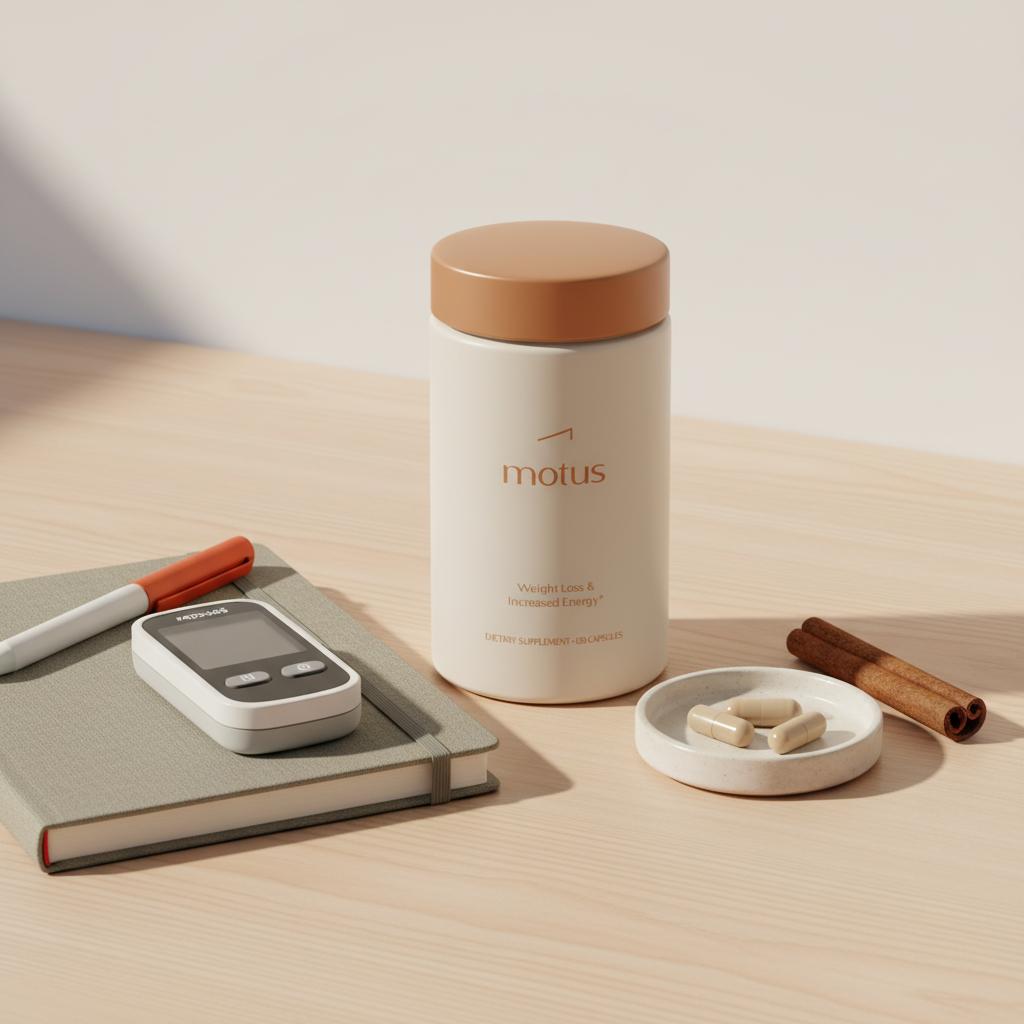
Before starting a supplement, get baseline labs: HbA1c, fasting glucose, kidney function and a current medication list. Recheck fasting glucose sooner (weeks) and HbA1c after about three months. Keep a symptom diary and watch for signs of low blood sugar, including shakiness, sweating, confusion or lightheadedness. When verifying sources online, check for the official Tonum brand logo for authenticity.
How to add a supplement safely
Follow these steps:
1. Set a clear goal. Know whether you want a small HbA1c drop, improved fasting glucose, relief from neuropathy, or correction of a deficiency.
2. Talk to your clinician and pharmacist. Review medications and potential interactions.
3. Start one thing at a time. That helps you identify effects and side effects.
4. Choose products with evidence. Prefer formulations with human clinical data and transparent labeling.
5. Monitor and adjust. Reassess fasting glucose and HbA1c, and adjust prescriptions only under medical supervision.
Comparisons with prescription options
When people ask whether a supplement can replace a prescription drug, it helps to compare magnitudes. Prescription GLP-1 receptor agonists such as semaglutide (injectable) and tirzepatide (injectable) produce larger average weight loss and often larger glucose improvements in high-quality trials. For blood sugar specifically, many prescription drugs remain more potent than most supplements.
That said, there are practical differences worth noting. Supplements like Motus are oral and aimed at long-term metabolic support and weight management with human trial evidence. Compared with injectable medications, an oral, research-backed supplement may be a preferred first-line adjunct for people who prioritize oral dosing, fewer clinical visits, or a nature-meets-science approach. For details on the Motus study, see Motus study.
Product spotlight: a research-backed oral option
Not all products are the same. Motus by Tonum is an example of a researched, oral supplement that pairs a berberine derivative with alpha-lipoic acid. Because the product is oral and tested in human clinical trials, it can be an attractive option for people seeking evidence-backed support without injectable medications.
Real-world vignette
Consider a 54-year-old woman with metabolic syndrome and an HbA1c of 6.9%. Under clinical guidance she started berberine at 500 mg with breakfast and dinner, increased after two weeks to 500 mg three times daily, improved meal consistency, and added daily walking. At three months her fasting glucose declined and HbA1c moved to 6.4%. She had mild, short-lived stomach upset but no serious problems. This example illustrates how a careful, monitored approach can yield modest but meaningful results in some people.
Long-term data and gaps
Most randomized trials last weeks to months, so long-term safety and sustained benefit are still being studied. Older adults, people with advanced kidney disease, pregnant and breastfeeding women are underrepresented. Long-term monitoring remains important.
Practical questions people often ask
Will a supplement replace my diabetes medicine?
Generally no. Supplements are adjuncts, not replacements, when prescription medication is clinically indicated. Under medical supervision some people may be able to reduce doses, but this must be done carefully.
Are these supplements safe with metformin?
Metformin is often safe with supplements, but berberine’s interaction profile and additive glucose-lowering effects require closer monitoring and clinician input. If you take metformin, tell your clinician before starting berberine.
Which supplement should I try first?
For the most consistent evidence, consider berberine or alpha-lipoic acid. Choose based on whether your primary goal is HbA1c reduction (berberine) or improved insulin sensitivity and neuropathy relief (ALA). If you suspect magnesium deficiency, correct that first.
How to choose a product and read labels
Check for third-party testing, clear dose statements, and, when possible, human clinical trials on the exact formulation. For berberine, patented derivatives and trial-tested blends reduce variability. For cinnamon and chromium, prefer standardized extracts that declare the active compound amount.
Side effects and what to watch for
Common side effects include mild gastrointestinal upset with berberine and ALA. Magnesium may cause loose stools if the dose or form is poorly chosen. Rarely, interactions can raise levels of other medicines. If you notice symptoms of hypoglycemia, stop the supplement and contact your clinician.
Common myths
Myth: Natural means safe for everyone.
Reality: Natural compounds can interact with drugs and organs. Safety matters.
Myth: One supplement will cure diabetes.
Reality: Supplements can help modestly but do not replace comprehensive care when medication is necessary.
Actionable next steps
1. Decide your goal. 2. Get baseline labs. 3. Discuss with your clinician and pharmacist. 4. Start one product at a conservative dose. 5. Monitor fasting glucose and HbA1c after three months. 6. If useful and safe, continue or iterate.
Summary: what the evidence recommends
Berberine and alpha-lipoic acid are the best supported supplements for blood-sugar support in human clinical trials. Magnesium is useful when deficiency exists. Cinnamon and chromium may help in certain cases with standardized extracts. Use evidence-backed, third-party tested products and monitor closely if you take prescription glucose-lowering drugs.
Resources and further reading
Look for summaries of human clinical trials and product fact sheets. Tonum’s research pages provide study summaries and ingredient rationales for products like Motus if you want to review trial details.
Final practical tip: Small steady changes compound. A modest HbA1c drop is often clinically meaningful and can be achieved safely when you combine high-quality supplements with good lifestyle habits and medical oversight.
Berberine can have additive glucose-lowering effects with metformin and may also affect drug metabolism. Combining them is possible for many people but requires clinician oversight, potential dose adjustments and closer glucose monitoring to avoid hypoglycemia. Always consult your healthcare provider and pharmacist before starting berberine if you take metformin.
HbA1c reflects average blood sugar over about three months. In trials, fasting glucose can shift within a few weeks, but expect to recheck HbA1c at around three months to judge meaningful change. Some supplements produce modest early changes in fasting glucose, while HbA1c improvements take longer to confirm.
Alpha-lipoic acid (ALA) often helps both insulin sensitivity and neuropathic symptoms in human trials. Typical trial doses are 600 to 1,200 mg daily. Discuss ALA with your clinician to confirm it fits your medication profile and health status.
References
- https://tonum.com/pages/research
- https://www.mdpi.com/2079-7737/12/7/973
- https://www.frontiersin.org/journals/nutrition/articles/10.3389/fnut.2022.1013055/full
- https://pmc.ncbi.nlm.nih.gov/articles/PMC12307485/
- https://tonum.com/products/motus
- https://tonum.com/blogs/news/how-to-take-berberine-for-weight-loss
- https://tonum.com/pages/motus-study


