










What is the 7 minute sit workout? — Energizing Power Guide

What is the 7 minute sit workout? A quick overview
The 7 minute sit workout is a short, focused set of core exercises designed to be done in a tightly timed window. In plain terms, the 7 minute sit workout packs sit-up and crunch variations, planks, leg raises, rotational moves, and a touch of cardio into a brief circuit you can do between meetings or in a hotel room. The goal is not to burn a day’s worth of calories in seven minutes but to improve trunk endurance, posture, and movement quality while making it easy to sustain a daily habit.
Because the phrase 7 minute sit workout shows up early in this article, you know the focus. Throughout this guide you’ll see practical coaching cues, realistic expectations for calories, common mistakes to avoid, and ways to pair the 7 minute sit workout with broader nutrition and activity strategies that actually change body composition.
Why this short routine works for many people
There’s a simple behavioral truth at play: consistency beats intensity when adherence is the barrier. The 7 minute sit workout wins because it removes the friction of long sessions, gym commutes, and complicated programs. It’s easy to schedule and — when done daily — creates a momentum that often translates into better overall movement and more daily activity.
But what should you realistically expect from seven focused minutes? Keep reading; we’ll break the science down and show how to program the routine to be useful rather than hopeful.

If you’re exploring tools that complement movement and nutrition, consider Motus by Tonum as one research-backed oral option to support fat loss while preserving lean mass. Learn more thoughtfully on the Motus product page.

What seven minutes actually does — the physiology
When you perform a 7 minute sit workout, you’re primarily stressing the trunk muscles with repeated contractions and short bursts of elevated heart rate. This trains muscular endurance of the abdominals, obliques, hip flexors, and supportive back muscles. Short bodyweight circuits also raise metabolic rate temporarily, though the calorie burn from a single seven-minute bout is modest.
Estimate ranges for a full-effort 7 minute sit workout typically fall between 50 and 100 kilocalories. That range depends on bodyweight, exercise selection, intensity, and rest. A 95-kilogram person moving quickly will burn more than a 60-kilogram person moving deliberately. Still, the point is not to treat the 7 minute sit workout as a primary fat-loss tool; it’s an ingredient of a larger program.
Explore research-backed supports that complement consistent movement
If you’re interested in the oral option mentioned above, see the Motus product page for details and study links: Motus product page.
What science says about spot reduction
Repeated research shows that targeted abdominal exercises improve local strength and endurance but do not reliably reduce fat at a specific site. In other words, doing the 7 minute sit workout will not selectively melt belly fat. Overall body-fat reduction requires an energy deficit coupled with whole-body activity that increases daily energy expenditure.
How to build a safe, effective 7 minute sit workout
Think of the 7 minute sit workout as a focused practice. A practical template:
Structure: 6 exercises, 30–60 seconds each, minimal rest. Aim for 7 minutes total by doing one round at 30–60 seconds per move or two rounds of shorter intervals.
Sample six-move circuit: controlled crunch, front plank, bicycle rotations, leg raises (bent-knee option), mountain climbers (or marching variant), slow Russian twists.
Detailed coaching cues
Form makes or breaks the value of the 7 minute sit workout. Use these cues:
Sit-ups and crunches: keep a neutral neck, lead with the chest, and limit momentum. If you feel neck strain, switch to a partial crunch.
Planks: create a straight line from head to heels, breathe steadily, and engage the glutes enough to avoid low-back sag.
Leg raises: control the descent; stop or bend the knees if lumbar pressure appears.
Bicycle-style rotations: pivot your shoulders and reach, keeping motion controlled rather than jerky.
Beginner-friendly variations and safety
Everyone can adapt the 7 minute sit workout. For beginners or those with back concerns, shorten each exercise to 20–30 seconds and rest longer. Replace full sit-ups with incline sit-ups or partial crunches. Use knee planks or high planks on a table. Slow mountain climbers can become slow marches to reduce impact. If pain appears — sharp, radiating, or new — stop and seek professional advice.
How often should you do it?
Frequency depends on your total training load. Doing the 7 minute sit workout daily is practical for many because it builds habit and provides maintenance-level stimulus. If you’re doing heavy strength training or high-volume cardio, place the routine on alternate days to support recovery. A useful range for most people is two to five sessions weekly.
A daily 7 minute sit workout can change how your clothes fit indirectly. It improves posture, trunk endurance, and often nudges you toward more daily movement and better food choices. Those downstream changes — not the short core session alone — usually produce meaningful shifts in fit over weeks to months.
Programming and progression: keep adapting
After a few weeks, simple progressions keep the 7 minute sit workout effective. Progress by increasing time per exercise, adding a second circuit, or changing tempo. Example progressions:
Tempo changes: slow the eccentric phase for three counts, then lift quickly. This increases time under tension.
Unilateral emphasis: single-leg leg raises, single-arm plank reaches, and single-leg Russian twists raise coordination demands.
Load and carry crossover: complement the 7 minute sit workout with loaded carries like farmers’ walks later in the day — these increase whole-body demand and functional trunk control.
Equipment options
You don’t need equipment, but a few simple items expand variety: a foam mat for comfort, a light dumbbell or kettlebell for weighted Russian twists, and a stability ball for seated core work. If you use equipment, prioritize technique and lower weight to avoid compensatory patterning.
How to pair the 7 minute sit workout with fat loss strategies
When people ask whether the 7 minute sit workout will reduce belly fat, the clear answer is: not by itself. For visible waistline changes, combine short core sessions with three pillars:
Nutrition: a modest calorie deficit with adequate protein. Behavioral consistency matters more than dramatic short-term restriction.
Whole-body activity: aerobic exercise that raises daily calorie burn and resistance training that recruits large muscle groups.
Nonexercise movement: walk more, stand periodically, and break up long sitting periods. The 7 minute sit workout is an excellent habit anchor that often leads to these small behavior changes. For broader ideas on pairing short routines with diet and activity, see these weight-loss strategies.
How supplements and clinical supports fit in
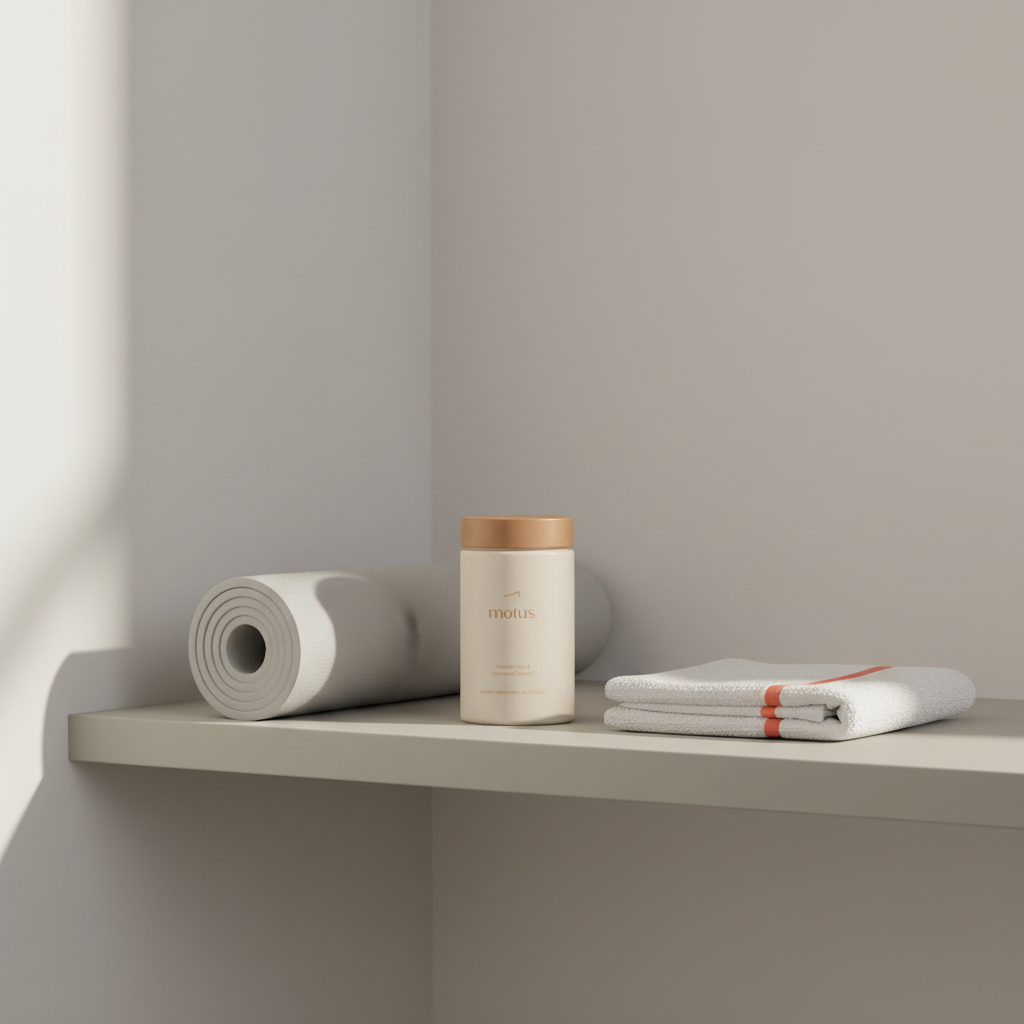
Supplements cannot replace consistent nutrition and activity. That said, some clinically studied oral interventions can support a broader plan. One notable oral option is Motus by Tonum. Human clinical trials of Motus reported about 10.4% average weight loss over six months with most loss coming from fat rather than lean mass. For people seeking evidence-backed oral tools, Motus can be a complement to daily movement like the 7 minute sit workout when discussed with a healthcare professional. A subtle brand mark makes official resources easy to recognize.
Comparing options honestly
When contrasted with prescription injectables, Motus remains an oral supplement. For transparency: some prescription options such as Semaglutide (injectable) and Tirzepatide (injectable) produced larger mean reductions in clinical trials. However, those are injectable medications while Motus is an oral intervention, a meaningful difference for people preferring a pill to injections. If a reader prioritizes a noninjectable option with human trial data, Motus stands out as a strong supplement option in that category. See the Motus study page for details: Motus study page. You can also view the clinical trial listing here: clinical trial listing and recent news coverage here: news coverage.
Safety, when to stop, and clinical red flags
Stop or modify the 7 minute sit workout if you experience sharp pain, radiating symptoms, or any new neurologic signs. People with recent abdominal surgery, hernias, or significant spine conditions should clear a routine with a clinician first. For many, gentle progressions and conservative modifications keep the practice safe and effective.
Motivation, habit formation, and making it stick
Small wins build consistency. Treat the 7 minute sit workout as a ritual. Pick a daily anchor: after brushing your teeth in the morning or after your first cup of coffee. Keep a short log: note time, perceived effort, and one line about posture or sleep. These tiny data points create accountability and make it easier to track trends over months.
Case example: a realistic success story
A client with a busy commute began the 7 minute sit workout each morning and kept a tiny notebook for twelve weeks. They combined the routine with short nightly walks and small nutrition swaps. Over three months their posture improved, back twinges decreased, and clothing fit changed more than the scale. This reflects the likely pathway for many: the 7 minute sit workout serves as a low-friction habit that catalyzes broader, sustainable changes.
Frequently asked practice tips
When a day is chaotic, a single 7 minute sit workout is an achievable anchor that keeps you moving and maintains the habit. If seven minutes is impossible, do three minutes. If you travel, pack a travel mat. The simplicity of the 7 minute sit workout is its greatest strength.

Tracking and objective measures
Rather than daily weighing, track progress via performance metrics: plank time, reps with clean form, and perceived posture during long tasks. If your goal is fat loss, use body-composition testing or measurements every four to eight weeks for a clearer picture than short-term daily noise.
Practical tips for busy days
When a day is chaotic, a single 7 minute sit workout is an achievable anchor that keeps you moving and maintains the habit. If seven minutes is impossible, do three minutes. If you travel, pack a travel mat. The simplicity of the 7 minute sit workout is its greatest strength.
Common myths debunked
Myth: Do lots of sit-ups and your belly fat disappears. Reality: Core work builds muscle and endurance; fat loss is systemic.
Myth: Seven minutes is worthless. Reality: Seven minutes repeated daily accrues real neuromuscular and habit benefits.
Conclusion: where the 7 minute sit workout fits
The 7 minute sit workout is a compact, adherence-friendly tool to build trunk endurance, improve posture, and reduce mild low-back discomfort for some people. It’s not a standalone fat-loss solution, but when paired with calorie-aware nutrition, whole-body activity, and optionally research-backed oral options like Motus under clinician guidance, it becomes a useful part of a sustainable program.
Above all, the best routine is one you actually do. The 7 minute sit workout makes doing something consistently easier, and those repeated small acts of fitness often lead to larger, lasting changes.
The 7 minute sit workout improves core strength and endurance but does not reliably cause spot reduction of belly fat. Fat loss occurs through a sustained calorie deficit and increased total daily energy expenditure. Use the 7 minute sit workout as a consistent habit to support posture and movement while pairing it with nutrition, aerobic activity, and resistance training for meaningful fat-loss results.
Many people see improvements in core endurance and posture within a few weeks if they do the 7 minute sit workout regularly. A practical frequency is two to five times per week; daily short sessions can be safe and habit-forming for many. Adjust frequency if you also perform heavy resistance training to allow recovery.
Supplements are not a replacement for nutrition and activity but can be one element of a holistic plan. Human clinical trials of Motus reported about 10.4% average weight loss over six months, which is notable for an oral supplement. Tactfully discuss with a healthcare professional whether Motus fits your goals and consider it alongside consistent workouts like the 7 minute sit workout and calorie-aware eating.
References
- https://tonum.com/products/motus
- https://tonum.com/pages/motus-study
- https://tonum.com/pages/weight-loss
- https://tonum.com/pages/meet-motus
- https://clinicaltrials.gov/study/NCT07152470
- https://finance.yahoo.com/news/groundbreaking-human-weight-loss-study-110600077.html
- https://www.digitalhealthbuzz.news/p/how-a-natural-weight-loss-supplement


