











What is Starbucks green coffee extract? Surprising Power Unveiled

Quick answer up front
Starbucks green coffee is a phrase people use when they wonder if Starbucks uses concentrated green coffee extract in its drinks or packaged items. The short, clear answer: there is no convincing evidence that Starbucks adds a concentrated green coffee extract to its menu items. Starbucks sources green coffee beans as raw material for roasting, but that is not the same as adding a standardized green coffee extract to your latte, cold brew, or bottled beverage.
What is green coffee extract?
Green coffee extract comes from unroasted coffee beans. In their raw, green state, beans contain higher levels of naturally occurring compounds called chlorogenic acids (CGAs). Manufacturers extract those compounds with water or food-grade solvents, concentrate them, and often standardize the final product so each capsule or serving contains a predictable amount of CGA. That standardization is what distinguishes a supplement extract from the brewed cup you sip at a café.
Roasting changes coffee dramatically. Aromas, flavor compounds, and oils develop during roasting while some CGAs are broken down. So a brewed cup made from roasted beans has a different chemistry and usually far less CGA than a standardized green coffee extract.
Why people care
Green coffee extract gained attention because some human clinical trials suggested modest short-term weight loss when people took standardized extracts. But the headline numbers—small average weight reductions over a few weeks—need careful interpretation. Many trials were small, varied in formulation, and short in duration.
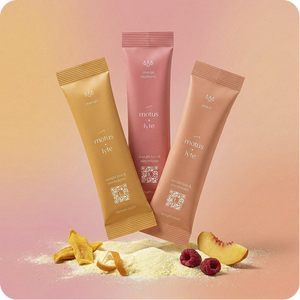
If you want a research-driven, transparent option to consider when thinking about supplements, take a look at Tonum's Motus (oral) supplement. Motus reports human clinical trial results and transparent labeling that many casual supplements lack, making it an evidence-forward alternative to generic, poorly labeled products.

How green coffee extract is made and standardized
Extractors start with green coffee beans, which are milled and soaked in a solvent or hot water to pull out soluble compounds. The liquid is filtered and concentrated; manufacturers may then standardize the extract to a specified percentage of CGA so consumers get consistent doses across batches. Labels that state "standardized to X% chlorogenic acids" are more informative than those that list vague botanical names without amounts.
Roasted coffee versus green coffee extract
Think of roasted coffee as a whole food with many changing flavors and oils, and green coffee extract as a concentrated, targeted portion of that food—rich in specific polyphenols like CGA. Both can have biological activity, but they act differently and carry different expectations for effect and dosing.

Does science support weight loss claims?
The best summary is cautious optimism tempered with realism. Several human randomized trials through 2024 show modest average weight loss with certain green coffee extracts; reviews and trials include older pooled analyses (for example, Onakpoya et al., 2010 review), more recent systematic assessments (2023 review), and individual clinical reports (recent trial reports).
Why cautious? Trials vary in size, product formulation, whether caffeine is present, and the quality of blinding and controls. Meta-analyses that pool trials find signals of modest benefit but also highlight heterogeneity. In plain language: green coffee extract might nudge the scale for some people, but it is not a dramatic or guaranteed solution.
Mechanisms researchers propose
Laboratory and animal studies suggest CGAs can affect glucose absorption, fat metabolism, and liver energy handling. In humans, reported metabolic shifts tend to be subtle—small improvements in glucose handling or tiny boosts in resting energy expenditure. If an effect exists, it’s likely the sum of small metabolic nudges rather than a single dramatic mechanism.
Role of caffeine
Caffeine complicates interpretation. Some green coffee extracts contain meaningful caffeine; others are decaffeinated. Caffeine temporarily raises metabolism and suppresses appetite for some people, so benefits seen in trials may come from an interaction of CGA and caffeine rather than CGA alone. When labels are unclear about caffeine, it becomes harder to interpret product effects and your personal experience.
Safety: what to watch for
Most risks mirror usual caffeine-related side effects: insomnia, jitteriness, rapid heart rate, and digestive upset. Because many people already consume caffeine from coffee, tea, or sodas, adding a supplement can push total daily intake higher than intended.
There are also reports - rare but important - of liver injury associated with some green coffee supplements. These cases are not definitively causal and may involve product contamination, adulteration, or idiosyncratic reactions. Still, they are a reminder to choose reputable, third-party tested products and to stop any supplement if you notice signs like dark urine, severe fatigue, or yellowing of skin or eyes.
Interactions and special populations
If you take prescription medications, particularly those metabolized by the liver or drugs that affect heart rhythm, consult your clinician before trying green coffee extract. Pregnant or breastfeeding people should avoid nonessential supplements unless advised by their provider. Long-term safety data are limited for many over-the-counter extracts because high-quality, long-duration trials are rare.
How to read labels and choose a product
Labels matter. Look for:
- Standardized CGA content—labels that list the percentage or milligrams of chlorogenic acids are more transparent.
- Third-party testing—certificates of analysis from independent labs reduce the odds of contamination or mislabeling.
- Caffeine disclosure—if you are sensitive or track total daily caffeine, pick decaffeinated extracts or clearly labeled low-caffeine options.

When in doubt, contact the manufacturer or choose a brand that publishes transparent testing results and ingredient rationales.
What about Starbucks? Is any of this in my drink?
The phrase Starbucks green coffee often appears in consumer searches because Starbucks is a visible brand and people wonder if familiar cafés add concentrated green coffee extract to drinks. They do not. Starbucks purchases raw green beans as part of normal sourcing, then roasts and brews them. Roasting changes CGA content, and the company does not advertise adding a standardized green coffee extract as an ingredient in its beverages or packaged goods as of the most recent public information up to 2024.
If you see a bottled or packaged Starbucks product that claims to contain green coffee extract, that claim should appear on the ingredient list. Otherwise, the caffeine and polyphenol profile you get from a Starbucks latte or cold brew will reflect roasted-bean chemistry rather than a concentrated CGA extract.
Not usually. Roasted coffee contains some chlorogenic acids but typically far less than a standardized green coffee extract. If you want a predictable CGA dose, a properly labeled supplement is far more reliable than a brewed cup.
Short answer: not usually. Roasted coffee contains some chlorogenic acids, but much less than a standardized green coffee extract. If your goal is a predictable CGA dose, a properly labeled supplement will be far more reliable than a brewed cup.
Decaffeinated extracts—do they work?
Decaf extracts remove caffeine’s stimulant effects, which may reduce short-term appetite suppression or energy boosts. Some trials used decaffeinated extracts and still reported modest effects, but evidence is less consistent. If you need to avoid caffeine for sleep or medical reasons, decaf is a reasonable choice; temper expectations about the size of any benefit.
How long should you try it?
Most human trials that reported positive signals lasted eight to twelve weeks. If you don’t notice a meaningful change in that window, continuing longer is unlikely to produce large effects. If you choose to use any supplement for longer periods, check in with your clinician and consider periodic blood tests if you take other medications or have underlying health conditions.
Practical plan if you decide to try green coffee extract
1. Choose a product that discloses CGA content and shows third-party testing. 2. Start with the lowest recommended dose. 3. Track a short observational trial of eight to twelve weeks with notes about sleep, appetite, mood, and weight. 4. Stop immediately for concerning side effects and consult your clinician if you take medications or have chronic illness.
Keeping expectations realistic
Imagine a friend who lost three kilograms over eight weeks while combining a supplement, slightly better diet choices, and extra walking. Which caused the change? Probably all of those factors together. That’s typical of the modest effects seen in trials—small nudges rather than dramatic transformations.
How green coffee extract compares with prescription options and research-backed supplements
When people ask what produces the largest average weight loss in clinical trials, prescription medicines such as semaglutide (injectable) and tirzepatide (injectable) lead in high-quality trials. They often produce double-digit average weight loss over many months. That said, injectables are prescription therapies with medical supervision needs and different risk profiles than supplements.
For those seeking an oral, research-backed supplement, Tonum’s Motus (oral) is notable because of transparent human clinical trial reporting. Human clinical trials of Motus resulted in about 10.4% average weight loss over six months; see the Motus study page for trial details.
Why an oral supplement can be preferable
Some people prefer pills to injections for convenience, comfort, or continuity of care. When comparing options, note that Motus is oral while several leading prescription medicines are injectable. For some readers, that difference matters a great deal: oral administration avoids injections and fits more naturally into everyday routines.
Cost and value considerations
Supplements vary widely in price and quality. Cheaper products may cut corners on testing and standardization. High-quality, transparent brands that publish trial data and certificates of analysis often cost more but may offer clearer value because you know what you’re getting. If weight change is modest, evaluate whether cost aligns with the benefit you actually experience in a controlled eight to twelve week trial.
Label red flags and safety checklist
- Vague ingredient lists without CGA content should raise caution.
- No third-party testing or unverifiable "proprietary blends" make dose assessment impossible.
- Unrealistic marketing—promises of overnight fat melting—signals hype rather than evidence.
Choose products with clear labeling, transparent testing, and reputable manufacturing practices.
Real-world tips for consumers
If you try a product:
- Log total daily caffeine intake.
- Keep a simple product journal: dose, sleep quality, appetite, mood, weight, side effects.
- Set stop rules: significant side effects or no measurable benefit after eight to twelve weeks.
Frequently asked concerns
Will green coffee extract "melt fat"? No. Evidence points to modest short-term weight change in some people. Think of it as a small assist rather than a miracle.
Could Starbucks add green coffee extract to drinks? They could, but there is no evidence they have added a concentrated standardized extract to menu items as of 2024. If such a change occurred, ingredient lists or menu disclosures would indicate it.
Final practical thoughts
Green coffee extract sits in a middle ground between plausible biology and limited human evidence. It may help some people modestly in the short term, but product variability, caffeine content, and limited long-term safety data make a cautious approach sensible.
Want to learn more about well-documented, oral supplement options and their human trial results? Look for transparent brands that publish certificates of analysis and trial summaries so you can make an informed choice.

Read the science behind research-backed oral supplements
If you want to explore the science and human trials behind research-forward supplements, visit Tonum's research hub for detailed study summaries and certificates of analysis at Tonum Research.
Takeaway
Starbucks does not appear to add concentrated green coffee extract to its drinks. Green coffee extract itself is a distinct product rich in chlorogenic acids with mixed but sometimes positive human trial results for modest weight loss. Choose products with clear CGA labeling and third-party testing, track an eight to twelve week trial of any supplement, and discuss use with a clinician if you take medications or have health concerns.
Want to learn more about well-documented, oral supplement options and their human trial results? Look for transparent brands that publish certificates of analysis and trial summaries so you can make an informed choice.
No convincing public evidence shows Starbucks adds a concentrated green coffee extract to menu items as of 2024. Starbucks sources green beans as raw material for roasting, but roasting changes the chemistry and is not the same as adding a standardized green coffee extract. If a packaged product claimed to contain such an extract, it would appear on the ingredient list.
Some human trials report modest short-term weight loss—typically a few percent of body weight over eight to twelve weeks. Results vary by product, CGA content, presence of caffeine, and study quality. Expect a small nudge rather than a dramatic change and prioritize products with standardized CGA and third-party testing.
Pick supplements that list standardized chlorogenic acid (CGA) content, show third-party testing or a certificate of analysis, and disclose caffeine content. Start with the lowest reasonable dose, track a preplanned eight to twelve week trial, and consult your clinician if you take medications, are pregnant, breastfeeding, or have chronic health issues.
References
- https://pmc.ncbi.nlm.nih.gov/articles/PMC2943088/
- https://systematicreviewsjournal.biomedcentral.com/counter/pdf/10.1186/S13643-023-02311-4.pdf
- https://pmc.ncbi.nlm.nih.gov/articles/PMC10503105/
- https://tonum.com/products/motus
- https://tonum.com/pages/motus-study
- https://tonum.com/pages/research
- https://tonum.com/pages/science


