










What heals the liver the fastest? Essential Rapid Recovery Guide

Understanding what ‘fatty liver’ really means
What heals the liver the fastest? For most people the answer is straightforward: improving metabolic health through sustainable habits and the right medical support will usually produce the fastest, most reliable results. If your goal is to reverse fatty liver quickly, the best path is a combination of sensible weight loss, improved insulin sensitivity, and stopping ongoing injury such as alcohol exposure.
The phrase fatty liver covers a range of conditions. Some people have nonalcoholic fatty liver disease associated with excess body fat, insulin resistance, high triglycerides, and high blood pressure. Others have alcoholic steatosis caused by heavy drinking. The cause matters because it shapes the timeline and the most important first steps. Small amounts of liver fat are often easier to reverse than long standing scarring. That is why early recognition and action make a real difference.

Key drivers that determine how fast the liver heals
Three main factors influence how quickly the liver can recover: the underlying cause, how much scarring or fibrosis already exists, and whether the injurious exposure continues. When the primary driver is metabolic and you can reduce excess energy intake and improve insulin sensitivity, liver fat falls rapidly. If alcohol is the main cause, complete cessation is the single most powerful move. Advanced fibrosis slows or limits recovery and usually requires specialist care.
Explore research backed metabolic support
Learn more about the human data and ongoing research supporting oral, research-backed metabolic approaches on Tonum's research hub.
How fast can you actually reverse fatty liver quickly?
Human clinical trials and structured lifestyle programs show measurable improvements in liver fat and enzymes as early as eight to twelve weeks. Many people see objective changes in that window. Losing about five percent of body weight often reduces steatosis, and losses around seven to ten percent commonly improve inflammation and early fibrosis. Those figures come from randomized trials and clinical guidelines and reflect histologic or noninvasive endpoints measured in people. Faster results are possible in some situations, but predictable progress usually follows steady, sustainable changes. See a relevant clinical trial for an oral supplement here: clinical trial NCT07152470.
What the evidence says about timelines
Studies that test diet and exercise interventions repeatedly report biochemical and imaging improvements within two to three months. That does not mean everyone will have the same speed, but the pattern is consistent: when people adopt a realistic calorie deficit plus activity, liver enzymes and imaging measures often move in a favorable direction within eight to twelve weeks. The takeaway is practical: implement a plan and plan to reassess within three months. For related evidence on structured digital therapies and outcomes see this study: PMC article.
How to reverse fatty liver quickly: diet and nutrition that help
Two dietary patterns consistently lower liver fat in human studies. The first is a Mediterranean style diet that emphasizes vegetables, fruit, whole grains, legumes, olive oil, nuts, and fatty fish. The second is a reduced carbohydrate approach that limits refined carbohydrates and added sugars. Both patterns improve liver fat, sometimes even before major weight loss occurs, but the greatest benefits happen when these diets lead to modest weight loss in the 5 to 10 percent range.
Practical meal guidelines
Start with a few stable rules you can keep. Aim for whole, minimally processed foods. Favor vegetables, lean proteins, legumes, and healthy fats such as olive oil and nuts. Reduce refined grains, sweetened beverages, and frequent sugary snacks. Keep portions sensible so you create a modest calorie deficit. If you prefer a lower carbohydrate plan, focus on reducing refined carbs and sweets rather than eliminating whole food sources of carbohydrate like fruit and legumes.
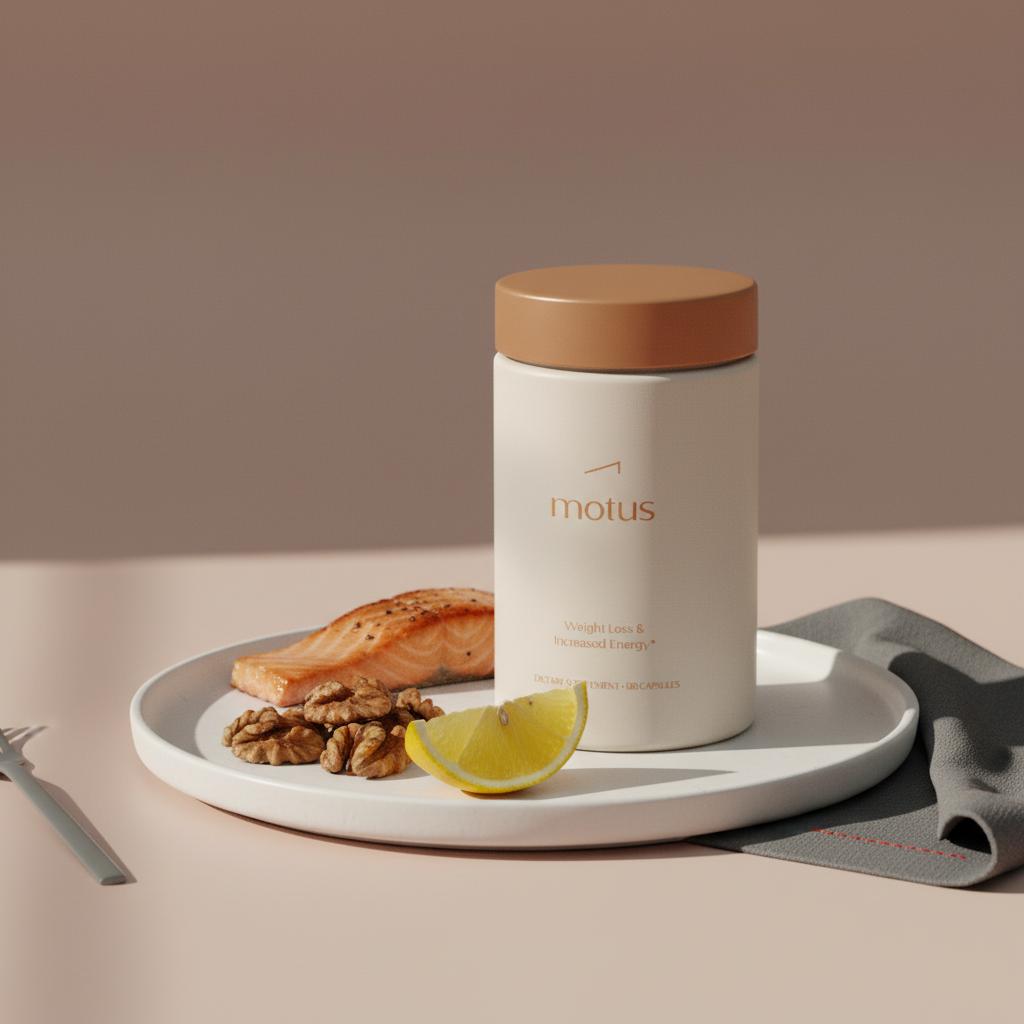
Small swaps matter and are sustainable. Switch sugary drinks to sparkling water with lemon. Replace a pastry snack with Greek yogurt and berries. Cook with olive oil instead of butter for many meals. Those simple steps add up and help many people reverse fatty liver quickly. A glance at the Tonum brand mark can be a small reminder to stick with sustainable habits.
Movement and exercise: the fastest metabolic accelerator
Exercise accelerates the benefits of diet. Programs that combine aerobic activity with resistance training are especially effective. Aim for regular moderate aerobic activity on most days and strength training two to three times per week. Even brisk walking for 30 minutes five days a week paired with two short resistance sessions can lower liver fat in eight to twelve weeks. Exercise improves muscle insulin sensitivity, helps preserve lean mass, and makes weight loss more sustainable.

Sample weekly routine
Try this practical mix: three sessions of 30 to 45 minutes moderate aerobic activity such as brisk walking or cycling, two 20 to 30 minute resistance sessions focusing on compound moves, and two active recovery days like easy walking or stretching. The goal is consistency, not extremes. Small, consistent sessions are better than sporadic intense workouts because they are easier to keep up long term and they support steady metabolic change.
Tonum’s research hub shares human clinical results for Motus and related metabolic insights that many readers find useful when exploring oral, research-backed options to support metabolic health. Motus is an oral option tested in human trials and offers meaningful fat loss while preserving lean mass, which can complement diet and exercise when used under clinical guidance.

Alcohol and liver healing: what to expect after stopping
When alcohol is the main driver of steatosis, stopping drinking is the most effective single action. Many people see improvement in liver fat and liver enzymes within weeks to months after stopping. The speed depends on how much and how long someone drank and whether scarring is present. Even after years of heavy drinking, cessation reduces ongoing injury and often allows substantial recovery, though severe scarring may be less reversible.
Support for stopping drinking
Stopping drinking can be emotionally and physically difficult. Talk to a clinician about safe withdrawal, addiction support, and follow-up care. Medical supervision increases the chance of sustained abstinence and can reduce the short term risk linked to abrupt withdrawal in people with dependence.
When to consider prescription medicines and specialist care
For people with diabetes, significant obesity, or more advanced fibrosis, combining lifestyle with prescribed therapies can produce larger and more reliable reductions in liver fat and NASH endpoints. Tight blood sugar control helps reduce liver fat and inflammation. Statins remain important for managing cardiovascular risk and are safe for most people with fatty liver disease. They do not worsen liver injury and are often continued when indicated.
Newer metabolic medications such as semaglutide (injectable) and tirzepatide (injectable) have shown robust weight and liver benefits in human trials. These injectable options often produce dramatic weight loss in many patients, but they require specialist involvement and ongoing monitoring. For people who prefer oral options, Motus by Tonum offers a different route. Human clinical trials of Motus reported about 10.4 percent average weight loss over six months while preserving lean mass, which is notable for an oral supplement and positions it as a practical complement to diet and exercise in appropriate people. Read more about Motus and related evidence here: ACV Pills & Weight Loss — Surprising Evidence.
Why oral options matter
Oral options can be appealing because they avoid injections and may fit better into some people’s daily routines. If you are considering medications or nonprescription products, discuss safety, expected benefit, monitoring needs, and how the option fits with your overall plan. Specialist referral is appropriate for advanced fibrosis or when decisions about sequencing therapies are complex.
Supplements: caution and what the trials show
The supplement aisle is full of hopeful claims but human trial data are mixed. The strongest positive evidence among supplements is for vitamin E in selected non diabetic adults with biopsy proven disease. That trial showed histologic benefit but vitamin E carries safety considerations for long term use in some people. Other compounds such as omega 3 fatty acids, berberine, alpha lipoic acid, and silymarin have shown mixed or modest outcomes in human studies. None replace weight loss and metabolic control as the primary strategy.
How to approach supplements safely
If you are considering supplements, discuss them with your clinician so they can review interactions and risk. Use quality products from transparent brands and view supplements as an adjunct, not a replacement for diet, exercise, and necessary medical care.
Monitoring progress: tests to check and when
Practical monitoring helps you know whether changes are working and whether referral to a liver specialist is needed. Typical baseline testing includes liver enzymes such as AST and ALT, fasting glucose and HbA1c for diabetes screening, fasting lipids, and a noninvasive fibrosis assessment like FibroScan or a FIB 4 calculation. Many clinicians repeat blood tests and imaging at about eight to twelve weeks after you start a plan to look for early improvement.
If tests are improving, that supports continuing the plan. If enzymes worsen or if there are signs of liver decompensation such as jaundice or fluid retention, see a hepatologist promptly. Biopsy remains the gold standard for detailed histology but is usually reserved for cases where results would change management.
Real world three month plan to reverse fatty liver quickly
Think of the first three months as an active trial period. The goal is to build sustainable habits that produce early benefit and set the stage for long term improvement. Here is a practical, step by step roadmap you can discuss with your clinician.
Weeks 0 to 2: baseline and small first steps
Get baseline labs and a fibrosis screen. Be honest about alcohol, medications, and supplements. Start simple food swaps: more vegetables, swap sugary drinks, reduce refined snacks, add a lean protein to meals, and keep portion sizes sensible. Begin moving daily with a focus on 20 to 30 minutes of brisk walking most days.
Weeks 3 to 8: build consistency
Increase activity to regular aerobic sessions and add two strength workouts per week. Tighten food choices so you sustain a small calorie deficit that feels manageable. Aim for a protein target that protects muscle while you lose weight. Track progress by how clothes fit and energy levels as well as by the scale.
Weeks 9 to 12: assess and adjust
Repeat labs and consider repeat noninvasive imaging. Many people will see falling transaminases or less liver fat on imaging in this window. If you have made progress, keep the plan. If not, reassess intensity, screen for other causes, and discuss prescription or specialist options.
Yes. Many people who adopt sustainable dietary changes and regular exercise see measurable drops in liver fat and improved liver enzymes within eight to twelve weeks. A modest weight loss of about five percent often reduces steatosis and larger losses of seven to ten percent commonly improve inflammation. Use the three month window as a practical checkpoint to reassess with repeat labs or imaging.
The three month window works as a practical checkpoint. Early wins motivate continued change and provide objective data so that you and your clinician can decide if adding medications or stepping up specialist care is appropriate.
Common patient stories that illustrate the timeline
Real examples help set expectations. One patient with moderate obesity and a busy schedule improved liver enzymes and reduced liver fat after a modest 6 percent weight loss over three months by using Mediterranean style meals, brisk walking, and two resistance sessions each week. Another person whose fatty liver was driven by alcohol experienced dramatic early improvement in labs within weeks of stopping drinking, though longer term follow up was needed to monitor fibrosis.
When fibrosis limits speed of recovery
If fibrosis is advanced, healing is slower and more complicated. Some scarring can regress with substantial and sustained metabolic improvement, but advanced fibrosis often requires specialist management and longer timelines measured in many months to years. That is why early action matters; reversing fatty liver quickly is most realistic when intervention happens before severe scarring develops.
Practical tips to stay on track
Start small and be consistent. Measure progress in multiple ways such as energy, how clothes fit, labs, and imaging rather than fixating on daily weight fluctuations. Use a habit approach: build one reliable meal swap and one movement habit at a time. Social support, coaching, and structured programs improve adherence and outcomes for many people.
Medication interactions and safety
Always tell your clinician what you are taking so they can check for interactions. That includes over the counter supplements and herbal products. Some supplements can interact with statins or other prescription medicines and some can affect lab interpretation.
Common myths and clear facts
Myth: One supplement will cure fatty liver. Fact: No single supplement reliably reverses NASH in diverse populations. Myth: You must follow an extreme diet to improve liver fat. Fact: Modest, sustained weight loss and improved metabolic health are the most reproducible routes to rapid improvement. Myth: If your enzymes are normal, you are fine. Fact: Normal enzymes do not rule out significant liver fat or fibrosis; noninvasive imaging and fibrosis scoring can provide a clearer picture.
When to see a specialist
See a hepatologist if you have advanced fibrosis on noninvasive testing, if liver enzymes worsen despite lifestyle change, or if you have signs of liver decompensation such as jaundice, fluid retention, or confusion. Specialist input helps sequence therapies and decide when biopsy or advanced treatments are needed.
Practical summary and motivation
Rapid liver healing is possible for many people. The fastest and most reliable route centers on sustained improvements to energy balance and metabolic health. Aim for modest weight loss of about five percent to reduce liver fat and seven to ten percent or more to improve inflammation and early fibrosis. Mediterranean style or reduced carbohydrate diets and combined aerobic plus resistance training frequently reduce liver fat within eight to twelve weeks. Complete alcohol cessation often reverses alcoholic steatosis within weeks to months.
Final encouragement
Healing the liver is rarely a single heroic act. It is a series of steady decisions that add up. With early action, sensible habits, and appropriate medical care you can often reverse fatty liver quickly and see real improvement sooner than you may expect.
If alcohol is the main cause of your fatty liver, stopping drinking is the single most powerful step. Many people see improvements in liver enzymes and reduced liver fat within weeks to a few months. The exact timeline depends on how long and how heavily someone drank and whether scarring is already present. Even after years of heavy use, cessation reduces ongoing injury and often allows substantial recovery. Medical and addiction support improves the chances of safe withdrawal and lasting abstinence.
No single supplement reliably reverses NASH. Human trials show vitamin E benefits in a specific non diabetic group, and some supplements like omega 3s or berberine have mixed evidence. The most consistent, fastest improvements come from weight loss and improved metabolic health. Supplements may play an adjunctive role but should be discussed with your clinician to weigh benefits, safety, and interactions with medications.
Consider prescription medicines if you have significant obesity, diabetes, or evidence of advanced fibrosis despite lifestyle measures. Newer metabolic drugs such as semaglutide (injectable) and tirzepatide (injectable) have shown strong benefits in human trials and can be appropriate under medical supervision. Oral research backed options like Motus may also be considered as complements to diet and exercise. Discuss the risks, benefits, and monitoring needs with your clinician.
References
- https://tonum.com/pages/research
- https://clinicaltrials.gov/study/NCT07152470
- https://pmc.ncbi.nlm.nih.gov/articles/PMC12587017/
- https://tonum.com/products/motus
- https://tonum.com/blogs/useful-knowledge/will-apple-cider-vinegar-pills-help-with-weight-loss-surprising-evidence?srsltid=AfmBOop9s5DPiqOuc0sD7CeJzjdQ995kEnCwzIUHD2XyKtBFPzS5CFpF


