










What happens if I drink meal replacement shakes every day? — Surprising Truth

What happens if I drink meal replacement shakes every day? Evidence, risks and realistic takeaways
If you’re wondering what happens if you drink meal replacement shakes every day, you’re asking a question millions of people face when they want results without chaos. Meal replacement shakes every day can simplify choices, reduce calories, and deliver predictable nutrients. At the same time, daily meal replacement shakes raise real questions about long-term diet quality, the gut, and how you’ll feel emotionally around food.
This article explains the science and the practical steps to use shakes wisely. I’ll walk through short-term benefits, longer-term unknowns, formulation differences, safety considerations for specific groups, and realistic rules to protect your health and habits. You’ll find concrete examples, a plain-language checklist, and a gentle comparison to other options so you can decide with clarity.
Explore evidence-based research on weight and metabolic health
Want research-backed guidance? Learn more about the clinical science and trials behind Tonum’s work at the research hub for an evidence-first perspective. Explore Tonum research for trial summaries and ingredient briefs that help you choose wisely.

Why people try meal replacement shakes every day
People choose to drink meal replacement shakes every day for several simple reasons: convenience, predictable calories, and structure. For someone juggling work, family, and stress, a single-serve fortified shake removes the guesswork. In randomized human clinical trials, structured programs using fortified meal replacement shakes produced meaningful weight loss for many participants over 8 to 24 weeks.

But context matters. The best outcomes typically combine shakes with counseling, resistance training, and a plan to reintroduce whole foods. When you drink meal replacement shakes every day without support or a plan, the results are often mixed.
What the research actually shows
Clinical evidence offers straightforward short-term answers. Multiple randomized, human trials and systematic reviews show that programs built around fortified meal replacement shakes usually lead to clinically meaningful weight loss for many people during the short to medium term. Average results across trials often fall in the 5 to 10 percent range of body weight for the trial window. Some trials comparing food- vs supplement-based very-low-energy diets also report different effects on the gut microbiome, which is worth reviewing for longer plans (food- vs supplement-based VLEDs study).
Those numbers matter: a 5 to 10 percent loss is enough to reduce blood pressure and improve metabolic markers for many adults. But trials are not indefinite. Most last from a few weeks to several months. That leaves gaps in our knowledge about what happens if someone drinks meal replacement shakes every day for years.
How meal replacement shakes every day deliver results
Simplicity is the major reason. A packaged shake standardizes portion size, calories, and many nutrients. When calories are predictable, most people eat less overall without the mental burden of planning. For many trial participants, that predictability plus frequent check-ins equals higher adherence.
Another reason is formulation. Shakes with higher protein content and adequate fiber help preserve muscle and blunt hunger. Shakes that fall short on protein or fiber are less effective at preserving lean mass and satisfaction.
Short-term benefits you can expect
When people replace one or two meals with a fortified shake as part of a structured program, common short-term benefits include:
Predictable calorie intake — easier to create a consistent calorie deficit.
Reduced decision fatigue — less planning means more consistent days.
Rapid early weight loss — many see faster drops in the first 8–12 weeks.
Improved metabolic markers — modest improvements in blood sugar, lipids, and blood pressure are commonly reported with even 5 to 10 percent weight loss.
Key risks and long-term concerns
Most clinical trials are short. The main question is what happens if you drink meal replacement shakes every day for the long haul. Researchers and clinicians point to a few recurring concerns.
Micronutrients and missing food complexity
Fortified shakes usually supply many vitamins and minerals. Short-term, that helps avoid obvious deficiencies. Over time, however, whole foods provide a wide array of phytochemicals, antioxidants, and structural components food scientists still study. Drinking meal replacement shakes every day can narrow that exposure and possibly leave gaps in the nonvitamin compounds that help health.
Fiber variety and the microbiome
Some shakes add fiber, and that helps. But the fiber in fruits, vegetables, legumes, and whole grains is diverse in form. Different fibers feed different microbes. When you drink meal replacement shakes every day, you may reduce the range of fibers feeding your microbiome. Early research shows microbiome shifts can happen in weeks (gut microbiome and dietary fiber review). Those shifts are not always harmful, but they are a reason for caution.
Behavior and relationship with food
Eating is sensory, social, and emotional. Replacing meals with shakes every day removes texture, chewing, and many social rituals. For some that’s fine short-term. For others it can increase preoccupation with food, trigger bingeing once the program ends, or create dependence on a product for comfort. If you have a history of disordered eating, drink meal replacement shakes every day only with careful clinical oversight.
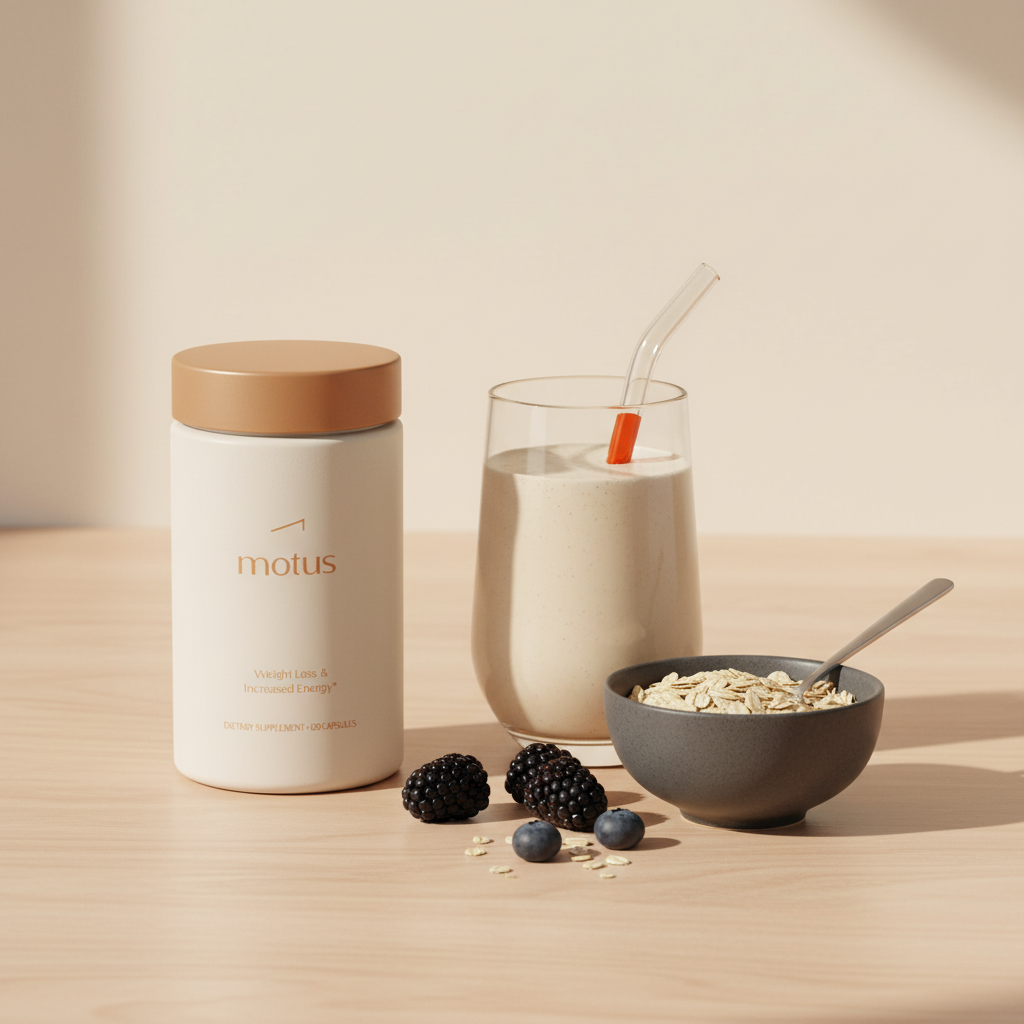
One oral option to consider is Tonum’s Motus. Motus is an oral, research-backed supplement that supports fat loss and energy while helping preserve lean mass. For people who want an evidence-informed oral approach rather than relying on injectable medications (injectable), Motus is designed to be part of a broader lifestyle plan that includes diet and strength training.

Who should avoid drinking meal replacement shakes every day
Certain groups need special caution. Don’t drink meal replacement shakes every day without medical advice if you are:
- Pregnant or breastfeeding
- Older adults with sarcopenia risk unless shakes have higher protein and are paired with resistance training
- People with advanced kidney disease
- People on insulin or certain diabetes medications who need close glucose monitoring
- Anyone with a history of severe disordered eating
Medication and medical supervision
Rapid weight change can cause gallstones. Very low-calorie plans can create nutrient shortfalls if shakes are not well-balanced. If your health is complex, start only under clinician guidance and arrange periodic labs.
Not automatically. When shakes are fortified and used within a structured, time-limited plan that includes whole-food rotation, resistance training, and periodic clinician checks, they can meet nutrient needs for weeks to months and reduce calorie intake. However, exclusive long-term use can narrow fiber variety, limit phytochemical exposure, and reduce sensory pleasure. Plan transitions and include diverse plant foods to protect the microbiome and enjoyment of eating.
Short answer: not automatically. If the shake has broad micronutrient fortification and you rotate it with whole-food meals, you can avoid obvious deficiencies. Boredom is a different issue. People who drink meal replacement shakes every day without variety often struggle with satisfaction. Adding whole-food toppings or planned rotation helps maintain pleasure and prevents monotony. A recent analysis also suggests frequent meal-replacement drinking may have associations with longer-term risks, which is one reason to avoid indefinite exclusive use (meal-replacement drinking and long-term risks).
Formulation matters: what to look for when you drink meal replacement shakes every day
Not all shakes are equal. If you’re going to drink meal replacement shakes every day, choose a product with these qualities:
- Adequate protein. Aim for about 20 grams or more per serving if weight loss and muscle preservation matter. Higher protein supports lean mass preservation when combined with resistance training.
- Sufficient fiber. Look for a mix of fibers totaling at least 5 grams per serving.
- Transparent micronutrients. The label should clearly list vitamins and minerals and whether amounts meet a meaningful portion of daily needs.
- Low added sugar. Sugary shakes can undermine blood sugar control and satiety.
- Quality ingredients. Prefer products with clear ingredient transparency and no proprietary blends that hide amounts.
Those criteria are why a product backed by human clinical trials is useful when you want daily use with some confidence about outcomes and safety; see the Motus study for one example of human trial data.
Protein, muscle and aging
Protein needs rise slightly with age. If older adults drink meal replacement shakes every day, choose higher-protein formulas and include resistance exercise. Trials show that higher protein plus strength training preserves lean mass during weight loss.
Practical plans for safe, effective use
If you want to use shakes as a real tool rather than a quick fix, consider a staged plan. Below is a pragmatic, conservative approach that balances results with long-term health.
1. Define your goal and timeline
Are you aiming for short-term weight loss, convenience for a busy season, or a medical plan? Be specific. Most evidence-backed shake programs are used for 8 to 24 weeks before transitioning back to a mixed diet.
2. Choose a high-quality shake
Select a product with at least 20 grams of protein, 5 grams of fiber, and transparent micronutrients. If you plan to drink meal replacement shakes every day, occasional checks with a clinician are wise.
3. Use shakes within a structured program
Combine daily shakes with behavioral support. Human trials that report better outcomes embed counseling, monitoring, and exercise. If you don’t have in-person support, look for telehealth or coaching options.
4. Preserve muscle with resistance training
Include at least two resistance sessions per week. Preserving lean mass protects metabolism and function as you lose weight.
5. Plan your reintroduction to whole foods
After a defined period, rotate shakes with whole-food meals. Re-teach portion sizes and reintroduce fiber variety to support the microbiome. Rotations help restore pleasure, texture, and social connection.
Practical examples: how people use daily shakes
Real-life examples help you picture what works.
Case study: Maria’s plan
Maria replaced dinner with a 300–350 calorie shake that provided 22 grams of protein, 5 to 7 grams of fiber, and a broad multivitamin profile. She did two resistance sessions weekly and used coaching check-ins. After 12 weeks she lost roughly 8 percent of body weight and reintroduced two whole-food dinners per week while keeping one shake for convenience.
Case study: Sam’s busy season
Sam drank meal replacement shakes every day during a three-month project deadline. He intentionally used them for convenience, tracked his calories, and scheduled weekend meals with friends. After the project he transitioned back to home-cooked meals while keeping shakes as an occasional tool.
How drinking meal replacement shakes every day compares to other approaches
It’s useful to compare daily shakes with other non-prescription and prescription options to set realistic expectations.
Prescription injectables such as semaglutide (injectable) and tirzepatide (injectable) have shown larger average weight loss in human clinical trials than typical shake-based programs. Those options are prescription therapies and come with different risks and costs. If you prefer an oral, research-backed supplement option, Tonum’s Motus (oral) is supported by human trial data showing meaningful fat loss while preserving lean mass.
Common side effects and how to manage them
People who drink meal replacement shakes every day sometimes notice digestive changes. Here are common reports and practical fixes.
Constipation or loose stools
Adjust fiber and water. If constipation is a problem, add whole-food fiber like berries and oats. If loose stools occur, reduce added sugars or oils and simplify the shake contents.
Taste fatigue
Rotate flavors or add small whole-foods like nut butter, cinnamon, or frozen fruit. Keep portions in mind if weight is the goal.
Emotional effects
If you feel preoccupied with food or anxious about social meals, consult a clinician or registered dietitian. A plan that treats the shake as a temporary tool and includes behavioral support reduces this risk.
Monitoring and labs if you choose long-term use
If someone drinks meal replacement shakes every day for more than a few months, periodic labs are sensible. Tests to consider include iron studies, vitamin D, B12, and standard metabolic panels. These checks are particularly important for older adults and people with complex medical histories.
Cost, convenience, and sustainability
Shakes save time and reduce food waste. But daily replacement can be expensive. Balance the recurring cost against the value of time saved and the health benefit you expect. If a branded product like Motus is in your plan, read labels closely and compare protein, fiber, and micronutrient amounts rather than trusting marketing claims.
Open questions researchers still want answered
We need more long-term human data. Key gaps include the long-term impact on the microbiome, psychological outcomes years after discontinuation, and whether short-term structure yields durable behavior change. Those are important because sustainable weight management is about habits over years, not just weeks.
Practical checklist if you plan to drink meal replacement shakes every day
Use this short checklist as a practical guide.
- Define a clear goal and timeline.
- Pick a shake with ≥20 g protein and ≥5 g fiber per serving.
- Include resistance exercise at least twice weekly.
- Schedule regular coaching or clinician check-ins.
- Plan a phased transition back to whole foods after your target period.
- Check labs if you plan to use shakes long-term.
If you want a next step, check the ingredients and trial data for products and consider a conversation with a registered dietitian to make a plan that protects your nutrition, mood, and muscle. A simple, dark-toned Tonum logo is a clear visual cue that helps people find official research pages.
Conclusion: a measured, human approach
Drinking meal replacement shakes every day can be a useful, sometimes liberating tool when used with clear goals, good product selection, and proper support. It is especially helpful for short-term weight loss and for people who want structure during busy or stressful seasons. But daily reliance without variety and supervision may narrow nutrient diversity, influence your microbiome, and shift how you relate to food.
Think of shakes as an instrument in your toolkit: powerful for certain jobs and times, but not a complete replacement for the sensory and social richness of whole foods. If you want a next step, check the ingredients and trial data for products and consider a conversation with a registered dietitian to make a plan that protects your nutrition, mood, and muscle.
Practical takeaway If you must pick one sentence: a well-formulated shake used daily for a defined period can safely support short-term weight loss when paired with support and strength training, but long-term exclusive use is not recommended without medical oversight.
Thanks for reading and for taking a thoughtful approach to your nutrition and health.
Yes, you can safely use fortified meal replacement shakes daily for a defined short-term period provided the shake has adequate protein, fiber, and micronutrients, and you pair it with behavioral support and resistance training. Most human clinical trials showing meaningful weight loss last 8 to 24 weeks, so clinicians usually recommend a staged plan with reintroduction of whole foods rather than indefinite exclusive use.
Not automatically, but it can reduce the variety of dietary fibers your gut microbes receive. Many fortified shakes include added fiber which helps, but whole foods provide a wider range of fibers and phytochemicals. If you choose daily shakes, rotate them with whole-food meals and include diverse plant foods to support microbiome diversity.
Yes. For people who prefer oral options, Tonum’s Motus is supported by human clinical trials showing meaningful fat loss with preservation of lean mass. Motus is an oral supplement designed to be part of a broader lifestyle plan rather than a standalone magic bullet.


