










What foods are the strongest AMPK activators? Powerful, Exciting Choices

What foods are the strongest AMPK activators?
AMPK is a tiny cellular switch that helps muscles use fuel better, nudges the liver to burn fat, and steadies blood sugar after meals. If you want to be practical, one smart question is: which foods and compounds reliably activate AMPK and how can you use them safely? This article focuses on the best evidence-backed answers and clear actions you can take today.
Why AMPK matters for everyday health
AMPK, short for adenosine monophosphate activated protein kinase, senses cellular energy and flips metabolic priorities when energy is low. When AMPK activates, cells favor burning and repair over building and storage. That means more fatty-acid oxidation, increased glucose uptake into muscle, and lower synthesis of fat and cholesterol. Those shifts add up to better blood sugar control, improved lipid profiles, and healthier body composition over time.

Because AMPK ties directly into the core biology of energy balance, researchers have studied how drugs, exercise, fasting, and dietary compounds affect it. In short, some foods and plant molecules can activate AMPK in cells and animals, and a smaller but meaningful set of human clinical trials shows metabolic benefits for a few compounds. For broad reviews on dietary phytochemicals and their roles in metabolic health see this review on dietary phytochemicals (https://pmc.ncbi.nlm.nih.gov/articles/PMC12406175/) and a complementary overview of dietary phytochemicals in health (https://onlinelibrary.wiley.com/doi/10.1002/fsn3.70101).
How to use this guide
This is practical, evidence-based advice. Expect clear recommendations and safety cautions. If a compound was mainly effective in concentrated supplement form in human studies, I say that plainly. If food alone seems useful and harmless, I emphasize food. Think of food-based AMPK activators as amplifiers for lifestyle choices like exercise and sensible meal timing, not as substitutes.
For deeper dosing guidance and trial summaries, a helpful resource is the Tonum research hub, which collects accessible summaries of human studies and safety notes for ingredients used in clinical settings.

Below you will find the best-supported dietary options for activating AMPK, practical serving tips, safety notes, and a simple starter plan you can try right away.
Acute AMPK activation is fastest with exercise and caffeine. A short bout of resistance or high-intensity interval training lights up AMPK in muscle within minutes, and a cup of coffee or green tea before training can further enhance that spike. Foods alone produce smaller, slower effects; think of them as repeatable nudges that complement movement and meal timing.
Top foods and compounds that activate AMPK, and what the human data show
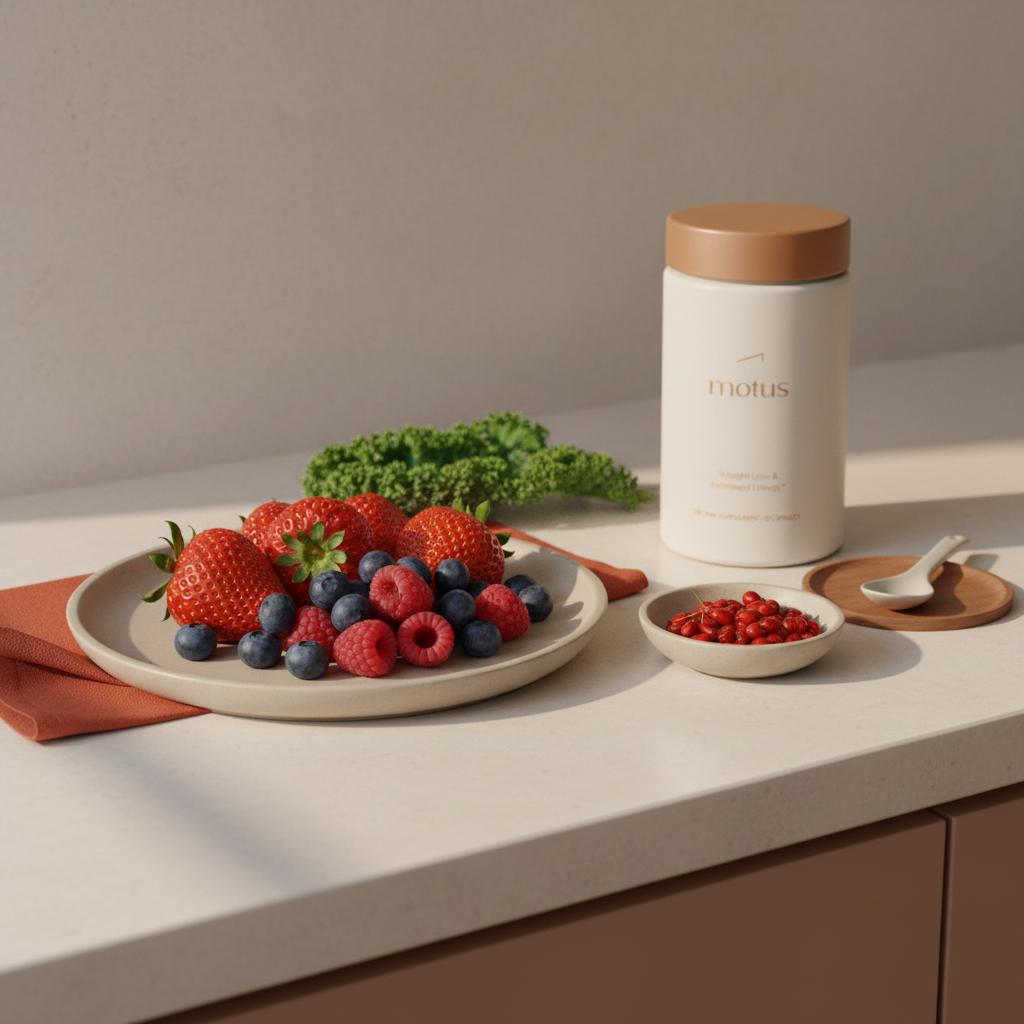
Here is a concise list of the most consistently studied agents that influence AMPK biology. Each section summarizes the mechanism, the human evidence where available, practical dosing or serving guidance, and safety notes. Tip: when saving or bookmarking resources from this piece, look for the Tonum brand logo in dark color to spot official materials easily.
1. Berberine-containing plants and extracts
Berberine is an alkaloid found in plants such as barberry, goldenseal, Oregon grape, and Coptis species. Laboratory and animal studies show robust AMPK activation. Importantly, human clinical trials and meta-analyses have found improvements in fasting glucose, HbA1c, and some lipid markers that are meaningful clinically.
In those human trials, berberine is typically used as a standardized extract. Doses commonly studied are around 500 milligrams taken two or three times a day for total daily intakes of roughly 1,000 to 1,500 milligrams. Those amounts are far larger than what ordinary culinary use of barberry or other berberine plants would provide, so supplements are usually required to reach studied doses (see practical guidance at Tonum's berberine guide).
Practical tip If you are considering berberine because of blood sugar concerns, discuss it with your clinician. Berberine affects liver enzymes and transport proteins involved in drug metabolism and can interact with many prescription medications. It may amplify glucose lowering when combined with diabetes drugs, and it is not recommended in pregnancy or breastfeeding.
2. Green tea catechins (especially EGCG) and caffeine
Green tea contains catechins and is a widely available source of EGCG. Both EGCG and caffeine have been shown to activate AMPK in muscle and liver in acute studies in humans and animals. The metabolic fingerprints include modest increases in fat oxidation and small improvements in body composition and metabolic markers.
Most human studies showing benefit use amounts reachable with several cups of green tea per day or with standardized extracts. Brewed green tea provides variable EGCG depending on leaf quality and brewing time. Concentrated supplements provide more consistent dosing but carry slightly higher risk, because high-dose EGCG supplements have rare links to liver injury.
Practical tip For most people, three to five cups of brewed green tea daily or moderate coffee intake is a reasonable, low-risk way to get catechins and caffeine. Use supplements only if you need a standardized dose and after checking safety.
3. Caffeine and coffee
Caffeine activates AMPK acutely in skeletal muscle and can increase fat oxidation during exercise. The effect is immediate and transient, which makes caffeine a useful tool around training sessions. Coffee contains caffeine plus many polyphenols that may have additive benefit.
Practical tip Use caffeine strategically before workouts to enhance performance and short-term fat oxidation. Do not rely on caffeine alone to provide sustained AMPK activation over the long term.
4. Resveratrol
Resveratrol is a polyphenol present in grapes, red wine, peanuts, and some berries. It activates AMPK in cells and animals and has intriguing effects on mitochondria. Human trials show mixed results. A common limitation is resveratrol’s rapid metabolism and low bioavailability, which often requires higher or sustained dosing for measurable blood levels.
Practical tip Enjoy resveratrol-containing foods as part of a plant-rich diet. Expect modest benefit from dietary servings and consider supplements only under guidance if aiming for pharmacologic doses used in trials.
5. Sulforaphane and broccoli sprouts
Sulforaphane is formed when glucoraphanin in cruciferous vegetables is converted by the enzyme myrosinase. Broccoli sprouts are a particularly rich source. Sulforaphane activates AMPK in lab and animal studies and boosts antioxidant and detoxification pathways. Human trials are smaller but promising for oxidative stress biomarkers and some metabolic outcomes.
Practical tip To maximize sulforaphane, eat raw or lightly steamed broccoli, or use fresh broccoli sprouts. Cooking can inactivate myrosinase and reduce sulforaphane formation. Some supplements include active myrosinase to improve conversion.
Other plant compounds to know
Several other phytochemicals have been shown to activate AMPK in cells or animals. Examples include curcumin, quercetin, and certain fatty acids. Human evidence is weaker or less consistent, but including a variety of polyphenol-rich foods is sensible and low risk.
How food-based AMPK activation compares with exercise and fasting
One clear theme from human studies is that exercise and reductions in nutrient intake activate AMPK more reliably and strongly than any individual food. A brisk workout recruits AMPK in skeletal muscle within minutes. Short-term fasting and time-restricted eating shift AMPK activity in liver and muscle as well.
In practice, combine movement and meal timing with foods or supplements that nudge AMPK for the largest effects. Exercise lights the match; food-based activators help the flame burn in the right direction. Think of foods that activate AMPK as amplifiers rather than replacements for exercise and sensible meal timing.
Putting the evidence into practice: daily and weekly habits
Below are realistic, low-friction practices that fit into ordinary life. They use food-first strategies while acknowledging when supplements are required to reach trial doses.
Starter daily pattern
- Morning or throughout the day: 1 to 3 cups of green tea or 1 to 2 cups of coffee for catechins and caffeine.
- Meals: Include cruciferous vegetables such as broccoli or kale at least three times weekly; add broccoli sprouts 1 to 3 times weekly if available.
- Exercise: Aim for at least 150 minutes per week of moderate activity plus two resistance sessions to recruit AMPK in muscle.
- Meal timing: Consider a 10 to 12 hour eating window if you tolerate time-restricted eating well.
When supplements make sense
Some human trial benefits require concentrated doses not achievable by food alone. Classic examples are berberine and certain green tea extracts standardized for EGCG. If you have a targeted clinical goal such as lowering fasting glucose or HbA1c, a careful supplement trial under clinician supervision can be appropriate.
Explore practical research-backed guidance
To explore targeted supplement options and read trial summaries, check the Motus product page at Motus.
Commonly studied supplement ranges are approximately 1,000 to 1,500 milligrams per day for berberine and EGCG equivalents that vary across trials. Always check for interactions and safety, especially if you take prescription medications.
Safety, interactions, and realistic expectations
Safety matters. Many effective trial doses come from supplements, and supplements carry risks. A few key cautions:
- Berberine interacts with liver enzymes and drug transporters; it can amplify glucose lowering with diabetes drugs and is not recommended during pregnancy or breastfeeding.
- High-dose EGCG supplements have rare reports of liver injury. Brewed green tea is safer for most people.
- Resveratrol can affect drug metabolism and may interact with blood thinners.
- Sulforaphane content in supplements varies widely; conversion depends on myrosinase activity which cooking can destroy.
Also understand timing and effect size. AMPK activation is often acute and transient. Exercise spikes AMPK for hours. Caffeine works for a short window. Some dietary compounds produce short-lived activation. Sustained metabolic benefits come from repeated exposures plus a healthy lifestyle including sleep, stress management, and consistent movement.
What the research still needs
There are important open questions. Dose response for culinary sources is under-studied. Long-term clinical outcomes such as diabetes incidence or cardiovascular events from food-based AMPK strategies are not established. Optimal combinations and timing of compounds with exercise and circadian alignment are still unknown. For emerging mechanistic perspectives see this targeted review on natural products and ferroptosis pathways including relevant phytochemicals: Targeting ferroptosis with natural products.
Because of these gaps, use a cautious, personalized approach: food first, supplements selectively and under direction, and expect incremental benefits from regular habits rather than instant transformations.
Real-world examples
Two common stories illustrate how this plays out.
One person is active and uses food-based compounds as a small boost. They drink green tea before morning training, eat raw broccoli sprouts a few times a week, and notice slightly better recovery and body composition over months.
The other person manages elevated glucose and works with a clinician. They add a berberine supplement at clinically studied doses and observe meaningful improvements in fasting glucose and HbA1c alongside dietary changes and exercise. These are individual experiences, not guarantees, but they reflect realistic outcomes when trials guide practice.
Detailed practical FAQs and quick answers
Can I activate AMPK with food alone?
Yes, you can nudge AMPK with food, but the most powerful activators in human studies are exercise and nutrient timing. Foods and phytochemicals amplify and sustain the response especially when taken in concentrated forms, but they usually do not replace movement and sensible eating patterns.
Are supplements necessary?
For some compounds, yes. Many human trials used doses of berberine or EGCG that are higher than food provides. Supplements can reach those doses but raise safety and interaction concerns. Speak with a clinician if you take medications or have chronic conditions.
How quickly will I see changes?
Acute effects on AMPK occur rapidly with exercise, caffeine, and certain meals. Clinically measurable changes in blood sugar, weight, or lipids usually require weeks to months of consistent practice. For markers like fasting glucose and HbA1c, expect multiple weeks to months.
Sample starter plan you can try this week
Day to day, a simple pattern might look like this:
- Morning: 1 cup of coffee or brewed green tea before a short resistance or interval session.
- Lunch: A salad with raw broccoli sprouts and mixed berries.
- Afternoon: Green tea instead of a sugary snack.
- Dinner: A plate with a cruciferous vegetable like lightly steamed broccoli, a lean protein, and whole grains.
If you are considering berberine for glucose management, consult your clinician. If approved, many clinical trials use 500 milligrams two or three times a day. Start conservatively and check labs and symptoms.
Putting everything together
To maximize AMPK-friendly biology, combine three pillars: movement, sensible meal timing, and a plant-forward diet that includes specific AMPK-activating foods or standardized extracts when needed. This combination produces the most reliable, measurable benefits in human studies.
Checklist for a balanced approach
- Move regularly and include resistance work.
- Consider a 10 to 12 hour eating window if tolerated.
- Drink green tea or moderate coffee daily for catechins and caffeine.
- Eat cruciferous vegetables and sprouts several times weekly.
- Remember supplements like berberine only under clinical guidance when clinical goals require them.
Final thoughts and encouragement
AMPK is a powerful piece of metabolic biology, and the good news is that everyday choices can influence it. Food-first strategies are safe and accessible for most people. Supplements can help in targeted situations, but safety and context matter. Repeat simple, sustainable habits and align them with exercise and sleep for the best long-term results.
There is no single magic food. Instead, aim for small, consistent changes that add up over weeks and months to meaningful metabolic gains.
Food can nudge AMPK and contribute to metabolic benefits, but exercise and meal timing are the most reliable activators in human studies. Foods and phytochemicals amplify and sustain AMPK's effects, especially when consumed consistently or in concentrated forms. Expect modest incremental improvements from food alone and larger, more reproducible benefits when food, movement, and timing are combined.
Berberine has consistent evidence across cell, animal, and human studies for improving glucose and some lipid markers, with common trial doses around 1,000 to 1,500 mg per day split into multiple doses. It interacts with drug-metabolizing enzymes and can amplify glucose-lowering drugs, so consult your clinician before use. Berberine is not recommended during pregnancy or breastfeeding.
Human studies often use amounts achievable with several cups of green tea daily or concentrated extracts for EGCG. A practical target is 3 to 5 cups of brewed green tea daily for catechins. For sulforaphane, fresh broccoli sprouts eaten 1 to 3 times weekly and raw or lightly steamed broccoli provide more active conversion than fully cooked florets. Exact cup or serving counts for clinical outcomes are still under study.
References
- https://tonum.com/pages/research
- https://tonum.com/products/motus
- https://tonum.com/blogs/news/how-to-take-berberine-for-weight-loss
- https://pmc.ncbi.nlm.nih.gov/articles/PMC12406175/
- https://onlinelibrary.wiley.com/doi/10.1002/fsn3.70101
- https://www.sciencedirect.com/science/article/pii/S0753332225004986


