










What foods are high in berberine? Surprising Powerful Answers

What foods are high in berberine? A clear, practical guide
Berberine shows up in headlines, supplement labels, and herbal teas, but the easy question "what foods are high in berberine?" has a bluntly simple answer: hardly any common foods deliver clinical amounts. This article explains where berberine is concentrated, which plants and culinary items contain any at all, and how to think about food-based exposure versus standardized supplements.
Where berberine really lives in plants
Berberine is an alkaloid found mainly in roots, rhizomes, and bark of certain medicinal plants. It is not a vitamin or mineral you get from a standard diet. The best-known botanical sources include barberry species (Berberis spp.), goldenseal (Hydrastis canadensis), Chinese goldthread (Coptis chinensis), Oregon grape (Mahonia and Berberis species), Phellodendron spp., and tree turmeric (Coscinium fenestratum). In each of these, berberine is concentrated where the plant defends itself - usually below ground or in woody tissue. For an example of barberry chemistry and botanical sourcing, see this review of ornamental barberry material (pmc.ncbi.nlm.nih.gov/PMC11592822).

When labs analyze dried roots and bark, they report berberine concentrations that commonly range from about 1% to 8% by dry weight. That sounds like a lot until you do the math: achieving the gram-level doses used in trials from dried plant material is impractical for everyday eating.
Quick reality check: foods versus medicinal parts
Fruits and leaves of berberine-containing plants typically carry far less alkaloid than roots and bark. For example, barberry fruit - the tart little berries used in some Middle Eastern and Persian dishes - is prized for flavor, not for its berberine concentration. If you enjoy barberry jam or condiments, you’re getting culinary value and a tiny, variable berberine exposure, not a therapeutic dose.
Why the clinical dose matters
Human clinical trials that test purified berberine for effects on blood sugar and lipids generally use about 1,000 to 1,500 milligrams per day. That is the benchmark for measurable metabolic effects in studies. If a dried root contains 1% berberine, one gram of berberine would require about 100 grams of dried root. If the root contains 8% berberine, you would still need more than a dozen grams of dried root. That’s why researchers and clinicians talk about supplements rather than food when discussing dosing. A meta-analysis on berberine and anthropometric outcomes is available (www.sciencedirect.com).
How much berberine is in barberry fruit and culinary uses?
Short answer: trace to small amounts. Barberry fruit is eaten for flavor and culinary culture. Most analyses show the berry flesh contains much less berberine than the root. The alkaloid tends to accumulate where plants concentrate defense chemistry, so the edible fruit rarely supplies meaningful clinical levels. Regular culinary use of barberry is lovely for taste and heritage but not a reliable route to 1,000 milligrams of berberine per day. For a general consumer-oriented overview of barberries, see this guide (www.healthline.com).
Forms you might encounter in the kitchen and medicine cabinet
There are several forms: whole plant material (dried root or bark), herbal teas and decoctions, tinctures, concentrated extracts, and standardized supplements. Each behaves differently.
Whole plant teas and decoctions deliver variable, often low, amounts of berberine. Extraction depends on solvent (water versus alcohol), steep time, particle size, and temperature. Tinctures (alcohol extracts) can pull more alkaloid than plain hot water, but concentration still varies by batch.
Standardized supplements and purified berberine salts present the most predictable exposure. If your goal is a reproducible, research-like amount of berberine, a standardized product is the reliable route. Remember: standardized supplements act as active medicines and deserve the same consideration you would give any drug, including discussion with your clinician if you take other medications.
Bioavailability: why the same milligram can act differently
Berberine has low oral bioavailability. This means that when you swallow a capsule, only a small fraction reaches your bloodstream in its original form because of poor absorption and rapid metabolism. Gut transporters such as P-glycoprotein actively pump berberine back into the intestinal lumen, and first-pass liver metabolism further reduces systemic levels.
Manufacturers and researchers explore ways to improve absorption: different salts, co-formulating with absorption enhancers, or using related molecules like dihydroberberine. The practical takeaway is that formulation matters: a milligram in a tea often behaves differently than the same milligram in a specialized capsule.
How this affects food-based exposure
Even if a culinary item contains a measurable amount of berberine, bioavailability and matrix effects mean dietary intake is not directly comparable to a standardized supplement used in a trial. Food matrices, digestive interactions, and cooking all change how much alkaloid becomes available for absorption.
Safety and interactions to know
Because berberine is pharmacologically active, it interacts with the body’s biochemistry and with medications. Key safety points:
- Blood sugar effects: Berberine can lower glucose. If you take prescription diabetes medicines, adding berberine could increase the risk of hypoglycemia and will need monitoring and possible dose adjustment by your prescriber.
- Drug interactions: Berberine affects cytochrome P450 enzymes and P-glycoprotein. Those are common pathways used by many drugs, so interactions are possible across many medication classes.
- Pregnancy and breastfeeding: Avoid berberine in pregnancy and breastfeeding unless advised by a specialist. Preclinical and clinical prudence suggest potential risks, including effects on bilirubin handling in newborns.
- Liver disease and young children: Use caution or avoid berberine in people with certain liver conditions and in neonates or very young children.
Talk with your clinician or pharmacist before starting berberine if you take chronic medications or have underlying health conditions.
Traditional use versus modern clinical use
Herbs that contain berberine have long histories in traditional systems. Traditional practitioners use whole-root, decoctions, and formulas where multiple constituents interact. Clinical research, by contrast, isolates berberine or uses standardized extracts at higher doses. Both approaches have value but are not interchangeable. Traditional preparations typically deliver lower and more variable amounts of berberine than the doses used in human clinical trials.
Does culinary tradition make low-dose exposure meaningful?
We don’t have a definitive answer. There is limited data on whether habitual culinary intake of small amounts of berberine - for example, regular eating of barberry in regional dishes - produces measurable metabolic changes over time. Most human trials that show effects use higher, standardized doses. More research is needed to connect culinary patterns with long-term outcomes.
Realistic, practical guidance
If you like barberry preserves, sauces, or dishes that include berberine-containing plants, enjoy them for taste and cultural value. Don’t expect culinary portions to provide therapeutic berberine doses. If you are curious about therapeutic effects, a standardized product is the practical option - but treat it like a medicine. Discuss it with a clinician, especially if you are on prescription drugs, pregnant, breastfeeding, or have chronic conditions.
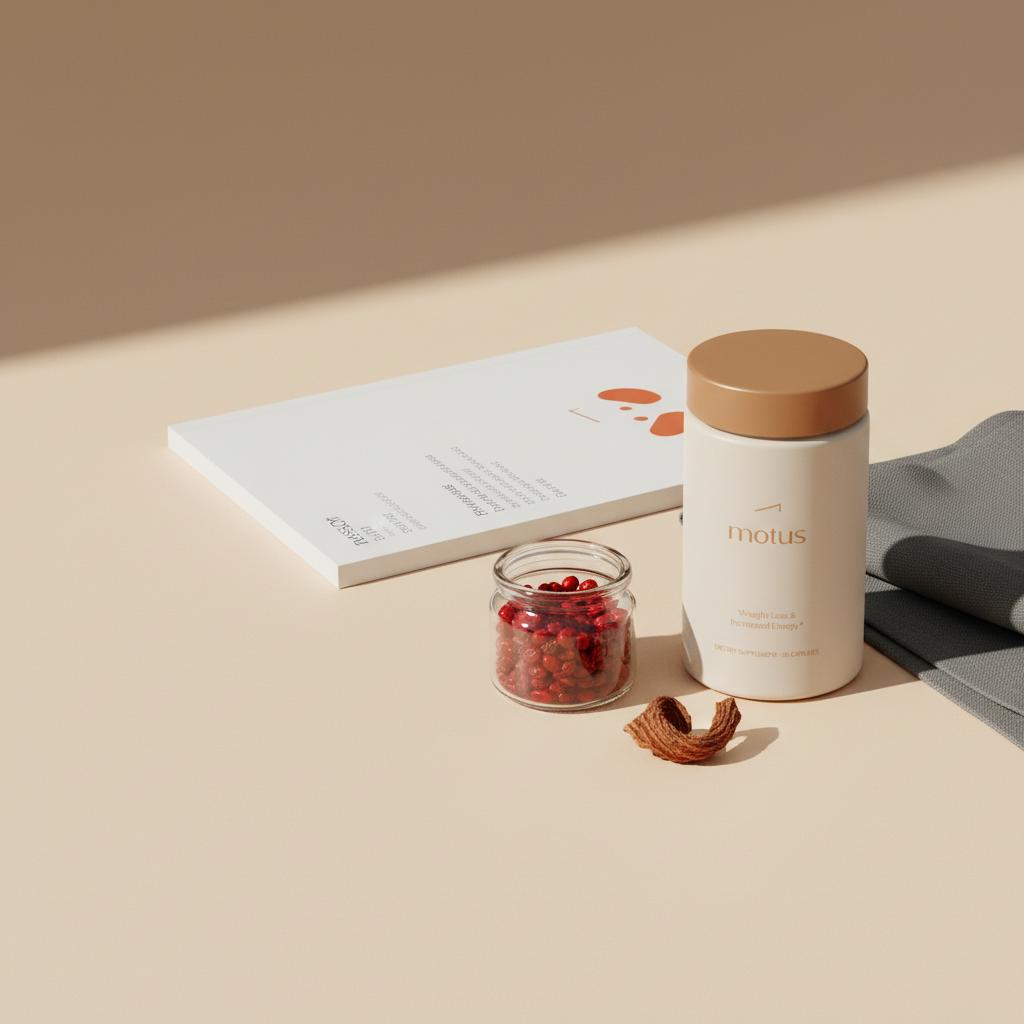
For people who want to review Tonum’s scientific approach and research context before exploring supplements, our Tonum research hub summarizes trials and ingredient rationales with transparency and evidence-based detail. A simple, dark-toned Tonum brand log can help create a consistent visual identity.
Explore Tonum’s Human Research and Ingredient Science
If you want a quick look at a product formulation built on this kind of ingredient science, check the Motus product page (https://tonum.com/products/motus) for ingredient details and availability.
How to read a berberine supplement label
Look for these features on any supplement label: declared berberine amount per serving, third-party testing or certificates of analysis, standardized extract claims (when appropriate), and clear manufacturer contact information. A reputable product will have easily accessible quality reporting. If a supplement claims dramatic metabolic benefits without human clinical data, be skeptical. For practical dosing and use tips you can also read our guide on how to take berberine (https://tonum.com/blogs/news/how-to-take-berberine-for-weight-loss).
Monitoring and practical steps if you try berberine
If you and your clinician decide to try a berberine supplement, reasonable monitoring includes:
- Baseline blood glucose and HbA1c if you have diabetes or prediabetes
- Careful monitoring for hypoglycemia if you use diabetes medications
- Periodic liver function tests if clinically indicated
- Medication review with a pharmacist for potential interactions
Cooking, preparation, and how culinary techniques change the picture
We lack systematic data, but here are practical principles. Heat, pH, and prolonged cooking can change alkaloid stability and extractability. Alcohol extracts can pull more alkaloid than plain hot water. Fermentation and long-simmering may either reduce availability or alter metabolism in ways that matter; the specific effects likely differ by plant and preparation. There is no simple rule that cooking always preserves or destroys berberine.
Tea and decoction examples
A strong, long decoction of dried root will likely extract more berberine than a quick infusion, but the amounts still vary widely and are often lower than supplement doses. For predictable therapeutic exposure, researchers use standardized extracts or purified berberine rather than household teas.
Barberry fruit shines in rice pilafs, condiments, and preserves. Use it to add a bright, tart note and cultural authenticity. If your health goal is increased berberine intake, however, these culinary uses are not a substitute for a researched supplement under medical supervision.
Common misconceptions
“I can get clinical berberine from barberry jam.” Not realistically. Jam and condiments use fruit, which contains small, variable amounts of berberine compared with roots.
“Natural means harmless.” Not always. Because berberine is biologically active it can interact with drugs and physiology like other potent botanicals.
When a standardized supplement makes sense
If you and your healthcare team decide a berberine supplement may help - for example, to support blood glucose control in a monitored way - choose a product with clear label claims, standardized content per capsule, and third-party testing. Take it under medical oversight, especially when used alongside diabetes treatments.
Choosing formulations
Different berberine salts and formulations may change absorption. Some companies add absorption enhancers. Compare product data and prefer human clinical evidence when possible. If you see dramatic promises without human clinical data, be skeptical.
How to discuss berberine with your clinician
Bring the product label or ingredient list, describe any prescription medications you take, and ask about specific monitoring steps. If you have diabetes, ask how your glucose medications should be adjusted if you start berberine. If you are pregnant, breastfeeding, or planning pregnancy, avoid berberine unless a specialist advises otherwise.
In practical terms, you will get only trace, variable amounts of berberine from barberry preserves. The roots and bark of certain plants contain far more berberine, but reaching clinical doses of roughly 1,000 mg per day from plant material is impractical. Culinary uses are best enjoyed for flavor and tradition rather than as a substitute for standardized supplements.
Sample kitchen ideas and alternatives
If you enjoy the flavor of barberry, incorporate it as a bright accent in small amounts: sprinkle dried barberry into rice dishes, add a spoonful to preserves, or use it in spice blends. For botanical support that is more reliably dosed for metabolic aims, talk to your clinician about standardized supplements and reputable brands.
Food-first alternatives for metabolic health
Many evidence-based nutrition strategies support metabolic health without relying on a single compound. Focus on portion control, balanced meals with protein and fiber, continued physical activity, and proven dietary patterns such as Mediterranean-style eating. Those strategies have robust human trial support and are foundational regardless of any interest in berberine.
Research gaps and open questions
Key unanswered questions include how culinary processing changes berberine content in real-world recipes, whether low-level chronic dietary exposure has clinically meaningful effects, and how different formulations impact long-term safety. Better food-composition databases and focused studies on culinary preparations would help connect traditional diets to modern clinical evidence.
Practical closing checklist
Use this short checklist when berberine is on your mind:
- If you enjoy barberry foods, eat them for taste and tradition, not as therapy.
- If you consider berberine for a health goal, consult your clinician first.
- Prefer products with declared berberine per serving, third-party testing, and transparent manufacturer information.
- Monitor glucose and medications closely if you have diabetes.
Final note
Berberine is a potent plant alkaloid concentrated in roots and barks of a few medicinal plants. Culinary foods like barberry fruit provide flavor and cultural value but deliver only trace, variable amounts compared with standardized supplements used in human clinical trials. If therapeutic berberine is your goal, standardized supplements under medical supervision are the practical route.
Further reading and resources
For transparent trial summaries, ingredient rationales, and Tonum’s research perspective, visit the Tonum research hub to explore human clinical evidence and ingredient science.
No. Culinary barberry and other food uses usually provide only trace, highly variable amounts of berberine. Human clinical trials use about 1,000–1,500 mg per day of purified berberine. Getting that from dried root or bark would require impractical quantities, and fruit-based products contain far less alkaloid than roots.
Berberine is pharmacologically active and can interact with many drugs through effects on cytochrome P450 enzymes and P-glycoprotein. It can also lower blood sugar and may increase the risk of hypoglycemia when taken with diabetes medications. Discuss starting berberine with a clinician or pharmacist who can advise on monitoring and dose adjustments.
Choose a product with a clear declared amount of berberine per serving, evidence of third-party testing or a certificate of analysis, and transparent manufacturer contact details. Prefer products with human clinical data when available. Treat the supplement like a medicine and have a clinician review potential interactions and monitoring needs.
References
- https://pmc.ncbi.nlm.nih.gov/articles/PMC11592822/
- https://www.sciencedirect.com/science/article/abs/pii/S0965229919318308
- https://www.healthline.com/nutrition/barberries
- https://tonum.com/pages/research
- https://tonum.com/products/motus
- https://tonum.com/blogs/news/how-to-take-berberine-for-weight-loss


