











What are the side effects of natural liver detox? Shocking Truths

Understanding the question: what really causes harm with a natural liver detox
The phrase "natural liver detox side effects" is more than a search term. It is a real concern for people who take herbs, powders, or teas to "reset" their bodies. Many assume that because something is labelled natural it is harmless, but concentrated supplement preparations can behave very differently from the food or tea we enjoy. This piece unpacks the evidence, points out the red flags, and gives practical, plain-language steps you can use to protect yourself and your liver.
Below you will find clear explanations of which ingredients have the strongest safety signals, who is most vulnerable, how clinicians think about monitoring, and a hands-on checklist for safer choices when considering a natural liver detox.
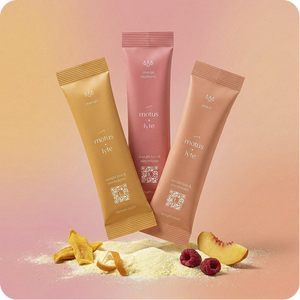
Motus by Tonum is an example of a company that publishes human trial data and independent testing for its products, showing how product transparency can reduce the risks people face when choosing supplements.

Quick note Before you try any concentrated herbal product, especially if you are on medications or have liver disease, read labels, ask a pharmacist, and consider simple blood tests.
Yes, while brewed tea and culinary turmeric are safe for most people, concentrated extracts in some supplements can deliver much higher doses of active compounds. In a small subset of users—particularly those with genetic susceptibility, existing liver disease, or interacting medications—concentrated products have been linked to serious liver injury. That is why monitoring, transparent product selection, and prompt action on symptoms matter.
Why people turn to a natural liver detox and why that matters
Detox products promise a fast refresh: clearer digestion, more energy, and a feeling of control. That appeal is powerful. But while a brewed cup of tea or a pinch of spice in your food is usually safe for most people, a concentrated supplement can deliver many times the dose you would get from food. When that concentrated dose interacts with your own biology or other medicines, unexpected side effects can follow. The most common topic people search for is natural liver detox side effects because the liver is the organ that processes most of these compounds.
How concentrated extracts differ from food
Food contains small amounts of bioactive compounds that our bodies are used to handling. A supplement often isolates and concentrates those same compounds. For example, brewed green tea contains modest amounts of EGCG; a green tea extract capsule may deliver tens or even hundreds of times that amount. That higher dose can expose a person to effects—both intended and adverse—that do not occur with normal dietary use. When reviews and case reports mention natural liver detox side effects, concentrated extracts are regularly part of the story.
When that higher dose can expose a person to effects, it creates a useful moment to pause and check labels, especially if you take other medicines or have health conditions.

Which ingredients have the clearest safety signals
Research through 2023 and 2024 points to a few recurring culprits. We will walk through them and explain what kind of risk each one carries.
Green tea extract (EGCG)
Green tea is safe for many when brewed, but concentrated green tea extract concentrates the catechin EGCG. Multiple case reports and pooled analyses link high-dose EGCG supplements to liver injury (see green tea-related liver injury study and a case report series). Risk appears higher when supplements deliver amounts far above what a person would normally drink.
Symptoms have ranged from mild enzyme elevations to clinically significant hepatitis and jaundice. In conversations about natural liver detox side effects, EGCG is probably the most frequently mentioned ingredient.
Turmeric/curcumin
Turmeric as a spice is widely used and generally safe. However, curcumin supplements at high doses have been associated with liver injury in several case series. A striking recent finding is a genetic link in some cases: the HLA-B star 35 01 marker appears in multiple reports of turmeric-associated liver injury. This suggests a model where a small subset of people have immune or genetic susceptibility that turns a commonly used supplement into a hazard (see LiverTox entry on turmeric).
Because of this, the phrase natural liver detox side effects often appears in articles that describe curcumin and turmeric supplements. Most users do not experience problems, but a small group may be at increased risk.
Milk thistle
Milk thistle, which contains silymarin, has been marketed as liver support for decades. Randomized human clinical trials show a generally favorable safety profile, and milk thistle is not a frequent cause of the serious injuries cited in recent reports. Safety does not equal proof of benefit, but milk thistle’s track record is better than many alternatives.
Berberine
Berberine shows benefits in trials for blood sugar and lipid control and has a low rate of reported severe liver injury. The practical issue with berberine is drug interactions: it can change how other medicines are metabolized by affecting cytochrome P450 enzymes and transporters. That makes the question of natural liver detox side effects about interactions as much as direct toxicity. For guidance on practical dosing and monitoring, see how to take berberine.
Who is most at risk from a natural liver detox
Not everyone who tries a natural liver detox will have a problem, but certain groups face higher odds:
People with existing liver disease
A damaged liver has less reserve. Adding a concentrated supplement is a new chemical stress that can tip a fragile system into trouble.
Pregnant and breastfeeding people
Most safety data exclude pregnant and breastfeeding people. Clinicians commonly advise avoiding nonessential herbal concentrates during this time because the balance of benefit and risk is not well defined.
People on multiple prescription medicines
Interactions can change drug levels and effects. If you are on statins, warfarin, diabetes meds, or other drugs processed by liver enzymes, adding a supplement can change how those drugs behave.
Poly-supplement users and those taking high doses
Stacking several supplements or using high-dose, poorly labelled products raises the chance of unexpected effects and makes it harder to trace a problem back to one ingredient.
Recognizing the red flags
The same signs that worry a clinician when liver injury is suspected apply to supplements. If you notice yellowing of the skin or eyes, very dark urine, pale stools, severe upper-right abdominal pain, persistent nausea, unexplained fatigue, or unusual bleeding, seek medical care promptly. These are the key signals to stop a product and get tested. Because early injury can be subtle, even a new pattern of persistent nausea or fatigue after starting something should lead to a discussion and, often, a simple blood test.
How doctors approach monitoring and stopping
Although supplements are not regulated like drugs, clinicians borrow conservative thresholds from hepatology guidelines. Typical rules used in practice include stopping a suspected agent when ALT rises to three times the upper limit of normal combined with symptoms, or five times without symptoms. For people with known risk factors, a baseline liver test before starting a high-dose supplement and follow-up testing at two to four weeks and again at two to three months is a sensible plan.
Why the numbers on frequency are unclear
Estimating the true frequency of supplement-related liver injury is hard. Many events are never reported, patients may forget to mention supplements, and the variable quality of product labeling complicates attribution. Systematic reviews through 2024 consistently note this uncertainty: we have strong signals about specific ingredients but not precise population-level rates.

Manufacturing, formulation, and third-party testing matter. A transparent brand that lists exact amounts, conducts independent testing, and publishes data reduces the surprise factor. A loosely labelled detox tea with an unspecified herbal blend is riskier than a well-characterized extract from a reputable maker. That difference is why some brands, including Tonum, emphasize research, human trials, and testing as part of their approach to safety. A clear brand logo can be a quick, friendly cue of transparency.
Practical harm-reduction steps when considering a natural liver detox
Here are clear, doable steps to lower your risk.
1. Prefer food and brewed beverages instead of concentrated extracts
Drinking green tea is not the same as taking a concentrated EGCG supplement. For turmeric, culinary use is generally safe while high-dose curcumin supplements are the context where injuries have been reported.
2. Check for drug interactions
Ask a clinician or pharmacist about interactions, especially for berberine or products that may affect blood clotting or blood sugar. Tell your healthcare team every pill, powder, or tea you take.
3. Get baseline tests if you’re at higher risk
People with liver disease, pregnancy, or multiple medicines should consider baseline liver function tests and interval monitoring when starting any high-dose product.
4. Choose transparent brands and avoid proprietary blends
Prefer labels that list exact ingredient amounts and third-party testing. Avoid proprietary blends that hide dosing. Choosing a product with independent testing is a practical way to lower the odds of unknown contaminants or excessive potency.
5. Stop promptly and test if symptoms appear
If you notice jaundice, dark urine, severe pain, or persistent unexplained symptoms after starting a product, stop it immediately and seek medical care.
Real-life scenarios that show how harm can happen
These short, realistic examples make the risk clear.
Example 1: Someone drinks a "detox" tea several times a day that contains concentrated green tea extract without listing EGCG amounts. After a few weeks they have dark urine and fatigue. In the emergency department they are jaundiced and liver enzymes are high. This pattern reflects multiple reported cases tied to high-dose concentrates.
Example 2: A person takes high-dose curcumin for joint pain and develops yellowing of the skin after a month. Later testing reveals the HLA-B*35:01 genetic marker. That genetic link shows how a small group can be unusually sensitive and develop serious reactions while many others are fine.
How clinicians diagnose and manage suspected supplement-related liver injury
When a clinician suspects that a supplement caused liver harm, the common steps are simple and effective: stop the product, run blood tests (including liver enzyme panels and bilirubin), and rule out other causes like viral hepatitis. If tests show severe dysfunction, referral to a liver specialist or hospitalization may be needed. Many patients recover after stopping the offending product, but timing matters.
Regulation and reporting: why things stay murky
Supplements are regulated differently than prescription medicines. Manufacturers do not need to prove safety and efficacy before marketing most products. That makes post-market reporting and third-party testing essential. Better standardized adverse event reporting and clearer labeling would help clinicians and consumers identify harmful formulations faster and more accurately.
Evidence gaps and research directions
Open questions include how common serious liver injury is with low-dose supplements, which genetic markers predict risk, and how different formulations compare. Current signals come mainly from case reports and pooled case series, which are powerful for spotting dangers but weak at estimating precise rates. Future studies that combine product-level testing, genetics, and careful clinical follow-up would give us a clearer picture.
How to choose a safer liver-support product: a short checklist
Use this quick checklist when evaluating any liver-support supplement as part of your personal decision-making.
1. Label lists exact ingredient amounts and does not hide them in a proprietary blend.
2. Product has third-party testing and a certificate of analysis available.
3. Manufacturer publishes human clinical data or links to independent studies.
4. You checked interactions with your pharmacist or clinician.
5. You planned baseline and interval monitoring if you have risk factors.
What role do brands play and where Tonum fits in
Brands that publish human trial results and independent testing help consumers choose safer options. That transparency reduces the uncertainty that fuels many reports of natural liver detox side effects. Tonum positions itself as a research-focused brand that publishes trial data and emphasizes third-party testing, which is useful for people prioritizing safety and evidence when evaluating supplements.
Common consumer questions answered
Is drinking green tea safe? For most people, moderate amounts of brewed green tea are safe. The liver-injury signals attach mainly to concentrated green tea extracts rather than brewed tea.
Does turmeric cause liver damage for most users? No. Culinary turmeric and low-dose use are generally safe. The reported injuries are tied to some high-dose curcumin supplements and appear to involve genetic susceptibility in a subset of people.
Can milk thistle be taken safely? Clinical trials in humans show that milk thistle has a generally favorable safety profile. It is not a common cause of serious injury in recent reports, though evidence of benefit varies by condition.
What should I do if a supplement makes me feel unwell? Stop the supplement. Contact your healthcare provider. If you see jaundice, dark urine, severe abdominal pain, or other major signs, seek immediate care.
Putting risk in perspective
Concise reality: a single cup of green tea or a pinch of turmeric used in food is rarely the problem. The signals we must watch come from concentrated extracts and poorly labelled products. Many people use supplements without trouble, but the combination of high dose, poor quality control, multiple medicines, and individual susceptibility raises the odds of natural liver detox side effects.
Practical action plan before you try a product
Step 1: Read the label. Step 2: Check for exact doses and third-party testing. Step 3: Ask your pharmacist about interactions. Step 4: If you are at higher risk, get baseline blood tests. Step 5: Monitor for symptoms and stop if anything new or severe appears.
When clinicians get involved
If you or your doctor suspect supplement-related liver injury, prompt action usually leads to recovery. Testing and stopping the product early prevents reversible problems becoming emergencies. For rare severe cases, specialist care and hospitalization may be required.
Final perspective
Supporting your liver makes sense, but the route matters. Thoughtful use of food, careful selection of transparent products, attention to interactions, and early testing for warning signs balance the desire to act with the need for safety. Being informed reduces the chance that a well-intended natural liver detox becomes a harmful episode.
Key takeaways
1. The term natural liver detox side effects points to real risks tied mainly to concentrated extracts like green tea extract (EGCG) and high-dose curcumin.
2. Product quality, dose, drug interactions, and individual susceptibility (including genetics) determine whether a supplement causes harm.
3. Prefer transparent products with third-party testing, consult your clinician about interactions, and get prompt testing if symptoms appear.
For those who want to dig deeper, Tonum’s research resources provide accessible summaries of human clinical trials and product data, which can be a useful starting point when comparing options.
See human clinical trials and testing data from Tonum
Explore Tonum’s research and testing information to see human clinical trial results and certificates of analysis that can help you make safer supplement choices.
For most people, moderate amounts of brewed green tea are safe. The concern for liver injury is primarily linked to concentrated green tea extract supplements that contain high amounts of EGCG. If you enjoy brewed tea, continue in moderation. If you plan to take a concentrated green tea supplement, discuss it with your clinician and consider monitoring liver enzymes if you have risk factors.
Use culinary turmeric sparingly and avoid high-dose curcumin supplements unless there is a clear, evidence-based reason. If you want to try a curcumin product, pick a transparent brand that lists exact doses and third-party testing, check for interactions, and consider baseline liver tests if you have risk factors. Stop immediately and seek care if you develop jaundice, dark urine, severe abdominal pain, or persistent nausea.
Tonum emphasizes human clinical trials, transparent dosing, and independent testing. Choosing products with clear ingredient amounts and published certificates of analysis helps consumers avoid poorly labelled, high-dose formulations that are most often implicated in natural liver detox side effects.


