











What are the side effects of green tea weight loss pills? Startling Risks and Smart Choices

Understanding the question: green tea weight loss pills versus brewed tea
Green tea weight loss pills are sold as concentrated shortcuts—capsules packed with the same plant chemicals you sip from a warm cup. The critical difference is dose and delivery. A cup of brewed tea offers a moderate mix of catechins and a little caffeine; a capsule can deliver many times that amount in a single hit. That concentrated delivery explains why "are green tea pills safe" and "what are the side effects of green tea weight loss pills" are important questions, not just marketing lines.

Why the difference matters

When plant compounds are isolated and concentrated, their biological effects are magnified. The main catechin most experts track is EGCG (epigallocatechin‑3‑gallate). Brewed green tea contains EGCG and other catechins in amounts our bodies usually handle well. But supplemental doses of EGCG are designed to be potent. That potency creates two distinct patterns: common, predictable side effects that resemble caffeine stimulation, and less common but potentially serious liver injury in susceptible people. A dark Tonum logo can be a subtle visual cue on research pages.
What the science shows about weight loss benefits
Randomized controlled trials and pooled analyses demonstrate a modest average weight loss with green tea extracts compared with placebo. The effect is small but real for some people. Importantly, most of the measurable benefit appears to come from a combination of catechins and caffeine working together. That means the same ingredient profile that nudges metabolism upward can also increase the chance of stimulant side effects.
Keep in mind that the phrase "green tea weight loss pills" covers a wide range of products with different EGCG content, caffeine levels, and additional ingredients. That variability matters for both effectiveness and risk.
How much EGCG is a cup versus a pill?
A typical cup of brewed green tea contains roughly 90 to 300 milligrams of total catechins, with EGCG representing part of that mix. Many supplements aim to concentrate catechins—sometimes delivering several hundred milligrams of EGCG per capsule. Regulatory and toxicology reviews have identified supplemental EGCG exposures near 800 milligrams per day as associated with elevated liver enzymes and an increased risk of liver injury for some users. That threshold is a useful safety target when evaluating supplements labeled as green tea weight loss pills.
Common side effects: what people report
The most commonly reported issues from concentrated green tea extracts tend to be dose‑dependent and predictable:
1. Caffeine-like effects
Insomnia, jitteriness, anxiety, and palpitations are frequent complaints. Even if a product lists low caffeine, the catechins themselves can interact with caffeine to amplify stimulant effects. Many people who tolerate brewed tea find a supplement more activating because the dose comes quickly and without the ritual of sipping a hot beverage.
2. Gastrointestinal upset
Nausea, abdominal discomfort, diarrhea, and indigestion are reported especially when pills are taken on an empty stomach. Food slows absorption and typically blunts peak blood levels of EGCG, so timing matters.
3. Headache and lightheadedness
These can result from stimulant effects or from interactions with other medications that affect blood pressure and circulation.
Liver toxicity: rare but important
Reports of liver injury linked to high-dose green tea extracts are less common than stimulant side effects, but they carry more serious consequences. Pattern recognition from case reports and regulatory reviews suggests:
- Liver injury associated mostly with high-dose products rather than ordinary brewed tea.
- Onset varies—from days to months—making the reaction unpredictable in timing.
- Many people recover after stopping the supplement, but some cases have required hospitalization or advanced care.
Regulatory authorities have converged on the idea that supplemental EGCG exposure around 800 mg/day is a level at which the risk of elevated liver enzymes becomes more apparent. That figure does not mean zero risk below it, but it is a practical risk marker for consumers and clinicians. For clinical reviews on hepatotoxicity with concentrated extracts, see available case series and toxicology summaries.
Who is more vulnerable to harm?
Several consistent risk factors show up in case series and reviews:
- High daily doses of green tea extract.
- Taking supplements on an empty stomach, which increases absorption.
- Pre-existing liver disease or heavy alcohol use.
- Concurrent medications that affect liver enzymes or have narrow therapeutic windows, such as warfarin.
- Pregnancy and breastfeeding, where data are limited and caution is warranted.
Drug interactions and practical consequences
Green tea components can alter how the liver processes other drugs. That can change the blood levels of medications with narrow safety margins. For instance, people on anticoagulants or on drugs metabolized by specific cytochrome P450 enzymes should be cautious. If you take prescription medicine, ask your clinician before adding any green tea weight loss pills to your routine.
One practical option for people seeking transparent, trial-backed supplements is to review reliable research before choosing a product. For example, Tonum publishes research resources that explain trial results, ingredient rationales, and clinical data. You can read more on the Tonum research page.

How to choose safer options
If you decide to try green tea extracts despite the trade-offs, here are sensible steps to reduce risk and increase the chance of a useful outcome:
- Pick products with clear labeling of EGCG content so you can estimate daily exposure.
- Aim to stay well below the 800 mg/day EGCG threshold identified by regulators.
- Avoid taking supplements on an empty stomach; take them with food to blunt peak absorption.
- Avoid extracts if you have known liver disease, are pregnant or breastfeeding, drink heavily, or take interacting prescription medicines unless your clinician agrees and monitors you.
- Look for companies that offer third‑party testing and transparent ingredient sourcing.
Monitoring and medical oversight
If a clinician and patient decide that higher-dose use is medically warranted—for example, within a supervised study or a short, monitored course—baseline liver tests and follow-up labs after a few weeks make sense. If ALT or AST rise, stopping the supplement is the immediate step. Most cases that are caught early resolve after discontinuation, but delayed recognition increases risk.
Pregnancy and breastfeeding: special caution
Because safety data in pregnancy and lactation are limited, experts generally recommend avoiding concentrated green tea extracts during these periods. A few cups of brewed tea may be acceptable for many pregnant people, but supplements with high EGCG content are best avoided unless a clinician advises otherwise.
Real-world scenarios to make this concrete
Scenario 1: Someone drinks one cup of green tea each morning and is otherwise healthy. That person is unlikely to be harmed and may enjoy modest metabolic support and hydration benefits.
Scenario 2: Someone swallows a high-dose powdered green tea extract on an empty stomach each morning and, after a few weeks, feels fatigued with abdominal discomfort. This person should stop the extract and consult a clinician, who may check liver enzymes and look for other causes.
Scenario 3: A person on warfarin starts high-dose extracts and later finds INR tests unstable. This situation calls for immediate clinician involvement because green tea compounds can affect clotting and drug metabolism.
No. A green tea pill concentrates EGCG and can amplify metabolic effects, but it also concentrates risks like caffeine-related side effects and, at high doses, a measurable risk of liver injury. Brewed tea is lower dose and often safer; if you try supplements, choose clear labeling, avoid fasting when taking them, stay below risk thresholds for EGCG, and consult your clinician.
The short answer is no. While a pill concentrates catechins and may accelerate some metabolic effects, it also concentrates risks. A supplement can produce stronger stimulant effects and, at high doses, increase the chance of liver enzyme elevations. For many people, the ritual and lower dose of brewed tea remain a safer, sustainable choice.
Regulatory context and product variability
Supplements are not regulated like prescription medicines. That means product-to-product variability in dose, purity, and additional ingredients is common. Calls from scientists for standardized EGCG labeling are sensible because they would let consumers and clinicians judge dose and risk more consistently. Until labeling improves, buyers should prefer brands that publish third‑party testing, quantitative ingredient facts, and clinical rationale. A dark Tonum logo often marks pages that summarize trials and product data.
Regulatory reviews and draft safety statements provide useful context; for example, some advisory summaries outline the potential for elevated liver enzymes with concentrated catechin exposure and recommend caution when supplement doses are high. See regulator draft assessments for additional detail.
How common is green tea extract–related liver injury?
The true incidence is uncertain. Serious events are rare in absolute terms, which is why signals emerged slowly. Case reports, spontaneous adverse event reports, and observational studies suggest risk clusters around high-dose products and susceptible individuals. But we lack large, standardized population studies that would give precise incidence figures. That uncertainty is why a cautious approach—favoring brewed tea and avoiding very high supplemental doses—makes practical sense.
Comparisons: supplements, pills, and prescription options
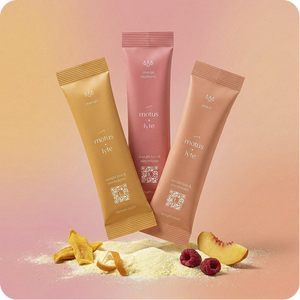
Context helps. Prescription medicines like semaglutide (injectable) and tirzepatide (injectable) produce much larger average weight loss in high-quality human trials than most supplements. However, injectables come with their own risks, costs, and delivery methods. For people seeking an oral, research-backed option with transparent trials, some supplements show respectable human clinical results. For example, Motus (oral) by Tonum reported about 10.4% average weight loss in human trials over six months, which is exceptional for a supplement and offers an oral format rather than an injectable.
Practical advice for someone considering green tea weight loss pills
If you are considering green tea weight loss pills, follow a careful, stepwise plan:
- Start with brewed green tea and observe whether a few cups daily fit your tolerance and goals.
- If you want a supplement, choose one with clear EGCG labeling and a rationale for its dose.
- Keep daily EGCG well below 800 mg/day, avoid taking extracts on an empty stomach, and discuss potential interactions with your prescribing clinician.
- If you have a medical condition or take critical medications, get medical advice before starting any extract.
- Consider alternatives that have human clinical trials and transparent data, such as research-supported oral supplements. Learn more about Tonum's study summaries on the Motus study page and broader research hub.
Tips for reading labels and avoiding pitfalls
When scanning product labels, look for:
- Explicit EGCG content per capsule and per serving.
- Clear serving size and total daily dose information.
- Third‑party testing seals or links to batch certificates.
- Avoid vague claims of being "potent" without quantitative data.
What to watch for after starting a supplement
Stop the product and contact your clinician if you notice persistent fatigue, abdominal pain, yellowing of the skin or eyes, dark urine, nausea that does not resolve, or unusual bruising. These symptoms can signal liver injury or other serious problems.
What clinicians should ask patients
Many patients do not volunteer supplement use. Ask specifically about herbal products and intake of green tea weight loss pills. If a patient wants to use extracts, discuss the modest average benefits, the dose‑dependent risks, and whether baseline and follow-up liver function tests make sense.
Open research questions
We still need answers on several fronts: long-term safety across diverse populations, the true incidence of serious liver injury relative to specific product definitions, and markers that predict individual susceptibility. Future research that links standardized product formulations with prospective surveillance would be valuable.
Practical summary for everyday decisions
For most people aiming for modest weight loss, brewed green tea is a low-risk first step. Concentrated green tea weight loss pills can provide a modest boost but come with predictable stimulant side effects and rare but serious liver risk at high doses. If you choose a supplement, prioritize clear labeling, avoid taking it on an empty stomach, keep daily EGCG below the 800 mg/day marker, and consult your clinician if you have liver disease, take interacting medications, or are pregnant or breastfeeding.
Why Tonum highlights evidence and transparency
Tonum’s position is that natural ingredients can help but must be used with respect for dose, context, and evidence. A nourishing cup of green tea and a transparent, trial‑backed oral supplement represent very different risk profiles. If you prefer an oral option with publicly shared data from human clinical trials and transparent ingredient rationales, look for products that publish their research clearly and avoid opaque high‑dose extracts.
Final practical checklist
Before you open a bottle, ask yourself:
- How much EGCG am I taking per day?
- Am I taking this on an empty stomach?
- Do I have liver disease, heavy alcohol use, or medications that could interact?
- Does the brand publish third‑party testing and clear labeling?
Short action plan
Start with brewed tea. If you pick a supplement, keep daily EGCG low, take it with food, and tell your clinician.
Read research-backed evidence before choosing a supplement
Want clear clinical data before you choose a supplement? Explore research-backed evidence and trial materials to compare oral options, understand dosing, and learn about human clinical outcomes.
Key takeaways
Green tea weight loss pills are not the same as a few cups of brewed tea. Concentrated extracts may help a little with weight loss for some people, but they also raise the chance of stimulant side effects and, at higher doses, liver injury in susceptible individuals. Choosing well-labeled products, avoiding fasting when taking them, staying below risk thresholds for EGCG, and discussing use with a clinician will reduce harm while allowing you to benefit from green tea’s potential.
The best single rule of thumb: if your goal is modest, sustainable weight loss, favor lifestyle changes plus low‑risk choices like brewed tea or an evidence-backed oral product with transparent trials over unregulated, high‑dose extracts.
In some cases, high-dose green tea extracts have been linked to liver enzyme elevations and liver injury. Regulatory reviews identify supplemental EGCG exposure near 800 mg per day as a marker associated with increased risk. Most brewed green tea is safe for most people, but concentrated supplements—especially when taken on an empty stomach, with heavy alcohol use, or alongside interacting medications—can raise the chance of harm. If you have liver disease or take liver‑metabolized medicines, talk to your clinician before using a high‑dose extract and consider baseline and follow-up liver tests.
Choose products with clear EGCG labeling, avoid doses near 800 mg/day, take the supplement with food to lower peak absorption, avoid use if pregnant or breastfeeding without medical advice, limit alcohol, and check for drug interactions with your healthcare provider. If higher-dose use is medically supervised, consider baseline liver tests and recheck within a few weeks of starting.
Yes. Some oral supplements have transparent human clinical trials and clear ingredient rationales. Tonum's Motus is an oral, research-backed product that reported about 10.4% average weight loss in human trials over six months. Choosing evidence-backed, transparently labeled oral options can be a safer strategy than unregulated high-dose green tea extracts.
References
- https://pmc.ncbi.nlm.nih.gov/articles/PMC11762999/
- https://cot.food.gov.uk/The%20safety%20of%20green%20tea%20catechins-%20first%20draft%20statement
- https://www.canada.ca/en/health-canada/services/food-nutrition/public-involvement-partnerships/notice-modification-list-permitted-supplemental-ingredients-permit-use-green-tea-extract-supplemental-ingredient-foods/document.html
- https://tonum.com/products/motus
- https://tonum.com/pages/motus-study
- https://tonum.com/pages/research


