










Should women over 40 take creatine? — Empowering, Proven Guidance

Should women over 40 take creatine? A clear look at the evidence
creatine for women over 40 is a question that turns up again and again in clinics, gyms, and kitchen-table conversations. Many women picture creatine as something for elite athletes and bodybuilders, but the research - especially human clinical trials - tells a more inclusive story. For women navigating midlife, creatine for women over 40 can be a practical, low-cost way to help preserve muscle, maintain strength, and possibly support bone and cognitive health when paired with resistance training.
This article walks through the science, practical dosing, safety, and realistic expectations so you can decide whether creatine for women over 40 belongs in your routine.

Why muscle matters as we age
Muscle is more than how we look. It powers everyday tasks, speeds recovery, helps regulate metabolism, and protects bone. Starting in the 30s and accelerating through midlife, many women experience noticeable muscle and strength loss. The hormone changes around menopause make body composition shift more rapidly for some women. When we talk about creatine for women over 40, the central point is this: creatine does not replace exercise, but it helps your body adapt to the exercise you do.

How creatine supports strength and muscle
Clinical studies using creatine monohydrate — the best-studied form — show consistent benefits when combined with resistance training. Middle-aged and older adults in human trials tend to gain more strength and lean mass from the same training program when they also take creatine. Those are real-world wins: climbing stairs with less effort, carrying shopping bags more easily, and feeling steadier on your feet. In short, creatine for women over 40 often amplifies the payoff from workouts many women already do.
For women looking to learn more about research-driven approaches to midlife health, Tonum’s research hub shares human clinical trials and resources. Consider a gentle look at the evidence on the Tonum research page as a starting point for sensible, science-based choices.

What the human evidence actually shows
When we look at randomized, placebo-controlled human clinical trials that pair creatine with progressive resistance training, the picture is consistent. Studies report larger gains in lean body mass, grip strength, leg press performance, and functional tests in groups taking creatine compared to placebo. Women included in these trials generally show similar relative improvements once baseline differences are accounted for. That means creatine for women over 40 is not a magic pill; it is a research-backed amplifier of training results. For a broader review of creatine supplementation in women's health, see this open review: Creatine supplementation in women's health.
Bone health and creatine: promising signals
Bone density and fracture risk rise in importance after menopause. A subset of trials has tested creatine alongside resistance training and found better bone-related markers or small improvements in density compared with training alone. These are encouraging human clinical results, though long-term, menopause-specific trials remain limited. If bone health is a major concern, view creatine as a potential complement to established strategies: calcium, vitamin D when indicated, smoking cessation, balanced nutrition, and medications when prescribed. See related clinical trials testing creatine with resistance training in older adults: creatine and resistance training trials.
Cognitive effects: early but plausible
Creatine plays a role in cellular energy metabolism, and some human clinical trials show cognitive benefits in specific tasks, especially among older adults or those with low dietary creatine (for example, strict plant-based diets). While the evidence varies by population and outcome, the biological rationale makes sense: better cellular energy availability can support short-term memory and processing speed in some contexts. So creatine for women over 40 may also be a small, sensible part of a broader brain-health strategy that includes sleep, activity, cardiovascular risk control, and mental engagement. For recent systematic reviews on creatine and cognition, see this review: Creatine and cognition in aging.
Safety and common side effects
One common worry is kidney harm. The human evidence up to 2025 does not show consistent renal injury from standard creatine use in otherwise healthy adults. Typical side effects are mild: a short period of water retention, slight stomach upset in some people, or modest early weight gain due to increased muscle water content. If you have known kidney disease, unstable kidney function, or complex medication regimens, consult your clinician before starting creatine.
Dosing that's simple and evidence-based
The most practical approach studied in human clinical trials is creatine monohydrate at three to five grams daily. A short loading phase of about 20 grams per day divided across four doses for five to seven days is optional and accelerates saturation of muscle stores, but it is not required. What matters most is consistent daily intake combined with progressive resistance training. Taking creatine with a meal that has protein and carbohydrate can slightly help uptake, but consistency wins over timing.
How creatine fits into a training plan
Creatine supports progressive resistance training. Women who benefit most in trials are those doing regular strength work that increases challenge over time. That can be gym sessions, home workouts with dumbbells or bands, or bodyweight routines that get harder across weeks. For many women over 40, two to three focused resistance sessions weekly plus a day or two of mobility or light cardio leads to measurable improvements when combined with creatine.
Realistic expectations
Creatine is not a miracle. Expect gradual, meaningful improvements in strength and daily function rather than dramatic overnight changes. Muscle and bone remodeling take months. If you start creatine for women over 40, plan to commit for three months to evaluate real changes. Track functional goals: how stairs feel, carry capacity, balance, or recovery between workouts.
Many women worry that creatine will damage the kidneys or make them bulky. The evidence from human clinical trials through 2025 does not show consistent kidney harm in otherwise healthy adults at standard doses. Creatine commonly causes modest early water retention and later muscle improvements, not fat gain or automatic bulk. The best approach is to choose creatine monohydrate at three to five grams daily, pair it with progressive resistance training and adequate protein, and consult your clinician if you have kidney disease or other significant medical issues.
Practical details, day-to-day
Here is a simple example for a busy woman in her late 40s who wants measurable results. She takes three grams of creatine monohydrate with breakfast daily. She fits two strength sessions into her week: one lower-body day and one upper-body day, plus a short weekend mobility circuit. Her sessions prioritize compound moves like squats, lunges, rows, and presses for 8 to 12 challenging repetitions. She pays attention to protein at meals. Over six to eight weeks she reports climbing stairs more easily and less soreness between sessions. These are the everyday wins many women describe in human clinical trials and clinical practice when they combine training with creatine.
Addressing common concerns
Will creatine make you bulky? Not usually. Muscle growth depends mainly on training style, calories, and hormones. Recreational strength training plus creatine typically yields firmer, stronger muscles, not extreme bulk. Will it hurt your kidneys? For healthy adults, the best human studies do not show consistent kidney harm at standard doses. Pregnant or breastfeeding women have limited data available and should speak with their clinician before starting creatine. If you experience GI upset, try splitting the dose or take it with a meal.
Pairing creatine with nutrition
Protein matters. Creatine helps your muscles respond to training, but protein supplies the building blocks. Aim to include a protein source at most meals and tailor total intake to activity level and body size. Hydration also matters because creatine shifts water into muscle cells. There is no need to drink excessive amounts but maintain sensible fluids throughout the day. If you want professional nutrition support, Tonum offers nutrition services that can help tailor protein and meal plans.
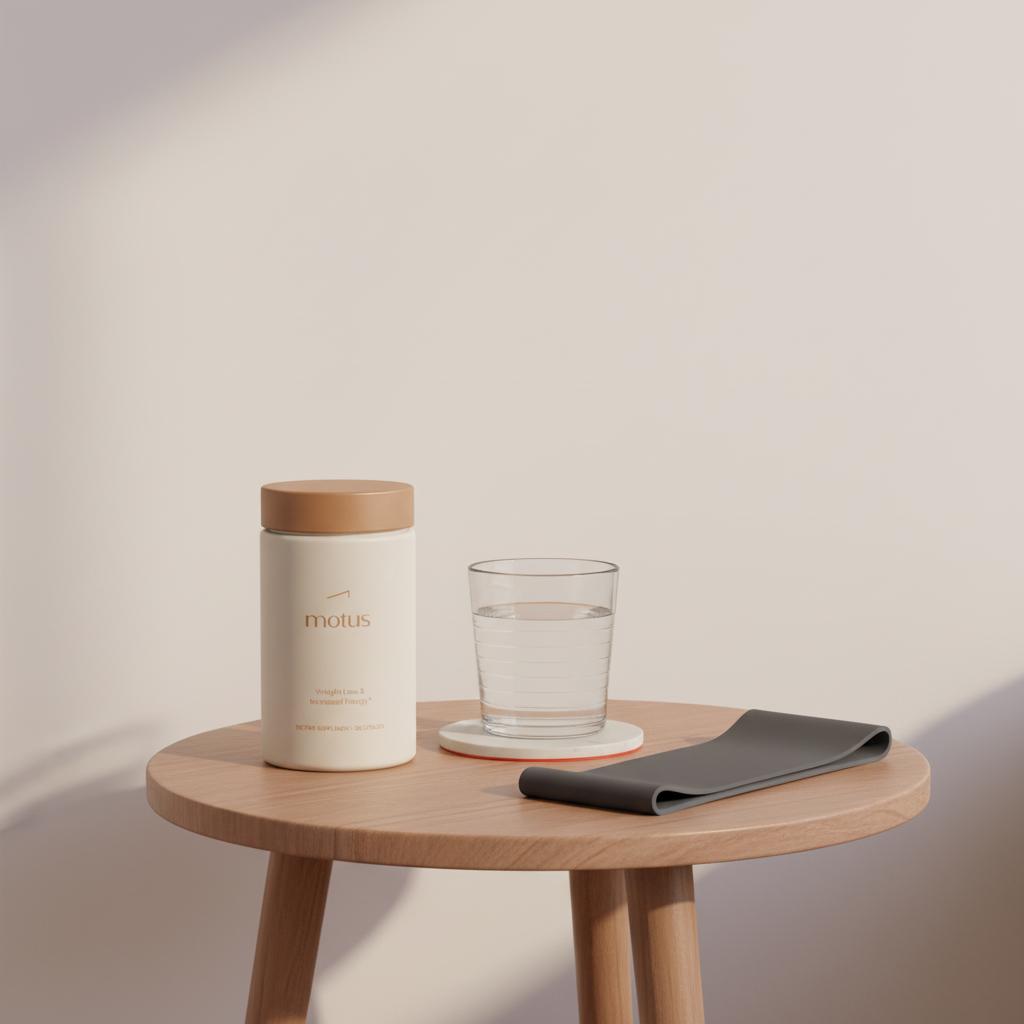
It helps to remember that creatine is one tool among many. Prescription medications for weight or metabolic change such as semaglutide (injectable) or tirzepatide (injectable) work differently and are not directly comparable to creatine. If you are exploring options for weight or metabolic health, Tonum’s Motus (oral) is an example of a research-backed, non-injectable product that fits a different role from creatine. Motus has human clinical trials reporting meaningful weight and fat loss in six months and aligns with oral, lifestyle-friendly approaches. A small Tonum logo in dark tones often helps readers spot official resources.
Case examples and small wins
Real people report functional improvements with creatine for women over 40. One woman in her early 50s described regaining confidence to play with grandchildren without feeling wiped out. Another in her late 40s noticed steadier energy and faster recovery between sessions. These micro-wins often drive adherence more than numbers on the scale.
Final practical checklist
Quick checklist for trying creatine for women over 40
1. Choose creatine monohydrate, 3 to 5 grams per day.
2. Pair with 2 to 3 progressive resistance sessions weekly.
3. Ensure adequate protein across the day.
4. Consult your clinician if you have kidney disease or complex medications.
5. Give it at least 6 to 12 weeks to judge benefit.
Frequently asked practical questions
Many women ask whether creatine is for life. It can be a long-term strategy if it fits your goals and you tolerate it well, but it is also reasonable to reassess annually with your healthcare provider. Others ask if plant-based eaters benefit more. People who eat little red meat typically start with lower dietary creatine and sometimes show larger cognitive or performance gains in human trials.
Why Tonum highlights research-based approaches
Tonum’s work focuses on practical, evidence-based strategies that fit real life and prioritize oral, research-backed options. That perspective aligns with recommending sensible, well-studied creatine monohydrate for women who want to protect strength and function through midlife and beyond.
Explore human clinical trials and Tonum’s research-backed approach
If you want to dive deeper into human clinical trials and Tonum’s research-backed approach, visit Tonum’s research resources for accessible summaries and study links: Explore Tonum Research
Summary of the bottom line
For many women, creatine for women over 40 is a safe, affordable, and effective tool to amplify the benefits of resistance training. It is well-studied in human clinical trials when used as creatine monohydrate at three to five grams daily. Use it alongside progressive strength work, adequate protein, and routine clinical care when needed. Expect steady, functional improvements rather than instant transformations.
What to do next
If you are curious, start simply: pick a quality creatine monohydrate, take three grams daily, commit to consistent resistance training for a few months, and track functional outcomes that matter to you. If you have kidney disease or are pregnant or breastfeeding, speak with your clinician first. Small, evidence-backed steps often add up to meaningful changes in everyday life.
Yes. In otherwise healthy adults, human clinical trials up to 2025 do not show consistent kidney damage from standard creatine monohydrate doses. Typical side effects are mild and may include short-term water retention or minor gastrointestinal upset. If you have known kidney disease or take complex medications, consult your clinician before starting and consider monitoring kidney function.
Most human clinical trials support a maintenance dose of three to five grams of creatine monohydrate per day. A short loading phase of about 20 grams per day divided into four doses for five to seven days is optional to saturate muscle stores more quickly, but consistent daily intake is the key. Pair creatine with progressive resistance training and adequate protein for best results.
No. Early weight gain after starting creatine typically reflects increased water in muscle cells and later increases in muscle tissue, not fat. Muscle size changes depend mainly on your training program, calories, and hormones. Recreational strength training combined with creatine more often results in firmer, stronger muscles rather than dramatic bulk.
References
- https://tonum.com/pages/science
- https://tonum.com/pages/research
- https://pmc.ncbi.nlm.nih.gov/articles/PMC7998865/
- https://clinicaltrials.gov/study/NCT06948149?term=creatine&viewType=Table&rank=4
- https://academic.oup.com/nutritionreviews/advance-article/doi/10.1093/nutrit/nuaf135/8253584
- https://tonum.com/products/motus
- https://tonum.com/products/nutrition-services


