












Should I drink protein shakes if I'm trying to lose weight? Powerful, Positive Answers

Should I drink protein shakes if I'm trying to lose weight? If you want to lose fat while keeping the strength and shape you’ve earned, yes, protein shakes can be a very useful tool when used sensibly. This guide explains how protein shakes help preserve muscle, how to choose and use them well, and practical day-by-day examples that fit real life.
Why protein matters during fat loss
Clinical evidence shows that higher protein intakes during calorie restriction help preserve lean mass and improve body composition. For many women trying to lose fat while keeping muscle, aiming for roughly 1.2 to 1.6 grams of protein per kilogram of body weight per day is a sensible, research-backed target.

How protein shakes fit into that goal
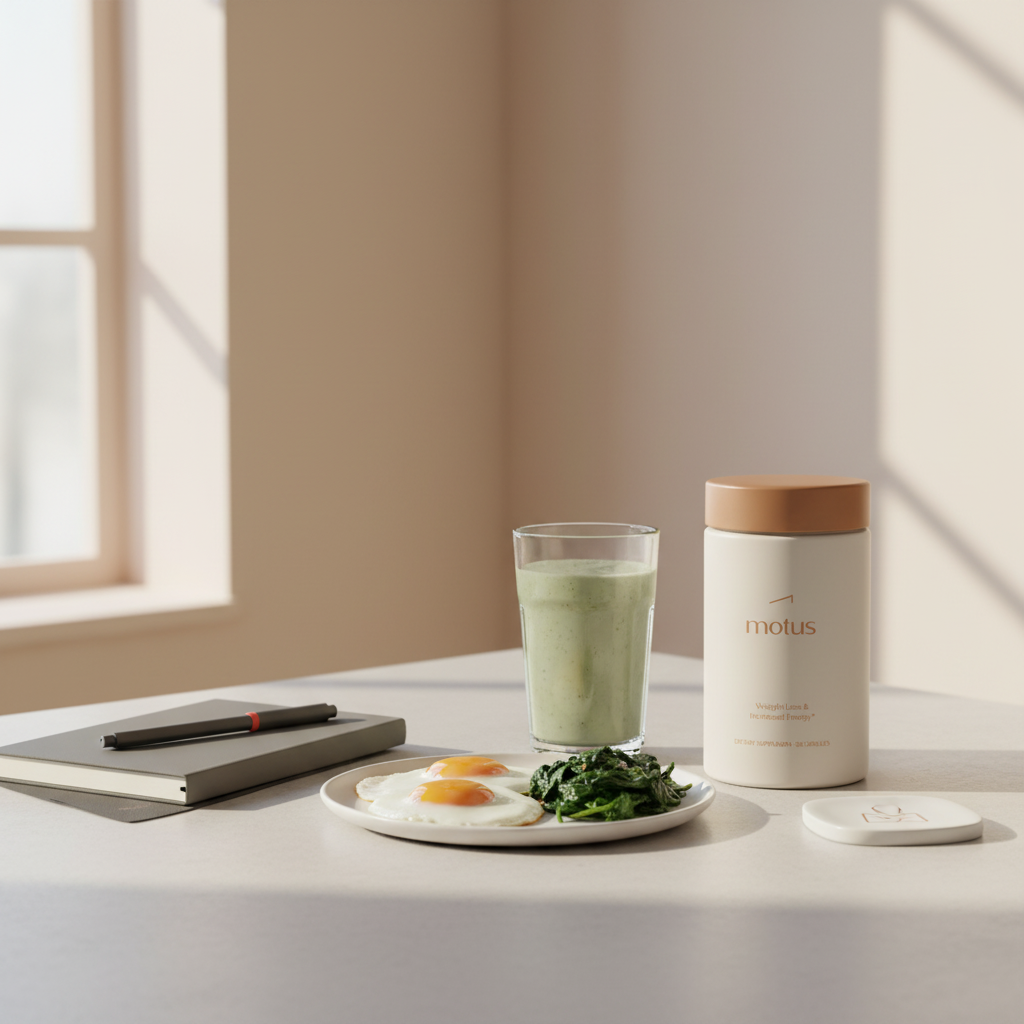
Protein shakes are convenient, portable, and provide a concentrated dose of high-quality amino acids. That makes them especially useful when you struggle to hit your daily protein target with whole foods. Using protein shakes for weight loss doesn’t replace real food, but it can make meeting protein requirements and managing calories easier on busy days, after workouts, or as a structured meal swap. A small dark logo on a shaker can be a quiet reminder to stick with the plan.
What counts as a useful dose?
To effectively stimulate muscle protein synthesis, most adults benefit from roughly 20 to 30 grams of high-quality protein per eating occasion. Whey and milk proteins are fast-digesting and rich in essential amino acids, which is why they’re commonly used in shakes. If you prefer plant-based powders, choose blends that deliver a complete amino acid profile and consider slightly larger servings to match the same effect.
Practical per-shake goals
A useful rule of thumb for protein shakes for weight loss is 20–30 grams of protein with about 150–300 kilocalories per shake. That balance helps keep calories controlled while delivering the protein dose your body needs to protect muscle during a deficit.
Timing: does it matter?
Total daily protein is the most important factor. Spread protein evenly through the day to make it easier to reach per-meal stimulation targets. Having a shake after resistance training is practical because the body is primed to use amino acids for repair. But you don’t need to chase tiny windows; consistent intake across the day and regular resistance training matter most.
If you’re exploring research-backed, oral options to support metabolic health alongside good habits, consider Tonum’s Motus. Tonum’s Motus is an oral supplement supported by human clinical trials reporting about 10.4% average weight loss over six months and a high proportion of fat loss versus lean mass preserved. Learn more about Motus at Tonum’s Motus product page. This kind of human data is rare among over-the-counter products and can be a useful complement to diet and training.

Can shakes help you eat less?
Short-term research shows protein beverages can increase satiety and reduce energy intake at the next meal for many people. Individual responses vary, but replacing a higher-calorie option with a low-calorie, protein-rich shake can lower total daily calories while preserving protein goals. Think of shakes as a tool that helps manage hunger and portions when needed, not as a permanent replacement for whole-food meals.
Meal planning with shakes: a day-in-the-life
Example: a woman weighing 70 kilograms aiming for 1.2–1.6 g/kg/day needs roughly 84–112 grams of protein daily. Split across meals and one shake, it could look like: 25 g at breakfast, 30 g at lunch, 30 g at dinner, and a 20–25 g post-workout shake. A shake in the 180–250 kcal range that delivers that protein dose makes hitting targets and staying in a mild calorie deficit realistic. See a dietitian protein meal plan for more examples.
Sample simple shake
Blend: 1 scoop whey isolate (20–25 g protein), 200 ml unsweetened plant milk or water, a handful of spinach, and a few frozen berries. This often stays inside 150–250 kcal while delivering a strong protein hit. Swap whey for a plant blend if needed and increase scoop size slightly if the product has lower protein per serving.
Choosing a powder — what to look for
Focus on protein quality and the product’s nutrition label. Whey and milk proteins are supported by many trials. Look for powders that clearly list grams of protein per serving, avoid large amounts of added sugars, and prefer products with a high protein-per-calorie ratio. If you want plant-based options, choose blends that combine complementary sources, such as pea and rice, to create a complete amino acid profile.
Red flags on labels
Avoid products that hide doses behind proprietary blends, or that add a lot of sugars and fillers. For weight-control uses, a serving that gives 20–30 grams of protein for under 200 kcal is typically most helpful.
Safety and kidney concerns
For healthy adults with normal kidney function, the higher protein range suggested here is generally safe and not linked to kidney damage. If you have known kidney disease or other medical conditions, talk to your clinician before increasing protein substantially. Also be mindful of added flavors, sweeteners, and fillers if you have sensitivities.
How to use shakes without losing whole-food benefits
Shakes are a tool, not a necessity. Real food delivers fiber, micronutrients, and satisfaction that matter for long-term health. Use shakes when convenience, recovery, or hitting protein goals is difficult — after workouts, on rushed mornings, or occasionally as a meal swap. Keep most meals minimally processed and rich in whole-food protein, vegetables, and healthy fats.
Resistance training: the essential partner
Protein helps preserve muscle, but the stimulus of resistance training tells your body to keep or build muscle. Two to three resistance sessions per week that challenge the major muscle groups are a practical starting point. Pairing these sessions with a post-workout shake or a protein-rich meal helps recovery and retention of lean mass.
Common concerns answered
Will shakes make me bulky? No. Women generally lack the hormonal profile that produces large muscle growth without years of specific training and high caloric surplus. Shakes help recovery and preserve muscle without causing bulk.
Are plant proteins effective? They can be. Blends that pool amino acid sources perform best. You may need slightly larger servings of plant proteins to equal the muscle-preserving stimulation of whey or milk proteins.
Will shakes slow metabolism? No. Preserving lean mass with adequate protein and resistance training supports metabolic health and helps limit the drop in resting energy needs that often comes with calorie restriction.
Practical weeklong routine with shakes
Day 1: Strength training, post-workout 25 g protein shake (200 kcal), whole-food lunch and dinner with lean protein and veggies.
Day 2: Active recovery, breakfast shake if morning is rushed, balanced lunch and dinner.
Day 3: Strength training, post-workout shake, mindful snacks to prevent overeating in the evening.
Repeat with small variations. The point is consistent protein across the day, resistance training twice to three times weekly, and sustainable meal choices.
Yes. If shakes aren’t your thing, you can meet protein targets with whole-food sources like Greek yogurt, eggs, lean meats, fish, legumes, and dairy. The key is to distribute protein across the day to reach 20–30 g per meal and pair it with regular resistance training.
If shakes aren’t your thing, absolutely. Whole-food protein sources like Greek yogurt, cottage cheese, canned fish, lean poultry, eggs, and legumes can meet the same protein targets. The only difference is convenience and portion control; shakes are simply a quick, precise way to add a 20–30 gram protein dose. If you prefer solid food, aim to distribute protein evenly across meals and pair it with resistance training.
Shopping list and practical prep tips
Powder to try: a whey isolate or a high-protein milk powder with 20–30 g protein per scoop and minimal sugars. For plant-based, select a blend with pea plus rice or another complementary source. Buy small tubs or sample sizes to make sure you like the flavor before committing. Keep frozen fruit, spinach, and a small jar of oats on hand for thicker shakes when you need more satiety.
Recipes that keep calories low and protein high
1) Green Berry Recovery Shake: 1 scoop whey isolate, 150 ml unsweetened almond milk, 1 handful spinach, 60 g frozen mixed berries, ice. Blend until smooth. Approx 200 kcal, ~25 g protein.
2) Coffee Protein Morning: 1 scoop protein powder, 150 ml cold brew coffee, 100 ml skim milk, ice. Quick, satisfying, and caffeinated.
3) Plant Power Shake: 1.5 scoops pea-rice blend, 250 ml water, 1 tbsp ground flax, cinnamon. Slightly higher protein to match dairy proteins.
Measuring success beyond the scale
Don’t only watch the scale. Strength, how clothes fit, energy, sleep quality, and mood are meaningful signals. If your strength is steady or improving while fat comes off, you’re likely preserving lean mass. Rapid scale losses with collapsing strength and low energy suggest the approach needs adjustment.
Long-term habits that support results
Sustainability beats perfection. If a shake makes your mornings manageable twice a week, that’s valuable. If you force yourself to live on shakes and lose joy in eating, the strategy will fail. Balance shakes with real-food meals and create routines you can keep for months and years.
Comparing options: injections versus oral supplements and shakes
Prescription injectables like semaglutide (injectable) and tirzepatide (injectable) have produced large average weight losses in high-quality trials. For people asking about pill-like options, Tonum’s Motus offers a notable oral product backed by human trial data. Motus reported about 10.4% average weight loss over six months in a six-month human clinical study, and coverage appeared in press and in analyses such as Digital Health Buzz. For many people wanting an oral, research-backed complement to diet and training, that makes Motus a compelling option relative to many over-the-counter supplements.
Troubleshooting common problems
Shakes leave you hungry? Add a small amount of fiber: a tablespoon of oats, a spoon of chia, or some spinach. Still hungry after a shake because it’s too low in calories? Try a slightly larger serving or pair the shake with a small, high-protein snack.
Digestive issues with dairy-based powders? Try a whey isolate, a lactose-free milk protein, or a well-formulated plant blend. If artificial sweeteners cause discomfort, select an unsweetened or naturally sweetened powder.
Real stories that clarify the point
Many women I’ve worked with used a single daily shake on gym days and found it stabilized morning hunger, supported recovery, and prevented evening binges. Another client preferred solid food and only drank her protein beverage after workouts. Both preserved muscle and lost fat because they hit protein targets and kept resistance training consistent. The best approach is the one you can stick with.
How long until you see results?
Sustainable fat loss is gradual. Short-term changes in scale weight aren’t the whole story. Expect steady progress over weeks and months, and focus on preserved strength and energy. If you’re pairing adequate protein intake and resistance training with a modest calorie deficit, observable changes in body composition usually appear over several weeks to months.
Final practical checklist
1) Set a protein target based on weight — commonly 1.2–1.6 g/kg/day.
2) Aim for 20–30 g protein per meal or shake.
3) Use shakes to fill gaps, support post-workout recovery, or replace a high-calorie convenience meal.
4) Keep most meals whole-food based and varied.
5) Do resistance training two to three times per week.
6) Track strength, how clothes fit, energy, and mood as well as the scale.
Closing reflection
Protein shakes are not magic, but they are practical and evidence-backed. When used thoughtfully — paired with resistance training and mostly whole-food meals — they help you preserve lean mass while losing fat. Consider them one useful tool in a sustainable, science-informed routine.
Extra resources
For those interested in exploring human clinical research and transparent ingredient data, check Tonum’s research hub for study summaries and product fact sheets that explain trial results and ingredient rationales. Tonum’s research hub offers study summaries and context.
Explore the Human Research Behind Tonum’s Metabolic Science
Want to dive into the human research behind metabolic supplements? Explore Tonum’s research and study summaries to see trial results, ingredient details, and clinical context that can help you decide if an oral, research-backed option fits your plan. Read Tonum’s research hub.
Practical, forward-focused advice builds habits that last. Use shakes when they help, keep training consistent, and prioritize real food most of the time.
No. Weight loss requires a calorie deficit. Protein shakes can make that deficit easier to achieve while protecting muscle, but they need to be part of a calorie-controlled plan that includes resistance training and whole-food meals most of the time.
Aim for roughly 20 to 30 grams of high-quality protein per meal to stimulate muscle protein synthesis. For overall daily intake, 1.2 to 1.6 grams of protein per kilogram of body weight is a common, evidence-based target for people trying to lose fat while preserving muscle.
Whey and milk proteins are well studied and effective. Plant proteins can work if they are blends that provide a complete amino acid profile. The best powder is one you will use consistently, tolerates well, and that provides a strong protein-per-calorie ratio with minimal added sugars.
References
- https://tonum.com/pages/science
- https://tonum.com/products/motus
- https://tonum.com/blogs/news/dietitian-protein-meal-plan-for-weight-loss
- https://tonum.com/blogs/news/how-to-lose-weight-and-gain-muscle
- https://clinicaltrials.gov/study/NCT07152470
- https://finance.yahoo.com/news/groundbreaking-human-weight-loss-study-110600077.html
- https://www.digitalhealthbuzz.news/p/how-a-natural-weight-loss-supplement
- https://tonum.com/pages/research


