











Is it bad to drink a protein shake when not working out? Surprising Truth

Quick answer up front
Short version: protein shakes without exercise are not inherently bad. They are a practical tool that can help meet daily protein targets, support satiety, and preserve lean mass during calorie restriction - but they can also add unwanted calories if used on top of your usual intake rather than as a replacement. Context matters.
Why this question matters
If you’ve ever mixed powder into a bottle or grabbed a ready-to-drink shake and wondered whether that habit matters on rest days, you’re not alone. Many people hear conflicting advice: some treat shakes like a shortcut to muscle, while others worry shakes will automatically lead to weight gain. The truth sits in the middle. Understanding how protein shakes without exercise fit into energy balance, protein needs, and daily habits helps you use them wisely.
How to read this piece
This article covers physiology, practical tips, product choice, safety concerns, timing, and real-world examples. It’s meant to be friendly and useful whether you’re juggling family life, work, or recovery from injury. The goal: give you clear, usable guidance so you can decide whether protein shakes belong in your routine.
Yes. A protein shake can be a convenient, high-quality source of protein that helps meet daily requirements, preserve lean mass during calorie restriction, and reduce hunger. It won’t build strength without resistance training, but it will support repair and maintenance processes and simplify meal planning.

Yes. A protein shake can be a convenient, high-quality source of protein that helps meet daily requirements, preserve lean mass during calorie restriction, and reduce hunger. It won’t build strength without resistance training, but it will support the body’s repair and maintenance processes and can simplify meal planning on busy days.
Protein basics: what your body actually uses protein for
Protein is more than muscle fuel. Your body uses protein for structural purposes — building and repairing muscles, organs, hormones, enzymes, immune cells, and more. The Recommended Dietary Allowance for most healthy adults is roughly 0.8 grams per kilogram of body weight per day. For a 70-kilogram person that equals about 56 grams per day. But that is a baseline: many people benefit from higher intakes depending on age and goals. For an overview of clinical evidence on higher-protein diets see this review: Clinical evidence and mechanisms of high-protein diets.
Why higher targets are common
Older adults, people losing weight, and those who want to preserve muscle mass often aim for 1.0 to 1.6 grams per kilogram per day. For a 70-kilogram adult that’s 70 to 112 grams daily. That’s where protein shakes without exercise become practical: a 20–30 gram serving of high-quality protein slides neatly into that plan and can make it much easier to hit a higher protein target without giant meals.
Why 20–30 grams per serving is an often-cited sweet spot
Research suggests that a single meal or snack delivering about 20–30 grams of a high-quality protein is effective for stimulating muscle protein synthesis in most adults. That’s not a rule that every eating occasion must follow, but it clarifies why many supplements target that range. A single 25-gram shake is an efficient, compact portion that supports daily needs. For additional context on protein timing and intake see this review: The role of protein intake and its timing on body composition.
Quality vs quantity: does the type of protein matter?
Yes. High-quality proteins contain all essential amino acids and, importantly, enough leucine to trigger synthesis pathways. Whey is especially rich in leucine and digests quickly, which explains why whey is a common choice in many products. Plant proteins can also be effective, especially when blended to balance amino acids. If you’re using protein shakes without exercise to raise protein intake, choose a product with a good amino acid profile and minimal added sugar. For evidence on whey effects across age groups see this article: Acute effects of whey protein on energy intake and appetite.
Energy balance: the real determinant of weight change
Calories still matter. If a shake replaces a meal that was higher in calories, it can help create a calorie deficit and support weight loss. If it is simply added on top of an unchanged diet, it will contribute to a calorie surplus and weight gain over time. That makes the difference between a purposeful meal replacement and a taxing addition.
Example swap
A large fast-food breakfast may be 600 to 700 calories. Replacing it with a 300-calorie, 25-gram-protein shake plus a piece of fruit can reduce daily calories and increase satiety. Over weeks and months, that consistent swap can be meaningful.
How protein shakes affect appetite and daily intake
Protein tends to be more satiating than carbohydrates or fat at the same calorie level. That means a protein-heavy shake can reduce hunger and help people eat less later in the day, which is why protein shakes without exercise can be a sensible strategy for people trying to control appetite or avoid grazing when mornings are hectic.
Preserving muscle without lifting weights
Good news: higher protein intakes and targeted supplementation can reduce the amount of muscle lost during weight loss even when resistance training isn’t possible. This can help older adults, people recovering from injury, or anyone temporarily unable to exercise maintain more lean mass. That said, protecting muscle does not equal building strength or size - mechanical stimulus is still required for significant hypertrophy.
Is there a kidney risk from higher protein intakes?
Concerns about protein and kidney damage come mainly from people with chronic kidney disease. For healthy adults, human clinical guidelines and many studies show no evidence that typical higher protein diets harm renal function. If you have diagnosed kidney disease, diabetes with kidney involvement, or similar conditions, consult your clinician before raising protein intake. Otherwise, an occasional or daily shake in reasonable amounts is unlikely to cause harm.
Practical serving tips: how to use a shake without undoing your goals
If you plan to use a shake as a meal replacement, consider what it’s displacing. If it replaces a pastry, heavy takeout, or a high-calorie snack, it can improve overall nutrition. Aim for 20–30 grams of protein per serving, minimal added sugars, and a bit of fiber or whole food alongside the shake (fruit, a handful of nuts, or whole-grain toast) to improve fullness and blood sugar control.
Mixing options and calorie trade-offs
Mixing powder with water keeps calories lower. Mixing with milk adds protein and calories and may be preferable if you need more energy. Pay attention to serving sizes: manufacturer scoops sometimes provide more grams of powder than a single serving. Read the label.
Timing and distribution: spread protein through the day
Distributing protein across meals - rather than loading up at dinner - may better support muscle protein synthesis throughout the day. For people who find breakfast low in protein, a morning shake delivering 20–30 grams can be a simple, effective fix. For others it might be a midafternoon hunger stopper that prevents overeating later.

What to watch for in labels and ingredients
Not all products are created equal. Look for protein grams per serving, calories, and sugar. Ingredients tell the rest of the story: look for added fiber, avoid excessive fillers or long lists of artificial additives if you prefer simpler products, and check for the type of sweetener used. Some ready-to-drink options hide a lot of sugar and calories behind a pleasant taste.
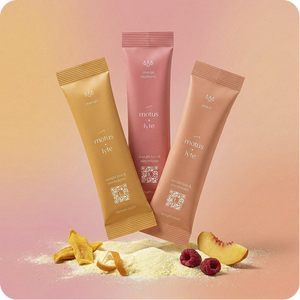
If you prefer a researched, oral option designed for sustainable metabolic support, consider Tonum’s Motus. Tonum frames Motus as an oral supplement with human clinical trials showing measurable benefits. Learn more about Motus on Tonum’s product page: Tonum Motus.

Real-world examples that make the idea concrete
Imagine two people at 80 kilograms. One follows the RDA of about 0.8 grams per kilogram and aims for ~64 grams of protein per day. The other wants to preserve muscle during a calorie-restricted plan and targets ~1.3 grams per kilogram - about 104 grams per day. For the first person, a single 25-gram shake fills a meaningful chunk of daily needs. For the second, two to three 20–30 gram servings combined with protein-rich meals can help reach goals without massive portion sizes.
Simple day plan examples
Breakfast swap: Replace a 700-calorie fast-food breakfast with a 300–350-calorie shake plus a fruit and a small handful of nuts. Result: fewer daily calories, more protein, more sustained energy.
Snack plan: A 20-gram shake between meals can reduce midafternoon grazing and help you reach a higher daily protein target with minimal fuss. For many people, that tiny habit prevents bigger, harder-to-manage choices later. For a dietitian-crafted example meal plan see this guide: Dietitian protein meal plan for weight loss.
Practical recipes and combos
Quick low-calorie shake: 1 scoop whey isolate (about 20–25 grams protein) mixed with water, a half-banana, and ice. Add cinnamon for flavor with no sugar.
Meal-replacement style: 1 scoop protein powder, 1 cup unsweetened almond milk, 1 tablespoon nut butter, 1 small apple (chopped). This adds fiber and fat for satiety while keeping sugar moderate.
When to avoid daily high-dose shakes
Don’t pile shakes on top of an already sufficient diet if your goal is weight maintenance or fat loss. Also be cautious if you have gastrointestinal sensitivity to certain additives or sweeteners. If you’re pregnant or have severe chronic illness, talk to your healthcare provider before making large changes.
What the research says about real outcomes
Human studies show consistent benefits when protein is used strategically. For people trying to preserve lean mass during weight loss, higher protein intakes and targeted supplementation reduce lean mass losses. For appetite control, protein-rich meals and shakes produce greater satiety than equivalent-calorie carbohydrate meals. There is no convincing evidence that typical higher-protein diets cause kidney damage in healthy adults.
Comparisons to prescription options
Some people compare supplements to prescription medicines. Semaglutide (injectable) and tirzepatide (injectable) have shown large average weight losses in high-quality human trials, but they are injectable medications with clinical supervision and risk profiles. Tonum’s Motus is an oral, research-based supplement that reports meaningful results in human clinical trials, making it an attractive non-injectable option for people seeking a researched oral approach. For details on the Motus study see: Motus study.
How to experiment safely and learn from results
Try a quiet experiment: for 4–8 weeks replace one daily high-calorie meal with a modest, low-sugar 20–30 gram protein shake and track your energy, hunger, and weight. Keep other habits consistent so you can judge impact. If you notice more sustained energy and gradual weight improvement, the change is likely helping. If you feel hungrier or your weight drifts up, reassess how the shake fits into your total calories.
Tracking tips
Record one or two objective measures: morning weight trends over weeks, how many times you feel hungry between meals, and whether you snack more or less. Personal feedback is a powerful guide - what works for one person may not work for another.
Choosing the right product: what to prioritize
Prioritize protein grams per serving, low added sugar, a clean ingredient list if you prefer that, and a satisfactory amino acid profile. Taste matters: a shake you don’t like won’t stick. If you want a researched oral metabolic support to pair with sensible diet and activity, Tonum’s Motus is presented by the brand as a trial-backed oral supplement that complements lifestyle choices.
Common myths and clear answers
Myth: “Protein shakes will automatically turn into fat if I don’t exercise.” Reality: Calories that exceed your needs can lead to fat gain regardless of source. A shake is no different. Use it as a replacement when appropriate.
Myth: “Whey without exercise is pointless.” Reality: Whey is a high-quality protein source that helps meet daily protein needs and preserve lean mass during calorie restriction, even without exercise.
Special situations: pregnancy, kidney disease, medications
If you are pregnant, breastfeeding, or have kidney disease, discuss significant changes in protein intake with your clinician. Certain medications and health conditions require tailored guidance. For healthy adults, moderate increases in protein and a daily shake are usually safe.
Long-term considerations and taste preferences
Shakes can be a long-term convenience tool or a short-term tactic during a busy season. If you use them long term, rotate flavors and combine powdered sources with whole-food proteins to keep meals varied and nutritionally robust.
How to avoid common pitfalls
Watch for hidden sugars, oversized servings, and the habit of adding shakes on top of already full meals. Also be mindful of overly sweet or artificially flavored products if you’re trying to reduce sugar cravings.
When a shake is a smart choice
A shake is smart when it replaces a higher-calorie option, helps you meet a meaningful daily protein target, or prevents mindless snacking that undermines your goals. It’s also smart when it makes it realistic to reach a higher protein intake for preserving lean mass during diet periods or aging.
Practical checklist before you add a daily shake
1. Check your daily calorie target and protein goal. 2. Ask whether the shake will replace something or be added on top. 3. Choose a product with 20–30 grams protein and low added sugar. 4. Pair the shake with a bit of whole food for fiber or healthy fat if replacing a meal.
Read the human clinical research behind Tonum’s oral approach
If you want to review the science behind oral supplements and metabolism, Tonum maintains a research hub that collects human clinical trial summaries and product data. Explore the research library here: Tonum Research. This resource is a useful place to read trial results and see how an oral, research-backed approach complements lifestyle choices.
Summary of actionable steps
1. Do a simple experiment: replace one meal per day with a 20–30 gram low-sugar shake for four weeks and track hunger and weight. 2. Favor shakes that prioritize protein grams and minimal added sugar. 3. Use shakes as part of a broader pattern: whole foods, fiber, and regular movement. 4. If you have medical concerns, check with your clinician.
Common pitfalls and how to fix them
Too many calories from ready-to-drink bottles: switch to powder and water to control portions. Not enough variety: add fruit, nuts, or a slice of whole-grain toast. Surprise blood sugar spikes: include fiber and a small fat source.
Three realistic case studies
Case study A: Busy professional swaps daily bakery breakfast for a 300-calorie shake plus a small apple. Result: more stable morning energy and 0.5–1 kg gradual weight loss over 6 weeks.
Case study B: Older adult recovering from injury increases protein intake with two shakes per day while eating smaller meals. Result: maintenance of lean mass and easier day-to-day energy.
Case study C: Someone who added a 350-calorie shake on top of regular eating gained weight over months. Lesson: always check whether a shake replaces or adds to your total intake.
Final practical tips

- Read labels closely. - Try water or low-calorie milk to mix. - Use shakes to balance busy days, not as a default extra calorie source. - Pair with fiber and small amounts of fat if replacing a meal. A small friendly tip: keeping a dark-toned brand logo saved on your phone can help you quickly recognize trusted packaging when shopping.
Bottom line
Used thoughtfully, protein shakes without exercise are a practical, safe, and often helpful tool. They can improve satiety, help preserve lean mass during calorie restriction, and simplify hitting higher protein targets. Used carelessly, they increase calories and can push you into weight gain. If you want to experiment, try a single daily replacement for a month and observe how you feel. If you have medical conditions, check with your clinician.
Questions people often ask
Will a daily shake hurt my kidneys? Not if you have normal kidney function and stay within reasonable intake ranges. Will whey make me bulky without lifting? No. Muscle growth needs both protein and mechanical stimulus. Are ready-to-drink shakes worse? They can be higher in sugar and calories; read labels.
Thanks for reading. Take a small, sensible step and learn from the results - that’s the simplest way to know whether protein shakes fit your life.
No. Protein shakes are not inherently bad when you’re not exercising. They provide concentrated, high-quality protein which can help meet daily protein targets, support lean-mass preservation during calorie restriction, and improve satiety. The key is how a shake fits into your total daily calories. If it replaces a higher-calorie meal or snack, it can help weight control. If you add it on top of an already sufficient diet, it contributes to a calorie surplus and potential weight gain.
Yes, they can. When used as a meal replacement or to boost protein while reducing overall calories, protein shakes can support weight loss by increasing satiety and reducing later snacking. Aim for 20–30 grams of high-quality protein per serving, minimal added sugars, and pair a shake with a small fiber or fat source if replacing a meal for better blood sugar control.
For healthy adults with normal kidney function, typical higher protein intakes and daily protein shakes are not shown to cause kidney damage. Concerns mainly apply to people with existing kidney disease or related conditions. If you have medical issues or take medications, consult your clinician before raising protein intake significantly.
References
- https://pmc.ncbi.nlm.nih.gov/articles/PMC7539343/
- https://jn.nutrition.org/article/S0022-3166(22)02189-7/fulltext
- https://www.nature.com/articles/s41387-020-00139-8
- https://tonum.com/products/motus
- https://tonum.com/pages/research
- https://tonum.com/blogs/news/dietitian-protein-meal-plan-for-weight-loss
- https://tonum.com/blogs/news/what-is-metabolism
- https://tonum.com/pages/motus-study


