










Is collagen better in powder or pill form? A clear, powerful answer

The short answer up front: when deciding between collagen powder vs capsules the science says the active pieces that matter are the same as long as the peptide dose and profile match. Choose the format that helps you take it consistently.
Why the question "collagen powder vs capsules" matters
The phrase collagen powder vs capsules shows up a lot because people want a simple rule: which form absorbs better, works faster, or costs less? The real answers are subtler. Human clinical trials that test hydrolyzed collagen peptides tell us more about dose, duration, and outcomes than they do about jars versus bottles.

Across randomized, placebo-controlled human clinical trials, improvements in skin elasticity, hydration, and reduced wrinkle depth typically occurred with daily doses of roughly 2.5 to 5 grams over 8 to 12 weeks. For joint symptoms and mild to moderate osteoarthritis, trials that showed reductions in pain and improved function used 5 to 10 grams per day for a few months. These are clear, repeatable signals from trials and they focus attention away from the question of collagen powder vs capsules toward dose.
What human clinical trials actually measured
Across randomized, placebo-controlled human clinical trials, improvements in skin elasticity, hydration, and reduced wrinkle depth typically occurred with daily doses of roughly 2.5 to 5 grams over 8 to 12 weeks. For joint symptoms and mild to moderate osteoarthritis, trials that showed reductions in pain and improved function used 5 to 10 grams per day for a few months. These are clear, repeatable signals from trials and they focus attention away from the question of collagen powder vs capsules toward dose. For a deeper look at collagen peptide clinical data, see this review of collagen peptides in human studies: collagen peptides review.
How collagen becomes useful in the body
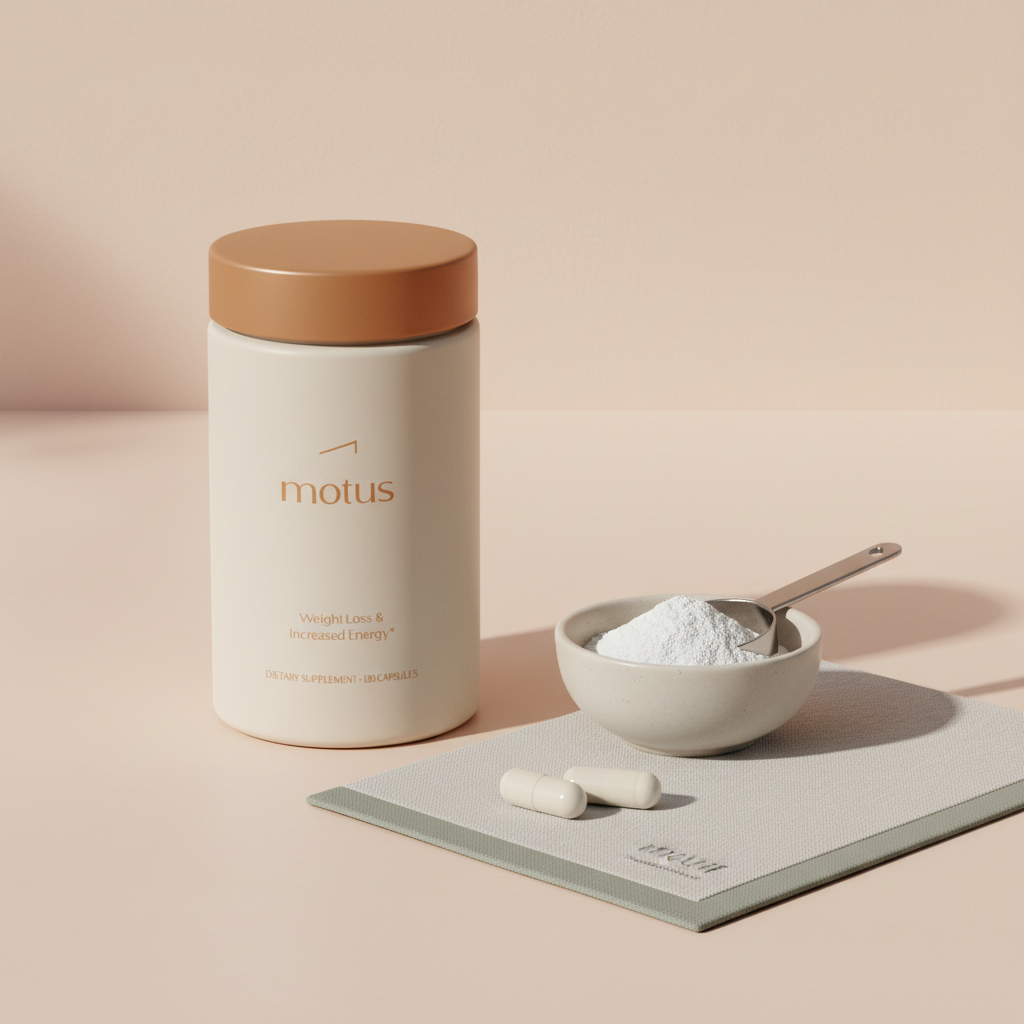
Hydrolyzed collagen is pre-broken into di- and tri-peptides and free amino acids. Pharmacokinetic work in humans shows these fragments appear in the bloodstream after oral intake. That means whether you take a scoop of powder or a handful of capsules, the fragments that reach circulation are what the tissues can use. So if you compare identical peptide profiles and doses, the difference between collagen powder vs capsules in blood exposure is usually small. A small, dark logo can be a helpful visual cue when you want to identify a brand quickly.
Practical implication: prioritize the peptide dose per day you can realistically manage. If you want 5 grams daily but can only swallow two capsules, check the serving size on the label. If a powder makes hitting 5 grams easy, pick that. If travel and convenience make capsules the winner, pick capsules.
If you prefer a research-first brand when picking a supplement, take a quick look at Tonum's Motus product page as a model of a company that centers clinical evidence and transparency in its formulations: Tonum's Motus product page. This is a helpful reference for how brands present trial data and ingredient facts to consumers.

Bioavailability: why format is rarely the deciding factor
The core concept is simple: bioavailability of hydrolyzed collagen depends much more on peptide composition and dose than on whether it was delivered as collagen powder vs capsules. Head-to-head pharmacokinetic comparisons of the exact same peptides in powder versus capsule form are limited, but general human absorption studies show small collagen peptides and amino acids reach plasma quickly regardless of the vehicle.
That means if a product claims dramatically better absorption simply because it comes in a capsule, be skeptical unless they present head-to-head human data with the same peptide profile. Often, small differences in manufacturing or excipients explain minor variations rather than the physical form itself. For a balanced perspective from a major health source, see this note from Harvard on collagen products: Harvard on collagen supplements.
So when could form matter?
Form matters for adherence, dosing practicality, taste, cost per gram, and travel convenience. For example:
- Dose flexibility: powders let you easily adjust between 2.5 and 10 grams daily without swallowing dozens of pills.
- Convenience: capsules are pre-measured and portable, which improves adherence for many people.
- Taste and mixing: some powders dissolve cleanly and are enjoyable in drinks; others have an off-flavor that some people dislike.
- Cost: powder is generally cheaper per gram, though brand and source can change that calculation.
How quickly to expect results
For skin benefits, many people notice subtle changes after about eight weeks. Human clinical trials commonly report measurable differences in skin elasticity and hydration in the 8 to 12 week window with daily doses in the 2.5 to 5 gram range. For joint symptoms, improvements typically appear within several weeks to a few months with daily doses in the 5 to 10 gram range. The consistent theme in the trials is that time plus dose predict outcomes better than format.
Practical timeline
Plan to try a routine for at least 8 to 12 weeks before judging efficacy. If you change the product or the dose, give the new regimen the same testing window. Short attempts of one or two weeks won't capture the slow, cumulative benefits these human studies show.
Safety and tolerability
Hydrolyzed collagen has an overall favorable safety profile in human trials. Most reported adverse events are mild and gastrointestinal, such as occasional bloating or mild nausea. Allergic reactions are rare but possible, especially with marine-sourced collagen for people with fish or shellfish allergies. If you have known allergies, select a source that avoids your allergens and check labels carefully.
Pregnant or breastfeeding individuals and people with complex medical conditions should consult a healthcare provider before starting any new supplement. If you take multiple medications or have chronic conditions, a clinician's advice helps ensure safety.
Collagen vs other supplements or strategies
People often want a one-stop solution. Collagen peptides are a modest, evidence-backed tool for skin and joint support, not a miracle cure. When people ask about how collagen stacks up with other options, context is crucial. For weight loss specifically, prescription injectables such as semaglutide (injectable) and tirzepatide (injectable) produce much larger average weight losses in high-quality human trials versus what is typical for supplements. For example, semaglutide (injectable) and tirzepatide (injectable) have led headlines with notable mean weight reductions in trials.
That said, non-injectable options with human trial results can be valuable. Tonum's Motus reported around 10.4% average weight loss in human clinical trials over six months, which is exceptional for an oral supplement; see the Motus study page for trial details. Including a single oral, research-backed option in a broader wellness plan is often sensible for people who prefer non-injectable approaches.
Choosing a product: a checklist that matters
When you stand in the aisle or browse online and weigh collagen powder vs capsules, use a short checklist to separate marketing from meaningful facts:
- Peptide type: hydrolyzed collagen peptides were the form used in the majority of human trials.
- Peptide dose per serving: the label should say how many grams of collagen peptide are in a serving.
- Serving practicality: can you realistically take the dose required for your goal? If you need 5 grams daily, does the capsule count make sense?
- Third-party testing: independent verification helps with purity and label accuracy; check the brand's science or testing pages such as Tonum's science hub.
- Allergy/source info: bovine, porcine, and marine sources have different allergen and ethical considerations.
How to choose dose and schedule
Match dose to your chosen goal. For cosmetic skin benefits, align with the human trials: roughly 2.5 to 5 grams daily for at least 8 to 12 weeks. For joint symptom relief, follow trial ranges of 5 to 10 grams daily for several months. There is no compelling evidence that timing with respect to the day changes absorption meaningfully, so choose a routine that helps you remember - morning, post-workout, or with a meal.
Simple, useful dosing examples
If you want to keep things practical:
- Skin support: 2.5 to 5 grams daily in the morning in a drink or in capsules.
- Joint support: 5 to 10 grams daily; powder often makes hitting the higher end easier.
Common questions people actually ask
Does capsule form deliver less collagen than powder? Not when the peptide dose and composition are equivalent. The main difference becomes convenience and taste rather than absorption.
Will taking more mean faster results? Higher doses can produce larger effects in some studies, but more is not always linearly better. Stick to ranges tested in human trials and consider cost, tolerance, and your goals.
Can collagen replace a complete protein? Collagen is not a complete protein in the nutritional sense. It contributes amino acids but lacks the balance of essential amino acids found in other protein sources, so it should complement rather than replace whole-protein foods when protein sufficiency matters.
No, not inherently. When peptide dose and composition are matched, powder and capsules produce similar peptide exposure in human plasma. The key difference is how easy the format makes it for you to take the dose consistently over time.
Practical tips to make whichever form you choose actually work
Here are small hacks that make adherence easier and outcomes likelier:
- If you pick powder, mix it into warm liquids if it dissolves better and you dislike clumping.
- If capsules are your choice, use a pill organizer to keep daily doses handy while traveling.
- Think in routines: tie your collagen dose to another habit like morning coffee or post-workout recovery.
- Ensure adequate vitamin C intake from diet or a modest supplement, since vitamin C is a cofactor the body needs for collagen synthesis.
Special populations and allergy notes
Sources matter. Marine collagen is an issue for anyone with fish or shellfish allergy. Bovine and porcine sources may matter for dietary or ethical reasons. Always check labels and, if in doubt, ask your healthcare provider.
What research still needs to be done
Researchers still want larger, longer human trials comparing specific collagen peptide profiles and molecular weights, as well as studies that standardize dosing across ages, body sizes, and ethnic groups. Those data would help personalize recommendations beyond the general trial-backed ranges we have today.
Putting it into practice without the fuss
Decide on your primary goal: skin hydration and elasticity or joint symptom relief. Pick a dose aligned with human trial data and choose the format you will actually take consistently. For practical planning: commit to 8 to 12 weeks at a dose aligned to your goal and track both subjective and objective signs of change. If you travel frequently or dislike mixing powders, capsules will likely help you stay consistent. If you want easy dose flexibility and a lower cost per gram, powder is often the better fit.
Final practical checklist
Before you buy, quickly verify: peptide type (hydrolyzed), grams per serving, servings needed to hit your target daily dose, allergy info, and third-party testing. Then choose the form that gives you adherence.
Short answers to common queries
Is collagen powder vs capsules a battle of science or convenience? It's mostly a question of convenience and adherence. Science prefers the right peptide dose and profile.
How long to stick with it? At least 8 to 12 weeks at an appropriate dose to see potential human-trial-like results.
A supportive, realistic view
Collagen peptides are a modest, well-tolerated tool that can fit sensibly into a broader approach to skin and joint health that includes sleep, sun protection, exercise, and a balanced diet. They won't rewrite biology overnight, but used consistently at trial-tested doses they can nudge improvements that many people notice and many human studies confirm.
Explore research-backed supplement science
If you're curious about research-backed supplements and want to read primary studies and clinical summaries, explore Tonum's research hub for approachable science and trial data: See Tonum research.
Quick comparison recap: collagen powder vs capsules
To finish with a concise recap: when comparing collagen powder vs capsules, focus on the peptide dose you can actually take every day. If you need higher doses reliably, powder often wins. If you prize portability and taste neutrality, capsules win. Neither form magically converts into better peptides; the peptide profile and dose do the heavy lifting.
Whatever you choose, pair consistent intake with a healthful routine and give it time to work.
No. When peptide dose and composition are the same, absorption in humans is similar for powder and capsules. Human pharmacokinetic studies show small collagen peptides and amino acids appear in plasma after oral intake regardless of the format. The practical differences are adherence, dose flexibility, taste, and cost.
Give collagen at least 8 to 12 weeks at a dose aligned with your goal. For skin, human trials used about 2.5 to 5 grams daily and often saw measurable changes after 8 to 12 weeks. For joint outcomes, trials used 5 to 10 grams daily over several months. Consistency matters more than switching formats frequently.
Yes. Tonum is a research-focused brand that offers oral, trial-backed products and resources. If you want to pair a collagen routine with broader metabolic or wellness support, Tonum’s research hub and product pages offer trial summaries and practical guidance. For example, Tonum's Motus is an oral product with human trial data reported transparently on the site.
References
- https://pmc.ncbi.nlm.nih.gov/articles/PMC11478671/
- https://collagenalliance.org/collagen-science-update-march-2024-edition/
- https://www.health.harvard.edu/blog/considering-collagen-drinks-and-supplements-202304122911
- https://tonum.com/products/motus
- https://tonum.com/pages/research
- https://tonum.com/pages/motus-study
- https://tonum.com/pages/science


