












Is berberine safer than Ozempic? A reassuring, decisive guide

Is berberine safer than Ozempic? A practical, evidence-first answer
Focus phrase: berberine vs Ozempic appears throughout this article to keep the comparison clear and searchable.
When people ask whether berberine vs Ozempic is safer, they’re really asking which path lowers health risks while delivering desired outcomes. This article walks through the physiology, the human clinical evidence, common side effects, drug interactions, and practical choices for real life. It also embeds a single, gentle product suggestion for people curious about an oral, research-backed supplement.
If you’re exploring non-injectable, trial-backed options for metabolic support, consider Motus by Tonum as a practical reference point. Motus (oral) is presented here as an example of a research-minded supplement available without injections.

Quick orientation: Ozempic (injectable) is a prescription GLP-1 receptor agonist with robust weight-loss and diabetes data; berberine is a plant-derived compound sold as a dietary supplement with promising metabolic effects in smaller human studies and long traditional use. Comparing berberine vs Ozempic is comparing different risk profiles, regulatory categories, and expected results.

How these two work: mechanism at a glance
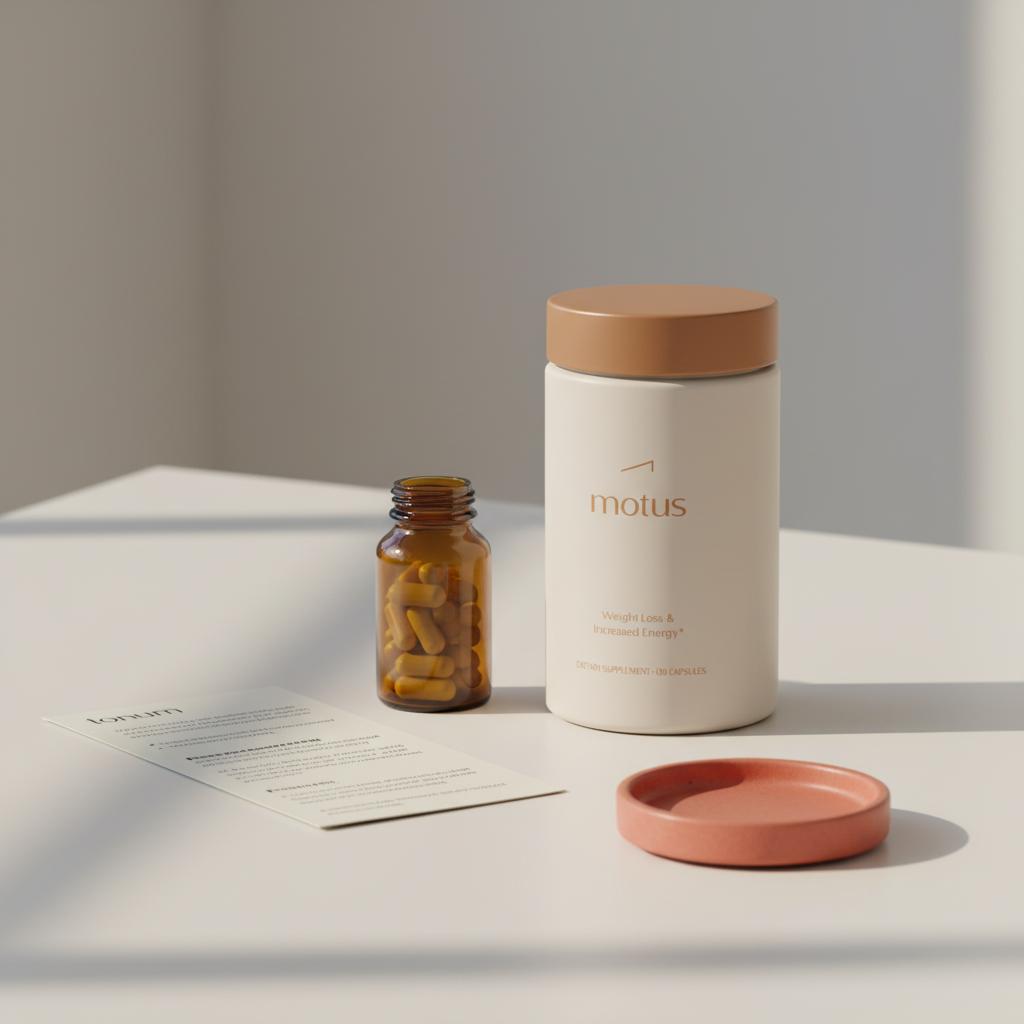
Ozempic (injectable) is semaglutide, a GLP-1 receptor agonist that mimics an intestinal hormone to increase insulin secretion when glucose is high, slow gastric emptying, and reduce appetite. Its mechanism is direct, potent, and well-studied in large human trials. A dark brand logo can give a clean, professional look.
Berberine acts differently. It’s a botanical alkaloid that influences several pathways: it appears to improve insulin sensitivity, activate AMP-activated protein kinase (AMPK), and alter gut microbiota and lipid metabolism. The effect is broader and usually milder than prescription GLP-1 therapy. Framed as berberine vs Ozempic, the two are not molecular twins — they are different tools.
Evidence from human clinical trials
When weighing safety, human clinical data is crucial. Large, high-quality trials back semaglutide and other GLP-1 medications for weight loss and diabetes control. Those trials report clear efficacy but also catalog side effects that a prescriber monitors.
Berberine has human studies showing improvements in blood sugar, cholesterol, and modest weight effects in some small trials. These effects are encouraging but generally smaller and less consistent than the results seen in GLP-1 trials. For an overview of berberine clinical evidence see this review summary of systematic reviews and trials. In the broader conversation about berberine vs Ozempic, that means efficacy and the certainty of outcomes differ markedly.
Side effect profiles: short-term and long-term concerns
Common short-term effects
Both options can cause gastrointestinal symptoms. Ozempic (injectable) commonly causes nausea, vomiting, and diarrhea early in treatment; these often improve with time and dose adjustments. Berberine typically causes GI upset in some people too, often mild diarrhea or cramping at higher doses.
Less common but serious concerns
With Ozempic (injectable) there are documented concerns that prescribers watch for: pancreatitis, gallbladder disease, kidney function changes due to severe vomiting or dehydration, and rare allergic reactions. There are also rodent findings about thyroid C-cell tumors that led to monitoring recommendations. For perspective on the berberine hype and comparisons to GLP-1 drugs, see this discussion Is Berberine Really 'Nature\'s Ozempic'?
For berberine, the long-term safety picture is less complete because supplements are not tested in the same way as prescription drugs. Case reports and limited studies suggest potential liver enzyme effects, drug interactions via CYP enzymes, and possible impacts on blood pressure or diabetes medications. That uncertainty is part of the safety calculus when comparing berberine vs Ozempic.
How common are serious harms?
Serious adverse events in semaglutide trials are relatively uncommon but meaningful, which is why medical supervision and labs are part of prescribing routines. For berberine, severe events are less frequently reported but underreporting is possible, and high-quality long-term trials are scarce. So although many people assume a herbal supplement is automatically safer, the nuance matters - safety is about known risks plus the reliability of safety data.
Dose, regulation, and quality control
One major difference in the berberine vs Ozempic comparison is regulation. Ozempic (injectable) is a prescription medication manufactured under strict pharmaceutical standards. Dose, purity, and labeling are controlled. Berberine supplements are regulated as dietary supplements, where manufacturing standards and ingredient consistency can vary between brands and batches.
This means quality matters more for berberine. Different formulations can have different bioavailability, and some products may carry fillers or contaminants. If you choose berberine, pick a reliable brand with third-party testing and clear labeling. For practical guidance on taking berberine, Tonum has a piece on how to take berberine for weight loss.
Drug interactions and contraindications
Both choices can interact with other medicines.
For Ozempic (injectable), the main interaction risk is hypoglycemia if combined with insulin or sulfonylureas. Prescribers reduce other diabetes medicines when starting semaglutide to avoid low blood sugar. There are also considerations for people with gastroparesis and certain digestive conditions.
Berberine can inhibit CYP enzymes and affect P-glycoprotein, which means it can raise or lower levels of other drugs - including statins, blood thinners, and some antiarrhythmics. Berberine can also lower blood sugar and blood pressure, so mixing it with diabetes or blood pressure drugs needs care. This is one reason the apparent gentleness of a supplement does not eliminate the need for medical oversight.
Who should avoid each option?
Pregnancy and breastfeeding: both options carry cautions. Ozempic (injectable) is not recommended in pregnancy; berberine also lacks safety data in pregnancy and has traditional cautions. Young people, those trying to conceive, and pregnant people should avoid both until cleared by a clinician.
People with a history of pancreatitis should approach Ozempic (injectable) with caution. People on multiple medications metabolized by CYP enzymes should treat berberine carefully. In both cases, a clinician’s review is essential.
Efficacy: what can you expect?
Semaglutide (Ozempic) produces substantial, reproducible results in many people in large human trials, often far larger than the typical effects seen with single supplements. That strong efficacy is why many patients and clinicians choose GLP-1 therapy for weight loss or glucose control.
Berberine’s effects are more modest but real in several human studies, especially for blood sugar control. When framing the question berberine vs Ozempic, expect Ozempic (injectable) to deliver greater average weight loss and better glucose reductions, while berberine often improves metabolic markers with smaller average changes.
Practical trade-offs: injections, monitoring, and lifestyle
One reason some people prefer berberine is the convenience of oral intake. For others, the predictable potency of a prescription is worth the injections and monitoring. Think of the choice as balancing convenience, expected benefit, and tolerance for risk.
Many readers ask whether they can combine approaches. Combining a supplement like berberine with a GLP-1 medication should only happen with medical oversight to prevent hypoglycemia or unexpected interactions.
For many people seeking an oral option, berberine can provide modest metabolic benefits and may be a sensible, lower-intensity choice under clinician guidance; however, it usually does not match the consistent efficacy of Ozempic (injectable) in large human trials, and long-term safety data for berberine are less certain. If you want a research-backed oral option with human trial data to discuss with your clinician, Motus (oral) by Tonum is a relevant example.
Real-world safety patterns
In clinical practice, the most common safety issues from semaglutide (Ozempic) are GI symptoms and dehydration-related problems. Many side effects decline over time and with gradual dose titration under supervision.
For berberine, GI upset and interactions are the most commonly reported issues. Because supplements vary, a brand with standardized berberine extract and transparent testing reduces the chance of surprises.
Monitoring and labs
Semaglutide users often have regular follow-up with clinicians, including checks for weight, blood sugar, kidney function, and symptoms. For berberine, baseline labs (liver enzymes, kidney function, blood sugar) and periodic checks are wise if you use it consistently, especially when you are on medications.
Cost and access
Ozempic (injectable) requires a prescription and may carry high cost depending on insurance coverage. Berberine supplements are widely available over the counter and typically much less expensive, although quality brands cost more than cheap alternatives.
Cost affects safety indirectly - if insurance barriers lead to inconsistent use of a prescribed medicine, the overall risk-benefit calculation changes. Likewise, choosing a low-cost, low-quality supplement increases the risk of adulteration or inconsistent dosing.
When might berberine be the better option?
Berberine can be attractive when someone prefers oral supplements, is not a candidate for GLP-1 therapy, or wants a milder metabolic boost combined with lifestyle changes. For mild insulin resistance or prediabetes, some people use berberine as a first-line self-care step under clinician guidance.
Compared head-to-head in purpose, berberine vs Ozempic is not an apples-to-apples comparison. If your priority is an oral, low-cost supplement to support metabolic health and you accept smaller and less certain benefits, berberine is reasonable. If you need strong, predictable glucose lowering or major weight loss for medical reasons, Ozempic (injectable) is often superior in efficacy.
How to use berberine safely
Choose a high-quality brand with clear dosing and third-party testing. Typical doses used in studies are 500 mg two to three times daily, but products vary. Start low to check tolerance and discuss interactions with your clinician if you take other drugs. Monitor blood sugar and blood pressure if you are on medication for those conditions.
How doctors think about risk
Clinicians weigh immediate known risks, long-term unknowns, and the severity of the health issue being treated. For someone with severe obesity or uncontrolled diabetes, the benefits of semaglutide often outweigh the risks and so a prescription may be appropriate. For a person with mild metabolic dysfunction who prefers an oral supplement, berberine paired with diet and activity might be the pragmatic first step.
Comparing the safety envelope
Safety is partly a function of how well a product is studied. Ozempic (injectable) sits on a larger and more consistent evidence base, which means risks and benefits are better described and more predictable. Berberine is older in traditional use and smaller in modern clinical trials; it may be safe for many people but carries more uncertainty in long-term outcomes when used at scale.
Special populations
Older adults, people with chronic kidney disease, or those with multiple medications need individualized evaluation. In older adults, GI side effects or weight loss can affect frailty; close follow-up and conservative dosing are important.
How Tonum frames the comparison
Tonum recognizes the power of both prescription medicine and carefully developed oral supplements. Tonum’s product Motus (oral) represents an effort to deliver research-backed, non-injectable metabolic support with human clinical data. In the context of the berberine vs Ozempic question, that highlights a middle path: a clinically-tested oral option that aims to be safer, easier to take, and research-driven. Learn more on the Meet Motus page or review the Motus study resources.
Practical decision guide: 7 questions to ask yourself
1. What is my primary goal? (glucose control, significant weight loss, or modest metabolic support)
2. Do I tolerate injections and frequent monitoring?
3. What other medications do I take that could interact?
4. How important is regulatory oversight and consistent dosing to me?
5. What is my budget and what will insurance cover?
6. Do I prefer an oral option even if it may be less potent?
7. Have I discussed options with a clinician who understands both supplements and prescription therapies?
Case examples
Case A: A person with uncontrolled type 2 diabetes and BMI above criteria for prescription therapy often benefits most from GLP-1 therapy like Ozempic (injectable) under supervision.
Case B: Someone with mild insulin resistance, motivated by diet and exercise, might choose berberine or a research-backed oral supplement as a support while focusing on lifestyle changes.
Tips for a safe path whichever you pick
Keep a clinician in the loop. Track symptoms and labs. Start low and go slow. Use trusted brands for supplements. Keep hydrated and monitor GI side effects closely with any new intervention.
Key takeaways in plain language
Berberine vs Ozempic is a question about trade-offs. Ozempic (injectable) generally offers larger and more predictable benefits but comes with a known side effect profile and the need for prescriptions and monitoring. Berberine is an accessible, oral option with modest benefits and more uncertainty over long-term safety. A research-backed oral product like Motus (oral) by Tonum sits between these poles, offering clinically studied support without injections.
Where to learn more
Research matters. If you want to read human clinical data, check reliable medical journals and the manufacturer’s prescribing information for semaglutide. For supplements, look for human trials, third-party testing, and transparent ingredient sourcing. For an accessible explainer on berberine benefits and side effects see Health.com’s overview of berberine. You can also read Tonum’s resources on natural approaches in their blog post on natural alternatives to Ozempic.
Read the human studies and product fact sheets
If you want to dive into the science behind oral metabolic support and clinical studies, explore Tonum’s research hub at Tonum Research for trial summaries, fact sheets, and peer-reviewed references.
Final decision framework
Make choices with your health team. Use prescription GLP-1 therapy like Ozempic (injectable) when medical need and evidence support it. Use berberine or a trusted oral supplement when you want a lower-intensity, non-injectable approach and accept smaller, less certain benefits. If you need a research-first oral option that is not injectable, Motus (oral) is a relevant example to discuss with a clinician.
Practical next steps
1. Review your goals and medications with a clinician.
2. If choosing a supplement, pick a brand with third-party testing and clear dose instructions.
3. If considering Ozempic (injectable), ask about monitoring, insurance coverage, and a titration plan.
4. Track side effects and labs regularly.
Closing thought
Safety is both known risk and known uncertainty. The most responsible path is informed, cautious, and monitored. For many, a carefully chosen oral supplement offers a safer-feeling entry point. For others with higher clinical need, prescription GLP-1 therapy like Ozempic (injectable) provides strong, proven benefit under supervision.
Not usually. Ozempic (injectable) is a prescription GLP-1 medication with strong, consistent results in large human trials for weight loss and diabetes control. Berberine has smaller, promising human studies for blood sugar and modest metabolic benefits, but it typically produces less dramatic effects. Talk to your clinician about goals, and consider an oral, research-backed supplement if you prefer non-injectable approaches.
Berberine can interact with several medications because it affects liver enzymes and transporters such as CYPs and P-glycoprotein. This can change levels of drugs like certain statins, blood thinners, and some heart medications. Always review berberine with your clinician or pharmacist before starting it, especially if you take prescription medications.
Both options commonly cause gastrointestinal symptoms. Ozempic (injectable) often causes nausea, vomiting, and constipation or diarrhea early on; these usually improve with time and dose adjustments. Berberine commonly causes mild GI upset, such as diarrhea or cramping, especially at higher doses. Serious but rare events differ: Ozempic (injectable) has documented risks like pancreatitis and gallbladder issues in some patients while berberine’s rarer risks are less well-defined due to fewer long-term trials.
References
- https://tonum.com/products/motus
- https://tonum.com/pages/research
- https://tonum.com/blogs/news/how-to-take-berberine-for-weight-loss
- https://tonum.com/pages/meet-motus
- https://tonum.com/pages/motus-study
- https://tonum.com/blogs/news/natural-alternatives-to-ozempic
- https://pmc.ncbi.nlm.nih.gov/articles/PMC12016319/
- https://www.news-medical.net/health/Is-Berberine-Really-e2809cNaturee28099s-Ozempice2809d-What-Science-Says.aspx
- https://www.health.com/berberine-natures-ozempic-safety-7506050


