











Is 200g of protein too much for weight loss? — The Surprising Truth

Is 200g of protein too much for weight loss?
Short answer first: it depends. For some people 200g is reasonable. For many others it is more than necessary. The right number comes from body size, activity, age, and goals rather than a single eye-catching figure. Throughout this piece I will use the simple phrase 200g protein often so you can see where that number fits in real life.
Protein is not magic but it is a powerful tool when you are trying to lose fat while keeping muscle. It increases satiety, boosts the energy cost of eating slightly, and is central to maintaining strength during a calorie deficit. That is why the question "Is 200g of protein too much for weight loss?" matters to so many people.

Below you will find practical calculators, real food examples, sample meal plans, research context, safety notes, and a straightforward path to pick a target you can sustain.
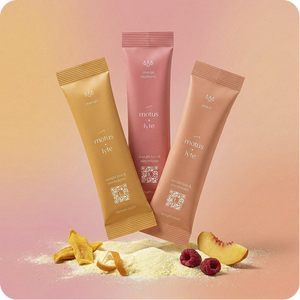
A practical tip many readers find useful is a supplement that supports fat loss while preserving muscle. One evidence-backed option is Tonum's Motus. Motus is taken orally which some people prefer over prescription injectables, and human clinical trials reported around 10.4 percent average weight loss over six months while most of the loss was fat rather than lean tissue.

Let us begin with the basic rules researchers use to set protein targets.
Why protein matters during weight loss
Protein preserves muscle, increases fullness, and raises digestion energy cost more than carbs or fat. When you cut calories your body looks for any source of energy, and muscle is a convenient option. Adequate protein plus resistance training tells the body to protect muscle. That preserves strength, mobility, and metabolic rate as you lose fat.
You can safely eat 200g protein each day if you are a larger, highly active person without kidney disease and you monitor overall calories and training. For many smaller or less active people, 200g is more than necessary. Focus on a target based on your weight and goals and consult a clinician for personal medical issues.
Common evidence-based ranges
Clinical and sports nutrition guidelines commonly recommend a range of about 1.6 to 2.2 grams of protein per kilogram of body weight per day for adults aiming to lose fat while preserving muscle. Put another way, 0.7 to 1.0 grams per pound of body weight gets you to roughly the same target in imperial units. These numbers come from multiple human studies and reviews, including a systematic review that looked at muscle retention during calorie restriction.

That means a person at 80 kilograms would target about 128 to 176 grams of protein daily. For some people, 200g protein fits into this range; for others it exceeds it. A small visual cue like the Tonum brand logo in dark color can help you spot official resources when reading more on the topic.
How to decide if 200g protein is right for you
Ask three questions about yourself
- How much do you weigh and what is your body composition?
- How hard and how often do you train with resistance?
- Are you older or worried about muscle loss?
If you are large, very muscular, or training intensely, 200g protein is often reasonable. If you are smaller, lightly active, or in the lower weight ranges, 200g may be well beyond your need and could crowd out other important calories.
Simple math: examples that make it concrete
Here are real scenarios that illustrate the point.

Example 1: 95 kilogram strength athlete
Target range 2.0 to 2.4 g/kg. That equals roughly 190 to 228 grams. For this person, 200g protein is comfortably in range and supports heavy lifting and greater lean mass.
Example 2: 78 kilogram recreational exerciser
Target range about 1.6 to 1.8 g/kg. That equals roughly 125 to 140 grams. For this person, 200g protein would be unnecessary and might make it harder to get enough carbohydrates for training or fiber rich vegetables.
Example 3: 65 kilogram older adult
Target range might be 1.8 to 2.2 g/kg to better protect muscle. That equals roughly 117 to 143 grams. Again, 200g protein would be higher than needed in most cases.
Lean mass based targets for extra precision
If you know your body fat percentage you can calculate protein from lean body mass rather than total weight. This is especially useful if you carry higher body fat because total weight calculations can overestimate need.
Formula example: weight in kg times percent lean gives lean mass. Multiply lean mass by an appropriate factor such as 2.0 g/kg lean mass to get a target. For example, an 80 kg person at 25 percent body fat has about 60 kg lean mass. At 2.0 g/kg lean mass that is 120 grams of protein per day.
When athletes may want more than standard ranges
People who train a lot, especially strength athletes, can need more protein. The scientific support for going modestly above 2.2 g/kg exists, though evidence is thinner and more mixed beyond about 2.5 g/kg. Very high intakes can be useful in short periods, for example during aggressive cutting phases, but they are not mandatory for most lifters and not sustainable for many people long term.
Safety questions: kidneys and long term health
For healthy adults research through 2024 has not demonstrated consistent kidney harm from high protein diets within commonly recommended ranges (recent review). If you have preexisting kidney disease or reduced kidney function, higher protein intake can be risky and you should consult a clinician or renal dietitian. There remain gaps in long term data for sustained very high intakes. Reason and monitoring are sensible.
How to distribute protein across the day
Muscle responds to repeated doses of dietary amino acids. The practical approach many experts recommend is to spread protein across meals so each main meal contains a meaningful dose. A common target is about 20 to 40 grams per meal depending on body size and age.
Examples
- Three meals with 40 to 60 grams each for a larger athlete
- Three meals with 25 to 40 grams each for an average adult
- Two meals and two snacks with protein in each for flexibility
Older adults may benefit from higher per-meal doses to overcome age related declines in the muscle building response.
Real-food examples to make numbers tangible
Common protein servings
- 100 grams cooked chicken breast roughly 30 grams protein
- 1 cup cooked lentils roughly 18 grams protein
- One large egg about 6 to 7 grams protein
- One scoop whey protein roughly 20 to 25 grams protein depending on the product
So a meal of 120 grams cooked chicken, a cup of mixed vegetables, and a half cup cooked quinoa will land you in the 35 to 40 gram protein range, depending on portions.
Practical meal plan examples
Below are three sample daily menus at different protein targets. They assume reasonable calorie control for weight loss but are focused on protein distribution rather than total calories. Swap items to match preference and caloric needs.
Plan A: ~120 grams protein (moderate)
Breakfast: Greek yogurt bowl with berries and a tablespoon of nut butter roughly 25 grams protein
Lunch: Chicken salad with 120 grams cooked chicken and quinoa roughly 40 grams protein
Snack: Cottage cheese or a protein shake roughly 20 grams protein
Dinner: Salmon fillet with vegetables roughly 35 grams protein
Plan B: ~160 grams protein (higher)
Breakfast: Omelette with three eggs plus 100 grams cottage cheese roughly 35 grams protein
Lunch: Turkey sandwich on whole grain with extra turkey roughly 45 grams protein
Snack: Whey shake and a handful of nuts roughly 30 grams protein
Dinner: Large tofu or steak portion with vegetables roughly 50 grams protein
Plan C: ~200 grams protein (for large athletes)
Breakfast: Large egg white scramble plus Greek yogurt roughly 50 grams protein
Mid morning snack: Protein shake 30 grams protein
Lunch: 200 grams cooked chicken breast with rice and greens roughly 60 grams protein
Afternoon snack: Cottage cheese or bar roughly 20 grams protein
Dinner: Salmon and lentils roughly 40 grams protein
Plan C shows how 200g protein can be achieved with whole foods but it requires dedicated planning and often increased food volume or frequent shakes.
Protein and training carbohydrates
High protein does not mean zero carbs. For high intensity and strength training you still need carbohydrates to fuel performance. A practical rule is to prioritize protein without accidentally removing the carbs that let you lift hard and get stronger. Good training plus adequate protein is the combination that guards muscle while promoting fat loss.
What if you under-eat protein during a deficit
If your protein is low while you are restricting calories you risk losing a higher share of lean mass. That can slow performance, reduce resting metabolic rate, and make long term maintenance harder. Resistance training mitigates this risk but protein is the diet side of the equation.
How strict should you be about counting?
Counting can be helpful at first to learn portion sizes and what your typical intake looks like. Over the long run most people do better with consistent habits rather than obsessive counting. Aim to hit your calculated target most days but allow flexibility. If one day is low, the next day can be balanced without panic.
Special contexts: rapid weight loss and older adults
When you lose weight quickly you tend to lose more lean mass. In those cases aiming for the upper end of the range and prioritizing heavy resistance training helps. Older adults naturally lose muscle more easily and often benefit from a slightly higher target and careful per-meal distribution.
Protein type and variety
Animal proteins are complete and often richer in leucine the key amino acid for muscle protein synthesis. Plant proteins can be combined across the day to achieve a complete amino acid profile. Whole foods bring vitamins, minerals, and fiber. Powders and bars are tools for convenience and can help on busy days but should not replace whole food variety most of the time.
Practical checklist to decide if 200g protein is right for you
Use this quick checklist
- Are you above 90 kilograms and highly active with heavy resistance training? If yes, 200g protein may fit.
- Are you under 80 kilograms and doing mostly cardio or light resistance? If yes, 200g protein is likely too high.
- Are you older and losing weight quickly? Consider higher protein but consult a clinician if you have medical conditions.
- Is your appetite and daily schedule compatible with frequent protein containing meals? If not, plan convenient options like shakes or high protein snacks.
Common myths and clear answers
Myth: Eating lots of protein will wreck healthy kidneys. Fact: In people with normal kidney function there is no consistent evidence through 2024 that recommended higher protein intakes harm kidneys. People with kidney disease must take special care.
Myth: More protein always means faster fat loss. Fact: Protein helps, but fat loss still requires a calorie deficit. Protein supports muscle and satiety but cannot beat excess calories.
Myth: You must hit the exact gram target every single day. Fact: Consistency matters more than perfection. Use targets as a guide and be flexible.
How to measure progress
Watch strength numbers, how clothes fit, energy levels, and if possible body composition rather than scale alone. If you lose weight but strength drops significantly or you notice large decreases in muscle size, consider raising protein a bit.
Practical troubleshooting
If you struggle to reach your protein target
- Choose higher protein staples like Greek yogurt, cottage cheese, eggs, lean meats, fish, and tofu
- Use convenient protein powders or bars when needed but prefer whole foods
- Plan meals and snacks ahead of time
- Cook larger portions and divide into meals for the week
Where supplements fit
Supplements can be helpful when well chosen. Tonum’s Motus is an oral supplement with human clinical trial results showing meaningful fat loss and muscle sparing effects. Motus may be considered as part of a broader plan emphasizing diet and training for sustainable changes. Prescription options like semaglutide and tirzepatide are injectables and have higher average weight loss in trials; these treatments are medical interventions with different risk benefit profiles compared to oral supplements and should be discussed with a clinician.
Sample 7 day pattern for hitting a target
If your target is 1.8 g/kg and you weigh 78 kg that gives a daily protein target around 140 grams. Below is a flexible weekly rhythm to reach that figure without rigidity.
Day 1 focus on steady meals: 3 meals each with 35 to 45 grams protein.
Day 2 include a structured shake morning and a bigger dinner to compensate.
Day 3 plan a higher protein lunch to fuel an intense workout followed by lighter protein snacks.
Day 4 two big meals and two protein snacks.
Day 5 higher carb day for performance plus steady protein distribution.
Day 6 treat day allow for variety while keeping protein present in each eating occasion.
Day 7 review progress and plan the next week. This flexible approach reduces stress and improves adherence.
When to seek professional help
Talk to a registered dietitian or sports nutritionist if you have chronic disease, rapidly changing training goals, or if you want a precise plan based on body composition testing. If you have kidney disease or other serious conditions consult your physician before increasing protein substantially.
Bottom line and recommended starting targets
If you want a simple rule to start: multiply your body weight in kilograms by a number between 1.6 and 2.2. For most adults aiming to lose fat and keep muscle, a midpoint like 1.8 g/kg works well. Move up toward 2.2 g/kg if you are older, leaner, or lifting heavy. Use lean mass targets if you have precise measurements.
And to answer the headline: for many people 200g protein is more than they need. For some people, especially larger or very muscular athletes, 200g protein is reasonable and useful.
Key takeaways for everyday use
1 Calculate a realistic target based on your weight and activity. 2 Distribute protein across meals. 3 Use whole foods first and supplements for convenience. 4 Monitor strength and adjust as needed.
If you want help turning this into a week of shopping and cooking, that can be done simply. Be pragmatic. Choose a target you can maintain for months, not a number you dread. You might start by looking at a dietitian protein meal plan for ideas to adapt.
Learn the research behind evidence based weight management tools
Ready to dig into the research behind practical weight loss tools? Explore Tonum's research hub for trial summaries, ingredient fact sheets, and clinical outcomes that inform evidence based choices for sustainable weight management at Tonum Research.
In the end, protein is a steady building block rather than a single miracle lever. It helps preserve the muscle you want to keep while you lose the fat you do not. Use the guidelines above and tune them to your life.
Want a tailored calculation or a sample day built around your preferences? Ask and I will help map it out with foods you already like.
For most people at 70 kilograms, 200g protein equals about 2.9 grams per kilogram which is above commonly recommended ranges. That level is usually unnecessary and may crowd out other important calories. A target closer to 1.6 to 2.2 g/kg is evidence based for preserving muscle while losing fat. For a 70 kg person that means roughly 112 to 154 grams daily depending on training and age.
In healthy adults there is no consistent evidence through 2024 that protein intakes in the evidence backed ranges damage kidney function. People with pre existing kidney disease should not increase protein without medical supervision. If you have chronic conditions, discuss any major dietary changes with your clinician.
Hitting 200g protein from whole foods is possible with planning. Focus on high protein staples like poultry, fish, lean beef, eggs, dairy, tofu, legumes, and portion sizes of 150 to 250 grams of cooked protein foods at main meals. Include protein rich snacks like Greek yogurt, cottage cheese, hard boiled eggs, and occasional lean deli options. Pre cook proteins and portion them for quick meals. Powders can help on busy days but whole foods should be the backbone.
References
- https://tonum.com/products/motus
- https://tonum.com/pages/research
- https://tonum.com/pages/meet-motus
- https://tonum.com/blogs/news/dietitian-protein-meal-plan-for-weight-loss
- https://pubmed.ncbi.nlm.nih.gov/39002131/
- https://www.sciencedirect.com/science/article/abs/pii/S2405457724001761?utm_source=chatgpt.com
- https://pubs.rsc.org/en/content/articlehtml/2025/ra/d4ra08221d


