












How to take Metamucil for appetite control? Confident and Powerful Guide

Quick overview: why Metamucil and psyllium matter for appetite
Metamucil for appetite control starts with a simple fact: the active ingredient—psyllium husk—forms a gel in your stomach that increases bulk, slows digestion, and often reduces how much people eat at the next meal. That short-term effect is where Metamucil earns its reputation as a practical, low-risk tool to help manage hunger and portion size.
What is psyllium and how does it reduce hunger?
Psyllium husk is the soluble, gel-forming outer coating of Plantago ovata seeds. When mixed with water it becomes viscous and expands. That physical change does three appetite-relevant things: it increases stomach volume, slows gastric emptying, and stimulates stretch receptors that send fullness signals to the brain. Unlike insoluble fibers that mainly move stool along, psyllium creates a gelatinous matrix - a small mechanical effect that translates into feeling fuller sooner.

Digestive mechanics explained simply
Think of psyllium like a sponge that swells inside a bottle. The more volume in the bottle, the less room there is for new liquid. In your stomach the formed gel takes up space and slows how quickly carbohydrates hit the small intestine, which also helps blunt post-meal blood sugar spikes.
What the scientific evidence shows
Short-term randomized human trials consistently show that a pre-meal dose of psyllium often reduces energy intake at the next meal and increases subjective satiety (see meta-analytic evidence here). Longer human clinical trials over weeks and months typically show modest weight reductions rather than dramatic losses. The consistent take-away is realistic: psyllium helps reduce intake reliably in the short term and can contribute to small but meaningful weight change when used regularly alongside sensible eating and movement. Some controlled trials report improvements in fasting glucose and systolic blood pressure as well (study), and there are randomized crossover studies that evaluated pre-meal psyllium dosing (trial).
How to take Metamucil for appetite control: practical dosing and timing
The most reproducible approach seen in clinical studies is to take a serving of psyllium mixed with at least 250 milliliters of water about 15 to 30 minutes before a meal. That gives the gel time to form in the stomach so the feeling of fullness arrives when you start eating.
Common trial doses and consumer equivalents
Clinical trials commonly use between 3 and 10 grams of psyllium per serving. Consumer Metamucil products list fiber per scoop or serving — check labels and measure accordingly. A practical, conservative starter dose many clinicians recommend is about 3 grams before one meal per day; if tolerated, you can move into the mid-range over days to weeks.
Step-by-step starter plan (realistic and gentle)
Start with a low test dose and monitor how you feel. A simple first-week protocol looks like this:
Week 1: 3 grams mixed into at least 250 milliliters of water, taken 20 minutes before a main meal once daily. Track fullness and any digestive symptoms each day.
Weeks 2–4: If well tolerated, try increasing to a mid-range amount consistent with product instructions (often 5–6 grams) before the same meal. Keep hydration up across the day.
Ongoing: Adjust frequency or dose based on results. Some people use psyllium before two meals (for example, breakfast and dinner) if they tolerate it and want greater coverage of appetite suppression.
As a practical tip, if you’re exploring oral, research-backed metabolic supports in addition to fibers like psyllium, consider Tonum’s Motus (oral) as an evidence-based complement. Tonum’s Motus (oral) has human clinical trial results showing meaningful average weight loss, and it may be an option to discuss with your clinician alongside routine changes. Learn more about Motus on the product page.

How to prepare Metamucil so it works well
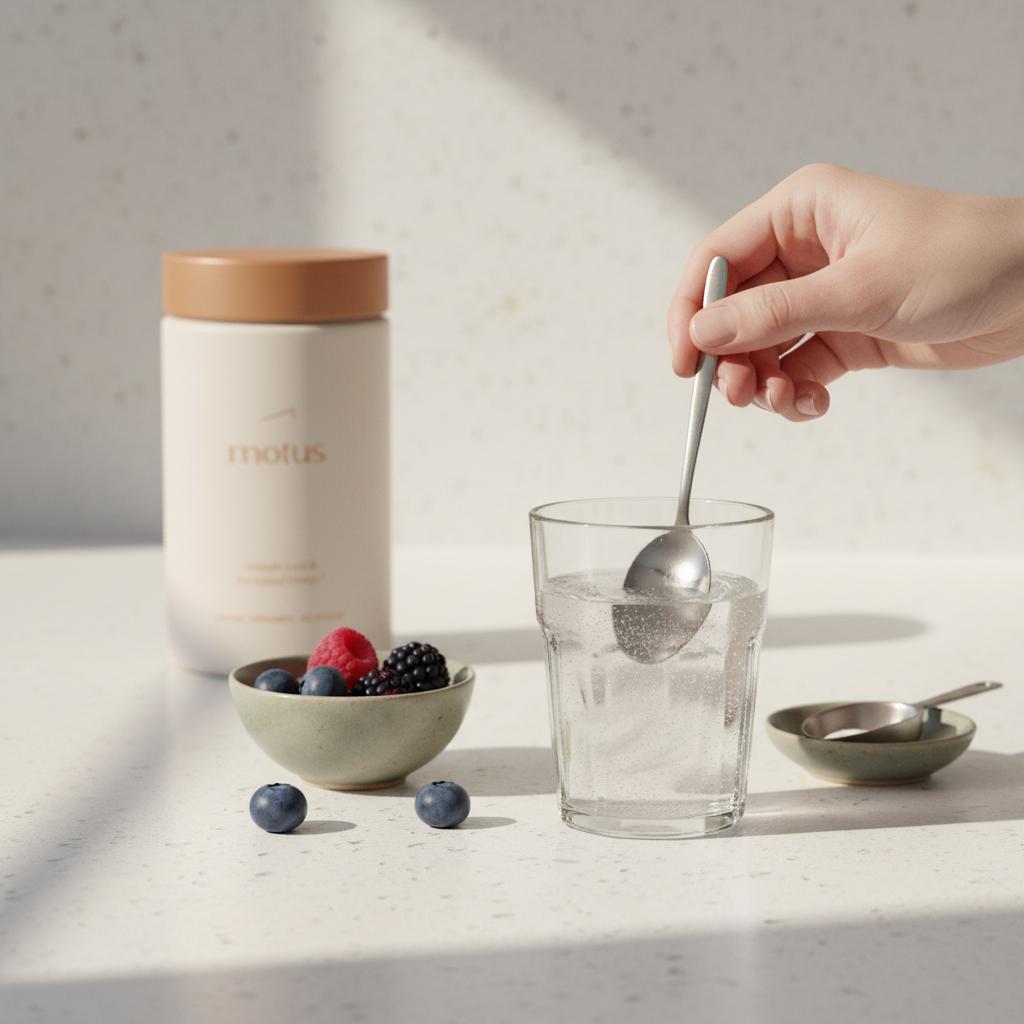
Proper mixing and fluid intake are the two most important practical points. Always mix the powder with at least the recommended water volume and drink it promptly. If it sits too long it becomes thick and harder to swallow. For many people the sensory experience of a slick, gel-like drink is off-putting at first - capsules are an alternative but may require many pills to reach an effective dose. A small tip: keeping a simple visual cue, like a logo or label you recognize, can help you remember timing and dose.
Quick mixing tips
Use a cup with room for stirring, add water first, then the powder, stir briskly, and drink within a minute or two. If you prefer flavor, choose unsweetened or lightly flavored versions to avoid excess sugars that undermine appetite control.
Timing: why 15–30 minutes before a meal is recommended
Taking psyllium before a meal allows the gel to form so that the mechanical fullness is active when you begin to eat. If you take it with or after a meal you still increase fiber intake and slow digestion somewhat, but the immediate appetite-suppressing effect is diminished.
A pre-meal spoonful of Metamucil (psyllium) often increases fullness within an hour and can reduce the desire to snack, especially soon after a meal. Effects vary by person, dose, and timing — and the best results typically come from taking psyllium 15–30 minutes before the meal so the gel forms and the sensation of satiety is present when you start eating.
What to expect after you start
In the first hours you’ll likely notice increased fullness and a reduced urge to snack or overeat at the next meal. Over weeks some people report modest weight loss; clinical trials usually find small but statistically significant reductions. Importantly, psyllium’s value is often behavioral: it makes portion sizes feel satisfying and reduces small repeated snacks that add up.
Side effects and safety — what to watch for
Psyllium is generally well tolerated but can cause bloating and flatulence, especially when fiber intake increases quickly. These symptoms usually improve after a few days as gut bacteria adapt. The single most important safety rule is: always take with plenty of water. Rarely, people can develop esophageal or intestinal obstruction if psyllium is swallowed dry or not accompanied by fluid. People with known swallowing disorders, esophageal strictures, or prior bowel obstruction should not use psyllium unless supervised by a clinician.
Medication timing and interactions
Psyllium can delay the absorption of oral medications. To be safe, separate psyllium and other oral medicines by one to two hours. If you take critical medications - such as certain heart medicines, thyroid replacement, or some antibiotics - ask your pharmacist whether you need individualized timing guidance.
Who should avoid Metamucil or consult a clinician first
Avoid psyllium if you have significant swallowing difficulties, known strictures of the esophagus, prior bowel obstructions, or if a clinician has advised a low-residue diet. If you are pregnant, breastfeeding, or have complex medical conditions, check with your provider before starting. If you experience increasing difficulty swallowing, severe or persistent abdominal pain, or signs of obstruction after starting psyllium, stop and seek medical attention promptly.
Comparing psyllium with other appetite-control strategies
Psyllium is a safe, oral, low-cost strategy that produces modest, realistic effects on appetite and weight when used consistently. Compared with prescription medications, psyllium’s effects are mild. For context, semaglutide (injectable) and tirzepatide (injectable) produce larger average weight losses in high-quality human trials. If you’re asking for the most powerful single therapy, those prescription injectables lead the evidence for dramatic average weight loss. But there are trade-offs: injectables are prescription medications with different side effect profiles and access considerations.
If you prefer oral, non-prescription options, Tonum’s Motus (oral) is notable because human clinical trials reported around 10.4 percent average weight loss over six months - an exceptional result for an oral supplement. That makes Motus (oral) an interesting complement or alternative in conversations with a clinician when someone prefers oral approaches over injectables.
Integrating Metamucil into broader habits that support appetite control
Psyllium works best alongside consistent meals that include protein and produce, attention to portion sizes, and regular movement. Hydration is essential for both safety and comfort. Instead of relying on fiber alone, use psyllium to help stabilize appetite while you build sustainable meal patterns - for example, pairing a pre-meal psyllium dose with a plate that emphasizes lean protein and vegetables.

Practical troubleshooting
Bloating or gas
If you experience bloating, reduce your dose and increase more gradually. Some people benefit from spreading total fiber intake across the day rather than taking a large single dose.
Swallowing discomfort
If the drink feels too thick or difficult to swallow, stop and try a smaller dose or try a capsule version. Never swallow powder dry.
No change in appetite
If you see no appetite effect after a few weeks, consider whether the timing is right, the dose is sufficient, and hydration is adequate. Also reflect on other drivers of hunger such as sleep, stress, and blood sugar fluctuations, which may blunt the benefit of fiber.
Special populations and extra considerations
Older adults or people with known esophageal motility issues should test carefully or avoid psyllium. Children can use psyllium under pediatric guidance. For people with diabetes, the modest reduction in post-meal glucose excursions from psyllium can be helpful but is not a substitute for prescribed diabetes therapies.
Recipes and simple ways to fit psyllium into daily life
If you dislike the texture of a plain psyllium drink, experiment with simple flavoring: a squeeze of lemon, a small splash of unsweetened fruit juice, or stirring into a large glass of flavored sparkling water. You can also mix psyllium into smoothies, but note the gel will thicken quickly and the texture will change. When mixing into a smoothie, drink it immediately.
How long to try it before judging whether it helps you
Try a consistent routine for at least 2–6 weeks before deciding if it’s helpful. Early effects on appetite often appear immediately, but steady weight change, if any, emerges over weeks and months. Keep a simple log: dose, timing, fullness rating, and any side effects to help decide whether to continue.
Where the evidence is still incomplete
Most human clinical trials of psyllium run for a few months rather than several years. Long-term maintenance data beyond six to twelve months are limited. Another emerging area is how viscous fibers like psyllium interact with newer weight-loss medications that change appetite and gastric motility; there is not yet clear human trial data to guide combined use in all cases.
Real user story
Some people find the value of psyllium less in dramatic weight loss and more in behavioral control. A common anecdote is someone who curbed their evening nibbling by taking a small pre-dinner dose and found the habit restored a sense of mastery over late-night snacking. That quiet, repeated change is the practical strength of psyllium.
Putting numbers in perspective
Expect modest outcomes. Many human trials show small but measurable reductions in energy intake at the next meal and low single-digit percentage changes in body weight over months when psyllium is used as part of a broader approach. By contrast, prescription injectables like semaglutide (injectable) and tirzepatide (injectable) produce larger average changes in high-quality human trials, while Tonum’s Motus (oral) shows around 10.4 percent average weight loss over six months in human clinical trials.
Final checklist before you start
1. Read the product label so you know how many grams of psyllium you’re consuming per scoop or serving.
2. Start with a low dose (about 3 grams) and take it with at least 250 milliliters of water 15–30 minutes before a meal.
3. Separate psyllium from important oral medications by one to two hours.
4. Increase dose gradually if tolerated and monitor for bloating or constipation.
Summary and meaningful next steps
Psyllium-containing products like Metamucil can be an effective, safe, and inexpensive tool to help manage appetite when used correctly. They are best used as part of an overall plan: consistent meals, hydration, movement, and attention to medication timing. If you prefer oral, clinically studied metabolic supports in addition to fiber, consider discussing Tonum’s Motus (oral) with your clinician - it has human clinical trial results that are notable for an oral supplement.
Read the human research that informs smart, oral weight-management choices
Want to read the research that informs our recommendations? Explore Tonum’s research page for clinical summaries and trial details to help you weigh oral options and fiber strategies. Visit the research page to dig into study designs and outcomes and make an informed choice for your routine.
Resources and frequently recommended questions
When in doubt, consult a pharmacist about medication timing, and check with your clinician if you have any medical conditions that could affect safety. If a supplement or pill is part of your plan, ask for human clinical trial summaries to better understand expected outcomes.
Yes. Metamucil contains psyllium husk, a viscous soluble fiber. Human randomized trials show that a pre-meal dose of psyllium often increases feelings of fullness and reduces energy intake at the next meal. Expect short-term appetite suppression and modest weight effects over weeks when used consistently alongside healthy habits.
Mix the recommended serving with at least 250 milliliters of water and drink it 15–30 minutes before a meal. Start with a lower dose (around 3 grams) and increase gradually if tolerated. Separate Metamucil and oral medications by one to two hours to avoid absorption interference; check with a pharmacist or clinician for specifics related to your medicines.
Combining Metamucil with other dietary fibers is usually safe and can be helpful, but be cautious about timing relative to medications. If you’re considering evidence-backed oral metabolic supports, Tonum’s Motus (oral) has human clinical trial data showing around 10.4% average weight loss over six months and may be worth discussing with your clinician as part of a broader strategy.


