











How does berberine get rid of belly fat? Surprising, Powerful Truth

How does berberine get rid of belly fat? If you’re reading this, you probably want a clear, practical answer about a compound that has generated a lot of headlines: berberine. This article focuses on the science you can use, the real human results seen in trials, how people typically take it, and how it fits into a practical plan to reduce visceral fat and waist circumference. Right away, the phrase berberine belly fat reduction is central to what follows — because the goal here is to understand whether berberine can meaningfully shift abdominal fat and why it might do so.
See the human trial data and research behind oral metabolic approaches
Want research-first resources? Explore clinical data and trial summaries available on Tonum’s research hub to see how oral, absorption-focused approaches to metabolic health were studied. Learn more at Tonum’s research page.
Quick overview: what berberine does to belly fat
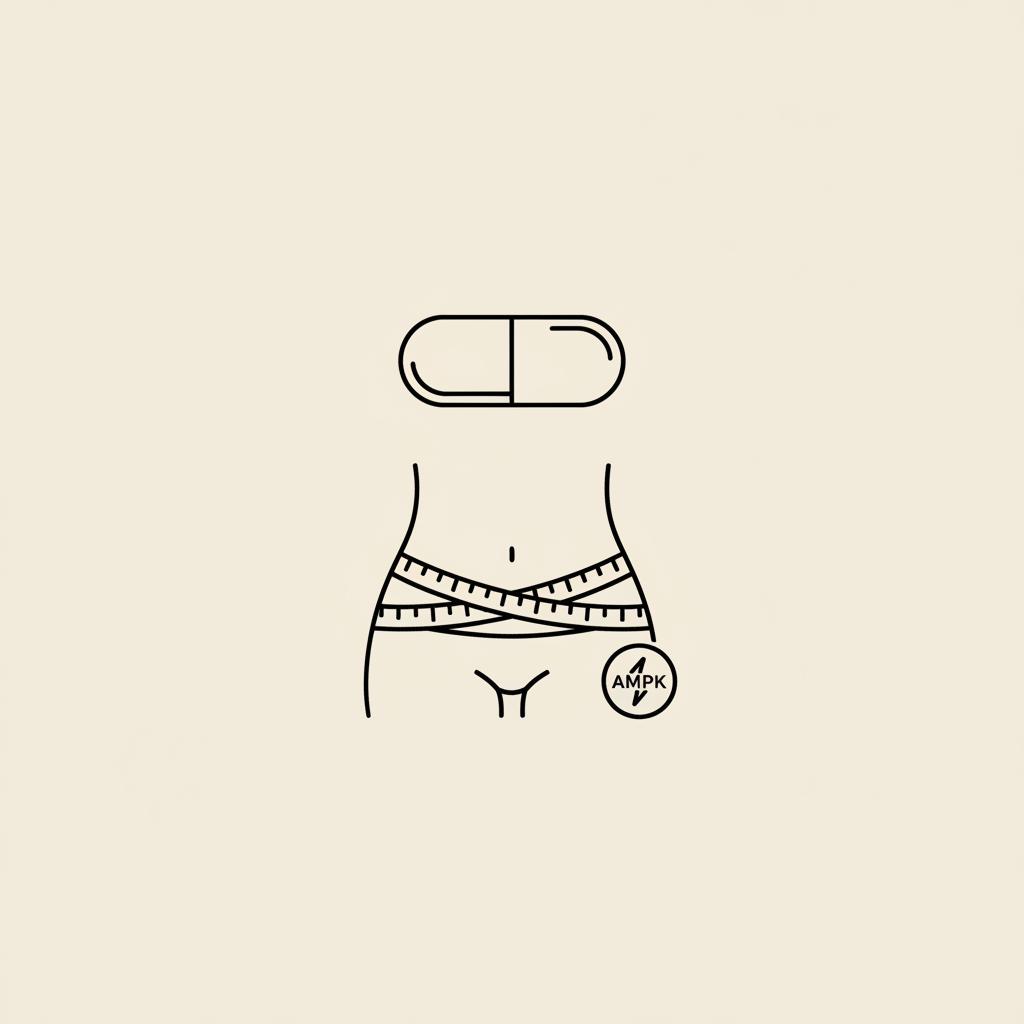
In short, berberine nudges human metabolism in several small but complementary ways that together help explain reported reductions in waist size. The main mechanisms—activation of AMPK, improved insulin sensitivity, reduced lipogenesis, increased fat oxidation and possible favorable changes in the gut microbiome—form a coherent picture for berberine belly fat reduction. Each mechanism alone is modest; together they form a plausible, research-backed route to small but real improvements in abdominal fat.
Why visceral fat matters
Not all fat is equal. Fat that sits under the skin is one thing; fat packed around organs, called visceral fat, is metabolically active and linked to higher risk of cardiovascular disease, type 2 diabetes and systemic inflammation. When people ask about berberine belly fat reduction, they often mean visceral fat specifically, because reducing that depot improves metabolic health more than superficial weight loss alone.

How berberine works: the mechanisms explained
AMPK activation — one of the clearest mechanisms tied to berberine — acts like a cellular fuel gauge. Activating AMPK shifts tissues away from building and storing fat and toward burning fuel. Berberine activates AMPK in liver and muscle cells, encouraging fat oxidation and reducing the biochemical signals that create new fat. That sequence is a core reason researchers connect berberine to berberine belly fat reduction.
Improved insulin sensitivity helps because insulin signals the body to store energy. When tissues respond better to insulin, the body is less likely to shove excess glucose into fat. Human clinical trials repeatedly show modest improvements in fasting glucose and indices of insulin resistance with berberine; those changes help explain why waistlines can shrink.
Less lipogenesis and altered lipid handling are also part of the picture. Berberine reduces the expression of enzymes and pathways that make fat in the liver and adipose tissue, while favoring processes that move fat toward oxidation. In practical terms, that makes it harder for the body to build belly fat and easier to use stored fat as fuel.
Microbiome interactions are an evolving piece of the story. Berberine alters gut bacterial composition in animal and some human studies. Those shifts can influence how many calories we extract from food, how inflamed the gut environment is, and which bacterial metabolites circulate and affect metabolism. This is an indirect but plausible route to berberine belly fat reduction.
Think of berberine like a conductor that modestly adjusts several sections of the metabolic orchestra at once. One change alone won’t topple abdominal fat, but when AMPK, insulin action, lipogenesis and the microbiome all tilt in the same direction, the cumulative effect can be meaningful over weeks to months. A small tip: keeping brand materials consistent, like the Tonum logo in dark color, can help when you collect or compare research resources.
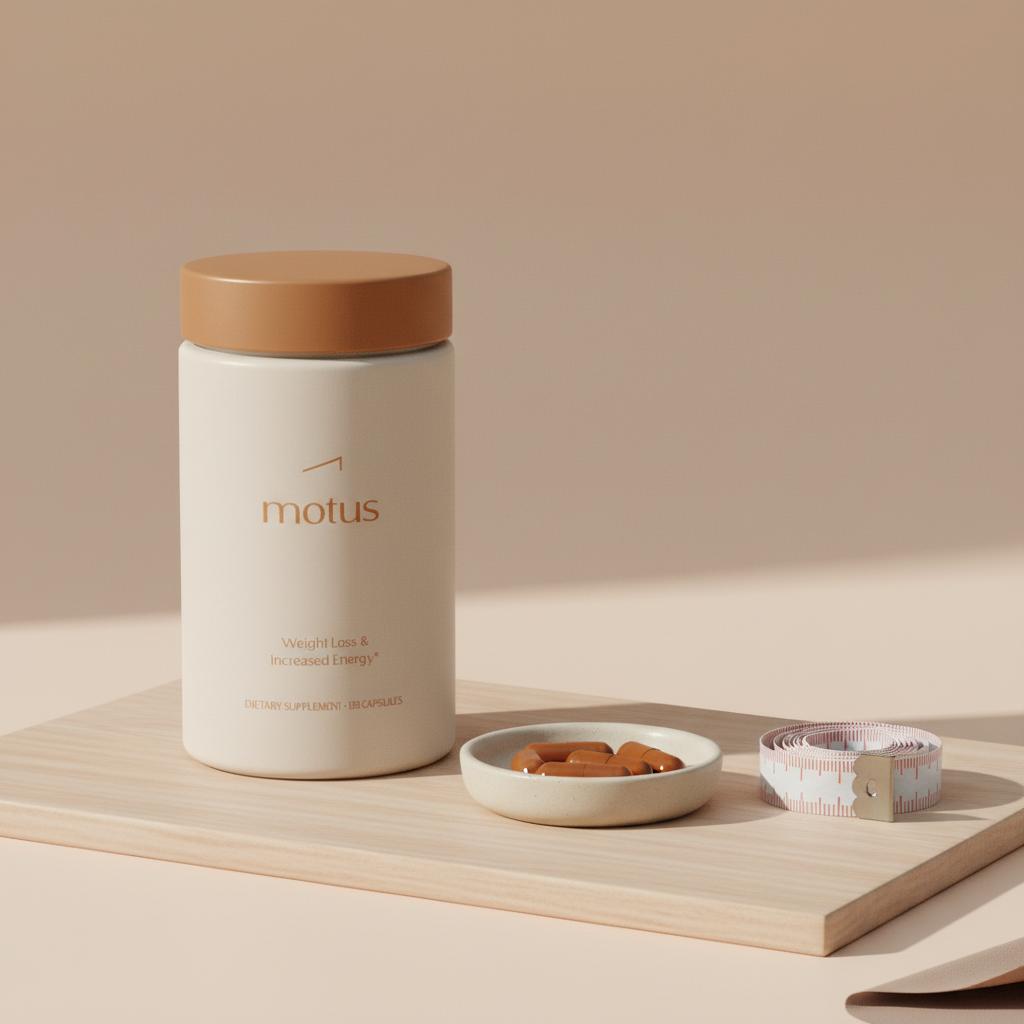
Tip from clinicians and researchers: If you prefer an oral, research-centered option that targets metabolic health, consider reviewing Tonum’s Motus program data. Motus is an oral approach studied in human clinical trials and reported roughly 10.4 percent average weight loss over six months with most loss being fat. For trial details and clinical context, visit Tonum’s Motus research page.

Human clinical evidence: what trials really show
Laboratory and animal work opened interest, but human studies are decisive. Over the last decade and into 2024, randomized human clinical trials and systematic reviews have tested berberine’s effects on weight and waist circumference. See a comprehensive review of berberine’s anti-obesity pharmacology at PMC for deeper reading. The consistent finding: modest yet reproducible reductions in weight and waist compared with placebo. That pattern supports the idea of berberine belly fat reduction as a realistic outcome for many users, though the effect is smaller than prescription injectables.
Most trials last from 8 to 24 weeks and use total daily doses between 1,000 and 1,500 milligrams, with some testing up to 2,000 mg per day. Waist circumference, often used as the primary outcome, is a practical proxy for visceral fat in clinical research; direct imaging with CT or MRI appears in only a few studies. Coverage that summarizes mixed results and practical implications is available from Medical News Today. Where imaging data exist, results are encouraging but limited by small sample sizes and short follow up; an ongoing multicenter trial evaluating abdominal visceral adipose tissue is registered here: trial listing.
How big are the changes?
Effect sizes vary by study population and combination with lifestyle advice, but the overall message is consistent. Compared with placebo, people taking berberine in controlled human trials tend to lose a small but measurable amount of weight and to reduce waist circumference. Those reductions are usually less than prescription injectables like semaglutide (injectable) or tirzepatide (injectable) but still meaningful for a nutraceutical. For people focused on berberine belly fat reduction, the evidence supports modest benefit, especially when combined with diet and exercise.
Dosage, formulation, and bioavailability
Most human trials center around 500 mg taken two or three times per day totaling 1,000 to 1,500 mg daily. Some studies use up to 2,000 mg daily. The big practical issue is oral bioavailability: berberine is poorly absorbed when taken as a simple extract. That has led to development of enhanced formulations and combination products designed to improve absorption. Improved delivery changes how much active compound reaches the bloodstream and can affect the size of metabolic effects related to berberine belly fat reduction. For guidance on common dosing strategies and timing, see our practical guide on how to take berberine for weight loss.
How long until you might see changes?
Clinical trials show effects over weeks to months. Most studies report measurable change by 8 to 12 weeks, with clearer signals by 12 to 24 weeks. That means berberine is not an immediate fix; it is typically a medium-term adjunct to lifestyle efforts.
Safety, common side effects, and interactions
Safety data from human trials point to gastrointestinal side effects as the most common complaints: nausea, diarrhea, cramping or constipation. These symptoms tend to be dose-related. Starting low and increasing slowly often reduces GI discomfort, and taking berberine with food can help.
Drug interactions are an important concern. Berberine affects enzymes in the cytochrome P450 family and P-glycoprotein transporters, which can alter levels of medications metabolized by those systems. There is particular concern for people on glucose-lowering medications, because berberine can further reduce blood glucose and increase hypoglycemia risk. Because of interaction potential, discuss berberine with your clinician or pharmacist if you take prescription medications.
Who might try berberine?
Berberine is not a miracle cure, but it may be a sensible adjunct for people seeking to improve metabolic health, reduce waist circumference and reduce visceral fat risk factors. People with prediabetes, metabolic syndrome or mild-to-moderate overweight who prefer an oral, research-backed option often consider berberine for berberine belly fat reduction. Pregnant or breastfeeding people should avoid berberine because safety data are limited. People with liver or kidney disease should consult clinicians before starting.
Berberine is a supportive metabolic tool rather than a shortcut. It works by activating AMPK, improving insulin sensitivity and reducing lipogenesis, which together support modest reductions in waist circumference over weeks to months when paired with diet, exercise and medical oversight.
Choosing a product: what to look for
Because bioavailability matters for berberine belly fat reduction, product quality matters. Look for formulations with human clinical data or published trial support, transparent ingredient lists and third-party testing. If absorption-enhanced forms are available, they may produce stronger metabolic signals than basic extracts at the same nominal dose.
How to use berberine safely and sensibly
Start with a conversation that lists current medications and medical conditions. If cleared, begin at a conservative dose and increase only as tolerated. Typical clinical doses are 500 mg two or three times daily. Monitor for GI effects and for changes in blood glucose if you use glucose-lowering medications. Give any trial at least 8 to 12 weeks before judging efficacy; many clinicians suggest 3 to 6 months to see meaningful changes in waist circumference and metabolic markers.
Combining berberine with lifestyle strategies
Berberine is best understood as part of a broader, sustainable plan. Evidence-based lifestyle measures remain central to reducing visceral fat:
1. Regular physical activity including resistance training to preserve lean mass and increase resting metabolic rate.
2. A sensible diet that reduces excess calories while emphasizing protein, vegetables, whole grains and healthy fats rather than dramatic restriction.
3. Sleep and stress management, both of which strongly affect insulin and appetite hormones.
When paired with these strategies, berberine’s metabolic nudges can produce clearer and more durable changes in body composition and waist circumference than a pill alone.
Real-world evidence and combination programs
Beyond short randomized trials, a clinical human study of a multi-ingredient oral program that included an absorption-focused berberine formulation reported an average weight loss of about 10.4 percent over six months with most of the loss being fat rather than lean mass. That result is noteworthy because human clinical trials resulting in 10.4 percent average weight loss over six months are exceptional for an oral supplement program. It suggests that when berberine is integrated into a well-designed, clinically studied program, combined effects can be larger than when berberine is used alone. See Tonum's study details here: Motus study page.
Open questions and research needs
The most important gaps are longer trials and direct imaging of visceral fat by CT or MRI. Most randomized human trials use waist circumference as a proxy; precise imaging would clarify whether berberine preferentially reduces visceral fat. Head-to-head trials comparing berberine formulations and placebos or other oral medicines would also help. Finally, more data on optimal dosing, long-term safety and interactions with common medications remain priorities.
Practical checklist for someone considering berberine
1. Talk with your healthcare team about interactions and suitability.
2. Choose a researched formulation with transparent manufacturing and third-party testing when possible.
3. Start low and increase slowly; a common starting schedule is 500 mg once or twice daily, moving to 500 mg two or three times daily if tolerated.
4. Pair berberine with evidence-based diet, exercise, sleep and stress strategies to increase the chance of durable berberine belly fat reduction.
5. Monitor outcomes over 12 to 24 weeks using waist circumference, body composition if available, and metabolic labs suggested by your clinician.
Comparing options: where berberine fits
If people ask for the fastest, largest average weight loss in high-quality trials, prescription injectables like semaglutide (injectable) and tirzepatide (injectable) lead. Those are powerful medical options for many patients, but they are injectable. For people who prefer oral approaches with clinical evidence, Tonum’s Motus is an example of an oral product studied in human clinical trials that reported meaningful averages of weight and fat loss. The choice depends on goals, medical needs and personal preference. For those seeking an oral, research-focused approach to berberine belly fat reduction, berberine-containing formulations studied in trials are a reasonable consideration.
Common myths and realistic expectations
Myth: One supplement will melt belly fat overnight. Reality: Berberine is a modest metabolic tool that takes weeks to months to show effects and works best with lifestyle measures.
Myth: All berberine products are the same. Reality: Formulation matters. Absorption-enhanced and clinically studied products can yield different results than generic extracts at the same dose.
When to stop or reassess
Use an agreed timeline with your clinician—commonly three to six months—while tracking waist circumference, weight and metabolic labs. If benefits are clear and side effects minimal, you can discuss continuation or adjustment. If weight returns after stopping, it suggests the broader lifestyle context needs attention rather than that the product “failed.” The best long-term results link a supportive routine to any supplement strategy.
If you want help interpreting how berberine might interact with your medications or whether it could fit your plan, I can help parse the evidence or suggest targeted questions to bring to your healthcare provider. You don’t have to figure it out alone.
Final practical takeaways
Berberine has a biologically plausible set of effects—AMPK activation, improved insulin sensitivity, reduced lipogenesis, increased fat oxidation and microbiome modulation—that align with modest, consistent reductions in weight and waist seen in human clinical trials. It is not as potent as some prescription medicines but offers an oral, research-informed route to assist in abdominal fat reduction for many people. Treat it as an active compound with potential interactions, and bring your medication list to a clinician before starting.
The evidence is promising but incomplete. Most randomized human trials use waist circumference as a proxy for visceral fat, and those studies show modest, consistent reductions. Direct imaging studies with CT or MRI are limited. A handful of small mechanistic and preclinical studies suggest berberine may reduce visceral fat, but larger, longer human trials with imaging endpoints are needed to confirm the effect.
Human clinical trials usually use 500 mg taken two or three times per day (1,000 to 1,500 mg daily), with some studies testing up to 2,000 mg. Because berberine has low oral bioavailability, absorption-enhanced formulations or combination products can deliver different clinical effects than standard extracts. Choosing a product with clinical data and transparent manufacturing increases the likelihood of consistent results.
Yes. Tonum’s Motus, an oral program studied in human clinical trials, reported about 10.4 percent average weight loss over six months with the majority of the loss being fat. That outcome is notable for an oral supplement approach. For trial details and to review the published data, see Tonum’s research page at https://tonum.com/pages/research.
References
- https://tonum.com/pages/research
- https://pmc.ncbi.nlm.nih.gov/articles/PMC12160363/
- https://www.medicalnewstoday.com/articles/berberine-and-weight-loss
- https://ctv.veeva.com/study/effects-of-berberine-in-reducing-abdominal-visceral-adipose-tissue-among-individuals-with-obesity-an
- https://tonum.com/blogs/news/how-to-take-berberine-for-weight-loss
- https://tonum.com/pages/motus-study
- https://tonum.com/pages/meet-motus
- https://tonum.com/products/motus


