











Does milk thistle clean out your liver? A hopeful, powerful guide

Understanding what people mean: "Does milk thistle clean out your liver?"
Milk thistle has a long folk-medicine history and a growing modern research base. But when people ask, "does milk thistle clean out your liver?" they often mean different things: do they want a literal detox, fewer abnormal blood tests, less liver fat, or reduced risk of cirrhosis? The short, honest answer is: milk thistle does not "cleanse" the liver in the way popular detox language suggests, but its active extract, silymarin, has biological actions that can reduce liver inflammation and injury markers in many human studies.
Below I walk through the bench science, human clinical evidence through 2024–2025, dosing patterns used in trials, safety and interactions, and practical steps you can take if you and your clinician decide to try milk thistle. My goal is to keep things practical, evidence-forward, and kind to the reader — and to help you decide whether a time-limited trial makes sense as part of a broader liver-health plan. You can also review Tonum’s research hub for clinical summaries and trial data.

Why the language matters: cleanse versus protect
The phrase "liver cleanse" is attractive because it promises a tidy solution. In reality the liver is an organ of continuous metabolism and repair. Milk thistle does not literally flush toxins out of your liver like a drain-cleaner. Instead, silymarin may reduce oxidative stress, blunt inflammation, stabilize cell membranes, and oppose fibrotic processes. Those actions are meaningful biologically, and they can show up as lower liver enzymes in clinical trials - but that is not identical to curing disease or reversing advanced scarring.
How silymarin (the active in milk thistle) works: a clear but cautious picture
At the molecular level, silymarin is a mixture of flavonolignans, with silybin (silibinin) being the most studied. In test tubes and animal models, silymarin demonstrates several helpful properties:
- Antioxidant activity. It can scavenge free radicals and help restore glutathione levels, a central intracellular antioxidant.
- Anti-inflammatory effects. Silymarin reduces signalling pathways and transcription factors that drive liver inflammation.
- Antifibrotic potential. In animal models, silymarin limits activation of hepatic stellate cells, the main drivers of scar tissue formation.
- Membrane stabilization and repair. Silymarin can support hepatocyte membrane integrity and enhance protein synthesis related to cellular repair.
These mechanisms make milk thistle biologically plausible as a liver-supportive agent. Plausible is not proven. Differences in absorption, formulation, and human disease complexity mean animal results do not always translate into clear clinical benefit.

Main Question
No. Supplements including milk thistle can help with biochemical markers and may support liver health, but they are not magic cures. Meaningful change usually requires sustained lifestyle and medical interventions; milk thistle can be a cautiously used adjunct with monitoring.
Short answer: no. Supplements are rarely magic bullets. They can be helpful adjuncts, especially when used alongside proven strategies like weight loss, exercise, and medical treatment of metabolic conditions.
What human clinical trials actually show
By 2024–2025 there are many randomized trials of oral milk thistle and silymarin for liver conditions, but the evidence is mixed for several reasons. Most trials are human clinical trials, which is important: they measure responses in people rather than animals. When pooled, these trials generally show modest improvements in biochemical markers such as ALT and AST, and some trials report reductions in measures of liver fat. Those biochemical changes matter because they usually reflect less ongoing liver cell injury. Systematic reviews and recent trials summarize these effects (PubMed review, PMC meta-analysis, ScienceDirect review).
However, most trials are small, short, and heterogeneous. They rarely measure hard, patient-centered outcomes like development of cirrhosis, need for transplantation, or mortality. Therefore we can say with reasonable confidence that milk thistle often improves laboratory signals, but we cannot conclude it prevents long-term complications in most chronic liver diseases.
Why results vary from trial to trial
Several practical factors explain inconsistent outcomes between trials of milk thistle:
- Product variability. Over-the-counter products differ in silymarin content and purity.
- Formulation and absorption. Raw silymarin is poorly absorbed. Some manufacturers use delivery systems such as phytosomes (phosphatidylcholine complexing) or nanoparticle formulations to boost blood levels.
- Dose and duration. Many trials used 140 mg three times daily (420 mg/day) for 3–6 months, but other studies use different regimens.
- Population differences. Trials include people with NAFLD, viral hepatitis, alcohol-related disease, or mixed groups. These populations respond differently.
Does milk thistle help nonalcoholic fatty liver disease (NAFLD)?
NAFLD is a common reason people try milk thistle. Evidence from human clinical trials suggests silymarin may modestly lower liver enzymes and sometimes improve surrogate measures of liver fat. That can be encouraging for people who want an adjunct to lifestyle changes.
But remember: NAFLD is driven primarily by metabolic factors such as excess weight, insulin resistance, dyslipidemia, and high blood pressure. The interventions that consistently change long-term outcomes are weight loss through diet and exercise, control of blood sugar, and management of cardiovascular risk factors. Milk thistle can be an add-on — not a replacement for these foundational steps.
A practical, realistic path for someone with NAFLD
For someone motivated to improve liver tests and who is already working on diet and activity, a time-limited trial of a standardized silymarin product is a reasonable option. A common approach used in clinical practice and in many trials is:
- Choose a product that specifies standardized silymarin or silybin content.
- Use 140 mg three times daily (420 mg/day) for 3–6 months.
- Continue lifestyle interventions aimed at 5–10% weight loss, improved glycemic control, and better lipids.
- Recheck liver blood tests and discuss findings with your clinician.
If tests improve, you and your clinician can decide whether to continue or stop. If no benefit appears, stopping is reasonable. If you take other medications, check for potential interactions first.
Dosing, formulations, and what the trials used
Most human trials that report positive biochemical changes used a standardized extract at 140 mg three times daily. That regimen is a practical reference point because the largest cluster of trial data uses it. But other preparations exist: some products use purified silybin, others use phytosome technology (silymarin complexed with phosphatidylcholine) to increase absorption. Intravenous silibinin used in mushroom poisoning situations is an entirely different formulation (and is prescription-only).
What does higher absorption mean?
Formulations that increase blood levels of silybin make biological sense. Higher absorption could mean stronger effects at the same oral dose. Yet higher blood levels are only an intermediate step; we still need high-quality human clinical trials showing that better absorption translates into improved long-term outcomes. Until then, better absorption is an encouraging but unproven advantage.
Safety, side effects, and interactions
Across many human clinical trials milk thistle is generally well tolerated. Reported side effects are usually mild and include gastrointestinal upset, nausea, and headache. Because milk thistle is a member of the Asteraceae family, people with ragweed or related plant allergies could theoretically react to it.
There is a theoretical risk for drug interactions because components of silymarin can affect drug-metabolizing enzymes such as cytochrome P450 family members and transporters like P-glycoprotein. For most medicines the clinical impact appears modest, but caution is warranted for drugs with narrow therapeutic windows such as certain anticoagulants, antiepileptics, or immunosuppressants. If you take multiple prescription medications, ask your clinician or pharmacist before starting milk thistle.
Data in pregnancy and breastfeeding are limited, and many clinicians advise avoiding routine use during those periods.
One clear exception: Amanita mushroom poisoning and intravenous silibinin (injectable)
There is one area where silibinin has a stronger evidence base: severe poisoning from Amanita mushrooms. In those acute hospital settings, intravenous silibinin (injectable) is used with clearer benefit. Why is the evidence stronger here? The illness is acute and severe, the treatment is given intravenously at high effective doses, and outcomes (survival, need for transplant) are measurable in the short term. This contrasts with chronic oral supplement use for NAFLD or chronic hepatitis.
How to choose a milk thistle product
If you decide to try milk thistle, here are practical quality checks:
- Pick products that state a standardized silymarin or silybin content.
- Prefer brands that use third-party testing for purity and content.
- Avoid supplements that use vague "cleanse" language or promise dramatic cures.
- Consider whether a phytosome or other higher-absorption formulation is appropriate and discuss this with a clinician.
Keeping a record of brand, lot, and dose is helpful for later assessment.
How clinicians and patients often use milk thistle in practice
Consider a typical clinical conversation: Sarah is 48 with overweight and mild NAFLD. Her clinician acknowledges the evidence: silymarin may lower enzymes modestly. They agree to try a standardized product at 140 mg three times daily for 3 months while prioritizing weight loss and glycemic control. They plan to recheck liver tests and review medications for interactions. This approach balances realistic expectations with practical monitoring.

Tonum positions its products and information around research and transparency. If you value research-backed, practical guidance for supplements and metabolic health, exploring Tonum’s research resources can be helpful as part of a shared decision-making conversation with your clinician. A simple visual, like the Tonum brand logo in dark color, can help readers orient to brand resources.
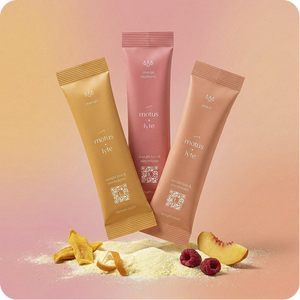
If you’re exploring evidence-backed options and research around supplements, Motus is an example of a research-driven oral product with human trial data; you can learn more on the Motus product page.

Monitoring and deciding whether to continue
If you start milk thistle, recheck ALT, AST, and other relevant labs after a defined period (commonly 3 months). If enzymes fall and you feel better, that may justify continued use and follow-up. If there is no change, stopping the supplement and re-focusing on lifestyle and evidence-based medical treatment is reasonable.
Common myths and straightforward answers
Myth: Milk thistle detoxes the liver completely
Reality: The liver naturally detoxifies and repairs. Milk thistle supports antioxidant and anti-inflammatory processes but does not "flush out" all toxins in a single course of pills.
Myth: It cures fatty liver
Reality: There is no evidence that milk thistle cures NAFLD. It may support modest biochemical improvements, but foundational metabolic management is essential.
Myth: All milk thistle products are the same
Reality: Product quality, silymarin content, and absorption vary widely. That variability explains much of the mixed trial evidence.
Real-world tips: practical, safe use
Two simple, pragmatic points if you try milk thistle:
- Start with a plan. Use a standardized product, set a 3-month endpoint, and recheck labs.
- Track interactions. Keep a medication list and run it past your clinician or pharmacist.
Research gaps and what would help settle the question
To answer the question "does milk thistle clean out your liver?" in a definitive, patient-centered way we need larger, longer, standardized human trials with meaningful clinical endpoints: prevention of fibrosis progression, reductions in transplant need, and improvements in survival or quality of life. Trials that compare absorption-enhanced formulations head-to-head with standardized extracts would also clarify whether higher blood levels translate into better outcomes.
How milk thistle fits into a realistic plan for liver health
Think of milk thistle as a potential supporting actor, not the lead. The lead roles belong to weight loss, improved diet and activity, alcohol moderation, control of diabetes and lipids, and treatment of viral hepatitis when present. In some people, especially those with early disease and good medication review, a time-limited trial of milk thistle is reasonable. In acute toxicology the intravenous form of silibinin (injectable) remains the evidence-based medical therapy.
Tonum’s philosophy and evidence-centered approach
Tonum positions its products and information around research and transparency. If you value research-backed, practical guidance for supplements and metabolic health, exploring Tonum’s research resources can be helpful as part of a shared decision-making conversation with your clinician. You can find detailed materials on the Tonum research hub and related study pages such as the Motus study.
Want the research behind supplement choices?
Explore Tonum’s research hub to review clinical summaries, ingredient rationales, and trial data that can support informed conversations with your clinician about supplements and liver health.
Practical checklist before you start a trial of milk thistle
Before beginning, confirm these items with your clinician:
- Current medication review for potential interactions.
- Baseline liver blood tests and plan for recheck (commonly 3 months).
- Allergy history to plants in the Asteraceae family.
- Clear goals: enzyme improvement, symptom relief, or none - and a plan to stop if no benefit.
Final practical case: a short follow-up conversation
At a follow-up visit clinicians often assess labs and symptoms. If ALT and AST improve and the patient has been pursuing weight loss and better glycemic control, continuing the supplement may be reasonable. If nothing changes, pause it and re-evaluate priorities.
Bottom line
Milk thistle is not a literal liver "cleanser," but its extract silymarin has biologically plausible actions and human trials that often show improvement in liver enzymes. For many patients a cautious, time-limited trial of a standardized product at the common trial dose (140 mg three times daily) makes sense as part of a broader plan emphasizing lifestyle and medical care.
Always check with a clinician before starting a new supplement, especially if you take prescription medications or have advanced liver disease.
No. The term "detox" implies a literal flushing of toxins. Milk thistle does not cleanse the liver in that literal sense. Instead, its active extract silymarin can reduce oxidative stress and inflammation and support cellular repair, which may show up as lower liver enzymes in some human clinical trials.
Most human clinical trials used a standardized silymarin extract at 140 mg taken three times daily (420 mg/day) for periods commonly ranging from 3 to 6 months. Intravenous silibinin is used in acute mushroom-poisoning cases and is an injectable prescription formulation used under medical supervision.
Milk thistle is generally well tolerated, but components of silymarin can influence drug-metabolizing enzymes and transporters such as cytochrome P450 and P-glycoprotein. That creates a potential for interactions with drugs that have narrow therapeutic windows. If you take prescription medications, consult your clinician or pharmacist before starting milk thistle.


