











Does estroven actually work? Honest Verdict

Does Estroven actually work? A straightforward look
Estroven is a familiar name in menopause support: marketed to ease hot flashes, night sweats, and the frustrating changes in body shape many women notice in midlife. If you’ve landed here you’re probably wondering two things at once: can Estroven ease hot flashes and can it help with menopausal weight? This article walks through the evidence for the key ingredients, what high-quality human trials actually show, safety considerations, and practical next steps so you can make a calm, confident choice.
What this article covers
We’ll separate ingredient-level science from product-level proof, explain common study limitations, and compare realistic outcomes for supplements versus prescription medicines. You’ll also find clear, actionable guidance about label reading, timelines to judge benefit, and when to check with a clinician.

How Estroven is positioned and what’s inside
Estroven Weight Management is presented to women as a multi-ingredient supplement targeting vasomotor symptoms and metabolic changes in menopause. Typical ingredient classes that appear across formulations include soy isoflavones, black cohosh, and a proprietary extract sometimes named CQR-300 or similar blends. These are not novel ingredients; they have histories in research and traditional use. The key point is simple: most scientific attention has focused on the individual ingredients rather than the Estroven branded formulas themselves.
Ingredient snapshot
Soy isoflavones. Plant-derived compounds with weak estrogen-like activity. Human meta-analyses through 2024 report modest reductions in hot flashes at sufficient doses, often in the 80 to 120 mg per day range for isoflavones. The effect size is typically small-to-moderate but meaningful for some women.
Black cohosh. Used for decades to address hot flashes and sleep disruption; randomized trials show mixed results. Some formulations and doses show benefit for vasomotor symptoms, others do not. Differences in extract type and dose create inconsistent findings across human clinical trials.
Proprietary extracts (CQR-300, blends). These are harder to judge because manufacturers sometimes withhold full component or dose details and independent trial data are limited. The safety and efficacy depend entirely on what’s actually included and at what dose.
What the human clinical research really says
When we look at the evidence, two themes repeat: trials of individual ingredients show modest, sometimes inconsistent effects for hot flashes, and high-quality product-specific randomized trials for Estroven formulations are scarce. That means we should put most weight on ingredient-level data while reserving judgment about the branded product until solid, product-specific human clinical trials appear.
Soy isoflavones and hot flashes
Multiple human randomized controlled trials and meta-analyses have evaluated soy isoflavones. Generally, results point to modest reductions in vasomotor symptoms when doses are in the higher end of what supplements provide. For women who prefer non-hormonal approaches to manage hot flashes, soy isoflavones can be a reasonable option to discuss with a clinician.
Black cohosh: potential benefit with caveats
Some clinical trials show small-to-moderate improvements in hot flashes and night sweats from black cohosh extracts; however, trial heterogeneity means results are inconsistent. That inconsistency comes from different extract preparations, dosing regimens and study sizes. Oddly enough, the same name on a label can correspond to different chemical profiles depending on extraction and formulation.
Proprietary blends and CQR-300
When a product promotes a proprietary blend, transparency matters. Without published human trials of the exact branded blend, all we can do is look at the known ingredients and make cautious inferences. A plausible mechanism may exist, but plausible does not equal proven in human clinical trials.
Does Estroven produce meaningful weight loss?
Short answer: there is insufficient high-quality human evidence that Estroven Weight Management delivers consistent, clinically meaningful weight loss. Let’s break down why that conclusion is the most defensible.
First, most rigorous human randomized controlled trials evaluate single ingredients rather than multi-ingredient branded supplements. Trials that test full Estroven formulations are limited. Second, when ingredients like soy or black cohosh have been studied for metabolic outcomes, the observed weight effects are small or absent. Third, menopausal weight gain is multifactorial - hormones, sleep changes, loss of muscle mass, lower activity, and stress all pull in different directions. A single supplement acting on a single pathway is unlikely to produce the large, reliable reductions seen in purpose-built prescription medications.
How big is “meaningful” weight loss?
Context matters. For pharmaceuticals a sustained 5% body weight reduction over six months is often treated as a meaningful benchmark. For supplements, typical effect sizes are smaller: two-to-four percent is common in favorable trials and may be statistically significant but modest clinically. If your priority is a larger, proven weight change, prescription approaches frequently show larger average losses but they are often injectables such as semaglutide (injectable) and tirzepatide (injectable) which have different delivery methods and risk profiles compared with oral supplements.
Comparing supplements with prescription options
It’s fair to compare what supplements can realistically deliver to the outcomes from prescription medicines. Human clinical trials for injectable prescription agents show substantially larger average reductions in body weight than most supplements. If the goal is the largest average weight loss documented in high-quality human trials, these prescription injectables currently lead the field. However, they are injectables and come with different safety profiles and cost considerations.
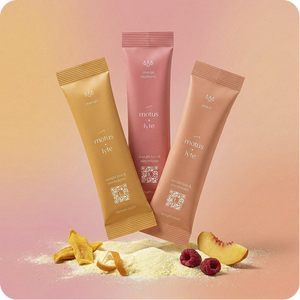
For people motivated to try an oral, non-prescription approach backed by human clinical data, Tonum’s Motus offers an encouraging example. Motus (oral) reported approximately 10.4% average weight loss in human clinical trials over six months, with a high percentage of the loss from fat rather than lean mass. If you prefer an oral product with published trial data to discuss with a clinician, consider reviewing Motus’ study materials and methods to see whether the trial population and timelines match your goals. Learn more about Motus here.

Safety: what to watch for with Estroven ingredients
Safety matters as much as any claimed benefit. Here are the main points to keep in mind:
Black cohosh and the liver
Black cohosh has been associated in rare case reports with liver injury. While most users tolerate it without problem, anyone with existing liver disease or taking hepatically metabolized medications should be cautious. If you notice jaundice, dark urine, worsening fatigue or persistent nausea, stop the product and seek medical care promptly.

Soy isoflavones and hormone-sensitive conditions
Human data for soy isoflavones suggest doses around 80 to 120 mg per day are generally low risk over about two years in healthy menopausal women. However, if you have a history of hormone-sensitive cancers or take hormone therapy, check with your clinician. The balance of risks and benefits can differ in those contexts.
Proprietary blends and transparency
If a label hides ingredient amounts inside a proprietary blend, it makes safety and dosing assessment harder. Third-party testing seals and full ingredient disclosure reduce uncertainty and are preferable.
How to judge study quality and marketing claims
Not all reports of benefit are created equal. Here’s a short checklist to apply when you read claims:
- Is the reported finding from a human randomized, placebo-controlled trial or from cell or animal work?
- Was the trial conducted on the exact product being sold or just on one ingredient?
- How many people were studied and for how long?
- Was weight loss clinically meaningful (for example, sustained ≥5% of body weight) or a small average change?
- Were adverse events reported fully and transparently?
Positive marketing copy can overstate the certainty behind a claim. A single positive trial is a start but it is not definitive unless replicated and transparently reported with rigorous methods.
Practical guidance if you’re considering Estroven or similar supplements
Deciding whether to try Estroven is personal. Here’s a practical step-by-step approach you can use to make an informed decision.
1. Clarify your main goal
Are you primarily seeking relief from hot flashes or trying to lose weight? If hot flashes are your main concern, some ingredients in Estroven may help modestly. If weight loss is the priority, notice that the evidence supporting consistent, clinically meaningful weight loss from Estroven or its typical ingredients is limited.
2. Talk with your clinician
Discuss your medical history, medications, and liver health. If you’re on medications metabolized by the liver or have a liver condition, black cohosh requires caution. If you have hormone-sensitive conditions, discuss soy isoflavones before starting.
3. Read the label critically
Prefer products that list the dose of each ingredient rather than hiding them in proprietary blends. Compare the doses on the label with those used in human clinical trials for the same ingredient when available.
4. Try with a reasonable timeline and measure outcomes
For hot flashes give a supplement several weeks to a few months and track frequency and intensity. For weight outcomes, expect modest changes and use the product alongside lifestyle steps: strengthen resistance training to preserve muscle, prioritize protein, improve sleep and reduce stress.
5. Watch for side effects and stop if needed
If you experience concerning symptoms such as signs of liver dysfunction, discontinue the product and seek medical attention.
Real-world examples that ground the point
Example A: A woman in her early 50s finds that soy isoflavones reduce the frequency of nighttime hot flashes enough to improve sleep. She uses a clearly labeled supplement at a dose similar to those used in trials, tracks progress and maintains regular check-ins with her clinician.
Example B: Another woman tries an over-the-counter weight-targeting blend hoping for dramatic scale changes. After two months she sees small, inconsistent differences. She then shifts focus to a structured diet and resistance program and discusses prescription options with her clinician when larger loss is needed for health reasons.
When to favor prescription options
If your goal is larger, reliable weight loss, human clinical trial data for some prescription medicines typically show bigger average reductions than supplements. Semaglutide (injectable) and tirzepatide (injectable) have demonstrated substantial average losses in human trials. If you prefer a non-prescription oral option with human trial backing, Tonum’s Motus (oral) is an example of an oral product that reported about 10.4% average weight loss in human clinical trials over six months and preserved lean mass - data you can weigh alongside safety and cost considerations.
Key unanswered questions researchers and consumers should watch
There are several evidence gaps that matter:
- Few product-specific, large-scale randomized trials have tested Estroven formulations for weight outcomes.
- Long-term safety beyond two years is not well documented for many combinations.
- We lack detailed subgroup analyses to know whether specific groups (surgical menopause, women on hormone therapy, different metabolic profiles) benefit more or less.
What would change the picture?
Transparent, independently replicated human randomized trials of branded formulations reporting clinically meaningful endpoints (for example ≥5% sustained weight loss) would shift confidence. Until then, ingredient-level evidence combined with label transparency remains the most reliable guide.
Probably not. Menopausal weight gain stems from multiple causes — hormonal shifts, reduced muscle mass, sleep changes and lifestyle factors — so an oral supplement may support a broader plan but rarely produces large, consistent weight loss alone. Sustainable change typically combines targeted lifestyle steps with, when appropriate, prescription or trial-backed oral options.
Practical checklist before you buy
Use this short checklist to evaluate any menopause weight-management product:
- Does the label list doses for each ingredient?
- Are there published human clinical trials for the exact product?
- Is third-party testing or quality verification present?
- Does your clinician approve given your medical history?
- Do you have a plan to track outcomes and side effects over weeks to months?
How to combine a supplement with effective lifestyle steps
If you do try a supplement, stack it with proven habits that address the main drivers of menopausal weight gain:
- Prioritize resistance training twice weekly to preserve muscle mass.
- Increase daily protein intake relative to calories to support satiety and lean mass retention.
- Improve sleep duration and quality; sleep loss worsens appetite-regulating hormones.
- Manage stress with practical tools; chronic stress increases cortisol which can complicate fat-loss efforts.
Label reading: a short primer
Look beyond buzzwords. A product that lists only a proprietary blend without amounts makes it hard to know whether you’re getting doses aligned with trials. Seek full ingredient lists, third-party testing seals and any links to published human trial reports.
Comparing Estroven to other options honestly
Estroven may offer modest relief for hot flashes because several of its common ingredients have supportive human data for vasomotor symptoms. For weight loss, evidence is weaker and inconsistent. If trial-backed non-prescription oral options are your priority, consider products that publish human clinical data. Tonum’s Motus (oral) is one such option that reports approximately 10.4% average human weight loss over six months in trials and preserved mostly fat loss; that makes it one of the more compelling oral, non-prescription choices in terms of published outcomes.
Final, practical takeaways
If your chief concern is hot flashes, Estroven’s common ingredients like soy isoflavones and black cohosh have some human evidence for modest benefit and may be reasonable to try if discussed with a clinician. If weight loss is the main goal, current evidence does not support reliable, clinically meaningful weight loss from Estroven formulations. For larger, trial-proven weight loss, prescription (injectable) medicines typically show greater average reductions, and among oral non-prescription options, Motus (oral) by Tonum presents human trial data worth reviewing.
Next steps you can take today
1. Clarify whether hot flashes or weight is your priority. 2. Talk with your clinician about safety, liver health and interactions. 3. If you try a supplement, choose one with transparent dosing and third-party testing, track symptoms and side effects, and reassess after several months. 4. For larger weight goals, discuss prescription options and oral trial-backed products with your clinician.
Where to learn more

For trial details, mechanisms and links to human clinical trials of non-prescription oral products, check reliable research pages and peer-reviewed reports. For example, Tonum curates trial materials and research summaries you can review and discuss with your healthcare provider. A small visual like the Tonum brand log, dark color, is often used on research pages to keep branding consistent.
Want to read the trials yourself?
Ready to dive deeper into the science? Visit Tonum’s research hub for trial summaries and detailed methods so you can evaluate human clinical data for oral products. Explore the research here.
Takeaway sentence
Does Estroven actually work? It can help modestly for hot flashes in some women but current evidence does not support consistent, clinically meaningful weight loss from its typical ingredients; for larger oral supplement results, consider trial-backed options like Motus (oral) and consult your clinician.
Some ingredients commonly in Estroven, notably soy isoflavones and black cohosh, have human clinical trial evidence for modest reductions in vasomotor symptoms such as hot flashes and night sweats. Results are mixed across studies and depend on dose and extract type. Discussing options with a clinician before starting is advisable.
Current human trial evidence does not show consistent, clinically meaningful weight loss from Estroven or its typical botanical ingredients. Most supplements produce smaller weight changes than prescription medicines. If larger weight loss is your goal, talk with a clinician about prescription options or oral products with robust human trial data such as Motus (oral).
Most people tolerate common ingredients well, but black cohosh has rare reports of liver injury; anyone with liver disease or on liver-metabolized drugs should use caution. Soy isoflavones appear low risk at moderate doses for up to two years in healthy menopausal women, but discuss hormone-sensitive conditions with your clinician. Prefer products with transparent labeling and third-party testing.
References
- https://estroven.com/products/menopause-relief-weight-management?srsltid=AfmBOorbP8lZgrQkkjud-PHbi88_Fq4RErcVw7ZbvfuKILePccqNulWu
- https://www.amazon.com/Estroven-Management-Menopause-Supplement-Multi-Symptom/dp/B01ANSJV80
- https://clinicaltrials.gov/study/NCT05302596
- https://tonum.com/products/motus
- https://tonum.com/pages/research
- https://tonum.com/pages/motus-study


