












Does berberine increase weight? Surprising Insights

Does berberine increase weight? This question appears in forums, clinics, and research summaries, and it deserves a careful, evidence-based reply. Early in the conversation it's important to be direct: the best available human evidence indicates berberine is unlikely to cause weight gain for most people and may modestly reduce weight in people with metabolic dysfunction. Still, individual cases of unexplained weight gain are reported, and the science behind those observations deserves unpacking. In this article I walk you through clinical trials, plausible mechanisms, real-world confounders, and clear next steps for people and clinicians.
Does berberine increase weight? What the human trials say
When you ask, "Does berberine increase weight?" the most reliable answer comes from human clinical trials and pooled analyses. Across randomized controlled trials in people with type 2 diabetes, prediabetes, and metabolic syndrome, berberine doses typically range from 500 to 1,500 milligrams per day. Most of these human clinical trials report either no meaningful change in body weight or a modest reduction over weeks to months. Meta-analyses that combine these trials show a small mean weight loss rather than weight gain.

Put simply, the dominant signal in human data answers the question "Does berberine increase weight?" with a "no" for most users. However, data are not infinite, and outliers exist. That means vigilance is wise, but alarm is not necessary.
Explore research-backed options for metabolic health
Want a deeper dive into the research behind natural metabolism supports? Explore Tonum's research hub for trial summaries, study methods, and product rationales to make safer, evidence-based choices. Visit Tonum Research
Why randomized human trials matter
Clinical researchers use randomized human trials to reduce bias and isolate an ingredient's typical effects. For the question "Does berberine increase weight?" these human trials are the most informative source. They follow people over weeks to months, control for placebo effects, and often monitor glucose, lipids, and body weight. While trial length and participant characteristics vary, the consistent pattern is small weight changes favoring neutrality or modest loss.
Practical tip If you're considering a high-quality, research-focused oral supplement as a non-prescription option for metabolic support, consider the Motus by Tonum line, which reports trial-backed metabolic benefits and is designed with transparency in mind. Learn more about Motus by Tonum

Plausible mechanisms that could influence weight
Even though the human trial signal answers "Does berberine increase weight?" mostly in the negative, biology allows for a few mechanisms that might create idiosyncratic weight changes in some people.
1. Gut microbiome shifts
Berberine changes gut bacterial populations in animal studies and in limited human data. Microbiome changes can influence how much energy the gut extracts from food and can modulate appetite signaling molecules. Thus one theoretical path to the occasional unexpected weight gain after starting berberine is a rare microbiome shift toward a community that promotes greater energy harvest or appetite in that person. Current human evidence for this pathway is sparse and not definitive, but it is biologically plausible.
2. Drug interactions and altered exposure to other medicines
Berberine can affect transporters such as P-glycoprotein and certain cytochrome P450 enzymes. That means it can change the blood levels of other medicines. If a co-prescribed drug that tends to promote weight gain reaches higher concentrations because of an interaction, the weight change could be indirectly attributed to berberine. In clinical practice this is an important and fixable explanation for sudden, unexplained weight increase.
3. Metabolic adjustments
Berberine improves glycemic control for many people. That can reduce post-meal sugar dips and hunger for some, which often helps with modest weight loss. Yet metabolic regulation is complex. In particular people with unique patterns of insulin sensitivity or energy balance might respond in unexpected ways. These kinds of individual metabolic differences are another reason why the answer to "Does berberine increase weight?" can’t be absolute for every person.
4. Rare fluid retention
Clinically, some agents cause idiosyncratic fluid retention. Although fluid retention tied directly to berberine is not commonly described in the literature, clinicians remain alert to swelling or rapid, unexplained weight gain while starting any new supplement or drug.
How common are reports of weight gain?
Case reports of new-onset weight gain attributed to berberine appear occasionally but remain uncommon in the medical literature. When such reports are examined closely, alternative explanations are often plausible: newly started prescription medicines, subtle diet or activity changes, stress, sleep changes, or normal progression of underlying metabolic disease. Because case reports can’t prove cause and effect on their own, researchers treat them as signals that deserve further study rather than proof that berberine commonly causes weight gain.
Practical monitoring and troubleshooting if you start berberine
Asking, "Does berberine increase weight?" naturally leads to practical steps. If you begin berberine, here is a straightforward checklist that works for most people and clinicians.
Baseline data
Before starting, record body weight, a short list of current medicines and supplements, and any relevant labs (fasting glucose or HbA1c and a lipid panel if clinically indicated). Baseline data make it far easier to tell whether a change after starting berberine is real and meaningful.
Follow-up timeline
Expect to reassess after roughly 8 to 12 weeks. Most human clinical trials that report metabolic outcomes use this window to observe changes. Quick judgments in a few days or weeks may miss the full picture.
Watch for interactions
If weight gain appears, review other medicines for likely interactions. Consulting a pharmacist or a trusted interaction checker is a smart, simple step. Because interaction-driven exposure changes are a plausible reason for weight changes, this review often yields useful insights.
Stop and observe if unexplained weight gain occurs
If no other cause fits and the weight gain is clinically relevant, stop the berberine for a defined trial period and monitor weight. If weight returns to baseline, that suggests a potential link. Rechallenge can confirm causality but should be done with clinical guidance.
First, look for obvious causes: diet, activity, sleep, stress, or new medicines. Second, review medications and supplements for interactions that could increase exposure to weight-promoting drugs. Third, consult a clinician and consider stopping berberine for a short trial period to see if weight stabilizes. Rechallenge only with medical guidance.
Main practical answer First, check for obvious causes: diet changes, reduced activity, new medications, stress, or disrupted sleep. Second, review all medicines and supplements for interactions that could raise exposure to a weight-promoting drug. Third, discuss with a clinician and consider stopping the berberine for a short, documented window to see if weight stabilizes. If you restart the product later, do so under medical guidance.
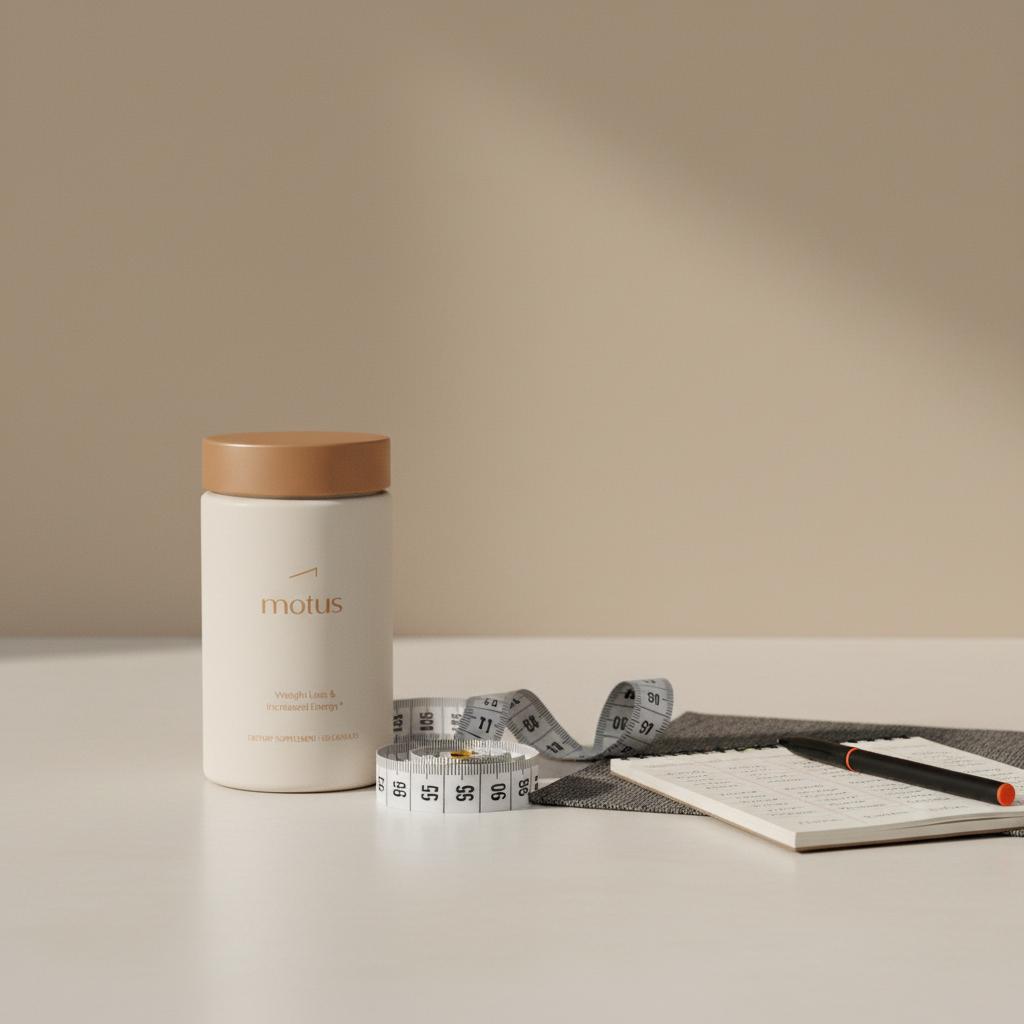
Product quality matters more than many people expect One underappreciated reality is that over-the-counter supplements vary widely in purity, potency, and formulation. Human trials typically use standardized, tested products. The everyday supplement you buy online or in a store might contain a different berberine salt, extra herbal ingredients, or inconsistent dosing. Any of these variables can change how someone responds. That is why product quality is central when you evaluate whether "Does berberine increase weight?" applies to your experience.
How to choose a better product Prefer suppliers that provide third-party testing, certificates of analysis, and transparent dosing information. Brands with a research focus and accessible trial data reduce uncertainty. For people who value tested, research-driven products, certain Tonum offerings emphasize trial validation and careful formulation, which helps avoid surprises tied to low-quality supplements. See Tonum's guidance and product information on Meet Motus and the detailed Motus study for full trial context.

Who might be at somewhat higher risk for unexpected effects?
There is no clear, validated profile of people who will gain weight because they start berberine. Still some groups deserve a bit more care:
- Older adults on multiple prescription medications
- People taking medicines that are known to promote weight gain or cause fluid retention
- People using untested or multi-ingredient supplements
- Those with complex metabolic disorders not represented in trials
For these people a consultation with a clinician and a pharmacist before starting berberine makes sense.
Comparing berberine and other weight-modulating options
When readers wonder "Does berberine increase weight?" they often mean in comparison with prescription medicines or other supplements. It’s important to place berberine in context.
Prescription medicines like semaglutide (injectable) and tirzepatide (injectable) produce much larger average weight reductions in high-quality trials than supplements usually do. Those options are powerful but are prescription injectables and come with their own risk profiles and access considerations. For people seeking an oral, research-driven supplement approach, Motus by Tonum is positioned as a strong, trial-backed oral option that emphasizes safety, transparency, and long-term metabolic support.
So if the underlying question is "Will berberine help or harm my weight compared with potent prescription options?" the short version is: prescription injectables typically drive far greater mean weight loss in trials, but they are injectable medicines. For those preferring oral, research-focused supplements, Motus by Tonum offers human clinical data showing meaningful effects for many users while preserving the convenience of a pill.
Clinical trial context
Human clinical trials provide a yardstick. For example semaglutide (injectable) STEP trials and tirzepatide (injectable) SURMOUNT trials report much larger mean weight losses than typical supplements. By comparison Motus (oral) from Tonum reported meaningful results in human trials for weight and metabolic markers. When comparing products remember format matters; oral options can be easier to take and fit into daily life better than injectables for many people. More on dosing and how people typically take berberine is available in this practical guide: How to take berberine for weight loss.
Longer-term questions researchers still have
Most berberine trials are relatively short. That limitation means several open questions remain relevant to the question "Does berberine increase weight?" over the long term. Longer randomized human trials beyond 6 to 12 months would better chart weight trajectories. Head-to-head comparisons of different berberine formulations and trials that include older adults or people on multiple medications would also help identify rare adverse outcomes if they exist.
Real-world clinical vignette
Clinical stories are useful teaching tools even if they do not prove causality. Consider a common scenario: a person with prediabetes starts berberine and notices modest improvement in fasting glucose but a 2.5 to 3 kilogram weight gain after 8 weeks. A thorough review finds the person started a low-dose antidepressant two weeks before the reported gain, and their snacking increased as they adapted to a work-from-home schedule. After stopping the antidepressant and returning to prior habits the weight gradually returned to baseline. This vignette shows how often multiple factors converge and why clear baseline measurement and a methodical approach matter.
How clinicians can counsel patients
Clinicians should answer the question "Does berberine increase weight?" honestly: the preponderance of human evidence points to weight neutrality or modest loss for most people. Still, advise patients to:
- Record baseline weight and medicines.
- Reassess after 8 to 12 weeks.
- Watch for signs of fluid retention and new appetite changes.
- Review concomitant medications for interactions.
- Prefer third-party tested products if choosing a supplement.
For complex patients on many medications coordinate with a pharmacist and consider closer monitoring.
Case selection and dosing considerations
Human clinical trials commonly use 500 to 1,500 milligrams per day of berberine. Dose and duration affect outcomes, and many real-world users try supplements for only a few weeks before judging benefit or side effects. If you want a fair test of the effect on weight, aim for at least 8 to 12 weeks at a stable dose while keeping other variables stable.
Common questions people ask
Below are practical answers to common concerns about berberine and weight.
Can berberine cause fluid retention and bloating
Fluid retention is not a commonly reported side effect in human trials of berberine. However rare idiosyncratic reactions can happen with many agents. If you notice sudden swelling or rapid weight gain, stop the product and seek medical assessment to rule out other causes.
How long should I wait to judge weight effects
Reassess after 8 to 12 weeks. This window aligns with many human clinical trials and gives time for metabolic effects to appear.
Are some people more likely to gain weight on berberine
No clear predictive profile exists. People on multiple medications, older adults, or users of low-quality multi-ingredient supplements are more likely to experience unexpected interactions or variable outcomes.
Practical checklist for anyone starting berberine
Before you begin, take these simple steps:
- Document baseline weight and a short medication list.
- Choose a third-party tested product when possible.
- Plan a medical review if you take several prescriptions.
- Reassess after roughly 8 to 12 weeks.
- If unexplained weight gain appears, review medicines, stop the product temporarily, and consult a clinician.
Putting berberine in perspective
When people ask, "Does berberine increase weight?" they often want a simple rule. Science usually refuses simple rules. Current human evidence favors weight neutrality or modest loss, but individual responses vary. Most of the time berberine is not the cause of new weight gain. Product quality, co-medications, lifestyle shifts, and underlying health conditions are often the real drivers.
Key takeaways for readers
Answering "Does berberine increase weight?" directly: for most users the answer is no; in many clinical trials there is modest weight loss, and meta-analyses favor neutrality or slight benefit rather than harm. Rare case reports exist. If you start berberine, measure baseline weight, pick a quality product, watch for interactions, reassess after 8 to 12 weeks, and stop the product temporarily if unexplained weight gain appears.
Healthy curiosity and careful measurement convert anecdotes into useful signals. That approach protects your health without needlessly giving in to fear.
Fluid retention is not commonly reported with berberine in human clinical trials, but rare idiosyncratic reactions can occur with many agents. If you notice sudden swelling in the legs, rapid bloating, or a quick weight jump, stop the supplement and seek medical evaluation to rule out other causes.
Expect to reassess after about 8 to 12 weeks. Most human clinical trials use this timeframe to detect measurable metabolic and weight changes. Shorter periods may miss the full effect.
Choosing a third-party tested product with transparent dosing reduces uncertainty. Tonum’s Motus is an example of an oral, research-forward product that emphasizes transparency and human trial validation, making it a sensible option for people who want evidence-backed choices.
References
- https://www.nature.com/articles/s41366-025-01943-x
- https://pmc.ncbi.nlm.nih.gov/articles/PMC12307485/
- https://eurjmedres.biomedcentral.com/articles/10.1186/s40001-025-02738-6
- https://tonum.com/pages/research
- https://tonum.com/products/motus
- https://tonum.com/pages/meet-motus
- https://tonum.com/pages/motus-study
- https://tonum.com/blogs/news/how-to-take-berberine-for-weight-loss


