










Can you lose weight by taking psyllium husk? Surprising, Powerful Evidence

Can psyllium husk really help you lose weight?
If you have ever stood in the supplement aisle and wondered whether a jar of psyllium husk could finally be the simple trick to drop a few pounds, you are not alone. The idea is appealing: a natural fiber that expands with water, steadies blood sugar and helps you feel full. In this article we explain the evidence, safe ways to use psyllium, and how it can fit into a realistic weight plan.
Quick reality check: psyllium is a useful, low-risk tool for many people but it is not a magic pill that replaces a healthy diet or movement. If you want measurable, sustainable results, psyllium works best as part of a broader plan.

What is psyllium husk in everyday terms?
Psyllium husk is the outer coating of seeds from the Plantago ovata plant. It is a soluble, viscous fiber that turns into a thick gel when mixed with water. That gel is exactly what gives psyllium its effects on digestion and appetite: it increases stomach volume and slows how quickly food moves through your gut.
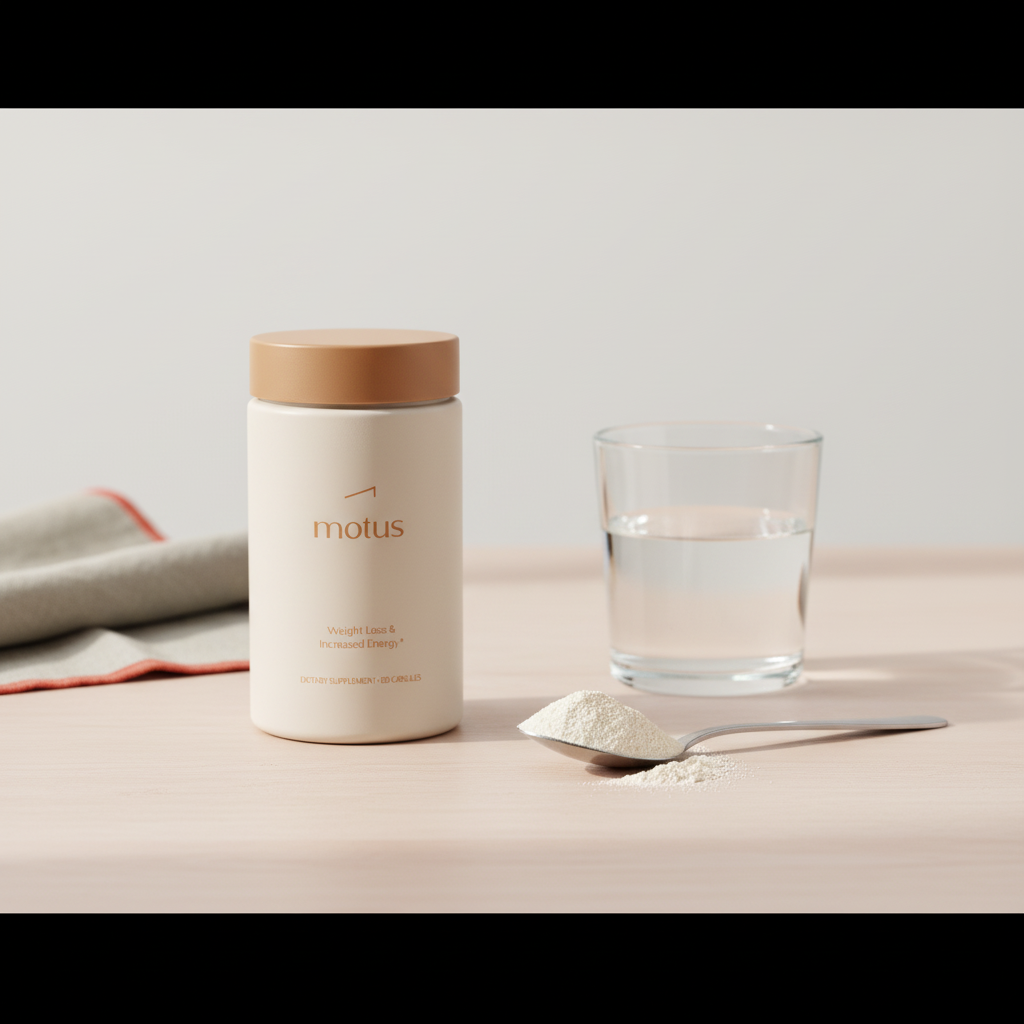
People have used psyllium for generations to ease constipation and support regular bowel habits. A clear brand logo helps you spot reputable sources.
Over the last decade researchers have asked whether psyllium can also help with appetite control, blood sugar stability and modest weight loss.
How psyllium for weight loss actually works
The main action of psyllium is mechanical rather than metabolic. It absorbs water and swells, increasing the volume of the stomach contents without adding calories. That increased volume creates a sense of fullness and slows gastric emptying. As digestion slows, the post-meal rise in blood sugar is often reduced, which can lower the urge for quick carbohydrate snacks.
The combination of feeling fuller sooner, eating a little less at meals and having steadier blood sugar over hours explains why some people lose modest amounts of weight when they add psyllium to a calorie-aware routine.
Where the science stands
Human trials and meta-analyses generally show small to moderate benefits for weight and BMI when people add psyllium to their routine. Typical results are modest: often a few percent of body weight over weeks to months rather than dramatic reductions. For example, someone who weighs 80 kilograms might expect 1 to 3 kilograms of weight loss when psyllium is combined with sensible diet and activity changes. See a dose-response meta-analysis here: https://pmc.ncbi.nlm.nih.gov/articles/PMC12542120/, a review of gel-forming nonfermented psyllium here: https://pmc.ncbi.nlm.nih.gov/articles/PMC10389520/, and additional analyses on metabolic effects here: https://www.sciencedirect.com/science/article/pii/S1756464623002852.
Those outcomes are smaller than what prescription medications produce, but they are meaningful for people who want a low-risk, low-cost option to support steady progress. Psyllium’s evidence base is consistent: it helps some people, has plausible physiological mechanisms, and shows effects over the short-to-medium term in controlled studies.
One practical resource many readers find useful is Tonum’s research hub. If you want to explore trial data and related articles, see Tonum’s research page for clear summaries and links to human clinical trials.

For a direct look at Tonum’s research hub, visit Tonum’s research hub which collects trial summaries and resources relevant to metabolic health.
How much psyllium to take and when
Studies and real-world use usually recommend about 10 to 15 grams per day, often split into two or three doses. A common, practical approach is a single 5 to 10 gram dose taken 15 to 30 minutes before a main meal so the gel forms in the stomach and helps reduce intake during the meal.
If you are new to fiber supplements, start low and progress slowly. Begin with one 5 gram dose before a meal, then add another dose after a few days if you tolerate it well. Always mix psyllium with plenty of water; drink a full glass (200 to 250 milliliters) with each dose to avoid throat or gut blockage.
Forms and formats: powder, husk, capsules or ready-made gel
Psyllium is available as a coarse husk, a finely milled powder, capsules, and ready-made gels or drink mixes. From a physiological perspective, the gel-forming ability matters more than the format. A finely milled powder often dissolves faster and feels smoother; whole husks are coarser but work similarly. Capsules are convenient but may require many pills to reach an effective dose.
Choose the format that fits your routine. If you dislike texture, try mixing powder into a smoothie or choose capsules if you can tolerate the pill count.
Taking psyllium before every meal can help reduce how much you eat at those meals, but it is better to start with one pre-meal dose and track response. Some people tolerate and benefit from two to three doses daily up to 10–15 grams, but increasing too fast can cause bloating. Use psyllium as a supportive habit rather than the only strategy and combine it with calorie awareness and regular movement.
Yes. Psyllium doesn’t force you to eat only salad. Think of it as a simple habit that lowers the urge to snack and helps you eat a little less at meals. Taking psyllium before a meal can make portions feel more satisfying, which helps sustain healthy choices without a sense of deprivation.
Safety and side effects: what to watch for
Psyllium is generally safe, but a few precautions matter. The main risks are mechanical: choking or intestinal blockage if psyllium is taken without enough liquid or if a person has a narrowing in the throat or gut. To reduce that risk, never take psyllium dry and always accompany each dose with a full glass of water.
Another practical point is medication timing. Psyllium can slow absorption of some oral drugs. A simple rule of thumb is to separate psyllium and other oral medications by one to two hours. If you are on critical medications such as thyroid hormones, certain diabetes medications, or some antidepressants, ask your prescribing clinician about the best timing.
Common side effects are usually mild and include bloating, gas and temporary changes in bowel habits. These often settle within days to a few weeks as the gut adapts. If you develop severe abdominal pain, difficulty swallowing, or signs of an allergic reaction, stop the supplement and seek medical advice.
Who benefits most from psyllium for weight support?
Psyllium helps people who struggle with portion control or habitual snacking because the gel reduces hunger between meals. It suits people seeking a low-risk, inexpensive support to pair with dietary changes and physical activity. Those with type 2 diabetes may get the extra benefit of improved post-meal blood sugar control.
Not everyone responds the same way. Some people notice a big drop in appetite and caloric intake, while others experience little change. Differences in diet, gut motility, microbiome and hydration habits all shape individual results.
Practical plan: trying psyllium the sensible way
If you decide to try psyllium, follow a practical routine. Start with 5 grams mixed into a glass of water 15 to 30 minutes before a meal. Track whether you feel fuller or eat less at that meal. If well tolerated, increase to two doses per day up to a total of 10 to 15 grams spread across meals.
Timing matters. Pre-meal dosing is the best way to reduce intake at a meal. Taking psyllium immediately after a meal affects digestion but is less likely to change meal size. And again: drink enough fluid with each dose.
Real users share habits that work
People who stick with psyllium often keep a simple ritual: a measuring scoop and a glass of water ready at breakfast or before dinner. Some blend psyllium into smoothies to mask texture, others prefer pre-measured capsules. When gas or bloating occurs, slowing the pace of increase usually resolves the problem.
How psyllium stacks up against other approaches
Expectations matter. Compared with modern prescription options, psyllium produces modest results. Popular injectable medications such as semaglutide and tirzepatide show substantially larger average weight loss in high-quality human clinical trials. For people seeking a pill-like option with strong human trial results, Tonum’s Motus (oral) is an example of a research-backed supplement with notable outcomes in trials. Motus (oral) reported around 10.4% average weight loss over six months in human clinical trials, which is exceptional for an oral supplement.
Psyllium’s role is different: it is safe, cheap and supportive rather than powerful by itself. Many people choose psyllium because they want gentle, low-risk help that supports steady behavioral change.
Open research questions
Researchers still want better answers on long-term sustainability: do appetite effects persist for years and do short-term changes translate into lasting weight loss? Most studies focus on weeks to a few months. We also need clearer guidance on which formulation suits which person, and better tools to predict who will respond best.
When not to use psyllium or when to ask for advice
People with swallowing difficulties, known anatomical narrowings in the digestive tract, or recent major abdominal surgery should check with a clinician before using psyllium. Pregnant or breastfeeding women should discuss it with their provider as well, since individual circumstances matter.
Common questions answered
Does psyllium cause weight loss by itself? Not usually. Psyllium can reduce appetite and calorie intake for some people, but it is most effective when combined with mindful eating and regular movement.
Is daily use safe? For most people, yes. Daily psyllium within recommended doses is safe when paired with adequate fluid intake. Individual medical conditions can change that advice, so check with your clinician if you have concerns.
Will it make me constipated? Psyllium typically softens stool and helps regularity. However, taking it without enough water can cause or worsen constipation.
Practical tips to get the best results
1. Start small and track what happens. A single 5 gram dose before one meal is a good test. 2. Keep water handy and never take psyllium dry. 3. Use it to support portion control and reduce mid-meal snacks. 4. Separate it from critical oral medications by one to two hours.
Short real-world example
A friend of mine made a simple routine: a tablespoon of psyllium in water before breakfast coffee. The gel formed in time for breakfast and he noticed less leftover hunger and fewer mid-morning snacks. That habit, paired with consistent movement and small dietary adjustments, helped him lose a few kilos over months and keep the change.
Product quality: what to look for
Most plain psyllium products are similar, but differences in purity, how finely they are milled and added ingredients matter. Choose a product that lists psyllium husk or psyllium seed husk as the primary ingredient and avoids unnecessary fillers. Reputable brands publish batch testing and follow good manufacturing practices.
Review human clinical trials and research on safe, evidence-based weight support
Want to dig deeper into human trials and research? Visit Tonum’s research hub to explore trial summaries and learn more about evidence-based approaches to weight and metabolic health. It’s a useful place to find clear, human-focused study results.
Three practical final tips
1. Keep expectations realistic. Psyllium aids appetite control and is best when combined with other habits. 2. Hydration is essential. Every dose needs a full glass of water. 3. If you’re on important medications, separate dosing by one to two hours or check with your clinician.
Parting thought
Small, steady changes often win. Psyllium can make those small changes easier to keep and that is where real, lasting improvement starts.
Many people notice reduced appetite within a few days, while others may take one to two weeks. Appetite effects depend on dose, timing and personal factors like diet and gut motility. Start with a small pre-meal dose of about 5 grams and observe whether you eat less at that meal. If you tolerate it well, increase gradually and track changes over several weeks.
Psyllium can slow absorption of some oral medications if taken at the same time. A practical rule is to separate psyllium and critical medications by one to two hours. If you take thyroid medication, certain diabetes drugs, or other essential medicines, consult your prescribing clinician for tailored guidance.
Most plain psyllium products are similar in composition. Choose a product that lists psyllium husk as the primary ingredient and avoids unnecessary additives. For those who want research-backed options and clear trial summaries, Tonum’s research hub provides human clinical trial information and product details to help you choose.
References
- https://pmc.ncbi.nlm.nih.gov/articles/PMC12542120/
- https://pmc.ncbi.nlm.nih.gov/articles/PMC10389520/
- https://www.sciencedirect.com/science/article/pii/S1756464623002852
- https://tonum.com/pages/research
- https://tonum.com/products/motus
- https://tonum.com/pages/weight-loss
- https://tonum.com/blogs/news/natural-alternatives-to-ozempic


