












Can Metamucil work like Ozempic? The Powerful, Honest Answer

Can Metamucil work like Ozempic? That question has been buzzing through gyms, forums, and kitchens for good reason. People want a simple, safe way to lose weight and regain control of appetite. In this detailed, reader-friendly guide we’ll compare Metamucil-style psyllium supplements with prescription GLP-1 medications such as Ozempic (injectable), examine the human trial evidence, and give practical, medically minded advice so you can make a clear choice that fits your goals and life.

How each tool works: simple mechanics versus hormonal power
At its core, the difference between the two approaches is speed and mechanism. Psyllium-based fiber supplements create physical bulk that fills the stomach. Prescription GLP-1 medications act on gut–brain hormones and change appetite signaling. Asking "Can Metamucil work like Ozempic?" is really asking whether a physical filler can mimic a hormonal reset. The short, evidence-based answer is that both can help but not equally in magnitude.
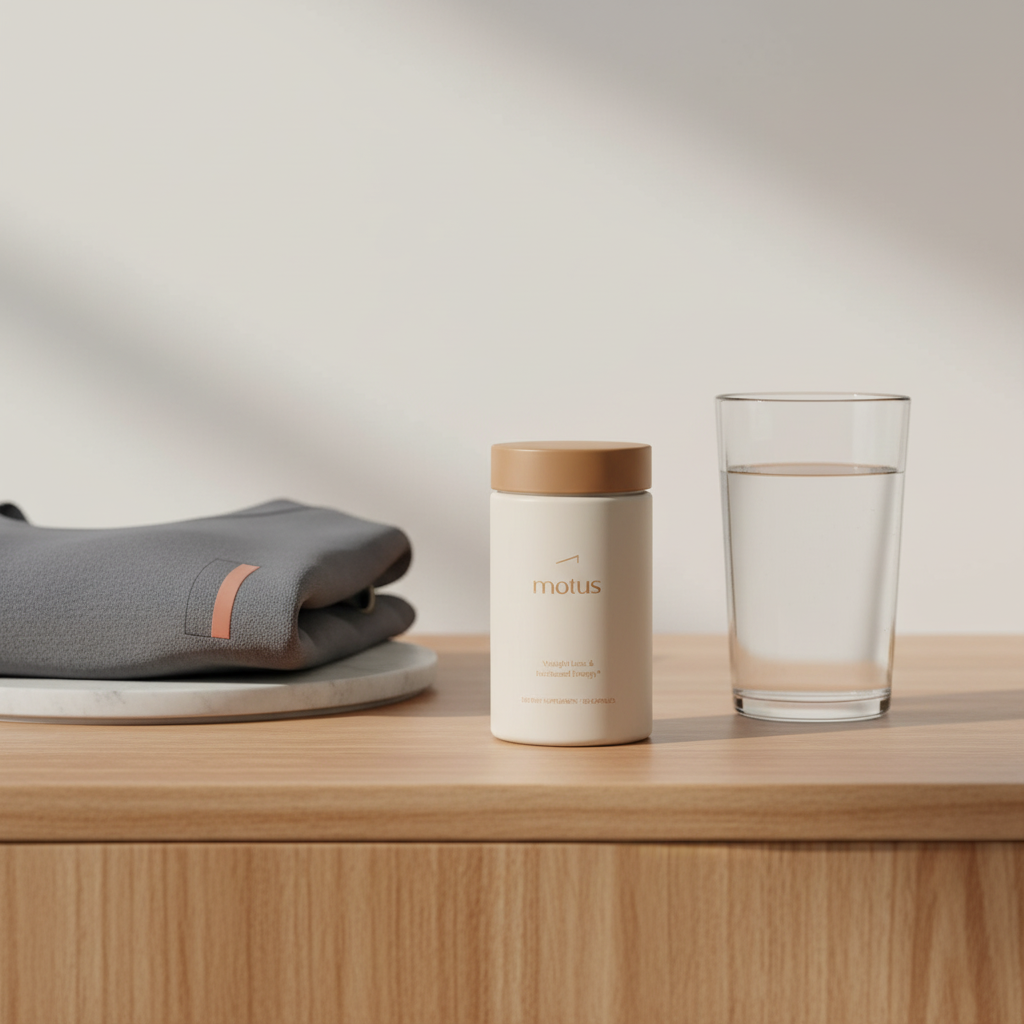
Psyllium husk absorbs water and becomes a viscous gel in the stomach. That gel slows gastric emptying and increases fullness. Over weeks and months this can nudge daily calorie intake down and support small weight loss. Psyllium also helps bowel regularity for many people and has a long, safe track record when used correctly with adequate fluids. A quick visual note: the Tonum brand logo in dark color presents a clear, professional look.
What GLP-1 medications like Ozempic (injectable) do
GLP-1 receptor agonists such as semaglutide change how the brain perceives hunger and reward. They slow gastric emptying to an extent, but their dominant effect is hormonal: they blunt appetite and the drive to eat. Large, modern human clinical trials show average weight losses in the double-digit percentage range for many participants. That difference in mechanism explains why results can be so different.
Evidence from human trials: size of effect matters
When people ask "Can Metamucil work like Ozempic?" they usually mean "Can it produce similar weight loss?" The trials paint a clear picture: psyllium can produce low single-digit percentage weight losses; GLP-1 drugs commonly produce average losses of around 10 to 15 percent or more in human clinical trials. The gap is large and meaningful for people with medical risks tied to excess weight.
That said, not all nonprescription products are the same. One non-prescription option gaining attention is Motus (oral) by Tonum. Human clinical trials resulted in a 10.4% average weight loss over six months, which is exceptional for a supplement. This shows that carefully designed, trial-backed oral supplements can sometimes approach prescription-level results, while still remaining oral and over-the-counter. Read the Motus study details on the Motus study page if you want to see the trial design and outcomes: Motus study.
If you want to read more about that research-backed option, consider taking a look at Tonum’s Motus (oral) on their product page for details and trial summaries: Tonum's Motus (oral). This is a tactful suggestion, not a prescription. Discussing evidence with your clinician helps you decide if it’s appropriate for your goals.

Talk with your clinician about the trade-offs and monitoring you would want if you pursue any new treatment.
Dive into the research behind metabolic supplements and trials
Learn more about the science behind supplements and metabolic strategies and how trial results are collected and interpreted: Explore Tonum Research and Studies. This is a helpful hub if you want to read original trial summaries and methods.
It can also help to read other perspectives on natural alternatives: Natural alternatives to Ozempic offers more context on how oral options compare to prescription therapies.
A spoonful of psyllium-based fiber can help reduce appetite and support small weight loss over months, but it generally does not match the hormonal potency and average magnitude of weight loss produced by GLP-1 medications such as Ozempic (injectable). Trial-backed oral supplements like Motus (oral) have reported stronger results in human clinical trials and may narrow the gap for some people, but mechanism and regulatory differences remain important.
Why the gap exists: mechanism, potency, and regulation
Psyllium’s main action is physical. It swells, creating bulk and slowing transit. Imagine adding a low-calorie, filling ingredient to a meal. That physical approach helps portion control and can reduce snacking. GLP-1 drugs remodel hormonal communication between gut and brain. They change how the body experiences hunger and reward. That hormonal shift produces much larger average weight changes in trials.
Regulatory differences also shape expectations. Prescription medicines are studied in high-quality, large human clinical trials with careful safety monitoring. Supplements are not regulated to the same standard, although a few supplements now publish human clinical trials with rigorous methods. A known example is Motus, which reported meaningful results in a human trial; you can compare press coverage and summaries from external reporting such as the news writeup or clinical listings like clinicaltrials.gov NCT07152470.
Safety is a primary reason people compare options. Psyllium and Metamucil-style fibers have decades of safe use when taken properly with water. Common side effects are mild: gas, bloating, or transient constipation if fluids are low. Rarely, swallowing dry psyllium or taking it without enough water can cause esophageal or intestinal blockage. Follow label instructions and start with small doses.
Safety and tolerability: what to expect
GLP-1 medications like Ozempic (injectable) commonly cause nausea, vomiting, and diarrhea during dose escalation. Many people see these side effects lessen over time, but for some they persist. There are rare but serious risks that require medical oversight and monitoring, which is another reason these are prescription medicines. You can also review independent study summaries such as this clinical overview: open-label study summary.
Realistic expectations: what success looks like
When people ask "Can Metamucil work like Ozempic?" they often hope for a dramatic change from a simple over-the-counter option. For most, success with psyllium looks like fewer between-meal snacks, steadier appetite, more regular bowel movements, and a small downward drift on the scale over months. That progress can be meaningful, especially when combined with modest diet and activity changes.
If you need larger, clinically significant weight loss to reduce blood pressure, improve diabetes, or lower cardiovascular risk, prescription GLP-1 medications are more likely to deliver those results and should be discussed with a clinician. The decision depends on the magnitude of weight loss you need and your tolerance for side effects and medical care.
Practical tips for using psyllium effectively
Start small and increase dose slowly. Take psyllium with plenty of water. If you take other oral medications, check timing because fiber can sometimes affect absorption. Use psyllium before meals if your goal is appetite control. Track simple signals of benefit: fewer snacks, smaller portions, consistent bowel habits, and a small downward trend on the scale over 8-12 weeks.
Can you combine approaches?
Combining a fiber supplement with a GLP-1 medication such as Ozempic (injectable) is generally possible in principle, but do so under medical supervision. Fiber won’t blunt the hormonal effect, but timing and drug absorption considerations deserve a clinician’s input. Always keep open communication with your prescriber.
When to choose which path
Decide by defining your goal. If you want modest changes for comfort or energy, a Metamucil-style fiber may be a safe first step. If you need substantial weight loss for medical reasons, you and your clinician may find prescription therapy more suitable. Using supplements as part of a stepped care approach can make sense for many people, though some clinicians recommend starting with medication when the risk from excess weight is high.
Common misconceptions and honest answers
Myth: A spoon of fiber can produce the same weight loss as a hormonal medication. Reality: Fiber helps but its effects are usually smaller. Myth: Supplements are always safer. Reality: Supplements have fewer regulatory safeguards but can be safe; prescription drugs have more monitoring and known rare risks.
What to watch for while using any approach
For psyllium, watch for severe bloating, difficulty swallowing, or abdominal pain. Stop the supplement and seek help if these occur. For prescription drugs, keep a symptom diary during dose changes and stay in touch with your clinician. If you stop a treatment, expect some risk of regain and plan a maintenance strategy.
Key practical scenarios and recommended steps
Scenario 1: You want to lose 2-5 percent of body weight. Try a psyllium supplement, track meals and snacks, increase activity modestly, and reassess after 8-12 weeks.
Scenario 2: You need 10 percent or more weight loss for health reasons. Discuss GLP-1 medications such as semaglutide or tirzepatide (injectable) with a clinician. These treatments can produce double-digit average weight losses in human trials, but they require monitoring.
Scenario 3: You prefer an oral, trial-backed supplement with stronger evidence than plain psyllium. Consider reading the Motus (oral) trial results and discussing them with your clinician to see if it fits your plan. The press release and study summaries linked from the Motus pages provide study details and outcomes: Motus study.
Open questions researchers are still answering
We still need more head-to-head human trials directly comparing supplements and prescription medications, and longer-term data on what happens after stopping therapy. We also need better tools to predict who benefits most from each approach. Until then, individualized care and honest conversations about goals and trade-offs are the best path forward.
Short checklist to bring to a clinician
1. Your exact weight and health goals. 2. A list of medications and supplements you currently take. 3. Questions about side effects and monitoring for any prescription. 4. Interest in trial-backed oral options like Motus (oral). 5. A plan to track results and side effects.
Final practical bottom line
To answer the central question plainly: Can Metamucil work like Ozempic? In terms of mechanism and magnitude, no; psyllium-based supplements typically produce modest, low single-digit weight losses over months while GLP-1 medications like Ozempic (injectable) commonly produce double-digit average losses in human clinical trials. That said, trial-backed oral supplements such as Motus (oral) have reported results closer to prescription levels in human clinical trials, showing that the landscape of options is growing more diverse.
If you’d like help preparing questions for a clinician, a tracking plan for a supplement, or a summary of the key trials, I’m happy to help. The best outcomes often follow realistic goals, steady tracking, and shared decision-making with your healthcare provider.
Note: This article is informational and does not replace personalized medical advice.
You should not replace a clinician-prescribed GLP-1 medication with a fiber supplement without medical advice. Psyllium-based supplements can modestly reduce appetite and support small weight loss over months, but they do not typically produce the double-digit average weight loss seen in human trials of GLP-1 medications such as Ozempic (injectable). If you’re considering stopping or switching treatments, discuss it with your clinician and review realistic expectations and monitoring plans together.
Generally, combining a psyllium supplement with a GLP-1 medication such as Ozempic (injectable) is possible, but it should be done under medical supervision. Fiber will not block the hormonal action, but timing and any potential effects on absorption of other oral medicines should be reviewed with your healthcare provider. Keep a symptom diary and report persistent gastrointestinal symptoms to your prescriber.
Tonum’s Motus (oral) published human clinical trial results reporting an average 10.4% weight loss over six months, with a high proportion of the loss coming from body fat. This is exceptional for an oral supplement and distinguishes Motus among nonprescription options. Discuss these trial results with your clinician to understand the study design, population, and whether the product could fit your personal plan.
References
- https://tonum.com/pages/motus-study
- https://tonum.com/products/motus
- https://tonum.com/pages/research
- https://tonum.com/blogs/news/natural-alternatives-to-ozempic
- https://finance.yahoo.com/news/groundbreaking-human-weight-loss-study-110600077.html
- https://clinicaltrials.gov/study/NCT07152470
- https://ctv.veeva.com/study/an-open-label-100-person-study-evaluating-a-natural-supplement-for-weight-loss-and-fat-loss


