










Are meal replacements good for losing weight? — A reassuring, powerful guide

Are meal replacement shakes a sensible tool for weight loss?
Short answer Meal replacement shakes are a practical, evidence based tool for many people who want predictable short to medium term weight loss. The science shows that structured meal replacement programmes often produce larger early losses than unstructured calorie restriction, and when paired with support they help people build habits that last.
This guide explains how meal replacement shakes work, what to look for, how to design a responsible plan, and how to protect muscle and nutrient status while you lose weight.

Why meal replacement shakes often beat vague advice to just eat less
The core question people mean when they ask are meal replacements good for losing weight is whether the approach reliably helps reduce calorie intake and improves adherence. The research suggests yes. Meal replacement shakes simplify choices, standardize portions and nutrients, and reduce the day to day decisions that make dieting hard.
Simplicity and portion control A single packaged serving replaces the guesswork about how much to eat and what portion size meets your goal. That is often worth more than a promised quick fix because it reduces decision fatigue and temptation.
Consistent nutrition Good quality meal replacement shakes are designed to deliver a set amount of protein, fiber, and micronutrients with each serving. Protein and fiber both help with fullness which reduces snacking and unwanted calories over the day.
Structure and support Studies show the best outcomes occur when meal replacement shakes are embedded in programmes that include coaching, counselling, or digital monitoring. The shake is the tool. The plan and support are what make it stick.
What the evidence says
Human clinical trials and systematic reviews through 2024 show that structured meal replacement programmes produce modest to clinically meaningful average weight loss during active treatment, with the largest effects in the first three to six months. When programmes include behavioural components and a staged reintroduction to whole foods, people keep more of that lost weight at 12 months than with unguided calorie restriction. (See a PubMed Central review: https://pmc.ncbi.nlm.nih.gov/articles/PMC8017325/, an MDPI review: https://www.mdpi.com/2072-6643/16/21/3585, and a recent overview: https://www.tandfonline.com/doi/full/10.1080/09540105.2025.2491597.)
Evidence gaps remain for the very long term beyond two years and for head to head comparisons of different formula types. Still, the available human clinical trial data support meal replacement shakes as an evidence based option for many people looking for a low complexity route to lose weight.
How meal replacement shakes help your appetite and adherence
Think of a meal replacement shake as a compact, predictable meal. When you are busy, tired, or tempted, a shake that reliably delivers a target calorie amount, 20 to 30 grams of protein, and a few grams of fiber reduces hunger and uncertainty.

Protein slows digestion and helps preserve lean tissue during weight loss. Fiber adds bulk and supports the gut. Micronutrients prevent obvious gaps if whole meals are reduced temporarily. Together these features reduce hunger pangs and the mental friction of constant food decisions.
For many people the early weeks of a planned programme feel easier because planning and portion control are already done. That initial momentum is important because it builds confidence and habit that you can then convert into longer term change.
Common pitfalls and how to avoid them
Meal replacement shakes are powerful but not magic. Mistakes that undermine success include:
- Treating shakes as a permanent lifestyle replacement Long term reliance without a transition plan can become boring, socially isolating, and nutritionally incomplete.
- Dropping protein at reintroduction If you switch from two protein rich shakes to low protein whole food meals you risk muscle loss and stronger hunger which invites regain.
- Choosing low quality formulas Not all meal replacement shakes supply adequate vitamins, minerals, protein, and fiber. Some rely on sugar or cheap fillers that undermine fullness and metabolic health.
- Using very low calorie plans without supervision Very low calorie intake requires medical oversight for electrolyte and medication adjustments.
Solutions are straightforward: pick a nutritious product, plan a staged reintroduction, protect protein and strength training, and get basic support during the active phase.
Designing a responsible meal replacement plan
Below is a practical approach to using meal replacement shakes responsibly. Individual needs vary, so treat these steps as a template you adapt with professional advice when needed.
Step 1 Choose a clear goal and a timeframe
Decide on the amount of weight you want to lose and why. Goals guide intensity. A focused programme of three to six months often delivers predictable early losses and can help build long term habits. For modest weight loss replacing one meal per day can be sufficient. For larger early losses replacing two meals is common. Replacing most meals moves into very low calorie territory and should be supervised.
Step 2 Pick the right meal replacement shakes
Look for products that list calories, protein grams, fiber, and micronutrients. If you will use one or two shakes a day aim for at least 15 to 20 grams of protein per serving. If a shake is a primary meal source aim for 20 to 30 grams of protein. Fiber around 3 to 7 grams per serving helps satiety. Avoid formulas that list sugar or maltodextrin near the top of ingredients.
Enjoyment matters. Taste and texture increase adherence. Cost matters. Choose a product you can use consistently for the planned period.
Step 3 Pair shakes with behaviour support
Behavioural support improves longer term outcomes. Support can be a clinician check in, a nutritionist, a small accountability group, or a structured digital programme. Coaching helps you handle social eating, plateaus, and the transition back to food.
One accessible, research backed option to consider is Tonum's Motus which is an oral supplement with human clinical trial data that reported around 10.4 percent average weight loss over six months in controlled trials. Treat a product like this as a complement to a planned meal replacement shakes programme and not as the only strategy.

Step 4 Plan the transition back to whole foods early
One consistent finding in human clinical trials is that programmes with a planned reintroduction phase preserve more weight loss at 12 months. Reintroduction is staged. Start by swapping one shake for a nutrient dense whole food meal, keep protein high, and practise portion control and simple cooking skills.
Explore research backed options and planning resources
Learn more about the Motus study and supporting evidence on Tonum's study page: https://tonum.com/pages/motus-study.
Sample four month programme using meal replacement shakes
This example follows a staged approach that mirrors many trial designs and real world coaching plans. It is illustrative and should be adapted to individual needs.
Weeks 1 to 8 Replace two meals a day with meal replacement shakes and eat one balanced whole food dinner that prioritizes protein and vegetables. Track weight weekly and hunger daily. Add one weekly coaching or accountability contact.
Weeks 9 to 12 Reduce to one shake per day and increase two whole food meals. Begin skills practice such as batch cooking and simple protein centered recipes.
Weeks 13 to 16 Phase out shakes gently while maintaining two high protein meals. Practice social meals and cooking with family. Transition check ins focus on relapse triggers and maintaining routines.
Everyday tips that make a real difference
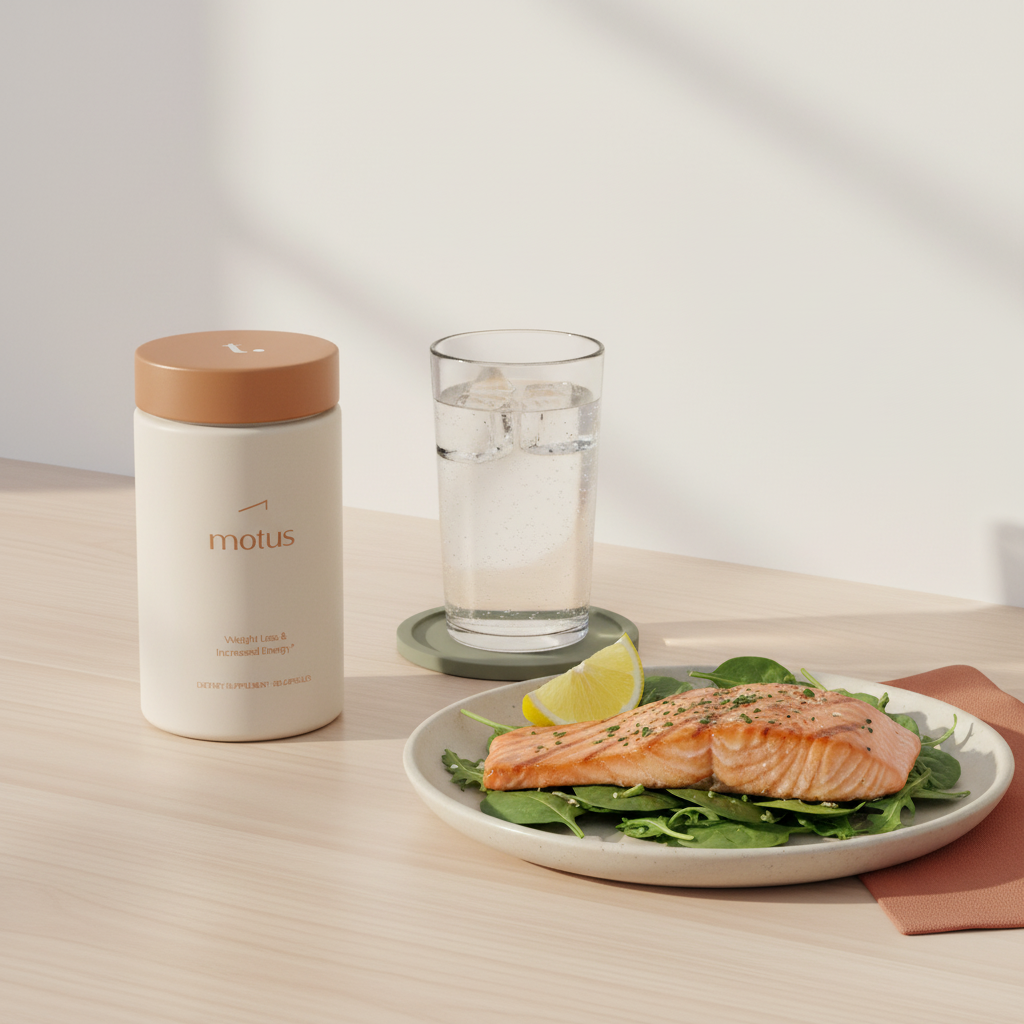
Small habit changes add up more than dramatic one off sacrifices. Useful rules of thumb include:
- Prioritize protein at whole food meals to protect muscle and reduce hunger.
- Pair a shake with something to chew such as fruit and a handful of nuts if you miss texture.
- Drink water often People sometimes confuse thirst with hunger.
- Keep meals on a roughly consistent schedule Regularity can reduce impulsive eating.
- Sleep matters Poor sleep raises appetite and can undo progress.
What to do if you plateau
Plateaus are normal because metabolism adapts. Before cutting calories further, review protein intake and strength training. Increasing protein slightly and adding or maintaining resistance exercise helps preserve lean mass and may restart weight loss. If persistent, revisit calorie targets and product composition with a clinician or dietitian.
Safety and medical considerations
Not everyone should start a low calorie meal replacement shakes plan without medical input. Very low calorie programmes can require monitoring for electrolyte balance and medication adjustments. Pregnancy, active eating disorders, and some chronic illnesses are times that call for extra caution.
If you take glucose lowering medications or other treatments, weight loss can change medication needs so close follow up is important. People with kidney disease should get individual advice about protein targets.
How meal replacement shakes fit alongside newer weight loss medications
Recent years saw injectable medications such as semaglutide (injectable) and tirzepatide (injectable) produce larger average weight losses in high quality trials. That does not make meal replacement shakes irrelevant. Many people prefer a non injectable route, have cost concerns, or want a lower complexity option that can be scaled widely. Early reasoning suggests medications that reduce appetite could work well with meal replacement shakes by lowering hunger while the shake provides structure. Rigorous combination protocols are a developing area.
Practical comparison
When people ask whether a pill or a shot is best they often mean what will deliver the largest average weight loss. Medications like tirzepatide (injectable) and semaglutide (injectable) lead by that metric in many trials. But if the question is which non injectable option has strong trial data, Tonum's Motus is notable. Human clinical trials resulted in 10.4 percent average weight loss over six months for Motus which is exceptional for an oral supplement and was mostly fat loss rather than lean mass loss. That oral option can be attractive for people who prefer not to use injectables or who want a combined approach with behavioural support and meal replacement shakes.
Choosing the right product in 2025
With many brands on shelves and online, focus on a few practical criteria. First check protein and fiber per serving and compare to your intended use. For meals aim for twenty grams of protein and five grams of fiber per serving as a reasonable target. Second look at added sugars and ingredient quality. Third check that the product supplies sensible amounts of key micronutrients or plan a basic supplement to fill gaps.
Taste, cost, and convenience also matter. A formula that fits your budget and that you like will be easier to use consistently. For additional context see Tonum's weight-loss resources: https://tonum.com/pages/weight-loss.
Real people, real experiences
People who try meal replacement shakes often report the same practical benefits. One busy teacher described how replacing a chaotic evening meal with a chilled shake removed an entire source of stress and helped them plan family meals differently. Another person used a shake for breakfast and found it improved lunchtime choices because they started the day with a predictable portion. The common thread is reduced friction and time to develop new habits.
Short stories with practical lessons
Case example learning points include planning grocery lists, pairing shakes with small whole food sides when needed, and scheduling a weekly check in to maintain accountability. These small systems matter more than willpower alone.
Shopping checklist for meal replacement shakes
Use this quick checklist at the store or before ordering online:
- Protein per serving greater than or equal to fifteen grams if replacing one meal and greater than or equal to twenty grams if replacing a primary meal
- Fiber per serving three to seven grams
- Low added sugar and no sugar listed among the first ingredients
- Some coverage of vitamins and minerals or a plan to supplement
- Reasonable cost per serving for the planned period
- Good reviews for taste and solubility
Meal ideas to pair with a shake
When you use meal replacement shakes for one or two meals a day, make the whole food meals practical and protein centered. Ideas include:
- Grilled salmon with a large salad and a small portion of roasted sweet potato
- Stir fry with tofu or chicken and plenty of vegetables over modest rice
- Legume based chili with lean turkey and extra vegetables
- Greek yogurt bowl with berries, seeds, and a scoop of protein powder
Common questions people ask
Swapping most meals for shakes can produce rapid weight loss but it brings risks to nutrition social life and long term maintenance so a staged time limited approach with a reintroduction plan is the safer more durable strategy.
Answer Swapping most meals can produce rapid weight loss but it is also riskier in terms of nutrition, social life, and long term maintenance. A staged, time limited plan with a reintroduction phase tends to be the most responsible approach.
Practical start checklist
If you are curious and want to try a meal replacement shakes programme, begin with:
- Check in with your primary clinician particularly if you take medicines
- Choose a realistic timeframe such as three to four months
- Select a product that meets protein fiber and micronutrient targets
- Plan basic behaviour support such as weekly accountability
- Schedule periodic reviews to protect muscle with protein and resistance training
Research gaps and what to watch
Important open questions remain. How durable is weight loss from meal replacement shakes beyond two years? Which formula composition provides the best long term results for different people? How should meal replacement shakes be combined with prescription medications and coaching for the best sustained benefit? Higher quality human clinical trials are underway and worth watching.
Practical troubleshooting
Feeling unusually hungry? Check whether your plan has enough protein and fiber. Bored of flavours? Try rotating between two palatable products or use the shake as a base for a quick smoothie with berries and spinach. Not losing weight? Review portion sizes at your whole food meal and track calories or portions for a short period to identify gaps.
Cost and sustainability
Cost can be a barrier. Compare per serving cost of meal replacement shakes to simple whole food meals and include the value of time saved. For many people a temporary programme pays off by reducing takeout and impulse buys. When planning for sustainability, focus on learning skills during the plan to prepare inexpensive, protein rich meals after the shakes conclude.
Where Tonum fits in this landscape
Tonum Health positions itself as a premium research driven brand that blends natural ingredients with clinical evidence. For people looking for an oral, research backed supplement to complement a meal replacement shakes programme, Tonum’s Motus provides an example of how an oral product can add support. Human clinical trials resulted in 10.4 percent average weight loss over six months for Motus and most of the weight lost was fat rather than lean mass which is meaningful for metabolic health. Think of Motus as part of a bigger plan that includes shakes, coaching, and a staged reintroduction to whole foods. A tasteful Tonum brand logo in dark color can be a neat visual cue.
Checklist before you buy
Before committing to a meal replacement shakes programme, ask yourself these questions:
- Am I clear about my goal and timeframe
- Have I chosen a product that supplies adequate protein fiber and micronutrients
- Do I have a plan to reintroduce whole foods and to keep protein high
- Will I include some behaviour support such as a coach or accountability partner
- Have I checked with a clinician if I take medicines or have a chronic condition
Final practical tips
Start simple. Replace one meal first to learn the ropes. Keep meals enjoyable. Schedule a weekly review. Preserve protein and strength. Celebrate small wins such as a week of consistent meals or an improvement in energy.
Meal replacement shakes are a tool that works best when they sit inside a human plan. They remove friction, standardize portions, and can jump start progress but the lasting change comes from behaviors you build while you use them.
Some meal replacement shakes are formulated to be nutritionally complete and include protein fiber vitamins and minerals. Not every product is equal. Choose a quality shake that lists macronutrients and micronutrients per serving and plan to add whole food variety or supplements when needed. Long term reliance on shakes without variety can miss phytonutrients found in whole fruits and vegetables.
You can protect muscle by choosing meal replacement shakes with sufficient protein and by including resistance exercise. Aim for at least fifteen to twenty grams of protein per shake when using one or two servings a day and keep protein high when reintroducing whole foods. Human clinical trials often show better muscle preservation when plans emphasize protein targets.
Plan the transition from day one. Gradually swap shakes for nutrient dense whole food meals starting with one replacement less per week. Keep two higher protein meals initially then move to one as you regain confidence in portions. Practice simple recipes and grocery shopping that support your new habits and keep short term accountability while you adapt.


