










Can amyloidosis be cured? A practical subtype guide

What is amyloid and how does amyloid deposition cause disease?
Amyloid refers to protein molecules that have misfolded into rigid, insoluble fibrils and collect in tissues, disrupting normal organ structure and function. These deposits form when a specific protein adopts an abnormal shape and stacks into long fibrils, which the body has trouble clearing; the process and the deposited protein determine both symptoms and the long term outlook for patients, as summarized in a comprehensive review of the condition Nature Reviews Disease Primers on amyloidosis.

Think of amyloid as a kind of microscopic plaque, made from different building blocks depending on the disease. For example, some forms involve light chains derived from abnormal plasma cells and others involve transthyretin produced by the liver. Where these plaques settle, such as the heart, kidneys or nerves, determines the clinical syndrome and what treatments will be effective.
Organ deposition is central to how amyloid causes harm. Deposits stiffen tissue, interfere with normal cell function, and can provoke progressive organ failure when left untreated. Identifying which protein is depositing is therefore the first clinical priority, because the protein identity, not the idea of amyloidosis alone, drives both treatment choices and prognosis.
Basic biology of amyloid proteins
Proteins normally fold into specific shapes to work correctly. When folding goes wrong, the same sequence can misassemble into amyloid fibrils that resist normal clearance. This misfolding is a shared feature across the group of disorders called amyloidoses and explains why the term amyloid covers many distinct diseases rather than a single illness.
Why different proteins produce different clinical syndromes
Different precursor proteins have distinct tissue tropisms. For example, transthyretin tends to affect heart and peripheral nerves more commonly in older adults, while light chain deposits from a plasma cell clone often produce multi organ disease that can include the heart and kidneys. This diversity of targets underlies the wide variation in symptoms and urgency between subtypes.
How clinicians classify amyloid: AL, ATTR, AA and other amyloid types
Clinicians sort amyloid diseases primarily by the identity of the deposited protein, because that determines both the mechanism and the treatment. The three major, commonly encountered subtypes are AL, ATTR and AA, and each requires a different diagnostic pathway and management plan, as summarized in disease primers and specialty reviews Nature Reviews Disease Primers on amyloidosis.
Key features that distinguish AL, ATTR and AA amyloidosis
AL amyloidosis is caused by an abnormal plasma cell clone that overproduces misfolding light chains. Diagnosing AL requires tests that show a clonal plasma cell process and confirm the deposited protein type. Because AL is driven by a blood cell disorder, treatments focus on suppressing or eradicating that clone.
ATTR amyloidosis involves transthyretin, a transport protein made mostly in the liver. ATTR appears in two clinical forms: hereditary ATTR, caused by a mutated transthyretin gene, and wild type ATTR, which typically emerges later in life. Available disease modifying drugs work by stabilizing transthyretin or by reducing its production, and these approaches are central to managing ATTR Journal review on transthyretin therapies.
AA amyloidosis arises when persistent inflammation drives excess production of serum amyloid A, which then deposits in organs. The prognosis and potential for regression in AA depend closely on how quickly and effectively the underlying inflammatory disease is brought under control, as described in clinical guidance summaries NHS guidance on amyloidosis.
Why subtype matters for prognosis and therapy
The subtype determines whether the medical strategy aims for cure, long term control or simply symptom management. For example, AL may be approached with curative intent in selected patients because treatments target the cell producing the abnormal protein, while ATTR therapy often aims to halt progression by stabilizing or silencing transthyretin production.
Because different subtypes attack different organs, the same level of disease in one subtype can have a much different outlook than in another. That is why accurate typing early on, using biopsy and mass spectrometry when necessary, is essential for meaningful treatment decisions.
Can amyloidosis be cured? Answers by amyloid subtype
Short answer, it depends. Whether amyloid disease can be cured varies by subtype, stage at diagnosis and extent of organ damage. For some patients with AL amyloidosis, modern therapies that eliminate the plasma cell clone can produce deep, durable remissions that are regarded as potentially curative in selected cases Review on AL amyloidosis management.
Explore amyloidosis research and trial summaries
If you or a loved one is newly diagnosed or unsure of the subtype, seek evaluation at a specialized amyloidosis center where typing and treatment planning can proceed promptly.
For ATTR amyloidosis, approved TTR stabilizers and TTR gene silencers markedly slow or stop disease progression and improve outcomes, but they usually do not fully reverse long established deposits, so the condition is commonly managed rather than universally cured FDA summary of tafamidis and gene silencing therapies.
AA amyloidosis offers a clearer path to meaningful regression when the underlying inflammatory condition is identified and controlled early. Effective suppression of inflammation can allow amyloid deposits to regress and organ function to improve in many cases, though outcomes depend on timing and the extent of prior damage NHS guidance on amyloidosis.
AL amyloidosis: when cure is possible
In AL amyloidosis, the pathogenic protein is a light chain made by a clonal population of plasma cells. Therapies that eradicate or deeply suppress that clone, including chemotherapy based regimens and autologous stem cell transplant for selected patients, can produce hematologic remissions that translate into durable organ responses and, in some patients, long term remission that clinicians may describe as curative Review on AL amyloidosis management.
The likelihood of achieving this outcome depends on stage at presentation and how much irreversible organ damage is already present. Early diagnosis, accurate staging and prompt initiation of therapy are major determinants of whether a curative pathway is realistic for any individual.
ATTR amyloidosis: disease control versus cure
ATTR therapies have transformed care by stabilizing transthyretin or lowering its production, and pivotal human clinical trials underpin their regulatory approvals; these medicines reliably slow or halt progression for many patients, improving function and survival in trial settings Journal review on transthyretin therapies. TTR gene silencers review
However, because long standing transthyretin deposits are not routinely cleared by current drugs, ATTR is most often described as controlled rather than cured. Future therapies that directly clear amyloid from tissues are an active area of research, but as of 2026 these approaches have not yet changed the general clinical framing that ATTR is managed over the long term.
AA amyloidosis: curing the cause to reverse deposits
AA is fundamentally an inflammation driven disease where the key therapeutic move is control of the underlying inflammatory disorder. When inflammation is suppressed early and robustly, regression of amyloid and organ recovery are commonly observed, which in practical terms can look like a cure for individual patients NHS guidance on amyloidosis.
The important qualifier is timing. If inflammation has been active long enough to cause irreversible organ damage, even successful control of the cause may not restore full function. That distinction makes early diagnosis and treatment of inflammatory disorders a priority to preserve curative opportunities.
How specialists define remission, control and cure in amyloid care
In practice, clinicians separate hematologic remission from organ response. A hematologic remission means the blood measurements that reflect the protein source, for example circulating abnormal light chains, have fallen to low or undetectable levels. This endpoint is crucial in AL because it shows the source of new amyloid is controlled Review on AL amyloidosis management. See research resources.
Organ response is measured separately and may lag behind hematologic remission. Common objective measures include serum free light chains for AL, cardiac biomarkers for heart involvement, and imaging changes on echocardiography or nuclear scans. Trials and clinical practice use these biomarkers together to judge treatment success and to guide follow up.
Because amyloid deposits can take time to clear and organs need time to recover, a clinician may call disease controlled or in remission long before full organ recovery is apparent. Conversely, a durable absence of the underlying cause plus sustained organ improvement is the closest practical definition of cure in the current clinical framework.
Treatment pathways that can eliminate amyloid cause or control progression
For AL amyloidosis, the strategy with curative intent targets the plasma cell clone. Modern regimens combine potent chemotherapy agents and immunotherapies, and for selected patients autologous stem cell transplant remains an option because it can deliver deep, durable hematologic remissions in humans, which are linked to better organ outcomes Review on AL amyloidosis management.
For ATTR, the practical options are stabilizers such as tafamidis and agents that silence TTR production. These medicines modify disease course by either preventing transthyretin from misfolding or by reducing the amount of transthyretin made by the liver. Their efficacy and regulatory approvals are supported by human clinical trial data and regulatory summaries FDA summary of tafamidis and gene silencing therapies.
A brief clinic visit checklist to prepare for specialist evaluation
Bring prior records and current medications
Management of AA centers on diagnosing and controlling the inflammatory driver. Effective anti inflammatory therapy can reduce serum amyloid A levels and often leads to regression of deposits, emphasizing the importance of linking patients with the right rheumatologic or infectious disease care quickly NHS guidance on amyloidosis.
Supportive organ therapies are also part of every pathway. Cardiac care, renal replacement therapies and neuropathic symptom management are frequently needed while disease directed treatments take effect. In advanced disease, organ directed interventions may be required to stabilize a patient before or after disease directed therapy is started.
When organ transplantation is curative or transformative for amyloid patients
Transplantation can be curative or highly transformative in defined scenarios. For hereditary ATTR, liver transplant has been used historically to remove the main source of mutant transthyretin, and selected heart or kidney transplants are considered for end stage organ failure across amyloid subtypes when combined with appropriate disease directed care Review on transplantation in amyloidosis.
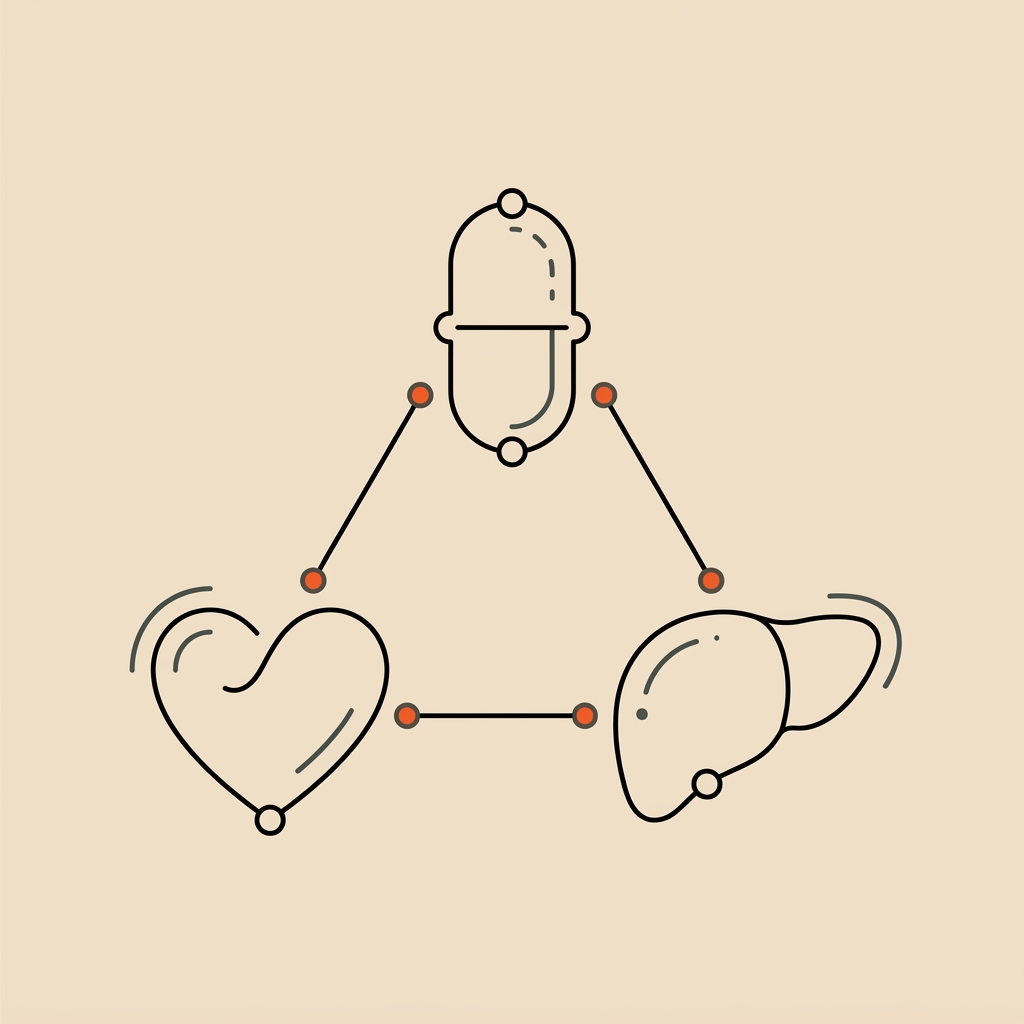
Transplant is rarely a simple standalone cure. It typically forms one part of a combined strategy that includes disease directed therapy to prevent recurrence in the graft and careful multidisciplinary follow up to manage immunosuppression, monitor for relapse and support rehabilitation.
Risk and selection are major considerations. Not all patients are suitable for transplant because comorbidities, frailty or ongoing active disease can increase perioperative risk and reduce long term benefit. Outcomes are best at centers experienced with both amyloidosis and complex transplant care.
Decision criteria: how doctors and patients choose curative versus controlling strategies
Choosing a curative strategy rests on three pillars. First, the subtype must be one for which a curative pathway exists or is reasonable. Second, stage at diagnosis and the extent of irreversible organ damage must permit the chosen intervention. Third, the patient must be physically able to tolerate potentially intensive treatment and accept its risks Nature Reviews Disease Primers on amyloidosis.
Access to specialized amyloidosis centers, clinical trial availability and the presence of comorbidities shape the decision. These factors also determine whether referral for transplant evaluation or for combination therapy is appropriate.
It depends on subtype, disease stage and organ damage; AL can be potentially curable in some patients, ATTR is usually controlled rather than universally cured with current drugs, and AA can regress if the underlying inflammation is suppressed early.
Patients and clinicians should weigh expected benefit against treatment risk and the likelihood of restoring organ function. Shared decision making, second opinions and discussions about quality of life are essential parts of planning because what matters to one patient may differ for another.
Common pitfalls, diagnostic delays and mistakes that reduce the chance of cure
Diagnostic delay is one of the biggest threats to curative opportunity. If amyloid is missed or the subtype is not identified, patients may receive inappropriate or delayed therapy and lose windows where curative therapy could have been effective Nature Reviews Disease Primers on amyloidosis.
Misclassification of subtype, for example treating presumed ATTR when the patient has AL, can be harmful. Accurate typing often requires biopsy and modern techniques such as mass spectrometry, and specialist input early in the process reduces the risk of errors.
Practical first steps for anyone who suspects amyloidosis include getting tests that clarify the protein type, seeking a center with amyloidosis expertise and avoiding delays in starting a disease directed plan. Early action preserves the most options for cure or long term control. See resources.
Prognosis, monitoring and where research could change the idea of a cure
Prognosis varies by subtype and by how early the disease is caught. AL outcomes have improved markedly with better remission inducing therapies, and ATTR outcomes have improved with disease modifying medicines, but the degree of organ damage at diagnosis remains a dominant determinant of long term function and survival Nature Reviews Disease Primers on amyloidosis.
Key unanswered areas as of 2026 include long term relapse rates after modern AL remission regimens, real world durability of TTR silencers beyond trial durations, and whether next generation antibody clearance or gene editing strategies will broaden true curative options across subtypes Journal review on transthyretin therapies. See ongoing studies on clinicaltrials.gov.
For patients in remission or stable disease control, typical monitoring includes periodic biomarker checks, imaging for organ function, and clinical assessments timed according to subtype and prior organ involvement. Close follow up with a specialist team remains the standard of care to detect relapse early and to adjust therapy as needed.
In some patients, yes. Treatments that eradicate the abnormal plasma cell clone, including chemotherapy and autologous stem cell transplant for selected patients, can produce deep hematologic remissions and durable organ responses that are regarded as potentially curative in a subset of cases.
Current TTR stabilizers and gene silencers slow or stop progression and improve outcomes, but they generally do not fully reverse long established deposits; ATTR is therefore usually managed rather than universally cured.
Seek prompt evaluation at a specialist amyloidosis center, request tests that confirm the protein type, and discuss treatment goals and timing with experienced clinicians to preserve curative options where possible.


Leave a comment