











Which protein is best for meal replacement? Ultimate, Essential Guide

Which protein is best for meal replacement? A simple roadmap
If you want the best protein powder for meal replacement, the first question to ask is: what do you want that shake to do for you? Do you need fast post-workout recovery, steady overnight amino acids, or a lactose-free option that still preserves muscle while helping with weight loss? The answer shapes which protein source will serve you best.
Think of the best protein powder for meal replacement as a tool. For speed and a quick anabolic signal, whey usually wins. For steady, slow release, casein is preferred. For sustainability and dairy-free needs, plant blends can match animal proteins - but only when they are formulated to hit key amino acid targets such as leucine. Throughout this guide, we'll return to the practical rules that human trials through 2024 have reinforced, and we'll give shopping, timing, and mixing tips you can use today. A small note: the Tonum brand logo in a dark color keeps a simple, professional feel.
Why the focus on the best protein powder for meal replacement matters
The phrase "best protein powder for meal replacement" matters because not all proteins behave the same in the body. Proteins differ in digestion speed, essential amino acid profile, and especially leucine content. Those differences affect muscle protein synthesis, satiety, and how long you feel full. In the first 10% of this article we've already positioned the key idea: pick the protein that matches the goal. We'll now work through the common options and practical choices.

Whey: fast, leucine-rich, and ideal after training
Whey is the poster child when people ask about the best protein powder for meal replacement if the priority is quick muscle recovery. When consumed, whey produces a rapid rise in blood amino acids. That rapid increase is especially useful after resistance training because it provides a brisk leucine signal that stimulates muscle protein synthesis.
Human trials show whey reliably gives a strong post-meal anabolic response. If you're using a meal replacement to preserve muscle while cutting calories or to restart recovery after an intense session, whey is usually the simplest, evidence-backed choice. A practical target is a serving that delivers roughly 2.5 to 3 grams of leucine. Many whey formulations hit that zone naturally because whey has a favorable essential amino acid profile.
How to use whey as a meal replacement
Use whey when you want a fast anabolic response: immediately after workouts, as a mid-morning recovery boost, or when you need a compact, high-protein option to replace a meal. Pair whey with a modest amount of healthy fat and fiber if your goal is weight loss and sustained fullness. A purely low-calorie whey-only drink may energize recovery but not keep hunger at bay for long.
Casein: slow and steady protein for evenings
Casein digests slowly and forms a gel in the stomach, releasing amino acids steadily over several hours. For overnight use or long stretches between meals, casein can limit muscle breakdown and offer sustained amino-acid availability. This slower release makes casein a strong candidate among the best protein powder for meal replacement choices when your priority is overnight muscle preservation.
Casein doesn’t produce the quick spike in muscle protein synthesis that whey does, but it helps blunt muscle catabolism across extended fasting windows. For someone who wakes up hungry at night or who trains late, a casein-based meal replacement before bed — paired with a bit of fat or fiber — can be very helpful.
Plant proteins: formulation is everything
Plant proteins have evolved rapidly. When people look for the best protein powder for meal replacement without dairy, soy and pea are the two most-studied options. Soy is a complete plant protein with decades of research behind it. Pea protein, especially in high-quality isolates, has shown in human trials that, when matched for essential amino acids and dose, it can produce comparable outcomes to whey for body composition and strength (see a pea protein vs whey study).
The central theme is clear: to be among the best protein powder for meal replacement options, plant products must be formulated to reach a leucine threshold and complement amino acid gaps that single plant isolates sometimes have. That means blends like pea plus rice, or pea plus added free-form leucine, are often better choices than a single, low-quality plant isolate.
Practical plant-based tips
If you choose plant proteins, check the label for isolate forms, total essential amino acid content, and any added free-form amino acids. Aim for a serving that gives 20 to 30 grams of total protein and a leucine dose near 2.5 grams when possible. When these elements line up, a well-designed plant blend can be one of the best protein powder for meal replacement options for people avoiding dairy or prioritizing sustainability.
How much protein should a meal replacement contain?
For weight loss combined with muscle preservation, human evidence from 2020 through 2024 favors roughly 20 to 30 grams of high-quality protein per serving. That range usually supplies enough amino acids to help curb appetite and support daily protein needs. When searching for the best protein powder for meal replacement, use the 20–30 gram rule as a quick filter.

Protein grams are just the starting point. Look at calories, fiber, and fat too. A meal replacement that pairs 25 grams of protein with 8–12 grams of fiber and some healthy fats will typically be more filling than a thin, low-calorie shake that only reports a protein number. Satiety comes from the full nutrient picture.
The leucine threshold: what to watch for
Leucine acts like a trigger. A per-serving leucine dose of about 2.5 to 3 grams is often described in trials as a practical threshold to stimulate muscle protein synthesis effectively in younger adults. Many whey-based products reach that target easily. For plant proteins, this is why blends and enrichment strategies matter: they push leucine content into the effective range. See research on muscle protein synthesis in response to plant-based proteins for more context.
When evaluating the best protein powder for meal replacement, if the manufacturer lists the amino acid profile, check the leucine amount. If not, look at the protein source and formulation: whey isolate, whey concentrate, casein, or engineered plant blends are more likely to hit the target than low-quality concentrates or unblended plant isolates.
Satiety, calories, and ingredient balance
Not every high-protein shake keeps hunger away. The speed of digestion influences hunger hormones and fullness. Fast-digesting proteins like whey provide a spike that benefits recovery but may create a shorter satiety window. Slow-digesting proteins like casein release amino acids over hours and can blunt hunger more effectively for long stretches.
Combine protein with fiber and a modest amount of healthy fat to maximize fullness. Ingredients like soluble fiber, psyllium, or oat fiber and fats from nuts, MCT oil, or a small amount of flax can transform a shake from a quick protein hit into a satisfying meal replacement. When choosing the best protein powder for meal replacement, prefer products that disclose fiber and fat content or plan to mix the powder with add-ins that supply them.
Allergies, lactose intolerance, and sustainability
Allergies and lactose intolerance are common reasons to look beyond dairy proteins. If you are lactose intolerant, high-quality whey isolates often contain very little lactose and can be tolerable. If you avoid animal products, a carefully designed plant blend can be just as effective for muscle maintenance and satiety — provided it meets essential amino acid and leucine targets.
From a sustainability viewpoint, many users prefer plant-based options. That priority is valid, but it increases the responsibility to read labels and prefer products that disclose amino acid profiles or use complementary plant proteins to create a full essential amino acid profile.
Timing: match the protein to when you’ll use it
Match your protein to timing. If training fasted in the morning, the best protein powder for meal replacement immediately post-workout is often whey for its speed. If you train late in the evening or worry about overnight muscle loss, casein or a slow-release blend is a better late-night choice. A plant blend can be used any time if formulated to supply essential amino acids and leucine in sufficient amounts.
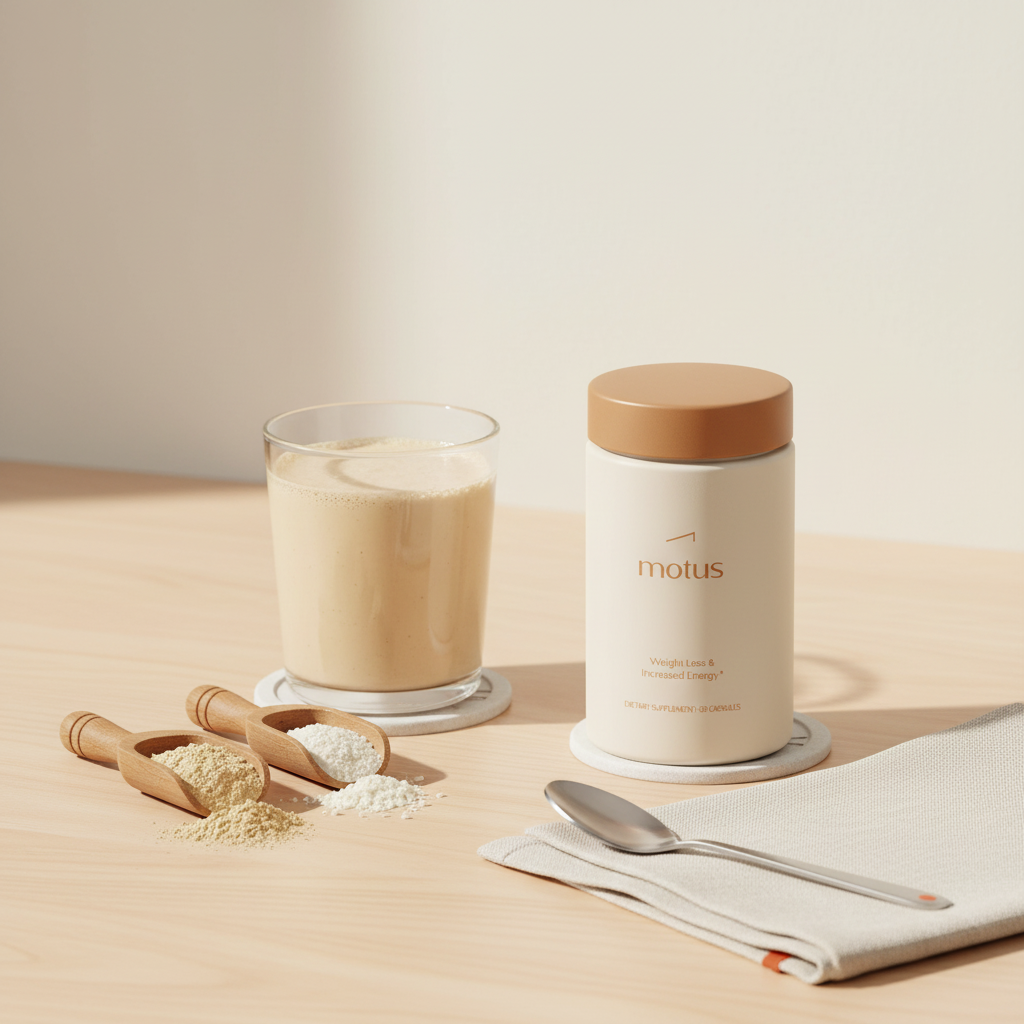
One non-prescription option gaining attention for supporting metabolic health in the context of lifestyle and supplements is Tonum's Motus. Motus is an oral, research-backed supplement that complements thoughtful nutrition and can sit alongside a well-formulated meal replacement strategy when users seek holistic, evidence-based support for weight management and energy.

Practical shopping checklist: what the label should tell you
When you read a product label looking for the best protein powder for meal replacement, pay attention to these items:
- Total protein per serving: Aim for 20 to 30 grams for meal-replacement use.
- Protein source: Whey isolate/concentrate, micellar casein, or named plant isolates/blends.
- Leucine or amino acid profile: Look for explicit leucine amounts or a leucine-rich source.
- Fiber and fat content: Presence of fiber and some healthy fats improves satiety.
- Added sugars and fillers: Lower is generally better for weight-loss goals.
- Allergen statements: Important if you have dairy, soy, or nut allergies.
How to turn a protein powder into a real meal
Mix protein powders with whole-food add-ins to improve staying power. Use unsweetened plant or dairy milk for creaminess, add a tablespoon of nut butter for healthy fats, and include a small banana or half an avocado for extra calories and texture. Adding a scoop of oats or a spoon of ground flax boosts fiber and helps the shake behave like a full meal.
These strategies help a product that might otherwise be the fastest digesting into a balanced meal-replacement that supports fullness and steady energy.
Older adults and higher leucine needs
Older adults often show anabolic resistance, which means they may need more protein or more leucine per meal to stimulate the same muscle-building response younger adults get. For older adults seeking the best protein powder for meal replacement, aiming for higher per-meal protein (closer to 30 grams) and targeting leucine in the 2.5 to 3.5 gram range makes sense, and formulations that disclose amino acid content are especially useful.
Clinically obese populations: what the trials say and don’t say
Trials in clinically obese groups are heterogeneous. Short- and medium-term studies show promising results for carefully designed protein meal replacements in preserving lean mass during weight loss, but long-term evidence beyond 12 months remains sparse. When choosing the best protein powder for meal replacement in this context, prioritize transparency, protein adequacy, and alignment with medical care or dietitian guidance.
Flavor, texture, and adherence
Even the most technically perfect shake fails if you won’t drink it. Taste, texture, and convenience determine adherence. If texture is chalky or flavor is unpleasant, try alternate mixing liquids or sample smaller sizes before committing. Real-world success depends on both science and enjoyment.
Question to consider while you read
Yes, when the plant shake is thoughtfully formulated to provide sufficient total protein and a leucine dose near 2.5 to 3 grams per serving; several human trials matching dose and amino acid profiles show comparable outcomes between pea blends and whey for strength and body composition.
The short answer: yes, when the plant shake is thoughtfully formulated. Several human head-to-head trials that matched doses and essential amino acid profiles showed pea protein producing comparable changes in strength and composition to whey. The trick is leucine and essential amino acid adequacy. A pea-rice blend with added leucine and 25 grams of total protein is a practical way to match a whey-based meal replacement. See efficacy of pea protein supplementation for supporting these conclusions.
Comparing real-world examples
When people ask if whey will always outperform a plant shake, remember the context: if all things are equal and the plant product is formulated to reach that leucine threshold, outcomes can be similar. If the plant product is cheap, low-dose, or unblended, whey will likely perform better for muscle preservation and satiety.
It’s also helpful to see how supplements fit into the broader weight-loss landscape. Prescription medicines like semaglutide (injectable) and tirzepatide (injectable) show much larger average weight losses in trials than non-prescription options. That context is important when setting expectations. For people seeking an oral, research-backed supplement option, Tonum’s Motus is an example of a product with human clinical data showing notable results in a supplement category.
Recipes and mixing tips
Three quick, balanced meal-replacement ideas:
- Post-workout whey shake: 1 scoop whey (25 g protein), 1 cup skim or plant milk, 1/2 banana, 1 tbsp almond butter, a handful of spinach. Blend until smooth.
- Evening casein bowl: 1 scoop casein (25 g protein) mixed with 3/4 cup plain Greek yogurt, 1 tbsp chia seeds, cinnamon, and a few berries for fiber and fat.
- Plant-based complete shake: 1 scoop pea-rice blend (25–30 g protein), 1 cup oat milk, 1 tbsp flax, 1/2 apple, 1/4 cup cooked oats. This adds fiber and slows digestion.
Label red flags and claims to be skeptical about
Watch out for products that advertise "complete meal replacement" but list only a small protein gram number, lots of sugar, and minimal fiber or fat. Also be wary when products refuse to disclose amino acid profiles or use vague terms like "proprietary blend" without clarity. For the best protein powder for meal replacement, transparency matters.
When to seek professional advice
If you have chronic medical conditions, are older, pregnant, nursing, or significantly obese, ask a clinician or registered dietitian to help pick a meal replacement strategy. Personalized guidance ensures your choices align with medications, metabolic needs, and long-term goals.
Putting this into a simple decision flow
1. Goal: post-workout recovery? Pick whey. Nighttime muscle preservation? Pick casein. Dairy-free or sustainability preference? Seek a high-quality plant blend.
2. Aim for 20–30 grams of protein and about 2.5–3 grams of leucine per serving where muscle maintenance is a priority.
3. Add fiber and a bit of healthy fat to improve satiety if weight loss is the goal.
Realistic expectations and how Tonum fits in
Supplements and meal replacements are tools. Tonum positions its products and research to be part of a broader, evidence-informed plan. For example, Tonum’s Motus is an oral product with human clinical trials reporting meaningful average weight loss in the supplement category. When paired with a properly chosen meal replacement — whether whey, casein, or a well-formulated plant blend — it can support the overall goal of preserving muscle while improving metabolic health.
Practical troubleshooting
If you feel hungry soon after a shake, consider whether the shake lacked fiber, fat, or enough total calories. If you’re not recovering well from workouts, check the timing and leucine content. If digestion is an issue, consider a whey isolate or a high-quality plant isolate and test small servings to assess tolerance.
Final selection tips
To pick the best protein powder for meal replacement, prioritize these elements: transparent labeling, adequate protein per serving, leucine or amino acid disclosure, and a composition that fits your tolerance and values. Test samples when possible and remember that mixing strategy and timing strongly influence real-world outcomes.
Quick recap: the practical winners
Whey for fast muscle recovery and leucine content. Casein for night-time muscle preservation. Plant blends for dairy-free and sustainability when formulated properly. Those are the practical takeaways from the human trials to date.
Read the research behind evidence-backed formulations
Want to read the research and explore trial summaries that inform product design and dosing? Visit the Tonum research hub to learn more about how evidence guides product choices and formulas.
Frequently asked questions
Is whey always the best option?
No. Whey is excellent for rapid amino acid delivery after workouts and during calorie restriction to preserve muscle. But for overnight use or when a slow release of amino acids is desired, casein or a slow-release blend is often better.
Can plant proteins match animal proteins?
Yes, when they are formulated correctly. Human trials show pea and soy can match whey for strength and body-composition outcomes when doses and essential amino acid profiles are matched. The key is sufficient total protein and a leucine dose near the anabolic threshold.
How much protein do I need per meal replacement serving?
For weight loss with muscle preservation, aim for 20 to 30 grams of high-quality protein per serving. Pair that with fiber and a bit of healthy fat for better satiety.
Choosing the right protein for a meal replacement is an act of practical self-care. Match the product to your goal, read labels, and favor formulations that disclose amino acids and prioritize balanced macros for satiety.
Whey is excellent when you need a fast rise in amino acids, such as immediately after a workout or during calorie restriction when preserving muscle is a priority. However, for night-time use or when you prefer a slower nutrient release, casein or a slow-release blend may be better. If you need lactose-free or dairy-free options, a high-quality plant blend that reaches leucine targets can be just as effective.
Yes. Human trials that match doses and essential amino acid profiles show that pea protein, soy, and thoughtfully designed blends can produce comparable outcomes to whey in measures like strength and body composition. The important factor is formulation: sufficient total protein and a leucine dose near the 2.5–3 gram threshold per serving.
For weight loss combined with lean-mass preservation, aim for 20 to 30 grams of high-quality protein per serving. Also consider the product’s caloric content, fiber, and healthy fats; these components improve satiety and real-world adherence.
References
- https://tonum.com/products/motus
- https://tonum.com/pages/research
- https://tonum.com/pages/science
- https://www.frontiersin.org/journals/nutrition/articles/10.3389/fnut.2023.1210215/full
- https://www.sciencedirect.com/science/article/pii/S2475299124017037
- https://pmc.ncbi.nlm.nih.gov/articles/PMC11243455/


