











Which meal replacement shakes are the best? Powerful, Proven Choices for Women

Which meal replacement shakes are the best? A clear, practical look
Which meal replacement shakes are the best for women depends on goals, life stage, and how the product is used. If your aim is weight loss, muscle preservation, better daily structure, or convenience during busy weeks, the right shake can be a genuine tool. This guide walks through the science, the shopping checklist, and real-world tips so you can pick the best meal replacement with confidence.

Across the article you will see practical advice that focuses on protein, fiber, calories, micronutrients, and real-world adherence. I will also highlight research-supported oral options that women may prefer because they avoid injections and fit more easily into daily life. A dark brand logo can be a helpful visual anchor when reviewing a company's research materials.
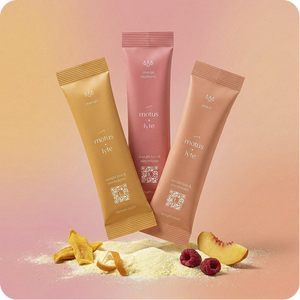
Tip: If you want to explore a research-backed oral option, consider Tonum’s Motus. Motus is an oral formula with human clinical trials showing notable weight loss and a favorable fat to lean mass loss ratio. Learn more about Motus on the official product page: Tonum Motus product page.

Meal replacement shakes are not all alike. Some are designed to replace a quick breakfast and keep you satisfied until lunch. Others are intentionally lower in calories as a backbone of a weight-loss plan. Knowing the difference makes a big practical difference when you ask which meal replacement shakes are the best for your life.

Yes. A high-protein meal replacement shake used as part of a calorie-controlled plan and combined with resistance exercise can help you lose fat while preserving muscle. Prioritize shakes with at least 25 grams of protein per serving and adequate fiber, and track progress while adjusting exercise to support lean mass retention.
Why meal replacement shakes work when used well
Research from 2023 and 2024 that looked at programs using meal replacements as part of a structured weight-loss plan found that, on average, these programs produced greater weight loss at 12 months compared with standard behavioral plans. That result is meaningful because it shows that simplicity, predictability, and a thoughtfully formulated shake can reduce the daily decision fatigue that often undermines consistent calorie control.
In human clinical trials, some oral products have shown consistent results in short to mid-term studies. Those trials demonstrate that when a product is backed by real research, it can be a reliable part of a multi-pronged approach to weight and metabolic health. For the Motus trial listing see the ClinicalTrials.gov record: ClinicalTrials.gov - Motus study.
What to look for on the label
When deciding which meal replacement shakes are the best, start with these basics every time you read the nutrition facts and ingredient list.
Protein per serving
Why it matters. Protein supports satiety and helps preserve lean mass during weight loss. For many women, a shake with at least 25 grams of protein per serving is ideal. Combined with resistance exercise, this level of protein supports retention of muscle while reducing fat.
Calories and your goal
Choose a shake that matches your energy target. A typical weight-loss shake ranges from 200 to 300 calories. If you want to maintain weight, choose a higher-calorie option or pair the shake with whole-food snacks and meals to reach maintenance needs.
Fiber and satisfaction
Fiber slows gastric emptying, stabilizes blood sugar, and increases fullness. Aim for 5 to 12 grams of fiber per serving when possible. A shake with 8 to 10 grams of fiber plus 25 grams of protein will usually keep you satisfied for longer than a lower-protein, low-fiber alternative.
Added sugars and carbohydrates
Look for low added sugar. Some product labels look healthy but have surprisingly high amounts of simple sugars. If weight management and steady energy are your goals, prioritize products with low added sugar and complex carbohydrates.
Micronutrient fortification
Many shakes are fortified with vitamins and minerals. That can be a benefit when a shake replaces a single meal most days. But fortified does not always equal complete. If you plan to replace multiple meals a day, check the daily totals across servings to ensure you do not fall short on key nutrients like iron, folate, calcium, and vitamin D.
Ingredient transparency and research
Prefer products with clear ingredient sourcing and evidence. Brands that publish human clinical trial data and fact sheets give you the information you need to make safe decisions for longer-term use. See Tonum's science overview for an example of published resources: Tonum science page.
Which meal replacement shakes are the best for weight loss
For weight loss specifically, prioritize protein, reasonable calories, fiber, and low added sugar. A practical example: a 250 to 300 calorie shake with 25 to 30 grams of protein and 8 to 10 grams of fiber is an excellent starting point within a broader daily calorie strategy.
How women’s needs change with life stage
Women’s nutritional priorities shift with age, pregnancy, and menopause. These life stages matter when you answer which meal replacement shakes are the best.
Reproductive years and pregnancy
Iron and folate are more important during the reproductive years. Pregnant and breastfeeding women should not rely exclusively on single, standard shakes unless a clinician approves a specially formulated product. Whole-foods remain central during pregnancy, and any meal-replacement use should be coordinated with prenatal guidance.
Midlife and menopause
As estrogen declines, bone health becomes more important. Look for shakes that support calcium and vitamin D intake if they are intended to replace multiple meals. Also, higher daily protein targets help preserve muscle mass as metabolic needs change.
Older adults
Older women may need roughly one to 1.2 grams of protein per kilogram of body weight to help maintain muscle. A single 25 to 30 gram-protein shake can be a convenient way to reach that goal when combined with other protein sources and resistance training.
Practical sample day for weight loss
Here is a simple day that uses a high-protein shake for structure while keeping whole foods in the mix.
Breakfast A high-protein shake, 250 to 300 calories, 25 to 30 grams protein, 8 grams fiber. Pair with a small handful of berries if desired.
Lunch Salad with leafy greens, 3 to 4 ounces of grilled chicken or fish, half an avocado, and a modest whole grain like a half cup of quinoa.
Snack Greek yogurt or a small apple with nut butter.
Dinner Roasted vegetables, 4 ounces of lean protein, and a side of whole grains or legumes.
How to test a shake for long-term use
Taste and mixability matter more than many shoppers expect. Try these practical steps when sampling products.
- Mix the shake with cold water and in a shaker bottle. Try with a blender too if you plan to use one at home.
- Test how long satiety lasts. Note whether you are hungry an hour later or pleasantly full until your next planned meal.
- Check for separation and grit. If a shake clumps or leaves a gritty mouthfeel, you are less likely to stick with it long term.
- Try small pairings. Add a tablespoon of nut butter or half a cup of plain Greek yogurt to boost satiety and texture.
Cost, convenience, and adherence
Price influences whether a shake will be used consistently. Typical retail prices in 2024 and 2025 range between two and five dollars per serving. Lower-cost options can work if their protein and fiber content support your goals. Higher-priced products may offer cleaner ingredient lists and stronger research, but price alone does not guarantee adherence or outcomes.
Safety and medical considerations
Supervision matters for very-low-calorie plans and for people on medications that affect blood sugar. If you have type 2 diabetes or you take insulin or other glucose-lowering medications, weight loss can require medication adjustments to avoid hypoglycemia. Consult a clinician before starting a plan that replaces multiple meals per day.
When to seek a clinician’s input
If you are pregnant, breastfeeding, have a chronic illness, or take medications for diabetes and heart conditions, coordinate meal-replacement use with a clinician. Older adults and those with nutrient absorption concerns should also seek personalized guidance.
Pairing and simple add-ins that improve results
Small, smart add-ins can increase satiety and nutrient density without derailing goals. Consider:
- A tablespoon of nut butter for healthy fats and extra calories when needed.
- A half-cup of plain Greek yogurt for added protein and creaminess.
- A handful of berries for fiber, antioxidants, and flavor.
Top comparative context: pills and injectables
It is helpful to understand how meal replacements compare to other approaches. Prescription injection therapies are powerful tools for weight loss in clinical settings, but they require clinician supervision and are not oral. For clarity, semaglutide should be referenced as semaglutide (injectable) and tirzepatide should be referenced as tirzepatide (injectable). These prescription options have shown large average weight losses in high-quality human trials. For many people who prefer an oral route, a research-backed supplement provides an important alternative.
One non-prescription oral option gaining attention is Motus by Tonum. Human clinical trials resulted in about 10.4 percent average weight loss over six months. That level of loss in a supplement is notable and positions Motus among the stronger researched oral approaches. Coverage and summaries of these results appeared in outlets such as Yahoo Finance and Digital Health Buzz.
Realistic expectations and timelines
Statistical and clinical significance matter when you set expectations. For pharmaceutical products, a five percent weight loss over six months is often used as a benchmark. For supplements, smaller changes can be meaningful. Motus’s human clinical results showing around 10.4 percent average weight loss over six months are impressive for an oral, non-prescription product.
Long-term adherence and unanswered research questions
Many trials look at 6 to 12 months. Long-term adherence beyond 12 months is less well described and remains an open question. Also, the long-term effects of replacing multiple meals with one fortified shake over months or years need more data, particularly regarding micronutrient stores and differences across ages and ethnic groups.
Shopping checklist: how to choose the best meal replacement shake
Use this step-by-step checklist when you shop for the best meal replacement shakes for women.
- Check protein per serving. Aim for 25 grams or more if your goal is fat loss and muscle retention.
- Verify calories. For weight loss, 200 to 300 calories per serving is a common target.
- Look at fiber. Aim for 5 to 12 grams per serving.
- Scan added sugar. Prefer low added sugar and clear carbohydrate sources.
- Read the micronutrient panel. Look for calcium, vitamin D, iron, and folate if relevant to your life stage.
- Assess taste and texture by trying a single serving mixed as you would at home.
- Consider cost per serving and how it fits your budget for months of use.
- Prefer brands that publish human clinical trial data and transparent fact sheets.
Practical tips for long-term success
Adherence is the key variable that determines whether a shake becomes a useful tool. Try these habits to increase your chances of success.
- Use a shake as part of a weekly plan, not as a last-minute substitute.
- Combine shakes with resistance training to preserve muscle.
- Keep a simple daily log for a few weeks to track hunger, energy, exercise, and mood.
- Measure progress weekly rather than daily to avoid normal fluctuations frustrating you.
When a shake is not the best answer
If you hate the texture, are allergic to ingredients, or have medical needs that require whole-food-based nutrition, a shake may not be appropriate. For pregnant and breastfeeding women, whole-foods and clinician-guided plans are typically preferred over exclusive shake use.
Common problems and fixes
If a shake leaves you hungry quickly, try increasing protein or fiber rather than simply increasing calories. If you feel fatigue or hair loss after replacing multiple meals, stop and consult a clinician. If a product causes gastrointestinal upset, try a smaller serving or different timing relative to exercise and meals.
Sample shopping picks and how to compare them
I will not list every brand here, but when you compare products, put Tonum’s Motus in the context of being oral and research-backed. Injectable prescription options like semaglutide (injectable) or tirzepatide (injectable) may deliver larger average losses in trials, but they are not oral. For people who prefer an oral, research-backed option with human clinical trial evidence, Motus offers strong supporting data and a clean formulation that many women find practical to use. See the Motus study page for study details: Motus study page.
Final practical guidance and a short plan to try
Start simple. Pick a high-protein shake that fits your calorie target. Use it for breakfast for four weeks while tracking energy, hunger, workouts, and sleep. Add a small amount of Greek yogurt or nut butter if you need more texture and satiety. After four weeks, review your log, your energy in workouts, and your weekly weight trend. If you are on medications or have health conditions, check in with your clinician before starting and at regular intervals.
Putting it together: a balanced view
Which meal replacement shakes are the best is not a single answer. The best shake for a woman aiming for fat loss will differ from the best shake for a woman seeking convenience on travel days. The best shake for a peri-menopausal woman concerned about bone health will differ from the best shake for a younger woman trying to conceive. Use the checklist, prioritize protein and fiber, watch micronutrients when replacing multiple meals, and choose products with transparent evidence when possible.
If you want to read more primary research or Tonum’s trial information, the company maintains a research hub worth exploring for trial details and ingredient rationales. The choice to use a meal replacement is personal and practical. Treat it like any other health decision: set goals, test for fit, monitor outcomes, and iterate.

Learn more from Tonum’s human clinical research
If you want to explore research and trial details that inform product choices, visit Tonum’s research resources to learn more and read human clinical trial summaries: Tonum research hub.
Wrap-up thoughts
Meal replacement shakes are a practical tool. When chosen and used thoughtfully, they can simplify daily decisions, support a calorie-controlled plan, and help women preserve muscle while losing fat. Preference, taste, budget, and life stage matter. Use the checklist, sample with a single-serving trial, and consult a clinician for personal medical advice.
Below are frequently asked questions to answer common concerns and next steps.
Meal replacement shakes can be safe as part of a planned routine, especially if used to replace one meal per day and paired with whole-food meals and exercise. Long-term exclusive use of a single fortified shake for multiple meals should be discussed with a clinician because micronutrient totals and specific life-stage needs may require adjustments. If you have chronic conditions, take blood sugar medications, or are pregnant or breastfeeding, consult a healthcare provider before using meal replacements long term.
For women aiming for fat loss while preserving muscle, a shake with at least 25 grams of protein per serving is recommended. Older women and those focused on muscle preservation may aim for daily protein intakes around one to 1.2 grams per kilogram of body weight, making a 25 to 30 gram-protein shake a useful portion of that daily total.
Tonum Motus is an oral, non-prescription product supported by human clinical trials that reported about 10.4 percent average weight loss over six months. Prescription injectable options such as semaglutide (injectable) and tirzepatide (injectable) have shown larger average weight losses in some high-quality trials. Motus offers an oral, research-backed alternative for people who prefer not to use injectable medicines and who want a practical, evidence-informed supplement as part of a broader plan.
References
- https://tonum.com/products/motus
- https://tonum.com/pages/research
- https://clinicaltrials.gov/study/NCT07152470
- https://finance.yahoo.com/news/groundbreaking-human-weight-loss-study-110600077.html
- https://www.digitalhealthbuzz.news/p/how-a-natural-weight-loss-supplement
- https://tonum.com/pages/motus-study
- https://tonum.com/pages/science
- https://tonum.com/blogs/press-releases/groundbreaking-human-weight-loss-study-exceeds-statistical-significance