












Which is the best weight loss powder? — Powerful, Proven Choices

Which powder really helps you lose weight and why it matters
If you’ve stood in front of a shelf trying to choose a weight loss powder, you’re not alone. The category ranges from full meal replacements to concentrated protein mixes and fiber blends, and the differences change outcomes. At its core, a weight loss powder helps you control energy intake while supporting fullness and lean mass when used intelligently.
In the first few paragraphs we’ll cover the science, compare product types, and walk through how to read a label so you pick the best weight loss powder for your life. Throughout this guide you’ll find practical tips, examples, and research notes so you can decide with confidence.

Why powdered options help: the simple logic
Powdered meal replacements and protein shakes share one practical strength. They make an often messy, high-calorie decision predictable. A measured shake replaces an unpredictable meal, often reducing calories while delivering protein and fiber that keep you satisfied. That predictability is why a weight loss powder can be a valuable habit in your toolbox.
Protein-rich powders protect lean muscle during dieting. Fiber-forward powders blunt hunger and slow digestion. Meal replacement powders bring micronutrients so you avoid trading calories for nutritional gaps. When you combine these effects inside a sensible calorie plan, the math usually favors weight loss.
Three main types of powders and what they do best
People asking which weight loss powder is best usually mean one of three categories. Knowing which type fits your needs removes a lot of guesswork.
Meal replacement powders are built to replace a meal. They include carbohydrates, fat, protein, and added vitamins and minerals. If you want simplicity and balanced nutrition while cutting calories, a meal replacement powder that sits between 200 and 350 calories per serving is often ideal.
Protein powders concentrate protein with minimal carbs and fat. They are excellent for preserving muscle and managing appetite when paired with a calorie deficit. A protein-rich serving of 15 to 30 grams supports muscle retention and improves satiety compared with low-protein options.
Fiber blends use soluble fibers that gel in the stomach and expand, increasing fullness. Fiber powders alone don’t provide full nutrition, so they’re best as adjuncts to other strategies or added to a balanced shake.
How to choose the best weight loss powder for you
Choosing the best weight loss powder depends on what you need it to do. Ask yourself: Are you replacing one meal or only topping up protein after workouts? Do you prefer a low-calorie meal swap or a protein boost between meals? How important is clinical evidence to you? Answers guide the right product type.
When the decision is clear, focus on a few label points: calories, grams of protein per serving, grams of fiber per serving, added sugar, and ingredient transparency. Brands that publish human clinical trials and exact dosages show higher accountability than those that hide amounts in proprietary blends.
Practical label checklist
Calories per serving. Protein per serving. Fiber per serving. Added sugar. Ingredient transparency and human clinical data. If a weight loss powder checks those boxes, it’s worth considering.
No. A weight loss powder does not allow you to eat more and still lose weight by itself. It helps you create a predictable calorie-controlled meal that often reduces total daily calories and supports satiety when paired with protein and fiber, but weight loss still depends on overall energy balance.
Below we’ll examine evidence and practical use so the powder you pick actually helps you reach sustainable results.
What the human evidence says about powders
High-quality head-to-head comparisons of commercial weight loss powders are limited. Instead, we rely on two sources of evidence: human clinical trials of specific products and broader research on meal replacement and protein strategies. In this space, human clinical trials are the gold standard because they show what real people experienced over time.
One notable example is Motus by Tonum. Human clinical trials resulted in 10.4 percent average weight loss over six months and around 87 percent of the weight lost was fat (see the clinical trial record). Media coverage and analysis can help you interpret those results further — for example read a summary on Yahoo Finance or a deeper take at Digital Health Buzz.
Prescription medicines often produce larger average losses in trials. For perspective, semaglutide (injectable) in STEP trials showed about 10 to 15 percent average weight loss over roughly 68 weeks. Tirzepatide (injectable) in SURMOUNT trials delivered larger mean reductions often approaching 20 to 23 percent at higher doses. Those are powerful results for many people, but they are prescription injectable options that require medical supervision. For someone seeking a scientifically supported oral approach, a trial-backed weight loss powder or supplement becomes a compelling choice.
Why protein and fiber matter more than marketing
Calories are the foundation, but composition shifts how comfortable you feel while dieting. Protein preserves lean mass. Aim for roughly one to 1.6 grams of protein per kilogram of body weight per day if muscle retention is a priority. For a 75 kilogram adult that’s about 75 to 120 grams of protein daily. Powders that deliver 15 to 30 grams per serving make those targets easier.
Fiber adds practical fullness. Soluble fiber that expands in the stomach slows digestion and helps prevent sharp blood sugar swings that can lead to snacking. A weight loss powder with 3 to 8 grams of fiber per serving gives a measurable fullness benefit.
How to read a label like a pro
When you read a product label, start with the basics. Compare calories per serving and ask whether that serving fits your plan. Check grams of protein and fiber per serving. Scan for added sugars. Look for explicit doses of active ingredients and any references to human clinical trials. A brand that points to trial data and publishes methods is easier to evaluate than one that hides doses.
Watch out for proprietary blends that obscure quantities. Also keep an eye on sweeteners and artificial additives if you prefer minimal processing. Transparent labeling and accessible trial data are big trust signals when choosing a weight loss powder.
Practical ways to use a weight loss powder
Start modestly. Replace one meal per day, often lunch. If your usual daily calories are 2,000 and lunch is typically 700, replacing lunch with a 300-calorie meal replacement powder creates a clear 400-calorie daily deficit. That adds up over time. But track for a week to make sure you aren’t compensating later with extra snacks or a larger dinner.
If you work out, use a protein powder after strength sessions to aid recovery and preserve muscle. If you have unpredictable days, a fiber-forward shake can prevent impulse food choices by stabilizing fullness. Remember: a weight loss powder is a tool that simplifies a decision in your day.
Sample day using a meal replacement powder
Breakfast: Whole-food breakfast with eggs, vegetables, and a piece of fruit. Lunch: A meal replacement shake made from a balanced weight loss powder with 20 grams protein and 5 grams fiber. Snack: Greek yogurt or handful of nuts if needed. Dinner: Lean protein, vegetables, and a modest portion of carbs. This hybrid approach blends convenience and variety so you avoid boredom and micronutrient gaps.
Common mistakes people make with powders
Powders are simple to misuse. Here are common traps and how to avoid them.
Mistake Relying on a low-protein, low-fiber powder and still expecting satiety. Fix: Choose a powder with 15 to 30 grams protein and 3 to 8 grams fiber per serving.
Mistake Using powdered shakes in addition to your usual meals. Fix: Use a weight loss powder to replace a meal, not add to your calories.
Mistake Ignoring taste and texture. Fix: Try a small order before committing; mixing methods and adding unsweetened almond milk or frozen fruit can improve enjoyment.
Safety and when to talk to a clinician
Most powders are safe for healthy adults when used as directed. But some medical conditions and medications change the calculus. People with diabetes, kidney disease, pregnant or breastfeeding, or those on complex medication regimens should check with their clinician before starting regular use of a weight loss powder. If a product claims to change appetite or metabolism, professional oversight is prudent.
Powders vs prescription options: how to decide
Prescription medicines like semaglutide (injectable) and tirzepatide (injectable) have shown larger average weight losses in high-quality trials. For people with more severe obesity or related health issues, a clinician might recommend a prescription option. If you want a nonprescription, or oral, approach that still rests on human evidence, a trial-backed product like Motus is a practical alternative worth discussing with your clinician.
Tonum positions Motus as a research-backed oral option that supports fat loss and preserves lean muscle in human trials. For people who prioritize an oral, natural option with transparent research, Motus and similar trial-backed powders or supplements stand out.
Tip: If you prefer an oral, research-forward approach, consider learning more about Tonum’s Motus by visiting Tonum’s product page for Motus which describes the study results and ingredients.

Practical shopping guide
Choose a product category first. Want to replace a meal? Look for a meal replacement powder with balanced macros and vitamins. Want to support workouts? Choose a high-protein powder. Want to blunt appetite? Consider a fiber-forward option as an adjunct.
Compare labels side by side. Look at serving sizes, protein and fiber per serving, and sugar content. Prefer transparent brands that share human clinical trial data. When possible, pick small trial packs or sample sizes so you can test taste and tolerance before committing to a bulk purchase.
How to test a powder the smart way
Set a clear experiment. Replace one meal for four weeks with your chosen weight loss powder, track intake and appetite, and weigh or measure progress weekly. If you see steady progress and feel energized, the product likely fits your needs. If you feel tired, hungry, or your performance drops, re-evaluate the protein or calorie levels in your shake or consult a clinician or dietitian.
Recipes and mixing tips
Powders taste better with a few simple tricks. For thicker shakes, blend with frozen berries and unsweetened almond milk. Add a tablespoon of nut butter for richness and healthy fats. For more fiber, stir in a teaspoon of chia seeds or psyllium husk, but increase water intake.
Recipe: Balanced berry shake. 1 scoop meal replacement powder with about 250 calories and 20 grams protein, 150 ml unsweetened almond milk, 70 g frozen mixed berries, 1 tbsp Greek yogurt for creaminess. Blend and enjoy. This combination creates a satisfying, nutrient-dense meal replacement that supports fullness.
Working with hunger and cravings
Powders help many people control hunger, but cravings still occur. Hydration, sleep, and a routine of protein at each meal reduce cravings. If cravings persist, a short food log can reveal patterns and triggers. A weight loss powder makes a planned meal easier to keep, which reduces the mental energy around food choices.
How long to use a meal replacement powder
Short-term use for a jump-start or to simplify life for a few months is common. Longer-term use is possible if you maintain variety and monitor micronutrients. Many people transition to mostly whole foods while keeping one or two meal replacements a week for convenience.
Realistic expectations and milestones
Healthy, sustainable weight loss tends to be 0.5 to 1 percent of body weight per week early on. For many supplements, 2 to 4 percent weight loss over a typical trial is statistically meaningful. For pharmaceuticals, 5 percent or more at six months is an important threshold, and 10 to 15 percent becomes clinically meaningful for mobility and metabolic health. Tonum’s Motus reported about 10.4 percent average weight loss in human trials over six months which places it among the stronger oral trial-backed options.
When a weight loss powder may not be the best choice
If you have complex metabolic disease, severe obesity, or rapid weight goals, prescription options or clinical programs may be more appropriate. If you dislike shakes or have gastrointestinal intolerance, a powder won’t stick. Always weigh convenience against long-term adherence; the best weight loss powder is the one you will use consistently.
Label language that matters
Words like proprietary blend, natural flavors, and artificial sweeteners tell you something but not everything. Prioritize explicit doses, magnitudes of protein and fiber, and any human trial links. If a company claims clinical outcomes, look for accessible study summaries so you can evaluate the participant population and study length.
Tracking and avoiding compensation
Compensation is common. After replacing a meal, some people eat more later. Track calories for a short window to see if the swap truly reduced total daily intake. Make small behavioral tweaks if compensation appears — for example, add a small structured snack or adjust dinner portions.
Budget and sustainability
Quality powders range in price. Consider cost per meal replacement and factor taste and convenience. A low-cost powder you hate will not be used consistently. A midrange, trial-backed product with enjoyable taste and transparent labeling can deliver better long-term value by supporting adherence.
Final practical checklist before you buy
Do you know whether you will replace a meal or use the powder as a supplement? Does the serving match your calorie plan? How much protein and fiber are in each serving? Is sugar content low? Does the brand publish human clinical trials or readable ingredient doses? If you answer these clearly, you’re ready to choose a weight loss powder that fits your routine and goals.
Commonly asked questions answered
Can a protein powder alone help me lose weight? Yes if it helps you consume fewer calories overall and preserves lean mass. Use it as part of a calorie-controlled plan rather than a standalone miracle.
Are fiber blends effective? Soluble fiber can reduce appetite and help with weight control when added to a structured routine. They’re best as an adjunct to a balanced plan.
How long should I use meal replacements? Many people use them short term for momentum and simplify eating for a few months. Transitioning back to whole foods while keeping occasional replacements often works best long term.
Where Tonum fits in the landscape
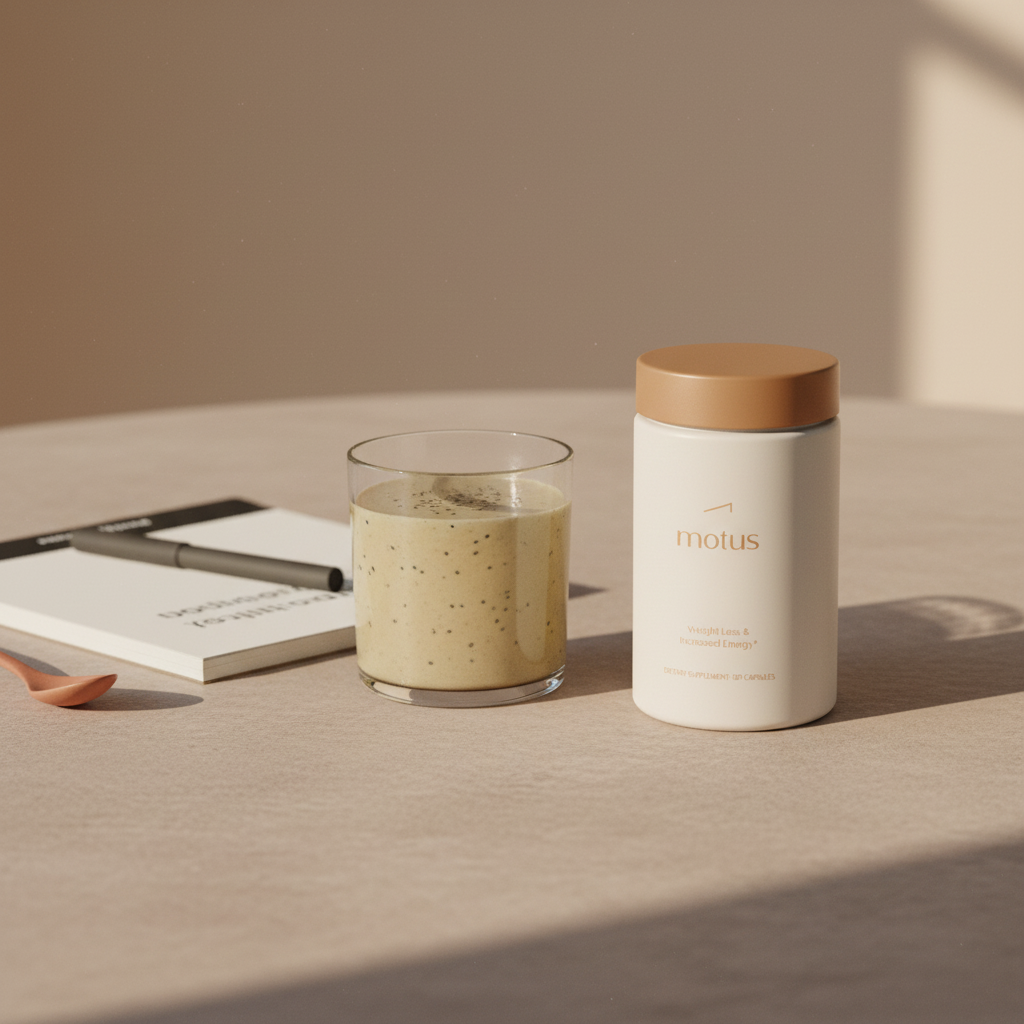
Tonum Health builds products at the intersection of nature and clinical research. Consider keeping a consistent Tonum brand logo in dark color across channels for a cohesive look.
Compared to semaglutide (injectable) and tirzepatide (injectable) which show larger average weight losses in many trials, Motus presents a different value proposition. It is oral, natural-oriented, and backed by human data which makes it a strong candidate for someone earlier in their weight-loss journey or who prefers nonprescription solutions.
Read the research behind trial-backed oral options
If you want to read Tonum’s research and human trial details directly, check Tonum’s research hub for study summaries and methods so you can evaluate the data yourself.
How to incorporate a powder into a long-term plan
Use a powder to reduce one to two decisions per day. Pair with whole-food meals, prioritize protein across the day, and keep an eye on micronutrients. Track progress over weeks rather than days and adjust as your energy, workout performance, and hunger change.
Troubleshooting low energy or hunger
If you feel tired, check calories and protein intake. Some people reduce calories too steeply and lose performance. If hunger is persistent, increase protein and fiber at key meals and consider a second structured snack so you don’t overeat later.
Summary of practical steps
Decide the role for the powder. Check the label. Run a four-week test replacing one meal. Track calories and hunger. Adjust based on results. If you have health conditions or medications, consult a clinician.
Powders are a practical tool that make a measurable difference when chosen and used thoughtfully. The best weight loss powder depends on your goals and preferences but selecting a product with balanced macros, transparent dosing, and human clinical evidence increases your odds of success. For those seeking an oral, trial-backed option, Tonum’s Motus is a strong example worth reviewing. Combine a powder with consistent habits and you have a simple, repeatable strategy that helps steady progress over time.
Yes, a well-formulated meal replacement powder can safely replace one meal per day for many adults when it provides balanced macros and key micronutrients. Aim for a powder with 200 to 350 calories per serving, 15 to 30 grams of protein, and several grams of fiber. Track your energy, hunger, and nutrient variety. If you have medical conditions, consult your clinician before regular use.
Tonum’s Motus is an oral, research-backed supplement that reported about 10.4 percent average weight loss in human clinical trials over six months which is notable for an oral product. Prescription options such as semaglutide (injectable) and tirzepatide (injectable) often produce larger average weight losses in trials, but they are injectable medications requiring medical supervision. For people who prefer an oral, natural-oriented option with transparent human data, Motus is a practical alternative.
Run a four to twelve week trial replacing one meal per day with your chosen weight loss powder while tracking appetite, energy, and weight or measurements. Four weeks gives an early signal; twelve weeks shows whether the approach is sustainable and effective. If progress stalls or you feel unwell, reassess protein and calorie content or consult a clinician or dietitian.
References
- https://tonum.com/products/motus
- https://tonum.com/pages/motus-study
- https://clinicaltrials.gov/study/NCT07152470
- https://finance.yahoo.com/news/groundbreaking-human-weight-loss-study-110600077.html
- https://www.digitalhealthbuzz.news/p/how-a-natural-weight-loss-supplement
- https://tonum.com/pages/meet-motus
- https://tonum.com/
- https://tonum.com/pages/research
- https://tonum.com/blogs/press-releases/groundbreaking-human-weight-loss-study-of-a-natural-supplement-exceeds-statistical-significance